
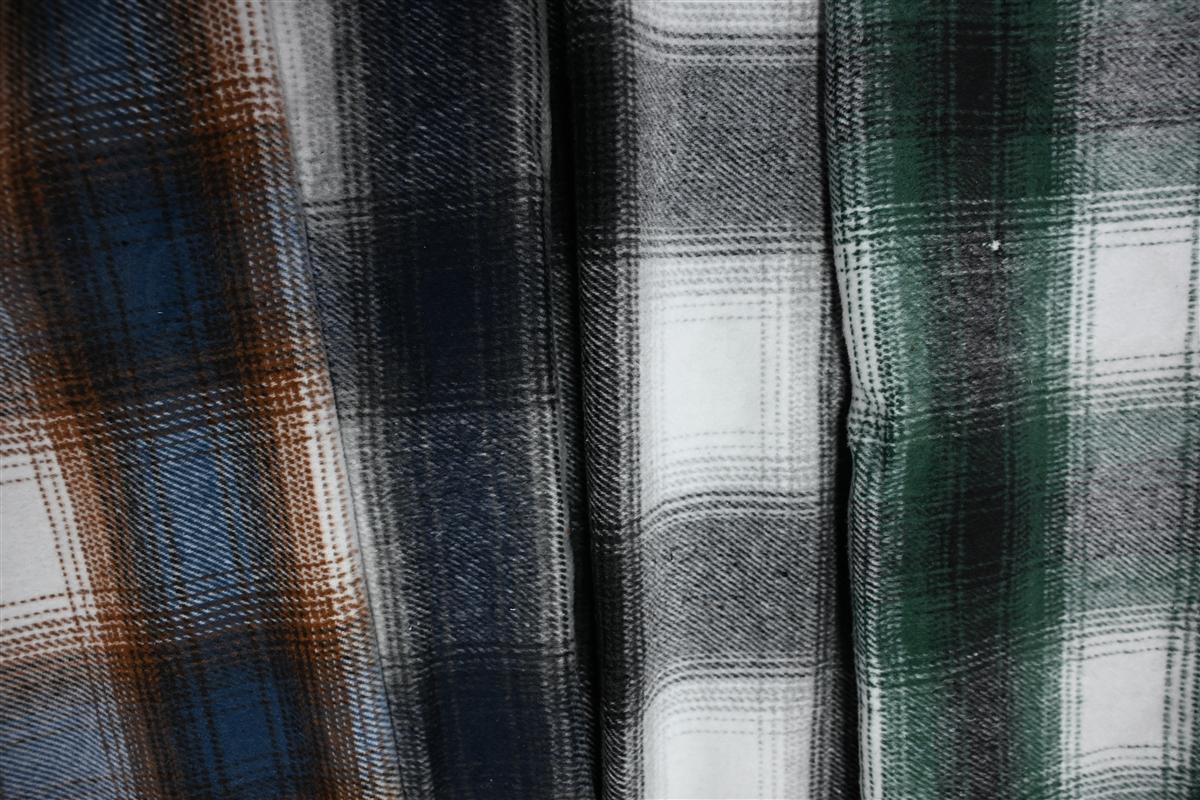
Before the order, the useful question was not whether the mill subcontracts, since many mills do and finishing is the step they most often send out, but which named plant performs each step, who owns the recipe and the quality release at that plant, and what notice you receive when the route changes. Ask for an order-specific process map before you sign: every site from greige to dispatch with its legal name and address, the operation performed there, the equipment and parameters the mill controls, and the person who signs the release. Then attach three things to that map, lot and roll traceability across every handoff, a written rule that no site, recipe or process may change without your prior approval, and a remedy if the map turns out to be inaccurate. A mill that cannot produce the document before a deposit is telling you something useful about how the order will run.
A process map is a document, not a conversation
Ask the same question of four different systems and you get the same frame back: you wanted a written, order-specific map, disclosed before production. What stays vague in those answers is what makes the sheet usable. A map that names sites but not legal entities, or lists operations without saying who controls them, will not help you when a fault appears at a plant you have never visited. The document has to be dated, tied to your purchase order number, and signed by someone whose name appears on the contract.
Start with the mismatch that produces most of these surprises. A quotation can come from a trading office that owns no looms, while the cloth is woven, dyed and finished by two or three other entities. Buying from a mill or from a trading company changes who is able to answer your questions, because only the party that runs the machines can tell you what the machines hold.
Then ask which site made the sample. If the lab dip, the sample length or the first bulk metres were produced somewhere other than the plant named on the map, the approval you gave does not cover the cloth you will receive. A process map is valid only for the order it names, and a change of site is a change of product until the same approved sample has been re-proved on the new line.
Ask finally what the document is for. A map that exists to satisfy a customer questionnaire is a marketing sheet. A map that exists to fix responsibility is a working document, and it will name sites that are inconvenient to the seller, such as the finisher the mill does not own.
The four ownership questions to ask at every named site
For each site on the map, four questions decide how much of the quality you actually control: who owns the recipe, who holds the tolerances, who releases the goods, and who keeps the records. In an in-house weaving shed the answer may be the same person four times. Across a dyehouse and an outside finisher it rarely is, and the gap between one site’s answer and the next site’s answer is where a fault is born.
- Recipe: which site sets the chemical formulation, the bath sequence, the heat setting temperatures, the mechanical finish settings, and the water and steam conditions? A finisher that receives a recipe from the mill is running the mill’s intention, while a finisher that writes its own recipe is running its own judgement.
- Tolerances: which document states the allowed variation in width, weight, shrinkage, skew, shade and surface, and does the partner plant hold that same tolerance or a looser one of its own?
- Release: who signs the cloth out of the finishing plant, against which approved standard, and who has the authority to stop a batch before it is wound and packed?
- Records: which plant holds the batch sheets, the machine logs, the chemical dosing records, the inspection notes and any test reports, and for how long after shipment?
The identity of the person matters as much as the identity of the plant. When the answer to all four questions is a job title in an office you have never met, ask for the name, the number and the authority that goes with it, because a fault conversation that has to travel through three intermediaries loses a week before it starts.
Two more items belong at this stage and are usually left out. Ask which plant is approved for your specific finish rather than for the general category, since a plant qualified for washing may never have run the coating, the raising or the heat setting you specified. Ask what water supply and which machines the site uses for that finish, because the same recipe on softer water can return a different hand and a slightly different shade, and the site that can explain the difference is the site that can repeat your order.
Traceability has to survive the truck
Between two plants there is a truck, and between two trucks there is an opportunity to lose the identity of your cloth. Traceability on a process map is not a promise that somebody keeps records. It is a set of statements about how your greige, your lots and your rolls stay identified while they are outside the building, and those statements are what the questions about textile production locations are really asking for.
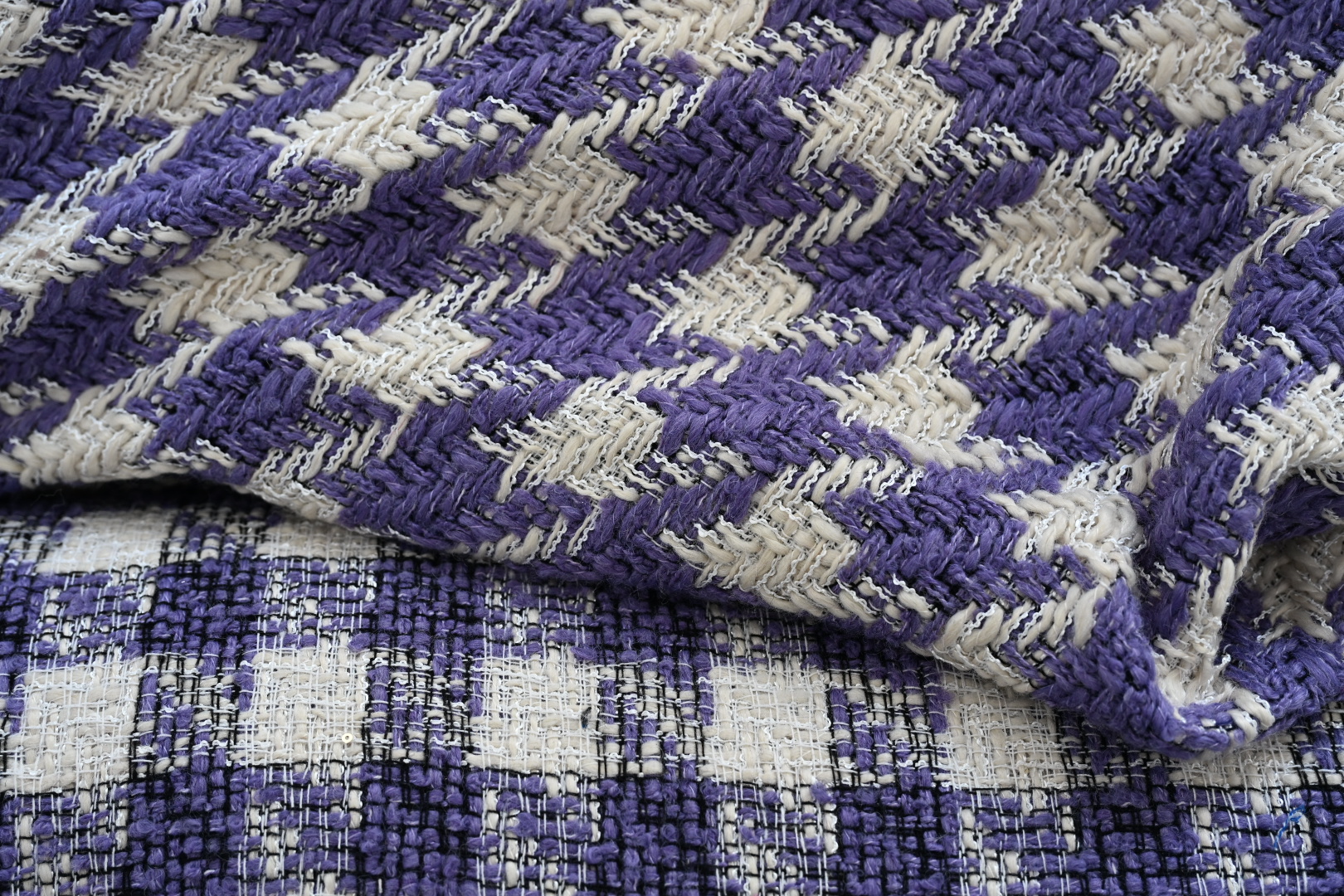
Ask how the cloth is identified at each transfer: by lot number, batch number, roll number, order number, or by a label the receiving plant writes for itself. Ask what prevents two orders of similar cloth from entering the same machine at the same time, and what happens when a partial batch goes ahead while the balance follows later. Ask which plant writes the join and splice records, how a re-worked lot is marked, and whether a re-worked lot can reach you as first quality without your knowledge.
Then follow the paper rather than the promise. One finished roll should lead back to the greige roll, the dye lot, the finishing batch and the date, and the chain should be readable by someone who was not standing at the machine. The traceability documents a fabric order generates are the same set that answers a fault six weeks later, so the test is narrow: can the mill walk you through one roll, not one shipment.
Records also need a keeper and a clock. Put the retention period for batch sheets, dosing logs and inspection notes into the order, name the person who can request them, and say what form they arrive in, because a photograph of a screen is not a record and a spreadsheet without a name on it is not evidence. If the same lot number appears at two sites on two dates, ask the mill to explain the overlap before you accept it, since that overlap is often the first visible sign that your cloth was split between plants.
Change control, notice windows and the overflow season
A map describes the plan, and the plan is what fails in the week the mill’s own finishing line is full. Undisclosed movement between plants clusters around capacity pressure, so the questions that matter are about the week your order does not fit, not about the calm months when everything runs in-house.
Ask for the notice rule in hours or days rather than in goodwill: how long before a site change the mill will tell you, who on your side has to acknowledge it, and what happens when the notice arrives after the cloth has already moved. Then ask what triggers a fresh approval. A new site, a new machine inside the same site, a changed chemical, a new dye lot, or a shift to a different team can each change the result, and the mill should be able to say which of those it treats as a re-approval event and which it treats as routine.
The overflow question belongs here too, and it is the one that separates a real answer from a reassuring one. Which approved alternative plant takes your order when the first choice is booked, and is that plant already named on the map. A second plant you have approved in advance costs nothing before it is needed and removes the incentive to move work quietly when a schedule tightens. A mill that answers with a promise to call you has told you that the decision will be made in the week you have the least time to react.
Write the trigger points down while you are at it: the point at which the mill must inform you, the point at which you must answer, and the point at which your silence counts as refusal. A notice window with no consequence attached is a courtesy, and courteous notices arrive after the cloth has been finished.
What the purchase documents must carry so the map has teeth
The map is the description and the purchase order carries the consequences. Subcontracting on its own is ordinary commercial practice, as the general description of subcontracting makes clear, so the clause is not there to forbid it. The clause is there to make it visible, approved and priced.
Four statements do most of the work. The supplier discloses every facility involved in manufacture, processing, finishing, inspection, packing and storage for this order, and no facility may be added or substituted without the buyer’s prior written approval. The supplier remains responsible for subcontracted work as if it had been performed in its own plant, including quality, conformity and traceability. The buyer may visit any disclosed facility, or appoint an independent inspector, during the order, and the supplier must make production and quality records available on request. Where an undisclosed site or an unapproved process causes a fault, the supplier carries the cost of replacement, rework, re-testing, freight and the delay it caused.
The last statement is the one most often left soft, and it decides whether your fault conversation lasts a week or a season. Ask also which entity issues the conformity document for the finished goods and what it actually covers, because a paper issued by the selling office for work done at a plant it does not control deserves a second look.
Keep the approval chain in one place. The approved sample, the map, the tolerances, the test methods and the change rule should travel as one set with the purchase order, so that a new planner, merchandiser or plant manager inherits the same instruction you gave the first time. That is also how to ensure a textile mill is not subcontracting quietly, since a site that is not on the list has nowhere to hide when the list is signed.
If the fault has already appeared, what to ask for this week
Your cloth is finished and the fault is there, so the process map becomes a reconstruction tool rather than a prevention tool. Ask the mill for the site-by-site record of where your lot actually went, with dates, and compare it against the map you were given; the difference between the two documents is your evidence, and it is worth more than any explanation offered on the phone.
Then contain the problem before arguing about it. Ask how many metres are still at the finishing plant, whether they are wound, packed or waiting on a trolley, whether they can be held there, and what would be needed to inspect them before they leave. Ask for the retained sample from the same batch, the machine settings used for it, and the name of the person who inspected the finished goods at that plant.
Ask for the recovery options in the order that costs you least. A re-test at an independent laboratory on cloth from the affected batch, a second inspection to sort the shipment by roll, a re-work plan with a named plant, or a replacement of the affected metres, each with the party who pays for it written next to it. Ask what happens to the rolls already in transit and to the rolls already cut in your own cutting room, because the value of a remedy depends on whether it arrives before the cloth becomes a garment.
Fix the intake while the lesson is fresh. Add the map request, the four ownership questions, the traceability chain and the change rule to your standard question set, so the next enquiry carries them before a price is quoted. Keep the same list in the due diligence file for every new mill you vet, because supply chain transparency is not a document you request once and file away. The questions you would have asked about a textile mill’s subcontracting have a short answer once they are in writing: name every plant, name the owner of each step, name the person who releases the cloth, and name the cost of moving it without telling you. Everything else in the file is detail.

Связанные статьи
Whose Line Is It: The Invoice Fields No Trader Can Sign
A commercial invoice for a cloth shipment is a single declaration assembled from three record...
When the Yarn Is Gone: Buying the Balance, Holding the Lot, Timing the Trigger
“The yarn is gone” means one stage in the chain has stopped holding stock, not...

One Specification, Three Looms: A Trial That Compares Cloth
A three-mill trial is one cloth specification woven three ways in a single week, then...