

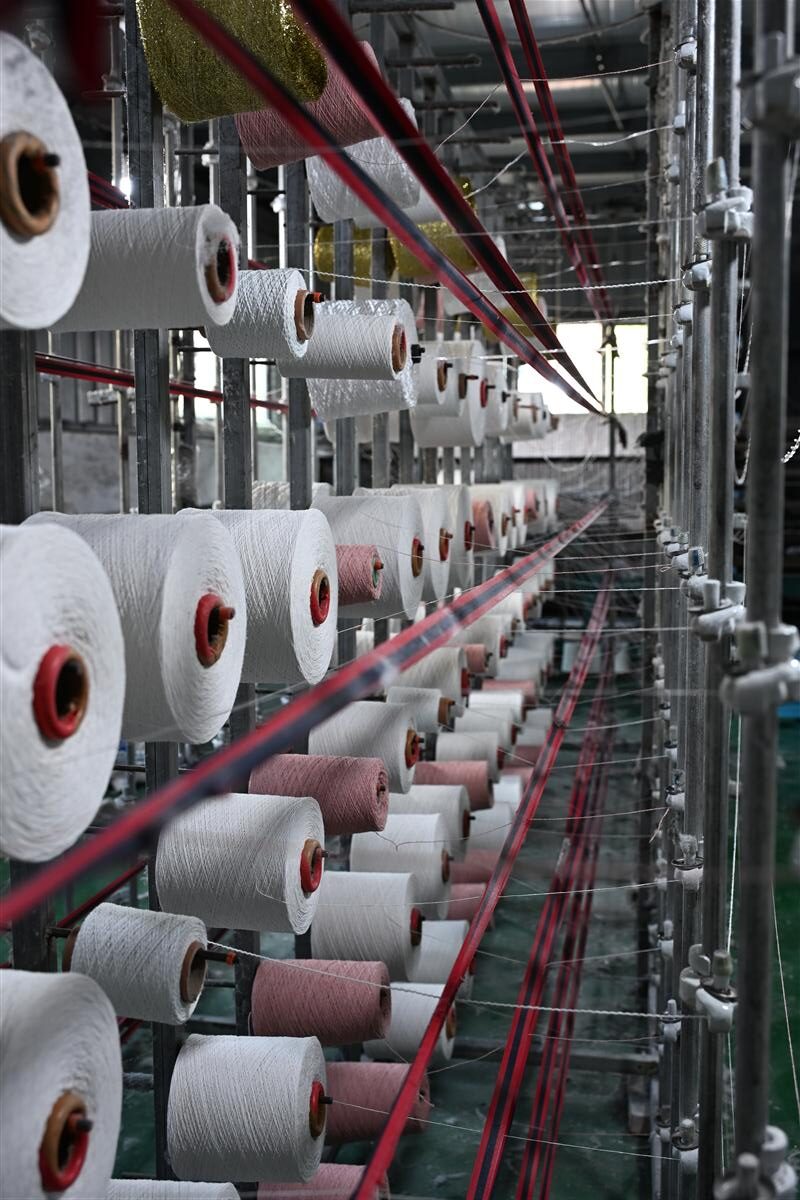
Settle one question before the rest of the order ships: which metres you bought. A roll ticket can promise roll metres, usable metres after the damaged ends are trimmed, or a weight that is converted to length. Those are three different promises and only one of them matches what your cutting room measures. Write the definition into the order, agree on how the cloth is measured when it is measured, and then ask for a ticket per roll with the actual measured length and a photograph of each roll at the measure. A packing list that repeats the nominal length, and a response that the rolls were correct when they left, do not release the balance of the order.
Define which metres are on the invoice
Most short-roll arguments are definition arguments wearing a measuring costume. If the order is sold in roll metres, the mill owes you the length that left the reeling machine, and the first metres that your cutter trims because they are creased, oily or damaged are your loss. If the order is sold in usable metres, that trim is the mill’s, and the invoice should reflect it. If the order is priced by weight, neither side owns a length until the two agree on the conversion, which is why a weight-priced order with a length complaint is the hardest kind to settle.
So put the definition in the purchase order in one sentence, before the next shipment is packed. Say whether the length is measured on the roll as shipped or on the cloth as used, and say which end trims count against which party. A mill that has never been asked the question will answer it in the way that suits the invoice, and that answer is what you will be arguing against for the rest of the programme.
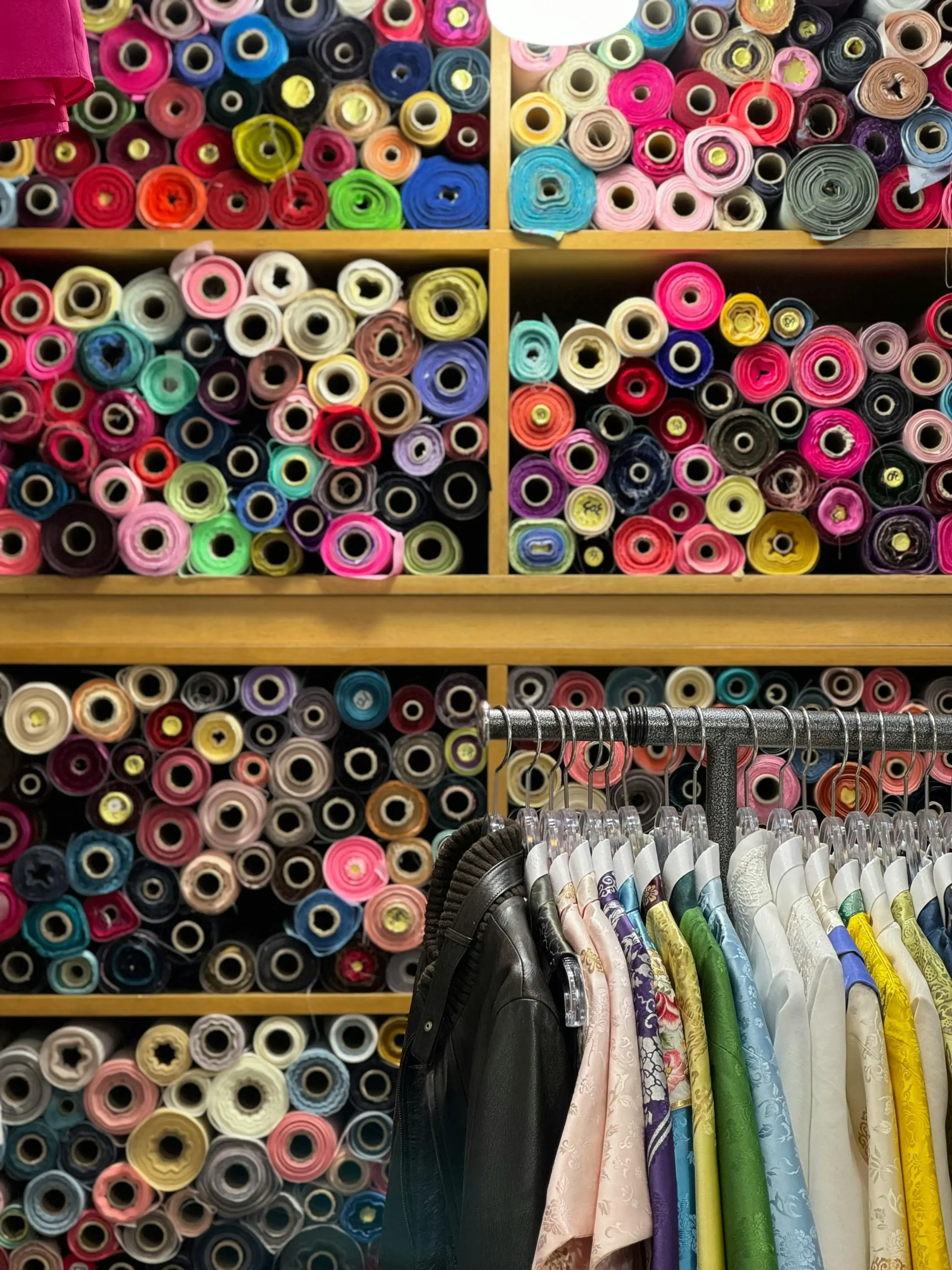
Agree on the state the cloth is measured in
The same roll reads differently depending on how it is measured. Cloth pulled off a roll under tension and run over a counter while it is still stretched gives a longer number than the same cloth laid flat and left to relax before it is measured. Neither method is wrong, but a mill measuring one way and a cutting room measuring the other way will disagree on every roll in the shipment, and the disagreement will look like theft when it is only method.
Ask for the measuring method in writing: whether the cloth is relaxed before measuring, how long it rests, whether the roll is measured on the machine that wound it or on a separate table, and what happens at the last metre where the cloth is usually held by hand. Then measure the same way on your side. Your two short rolls may be short by the mill’s method as well, in which case you have a real finding; or they may be short only against a method the mill never agreed to, in which case you have a method problem to fix before the balance ships.
Use weight as a second, independent check
A roll can be weighed by both sides without any argument about method, and weight is a useful cross-check on length. Fabric weight is measured in grams per square metre, as the reference on textile measurement units sets out, so the roll’s mass divided by its width and its weight per square metre gives an independent estimate of how many metres are on it. That estimate is not precise enough to win an argument on its own, because the weight per square metre varies slightly across a piece, but it is precise enough to tell the difference between a roll that is short by a metre and one that is short by a tenth of the order.
Do the arithmetic on the two rolls you measured, then repeat it on three or four rolls you have not opened. If the weight check says the shipment is roughly right and the relaxed measurement says it is short, the question is the method. If both checks point the same way, you have a finding that does not depend on anyone’s technique, and it is worth putting in front of the mill before the balance is on the water.
Ask which device produced the numbers on the tickets
Roll tickets are printed by something. On some lines the length comes from a counter on the reeling machine, on others from a measuring table, and on others from the roll’s weight converted by a table. The three devices drift differently, and only one of them is in the same room as the cloth when it is packed. Ask which device produced the numbers on the tickets for this order, and what the last check on that device was. A counter that has not been checked in a year is a plausible source of a shipment that is consistently a little short.
Then ask for the tickets to carry both numbers: the nominal length the order calls for, and the actual length the device reported for that roll. A ticket with one number cannot be reconciled. A ticket with two numbers, where the actual figure is lower than the nominal for most rolls, tells you the pattern before anyone opens a carton, and the pattern is what makes the fix cheap: the mill either corrects the device or corrects the invoice.
The per-roll record for the balance of the order
Before the next lot ships, ask for three things. First, a ticket per roll, with the actual measured length of that roll, matched to the packing list line by line. Second, a photograph of each roll at the measure, with the ticket and the counter or the tape visible in the same frame, taken while this order is being finished. Third, the count: how many rolls in the finished lot measured below the nominal length and by how much in total. That count is the number the mill should already know if the measuring device is honest, and it is the number your claim will be based on.
Ask for the plan in the same message. The shortfall can be added to the next shipment, credited against the balance, or carried as a length credit on the next order, and any of the three is acceptable if it is written down. What is not acceptable is a promise to measure more carefully. Care is not a unit of measure, and the next shipment will be checked with the same tape you used on this one. If the mill’s answer is that the cloth is spun and woven to a tolerance, ask for the tolerance in writing and apply it to the whole order: a definition you can calculate with is worth more than a conversation about trust.
What to do with the rolls you already have
Measure a sample, not the whole shipment. Two or three rolls measured end to end, plus a quick relaxed check on a few more, gives you a rate you can apply to the order and a number you can defend. Record each roll as you measure it: ticket number, nominal length, measured length, and the condition of the ends. Photograph the ticket with the roll and keep the trimmed end pieces if the ends are why the length is short. If the shortfall sits in the first metres, the finding is about the ends; if it is spread evenly across every roll, the finding is about the device or the reeling tension.
Then keep the records together with the packing list and the invoice. A short-roll claim is unusual in that the evidence is arithmetic and the arithmetic is easy to show. The hard part is always the definition, which is exactly why the definition belongs in the order before the next lot goes on the machine. The width and selvedge plan sets how a fabric order is planned; the length definition belongs in the same page of the specification, and the two together are what make a delivery checkable.
If the next order is going to three mills, put the same length definition and the same measuring method in all three enquiries, so that the quotes you compare are quotes for the same thing. That is the discipline behind comparing quotes from several mills in the first place: a price per metre is meaningless unless the metre means the same thing in each column.
Write the hold the same day
Send one message to the person who can hold the balance. Name the order and the two short rolls. State the hold in one sentence: the balance does not ship until the definition and the record are settled. Name what you need. First, the written definition: roll metres or usable metres, and which end trims count against which side. Second, the measuring method, including whether the cloth is relaxed before it is measured. Third, a ticket per roll with actual measured length, a photograph of each roll at the measure, and the count of short rolls in the finished lot, with the shortfall credited or added to the next shipment.
A release is your note that the tickets carry actual lengths, that the method is the one you agreed, and that the shortfall is accounted for on paper. A repeated packing list, a weight conversion with no measured length behind it, and a promise that the next rolls will be measured carefully do not release the hold.
Keep the tickets, the photographs and your own measurement sheet in the order folder with the invoice. The next shipment will be checked the same way, and the sheet from this one is what turns the next enquiry into a two-minute comparison instead of a week of correspondence.
Relaterad läsning: Steaming and Mending Before Packing: The Mill’s Final Pass

Relaterade insikter

Shetland, Cheviot and Lambswool: Matching Wool Type to Tweed Programmes
Ask three mills for a grey tweed at the same weight and price and you...

Oil on One Selvedge, Rust in the Middle: Two Faults, Two Photos
Ask for four things before the rest is woven and packed. First, the lubrication and...

Hard Creases in the Bale: What to Ask the Mill Before They Pack the Rest
Pause the order and ask for three records before another bale is tied. First, a...