

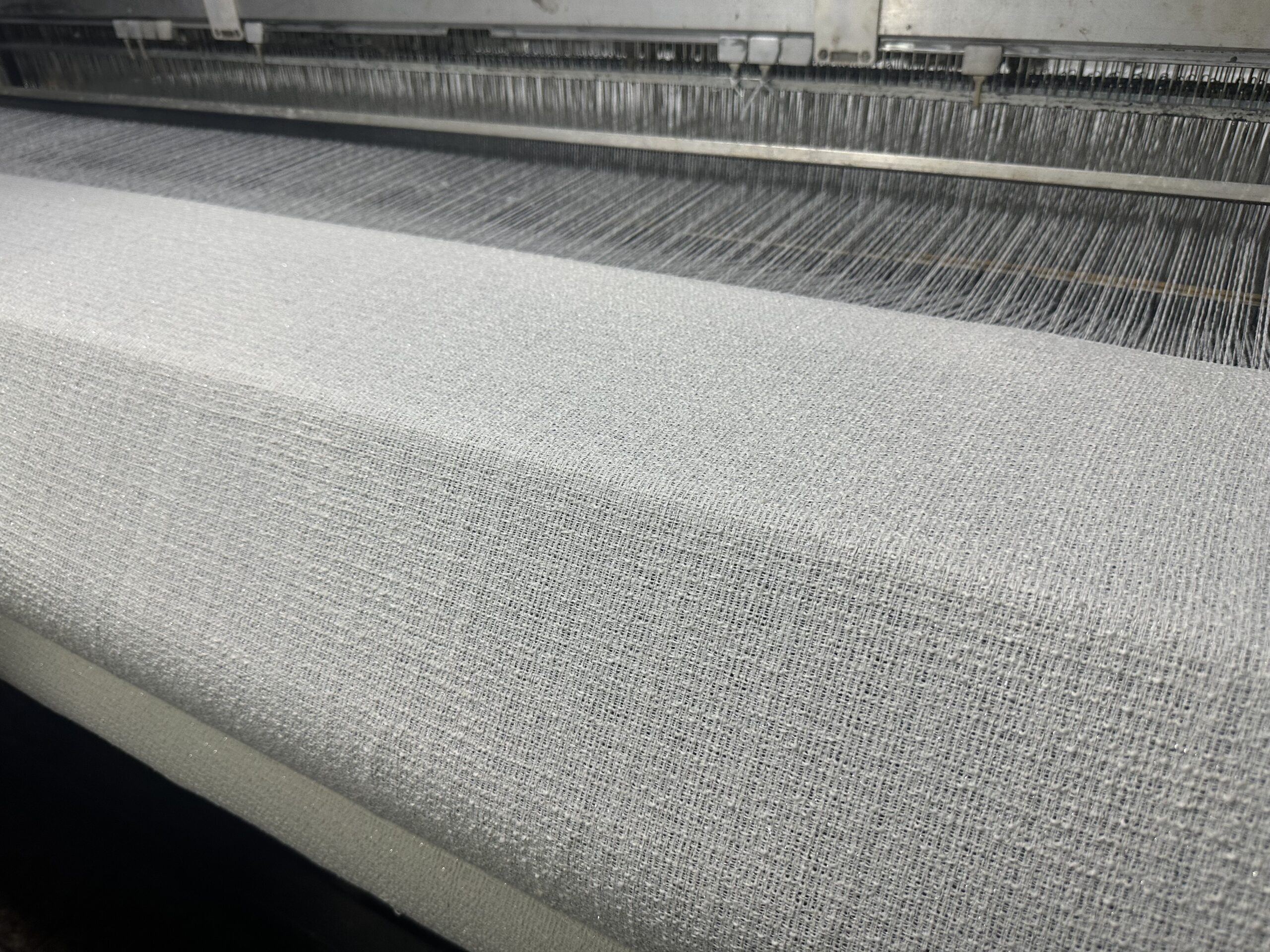
The most expensive hour in an import program is the one right after the container doors open, because it is the only hour when certain problems can still be attributed to the shipment rather than to your own warehouse. Damage found on day one is a transport issue; the same damage found in week three is an argument nobody wins.
This guide lays out what to check in the first forty-eight hours after a fabric container arrives, what to photograph, and how the records you keep on arrival decide whether a claim is possible later.

Before the Doors Open
Start with the container itself. Note the container number, the seal number and whether the seal is intact, and photograph both before anything is opened. A broken or mismatched seal is the first thing a carrier or insurer will ask about, and it is the one piece of evidence that cannot be recreated afterwards.
Record the external condition: dents, rust streaks, fresh patches, and any sign of repairs. Then photograph the interior before unloading, looking for condensation on the ceiling, water staining on the floor, or a strong musty smell. Container rain, the condensation that forms when cargo crosses climates, is the single most common cause of wet textile damage, and its evidence evaporates as soon as the doors are open.
Temperature and weather at the port of arrival belong in the same note. It takes a minute and gives context to everything that follows.
Bale and Roll Integrity
Unload carefully and check each bale as it comes out. Look for torn wrapping, crushed corners, and bales that feel damp to the hand. Open a representative bale rather than only the easy-to-reach one at the front: damage from condensation typically affects the outer layers and the top of the stack first, so front-and-centre bales can look perfect while the rest of the load carries the problem.
Check roll ends for crush marks and for creases that were already present when the cloth was packed. Compare what you find against the packing record, which is why the mill’s fold method and bale identification matter at the other end of the journey.
Photograph defects in place, with the roll ticket visible in the frame. A photograph of a wet patch without its roll number is an anecdote; with the number, it is evidence.

Moisture, Odour and the First 24 Hours
If the fabric feels damp, do not repack it. Spread affected rolls in a dry, ventilated space and let them equalise, recording the change in weight or feel over a day. Wool and cotton both take up moisture readily, and a bale that feels wet today may be dry tomorrow, but the marks and any resulting mildew risk persist.
Odours are a signal rather than a result. A musty smell indicates that moisture has been present long enough for microbial activity, and that history affects the cloth even if it looks clean. Note the smell in writing at the time you detect it, because odour is impossible to document retrospectively.
The first twenty-four hours are also the right time to check the count: bales against the packing list, metres against the mill ticket, and any shortage noted while the container and the carrier are still identifiable. Discrepancies reported after the container leaves your dock lose most of their force, and re-measurement of relaxed fabric should be done here rather than after the cloth has been stored for months.
The Records That Make a Claim Possible
A workable claim file contains the seal and container photographs, the interior condition photographs, bale weights or counts, the mill’s inspection and packing records, and a dated shortage or damage note signed by whoever unloaded. Photographs should be named by roll and bale number so they can be matched to the mill record at the other end.
It also helps to notify the carrier and the freight forwarder in writing within the window your contract or insurance requires, even if you have not yet established the loss. Notice deadlines are short in most transport regimes, and a preliminary notification can be followed by detail; a late notification cannot be backdated.
Customs and import documentation is worth reviewing in the same session, since discrepancies in entry data surface early. The importer-side obligations, including the documents that must be available for review, are set out in the CBP importer guidance and are a good structure for the file.
Turning Arrival Checks Into a Routine
The reason arrival checks get skipped is that they compete with production pressure. The fix is to make them a short, fixed procedure with a named owner: a one-page form, a phone camera, and thirty minutes per container. Written down, the routine survives staff changes and busy weeks.
Keep the records for the claim window and then review them annually. Patterns show up quickly: a specific port or season producing wet bales, a particular carrier handling roll ends roughly, a packer folding cloth too tightly. Every one of those patterns is cheaper to fix at the source than to absorb repeatedly.
For programs using stock fabric, the same routine protects the second shipment as well as the first, because the arrival record tells you what to demand from the next packing, as covered in hard creases in the bale and in the moisture notes on shipping through humid seasons.
Vanliga frågor
What should I photograph when a container arrives?
The seal and container number before opening, interior condition, bale wrapping, and each defect with its roll ticket visible.
Why does the first 48 hours matter so much?
Because damage and shortage can still be attributed to transport, and notice windows for claims are short.
What if only some bales feel damp?
Do not repack. Spread the rolls in a dry ventilated space, record the change, and note odour and marks in the same session.
How do I handle a count shortage?
Note it while the container and carrier are still identifiable, with bale counts and photographs, and notify forwarder and carrier in writing.
Do arrival checks apply to stock fabric?
Yes. They protect repeat shipments by telling the mill and packer exactly what to correct.
Video: High-Quality Fabrics for Designers: My Journey
If you would like the arrival routine built into your fabric program, our ready stock and logistics team can supply the packing records, roll tickets and container loading photographs that make an arrival check straightforward.

Relaterade insikter
Colour Continuity Across Tweed Runs: What Makes Batch Two Match Batch One
A garment that sells well generates a reorder, and the reorder is where colour continuity...

Bonded Warehouses and Duty Deferral: Cash-Flow Tools Fabric Importers Underuse
Import duty is usually quoted like rent: due the moment goods land. It does not...

Sjöfrakt av tweed under fuktiga säsonger: fukt, balpackning och mögelprevention
Wool fabric has an inconvenient relationship with the ocean: it absorbs moisture, and a shipping...