

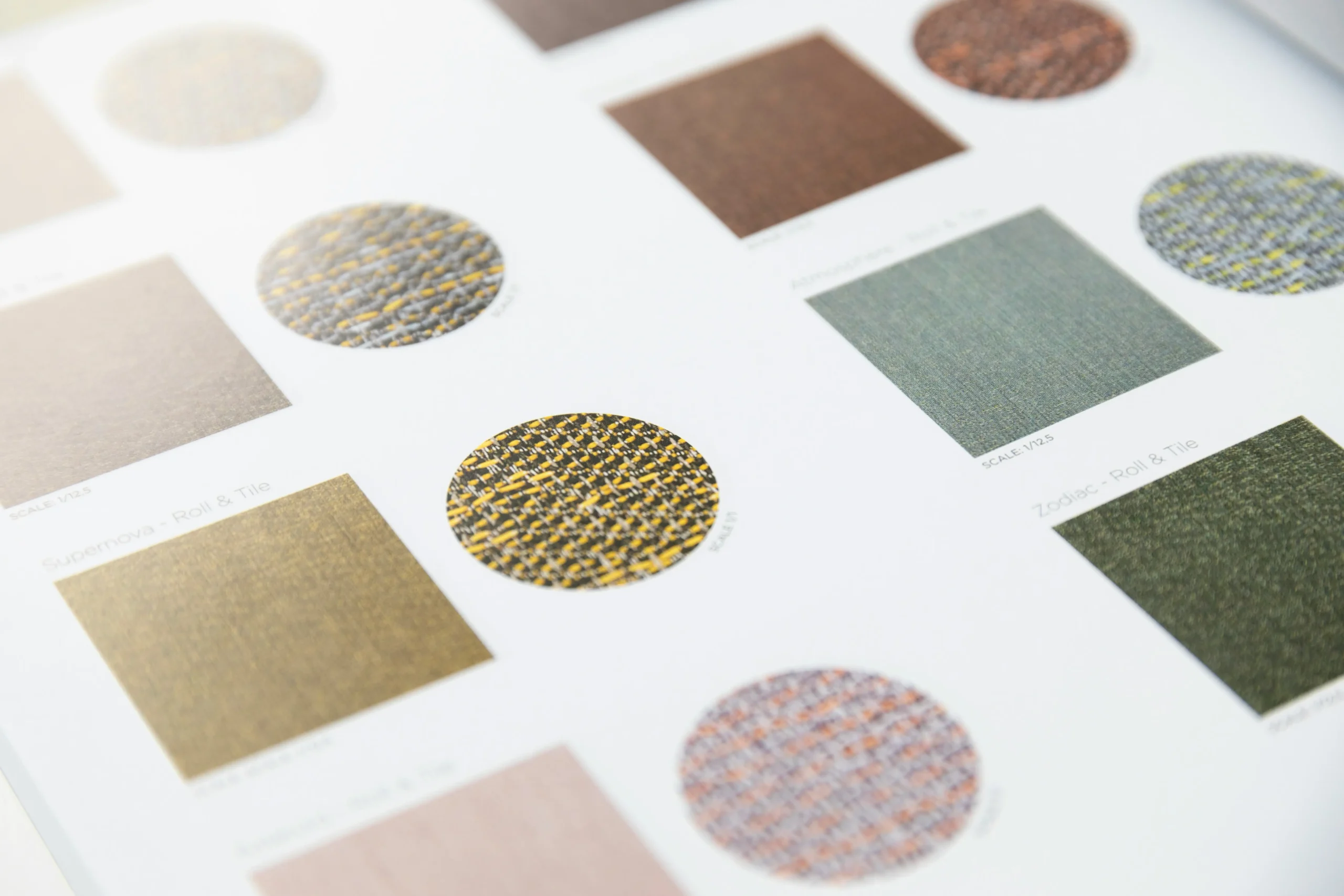
A garment that sells well generates a reorder, and the reorder is where colour continuity gets tested. The lab dip matched, the bulk matched, and then six months later the second run arrives visibly different on the same shelf. The cause is rarely carelessness. Colour is reproduced rather than stored, and every new run begins a new dye lot with its own small variation. Understanding where the drift enters, and building a reference system that catches it before the goods ship, is the difference between a shelf that looks consistent and one that does not.
Where the Drift Enters
The first source is the dye lot. Even with an unchanged recipe, dyeing a new batch produces a slightly different result, because dyestuff concentration, water chemistry, temperature profile and dwell time interact in ways that are controlled rather than identical. For woollens this is compounded by the fibre itself: wool takes dye inconsistently across a fleece, which is part of what gives the cloth its depth and also what makes exact reproduction impossible.
The second source is yarn blending. Where a tweed is made from blended or melange yarns, small changes in the ratio of the coloured fibres change the apparent shade even if the target colour is unchanged. A slightly higher proportion of the lighter fibre reads as a lighter cloth from a distance, which is exactly how a customer sees a rack.
The third source is finishing. Because finishing affects how light reflects from the surface, a change in the finishing route presents as a colour difference. This one is the most confusing, because the dyed yarn can be perfectly matched while the finished cloth is visibly different.
The Reference System That Works
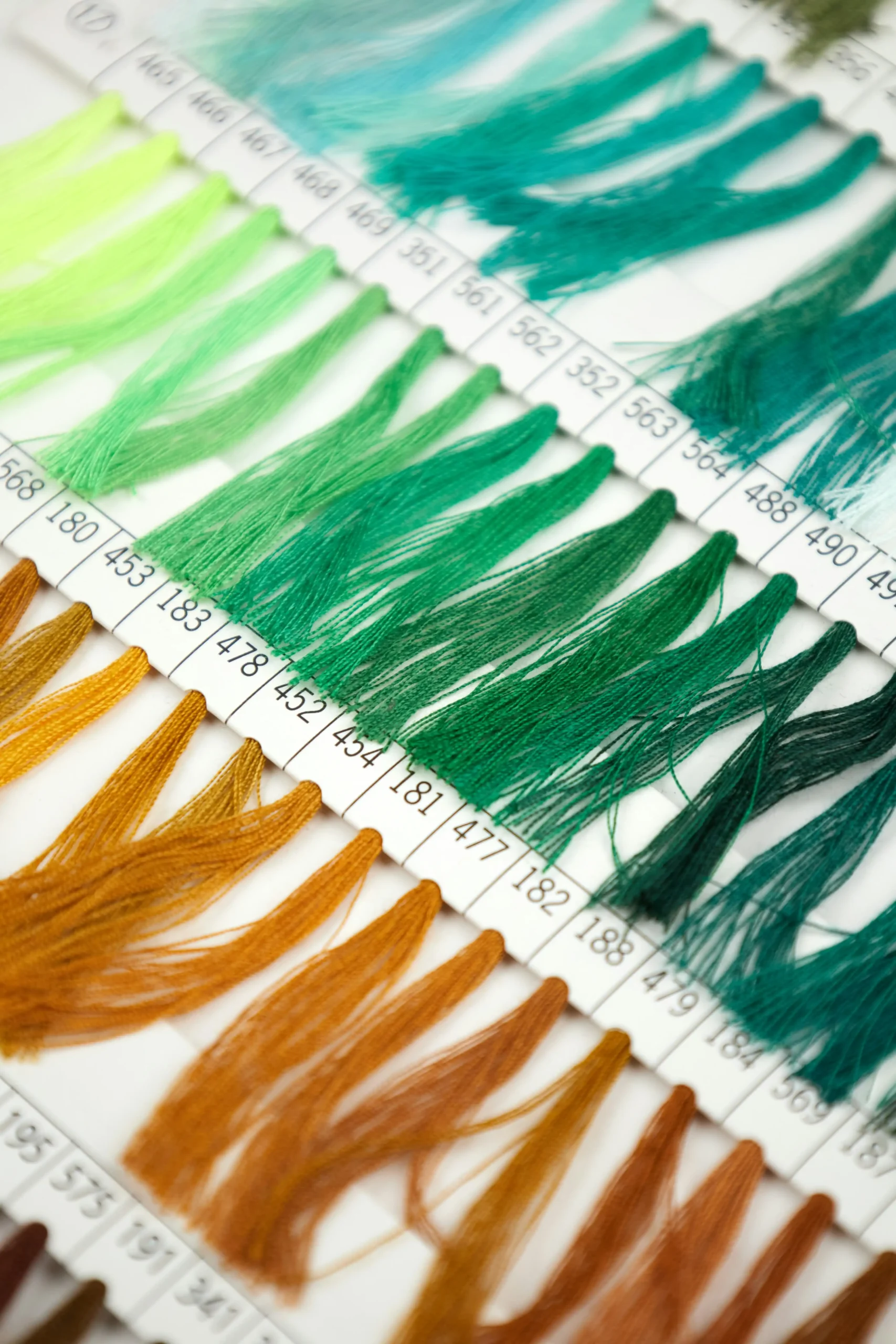
Continuity is managed with three things: a physical standard, a fixed viewing method, and a verification step on every repeat. The physical standard is a swatch from the approved production run, retained by both parties. It has to be stored away from light, because a faded standard is worse than no standard at all.
The viewing method is what makes the comparison repeatable. Two people comparing a new swatch to a standard under different lighting will reach different conclusions; the same two people under a defined light source will usually agree. Natural daylight varies by hour and season, which is why interior comparison under a fixed source is the more reliable method for a production decision.
Verification has to happen on every repeat rather than only when something looks wrong. The industry body for wool textile standards, the Den internasjonale ulltekstilorganisasjonen, is the technical reference point for wool specification and testing practice, and the principle it reflects applies here: a specification is only real if it is measured against a stated method rather than assessed by eye.

Designing Around the Limits
The most effective way to handle drift is to design so that small drift does not matter. Solid mid-tone colours show variation more than either very light or very dark shades; strongly textured cloths hide it better than smooth ones; and garments separated on the rack show a difference that the same garments photographed individually would not.
For programs where continuity is commercially critical, planning a single larger run instead of several smaller ones is usually the better answer. Colour variation is a function of run count as much as of process control, so consolidating volume into one dye lot removes the problem rather than managing it.
Where consolidation is not possible, ordering the fabric for a season in one commitment and storing it is the standard mitigation. Holding fabric carries a cost, but it is predictable, and it is usually smaller than the cost of a mid-season shelf where two batches are visibly different. Cost and logistics decisions like this one sit alongside the sourcing logic covered in our fabric sourcing guide.
Reading a mill’s swatch book is the fastest way to see whether a stock route can carry a collection, and the layering logic is explained in reading a swatch book as a stock and custom strategy.
Writing Continuity Into the Order
The purchase order should state that colour will be verified against the retained standard under a defined viewing method, and what happens if it falls outside tolerance. Without this, a shade difference becomes a negotiation about whether it is a difference at all.
A tolerance statement also protects the mill, which matters for the working relationship. A mill asked to match exactly will either refuse, price defensively, or accept and then deliver a variance it cannot control. A mill asked to match within a stated tolerance against a physical standard can commit to that, and the conversation stays technical rather than adversarial.
Ofte stilte spørsmål
Can a mill reproduce a colour exactly on a new run?
Not exactly. A new run means a new dye lot. What a mill can do is match within a stated tolerance against a retained physical standard.
Why is the bulk cloth a different shade from the lab dip?
The lab dip is a small-scale dyeing. Moving to production introduces different equipment and liquor ratios, so a small shift between dip and bulk is normal.
How should I store the standard swatch?
Away from light and with minimal handling. A faded or soiled standard can no longer be used for comparison.
What is the cheapest way to avoid drift?
Consolidate the season into one run where volume allows, or commit the fabric in one order and store it.
Video: Tweed Fabric Trends and Innovations
If shelf consistency matters for your program, send the colourways and seasonal volumes to the team behind our produksjon av ullstoff and ask how the runs can be consolidated.

Relaterte innsikter

Bonded Warehouses and Duty Deferral: Cash-Flow Tools Fabric Importers Underuse
Import duty is usually quoted like rent: due the moment goods land. It does not...

Frakt av tweed gjennom fuktige sesonger: Fuktighet, balepakking og muggforebygging
Wool fabric has an inconvenient relationship with the ocean: it absorbs moisture, and a shipping...

Exchange Rate Risk in Fabric Imports: 3 Ways to Hedge
Fabric importers quote retail prices months before they pay their mills, and currency moves in...