

When a supplier says a tweed will not pill, that statement has no enforcement path. When the same supplier sends a mill test report stating a measured abrasion value against a named test method on a named batch, the statement becomes something a buyer can act on. The report is not a guarantee of the shipment, and treating it as one is the most common misunderstanding in fabric purchasing. What it does is narrower and more useful: it documents the measured behaviour of a specific batch under a specific method, so a deviation becomes a measurable fact rather than a dispute.
What the Report Documents
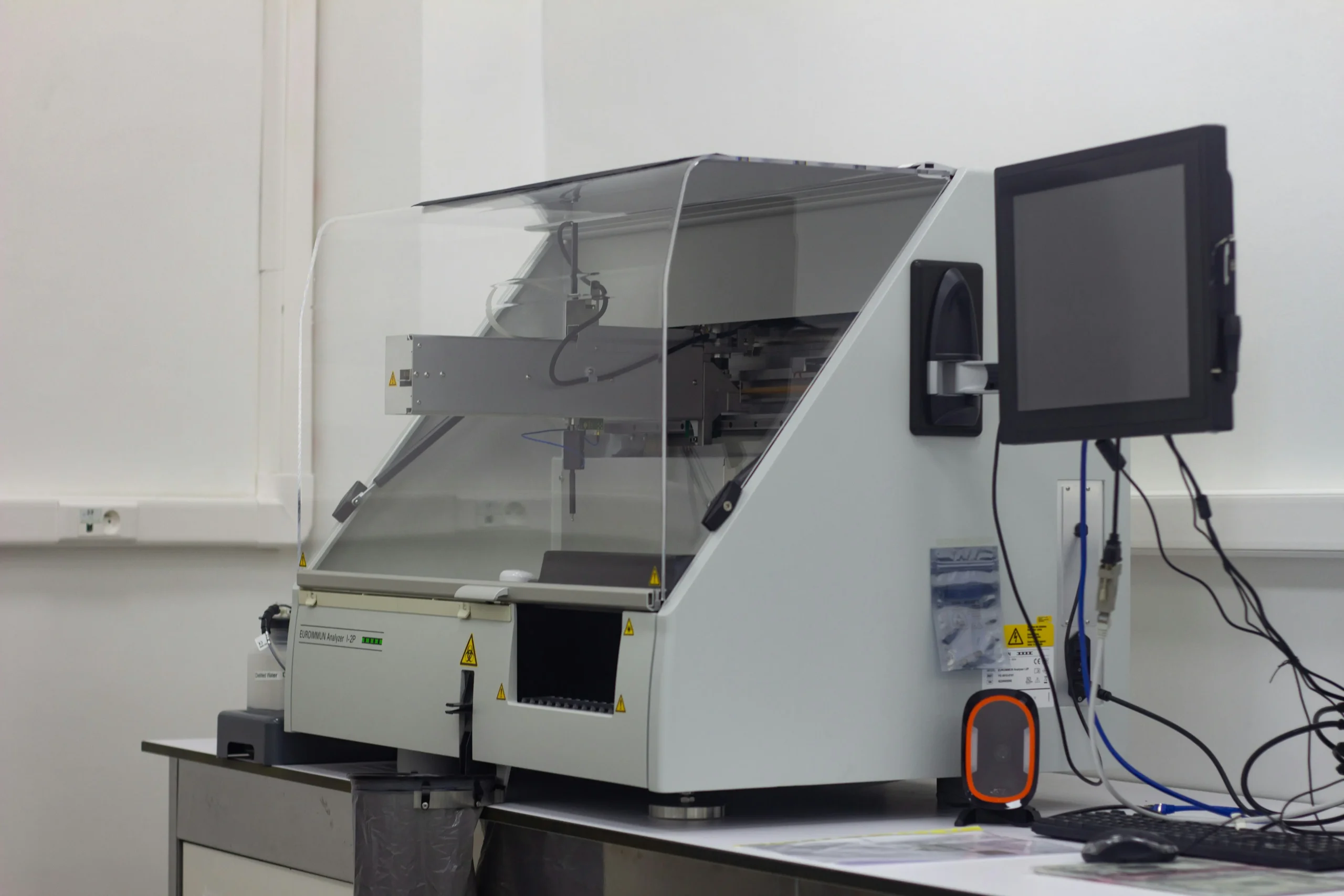
A mill test report records the fabric, the batch it came from, the test methods applied, and the values measured. For woollens and tweeds the two properties buyers most often need are abrasion resistance, which predicts how the surface holds up in wear, and breaking strength, which predicts whether the cloth tears under load.
Abrasion is the more commercially significant of the two for tweed. A jacket that pills or abrades at the elbow after one season generates returns, and the failure is visible on the garment rather than hidden in the weave. ASTM D4966, the Martindale abrasion test method is the reference most labs quote for this property, and it produces a number: cycles survived before a defined change in appearance. That number is what turns a durability claim into a specification line.
Breaking strength covers the other common failure: splits and tears under tension. It matters most where the fabric is used in linings, in structured garments, or in upholstery adjacent applications. Both properties belong in the same report because both end up in the same garment.
The relationship between yarn structure and surface failure is worth understanding alongside test results, because it explains why two cloths with the same measured abrasion value can age differently in wear; see yarn twist and ply in tweed pilling.
Two test routes are commonly confused here: abrasion resistance and pilling resistance measure different failure modes even though both are described as durability. The differences are set out in our comparison of Martindale abrasion and the ICI pilling box.
What the Report Leaves Out
A mill test report is silent on everything the fabric is not being tested for. Colour consistency between batches, hand feel, dimensional stability after steaming, shade match to the approved swatch, and the presence of foreign fibre are all real purchasing risks that a durability report does not address.
That gap matters most on repeat orders. A second production run can match every measured value on the report and still arrive with a cast that does not match the first run, because the report records physical performance rather than appearance. Appearance has to be controlled through the approved sample rather than through a test number, which is why the physical swatch you keep is not redundant documentation.
The report is also batch specific. A values sheet from a run six months ago describes that run. If the mill has changed a yarn supplier, altered the blend ratio, or moved production to a different loom set, the old sheet no longer describes what you are buying. Asking for the report to name the batch is therefore the single most useful habit a buyer can build, and it is the question that separates suppliers who hold documentation from suppliers who hold a folder of old PDFs.

Writing It Into the Purchase Order
The report becomes commercially useful when the purchase order names it. A line that says the goods must be accompanied by a test report for abrasion and breaking strength on the shipped batch, with acceptance values stated, converts a document into a term. Without the acceptance values, the report arrives and nobody can say whether it is good enough.
Acceptance values should reflect the end use rather than an aspirational maximum. A coat weight cloth for outerwear carries different expectations from a lightweight summer tweed, and setting a single high bar across both is one of the ways buyers create avoidable arguments at delivery.
The same logic applies to how the mill runs its own program. At Fursone, the 30 years of Wenzhou textile experience and the 300-loom capacity behind our tillverkning av ylletyg mean test data is generated as part of normal production rather than as a special request, and the documentation travels with the roll. Buyers evaluating any mill should ask whether that is true, because a mill that cannot produce a report on demand usually cannot produce one at all.
Reading a Report You Did Not Commission
Many buyers receive a report the supplier commissioned, which is useful but needs one extra step: check that the batch identifier on the report matches the batch identifier on the packing list. Mismatched identifiers are the single most common reason a report turns out to be unusable in a claim.
Where the report is critical to the program, an independent verification against the same methods removes supplier self-interest entirely. That costs a sampling round and a lab fee, and it is cheap relative to the value of the order it protects. The sequence that works is straightforward: name the property, name the method, name the batch, and state the acceptance value before the order is placed.
Vanliga frågor
Is a mill test report the same as a certificate?
No. A certificate usually asserts compliance with a scheme; a mill test report records measured values against named methods for a named batch.
Which test should I ask for first?
Abrasion resistance for garment tweeds, because pilling and surface wear are the failures customers notice. Add breaking strength where the cloth takes load.
Can a report be reused between orders?
Only if the batch is the same. If the yarn, blend or loom set changed, the report describes different goods.
Do stock orders come with reports?
Stock ships from held inventory. Ask for the existing batch documentation at the quotation stage, not after the goods land.
Video: Hidden Craftsmanship in Tweed Fabric
If your next tweed program needs a documented abrasion value rather than a durability claim, send the end use and the target weight to the team behind our tillverkning av ylletyg and ask for the batch documentation up front.

Relaterade insikter

Garment Filler and Stiffening: How Weight Changes a Tweed’s Hand
Two cloths can share a blend, a weight and a colour reference and still feel...
Twist and Ply: The Yarn Choices That Decide Tweed Pilling
When a tweed jacket pills after three wears, the complaint usually lands on finishing or...

Färggodkännande utan överraskningar: labbdips, vävskick och ljusbås
Color is the most common reason a tweed bulk run disappoints. Not because mills cannot...