

The quiet luxury cycle has moved the fashion signal off logos and onto material. Customers who once recognized a brand by hardware now read it from hand feel: a boucle that catches light unevenly, a tweed with visible yarn character, a finish that looks expensive at a touch. For brands planning 2026 lines, that shift changes the fabric conversation from color cards to texture strategy, and it changes the sourcing math, because texture is exactly where European pricing stops being the only option.
Why Texture Became the Signal
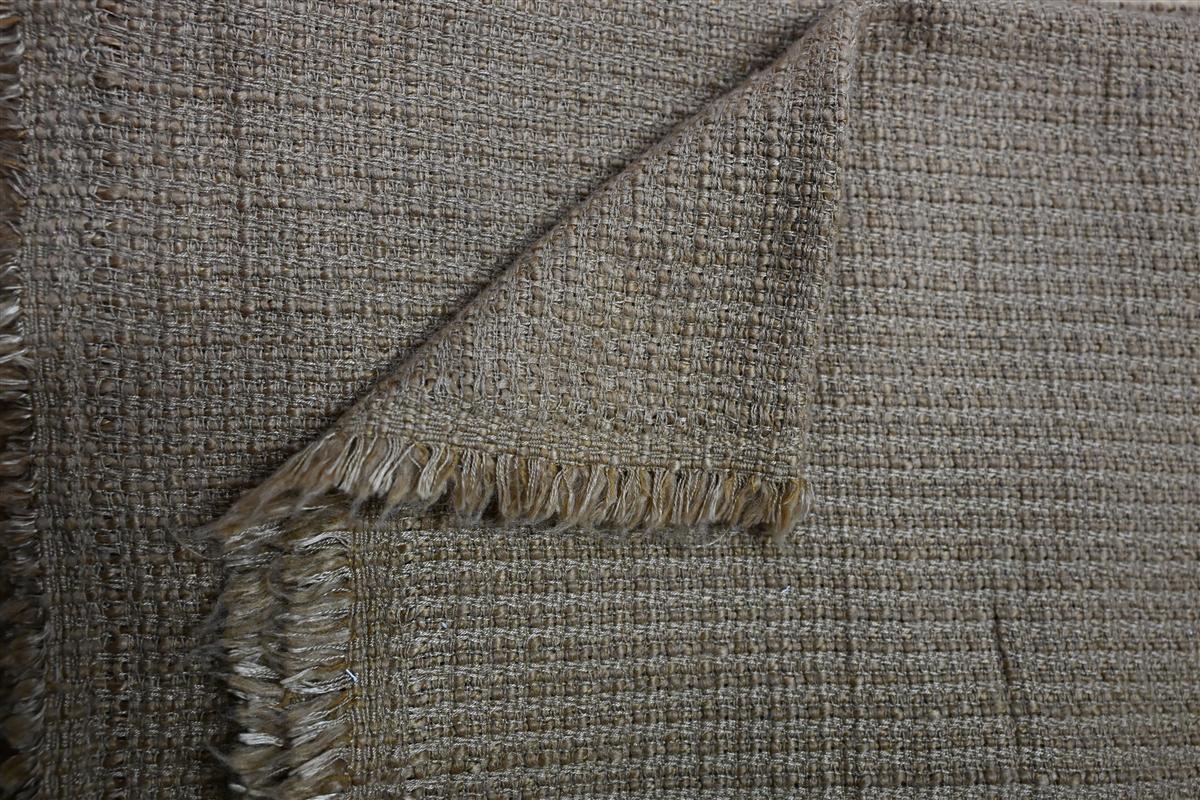
Quiet luxury is a consumer code for spending that does not announce itself. In practice it rewards materials with tactile and visual depth that photograph richly without branding: nubby weaves, uneven yarn surfaces, layered color from melange and marl effects. Tweed and boucle are almost purpose-built for this, because their value is structural rather than printed on. The commercial effect is measurable in assortment planning: texture pieces carry full-price longer, resist markdown cycles better than logo-driven product, and travel across age segments that a fitted logo item cannot. The palette side matters too, with softer neutrals doing the signaling; our read of tweed color direction och pastel and metallic thread moves both point the same way: quieter ground shades, texture doing the talking. The shift also changes photography and merchandising: texture needs raking light and movement shots to read on screens, and stores that once merchandised by logo now group by hand and weight. Brands that plan the fabric brief first find the campaign easier, because the material itself supplies the visual argument.
What the Shift Means for Fabric Selection
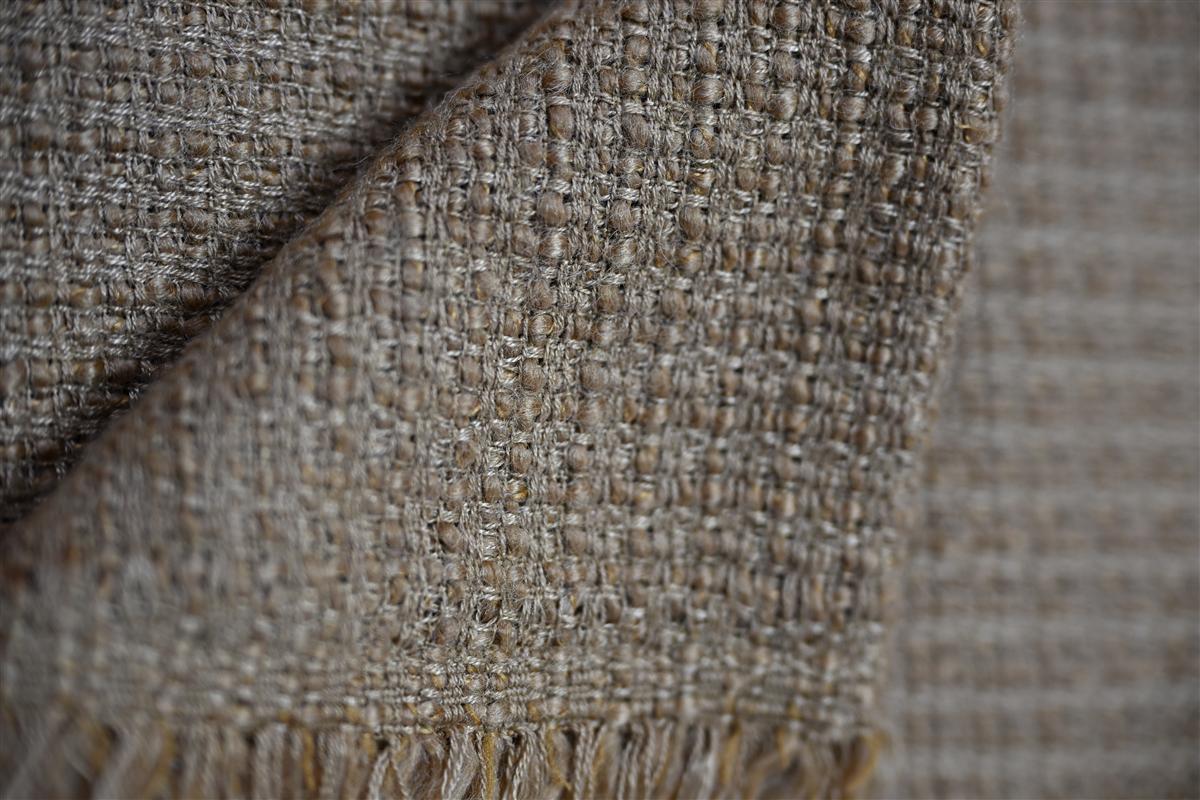
Under quiet luxury, the fabric brief changes in three ways. First, texture hierarchy replaces pattern hierarchy: instead of one hero check, ranges carry several near-plain textures that layer without competing. Second, surface details carry the premium: the metallic threads and sequin accents woven through classic Chanel-style boucle read as discreet luxury exactly because they sit inside the cloth rather than on it. Third, hand feel becomes a return criterion, because the customer touching the garment in-store is running the quality test the marketing cannot fake. This favors mills that can hold texture consistent across bolts, since a nubby weave that varies between rolls reads as defective rather than artisanal at retail. The breadth of the boucle fabric program exists for precisely this layering logic. Boucle’s loop structure even hides slight yarn irregularity inside character, which is one reason it anchors this space: the texture forgives what flat weaves expose.
The Sourcing Math Behind Accessible Texture
Texture-heavy cloth used to force a binary: European heritage mills at prices that cap retail margins, or compromises that read cheap in hand. The middle path is factory-direct production in Wenzhou with three decades of fancy-yarn practice: our pricing runs at roughly a third of European levels, custom constructions start from 1,000 meters, and a 100,000-meter ready stock program lets brands test a texture story in capsule volume before committing to custom runs. The quality question resolves the same way it always has, at sampling: hold the swatch, wash it, wear it once. Wool knowledge frameworks from bodies such as Woolmark help buyers interrogate fiber claims, and the mill audit does the rest. The outcome is a texture economy where mid-size brands can play in the quiet luxury space without heritage-mill minimums.
Planning a 2026 Texture Range
A workable 2026 range plan: build around three to five textures rather than ten prints, anchored by one hero boucle or chanel-style cloth, one melange tweed for tailoring, and one knit texture for jersey-adjacent pieces. Hold the palette to a tight neutral core with one accent, so the textures read as a collection. Sequence development so sampling starts early enough for two iterations, because texture hand is refined in round two, not specified perfectly in round one. And photograph the range on real bodies under real light, because texture sells through motion and touch cues that flat lays erase. Brands that treat texture as the collection architecture, rather than a fabric detail, will find quiet luxury is not a trend to chase but a structure their margins benefit from. Finally, price the line honestly for the segment: accessible luxury lives on the gap between how the fabric reads and what it costs, and factory-direct sourcing is what creates that gap. A texture range built on heritage-mill pricing has to retail high and sell slow; the same range on the right sourcing model hits both the aesthetic and the margin.
Vanliga frågor
Varför förknippas tweed med tyst lyx?
Its value is structural, texture and yarn character woven in, not printed on. That reads as quality at a touch without any branding.
Can smaller brands afford texture-heavy fabric?
Yes, by sourcing factory-direct. Custom constructions start at 1,000 meters and ready-stock programs allow capsule-scale testing before custom runs.
How do we keep boucle consistent across production?
Sample across multiple bolts, not one, and hold the mill to the approved swatch at inspection. Consistency is a process capability question.
What palette suits the quiet luxury direction?
Tight neutral cores with one accent shade, letting texture carry the interest rather than color or pattern.
Video: Tweed Fabric Trends from a Leading Manufacturer
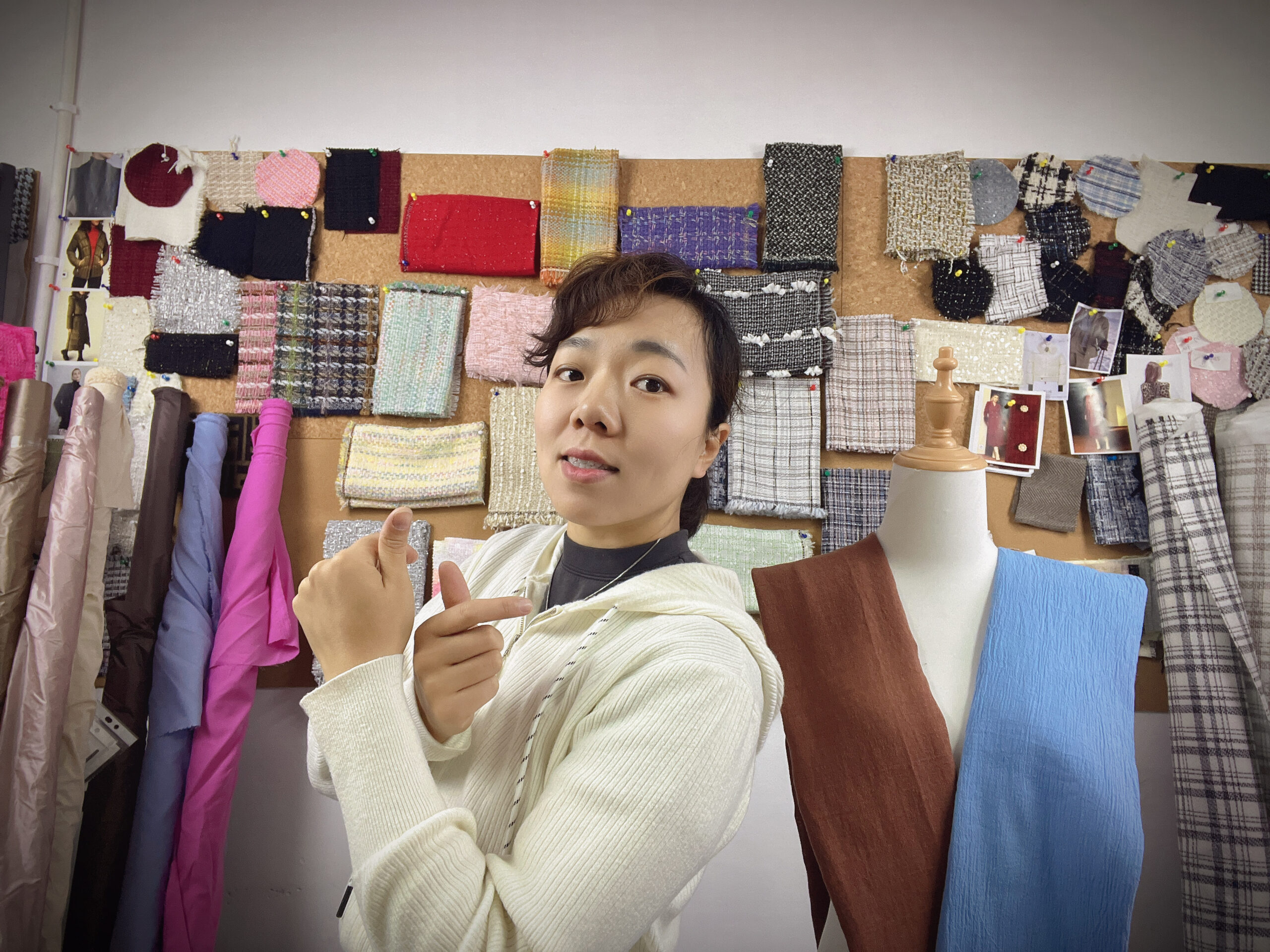
Planning a texture-led 2026 range? The team behind our boucle fabric program will put together hero-cloth options with ready-stock and custom routes priced side by side.
Relaterade insikter

Tweed och bouclé för våren 2026: lättare vikter och mjukare paletter
Tweed’s migration out of the winter wardrobe is now a settled pattern: buyers who once...

Bygg en höstkapsel kring ett enda tweedtyg: matematiken bakom sex plagg
Small fashion brands do not lose money on tweed because they picked the wrong color....

Program för tweedaccessoarer: kepsar, väskor och ekonomin i restbitar
The fastest-growing piece of many tweed programs is not the jacket. It is the 40-dollar...