
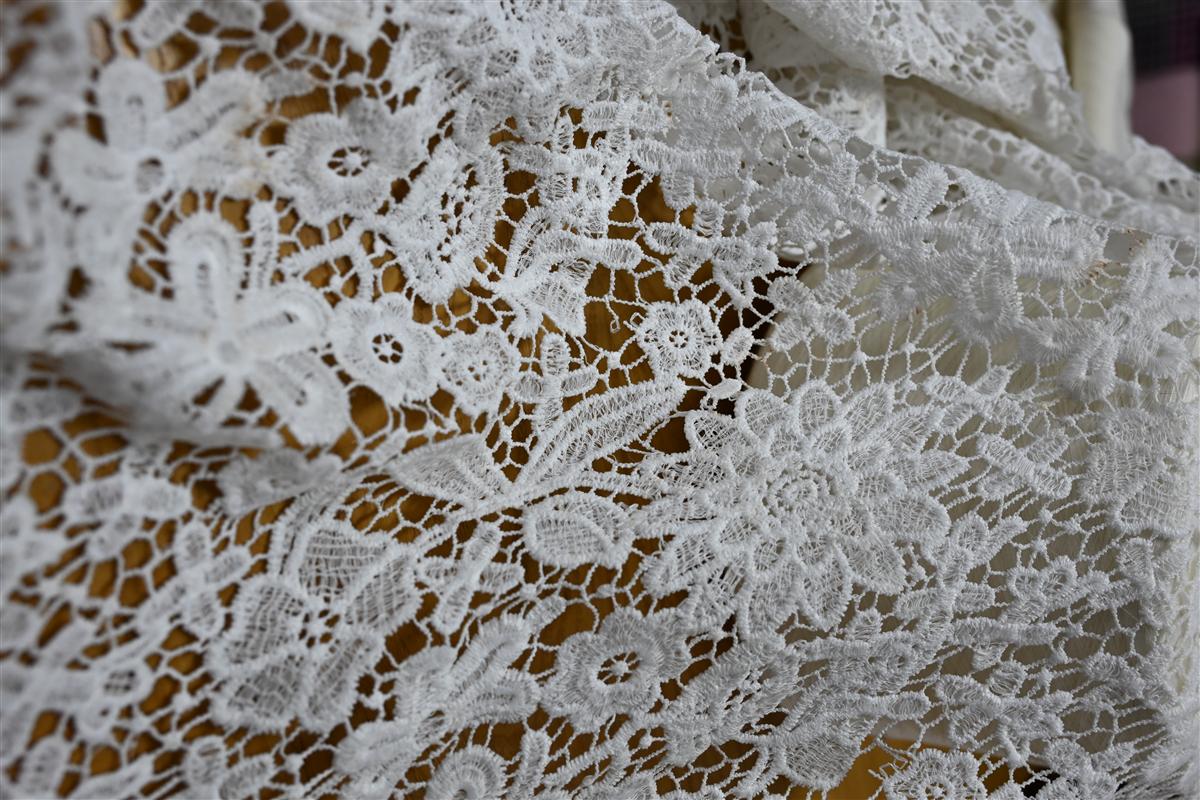
Seams that open beside the stitch line while the stitches hold are seam slippage, a fabric property rather than a sewing error, and the mill proves it either way with a seam-slippage test on the actual bulk lot. Stop the cutting and ask for three things: the slippage result at a stated opening, tested in both fabric directions, with the seam construction the test used; the yarn and construction comparison between the approved sample and the bulk lot; and the mill’s minimum seam allowance and stitch density for this cloth, written down, so the garment maker can confirm the pattern was cut for this fabric. The sample garment sewed beautifully and the bulk slips because the two cloths are not the same cloth, and the mill’s records are where that difference is hiding.
Slippage Is Not Seam Failure
Read the failed seam first, because it names the problem. A broken seam shows snapped thread and a torn stitch line. A slipped seam shows intact stitching with a gap opening beside it, yarns sliding away from the needle line until the two panels separate visually while remaining sewn. That is the fabric’s yarns moving under load, not the thread failing, and the distinction matters commercially: a sewing problem belongs to the garment maker, a fabric problem belongs to the mill, and slippage is a fabric problem by definition. The mechanics, a woven cloth’s yarns shifting at a line of holes under transverse stress, are the same behaviour described for any stitched joint in seams, and armholes are where a garment concentrates shear and flex in one place.
Slippage at armholes and side seams specifically is the body’s shear and stretch finding the weakest structure in the cloth, and the position tells you the load direction. Armholes stress the cloth diagonally through both directions at once, which is why they fail before hems do; side seams flex thousands of times a day at low load, which is why they fail slowly and invisibly until a fit room shows the gap. A cloth that survives the armhole test survives the garment, and the seam-slippage test exists precisely to run that survival in a laboratory before the cutter runs it on six hundred panels.
Why the sample never slipped and the bulk does is the real question, and it has four usual answers. The bulk weave is looser, more metres per hour on the loom, more slippage. The yarn twist or ply differs between lots, and a softer yarn both slips and pills more, the same yarn choice that decides pilling in tweeds, covered in how twist and ply decide tweed pilling. The finishing hand differs: a softer, fuller finishing leaves the structure more mobile. Or the bulk is a different weight class wearing the same pattern number, and the garment was engineered for a cloth the mill no longer makes. The mill’s own lot records answer all four, which is why the comparison is a records question before it is a testing question.
There is a fifth answer that arrives with the season rather than the lot: the garment maker changed the sewing specification between sample and bulk to hold a delivery date. Fewer stitches per centimetre, a narrower seam allowance at the armhole, a lighter thread. That change is invisible in the finished garment and decisive at the seam, and it is why the ask includes the mill’s minimum rather than assuming the maker’s settings. One question, what changed between the sample garment’s ticket and the bulk ticket, resolves it in minutes when the answer exists.
The Test That Settles It
The seam-slippage test is simple and decisive: sew a standard seam in the cloth, pull the two legs apart in a machine, and measure how far the yarns open at a stated force. Ask for it on the bulk lot, in both directions, warp and weft, because slippage is directional and armholes stress the cloth diagonally through both. Ask that the report state the seam construction used, seam type, stitch density, thread, seam allowance, because a slippage result without a seam is a number without a context. And ask for the same test on a swatch of the approved sample, run in the same session, so the comparison is between two measurements rather than between a measurement and a memory.
With both numbers in hand, the conversation has three possible shapes, and each is honest. If the bulk passes and the sample passes similarly, the slippage is a garment-making variable, stitch density, seam allowance, thread, or pressing, and the garment maker is now in the conversation with evidence instead of blame. If the bulk fails where the sample passed, the lot differs from what was approved, and the claim is a records exercise. If both fail against what the garment needs, the cloth was never suitable for this pattern, which is an uncomfortable answer but a cheap one at the cloth stage rather than the returns stage.
The Garment Side of the Same Conversation
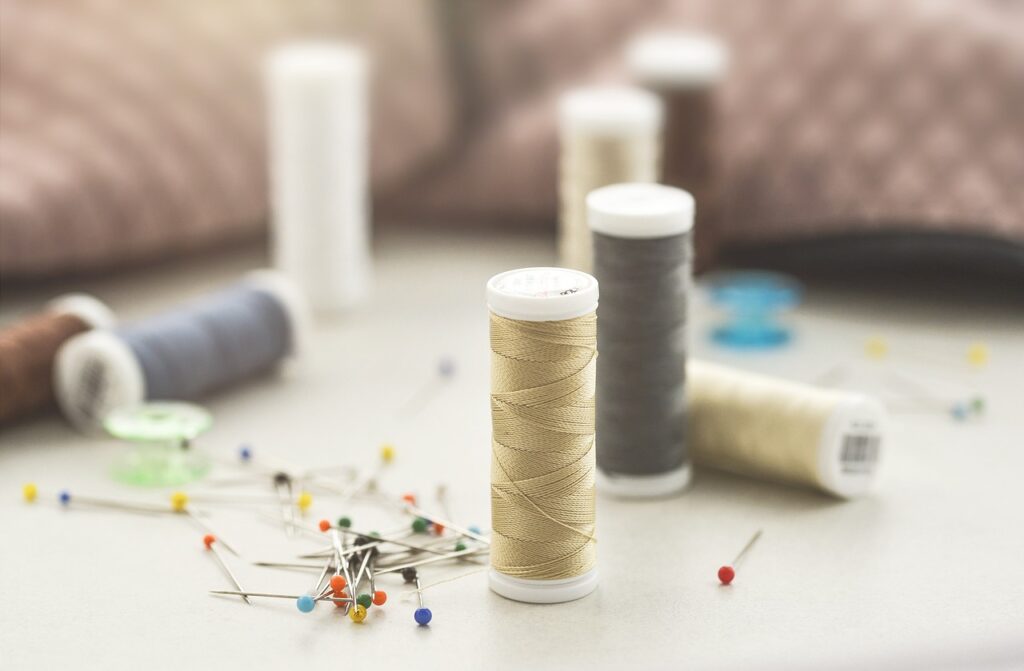
Fabric that is marginal will still sew satisfactorily if the garment is engineered for it, and this is the constructive half of the slippage conversation. Wider seam allowances at the armhole and side seam give the yarns further to travel before they escape the stitch line. Higher stitch density, within the cloth’s tolerance for needle damage, pins the yarns closer together. A stay tape or a strip of interlining fused along the seam line, the same fusing discipline tested before bulk cutting in testing cloth with its actual interlining, stops yarn migration mechanically. None of these rescues a cloth that fails badly; all of them turn a marginal cloth into an acceptable garment, and the mill’s recommendation, asked in the same letter, tells you which situation you are in.
The pattern itself carries a share of the answer, which is why the pattern cutter belongs in this conversation from the start. A tightly curved armhole in a loosely woven cloth concentrates slippage exactly where the curve is tightest, and a small change in the drafting, easing taken differently, the seam rotated a few millimetres, sometimes removes the failure without touching the cloth or the sewing. The sequence that works is: mill’s minimum specification, maker’s current settings, pattern geometry, in that order, because each is cheaper to change than the one after it. Skipping to the last one, redrafting the pattern around an unknown cloth, is how a whole season gets built on an accident.
Ask the mill one more question while the cloth is held: their own minimum specification for this construction. Mills know the seam allowance and stitch density their cloths need, because they sew their own swatches when they test. A written line, this cloth sews at a minimum seam allowance of X with at least Y stitches per centimetre, costs the mill nothing and gives the garment maker a standard to hold, and it puts half the responsibility back where the cloth knowledge lives.
The Cloth Already Cut and Sewn
Garments already made from the slipping lot are triaged by seam and by wear. The failing positions are known, armholes and side seams, so the maker can reinforce exactly there: a second stitch line, a taped seam, or a hand-slip stitch closing the opened gap before it spreads. Sort the stock by whether the seam has started to open, because a slipped seam that is caught early re-sews cleanly while one that has travelled tears the cloth beside the line and cannot be invisibly repaired. Photograph representative failures next to the stitch line before any rework, because the intact-stitching detail is what keeps this a fabric conversation rather than a sewing argument with the maker.
The commercial split follows the test. Cloth that failed where the sample passed is claimed against the lot, and the mill’s credit prices the rework or the replacement cloth. Cloth that passed, with the garment maker’s settings confirmed against the mill’s minimum, belongs to the maker’s process to correct, and the maker’s own cost of re-sewing is the honest number to compare against a fabric change. Either way, the decision is documented with the test reports attached, and the next order inherits the specification line rather than the argument.
Lines for the Next Order
Four lines carry the whole fix. A seam-slippage result on production cloth per lot, both directions, with the seam construction stated, against a grade the garment maker signs off as sufficient for the pattern. The yarn and construction record per lot, with changes from the approved sample flagged before shipping. The mill’s minimum seam allowance and stitch density for the cloth, written into the order and forwarded to the cutting room. And the first garment off each bulk lot, sewn, pressed and worn-flexed by hand before the balance is cut, the garment-side gate that matches the mill’s cloth-side gate. With those lines in place, a looser weave announces itself in a laboratory on a Tuesday, instead of in your customer’s armhole on a Sunday afternoon.

Relaterade insikter
Shrink vs Stretch Returns: Separating Cloth From Care
A shrink-versus-stretch attribution is a controlled comparison that separates cloth change from care change on...
Lab Dip Close to Pantone: What to Sign Before Bulk Dye
A lab dip approval is a signed colour standard that freezes dye recipe, substrate, illuminant,...
Merino Is Not a Fibre Name: Labelling a Wool Coat for Two Markets
A wool coat sold in both markets needs two different fibre lines, and the words...