
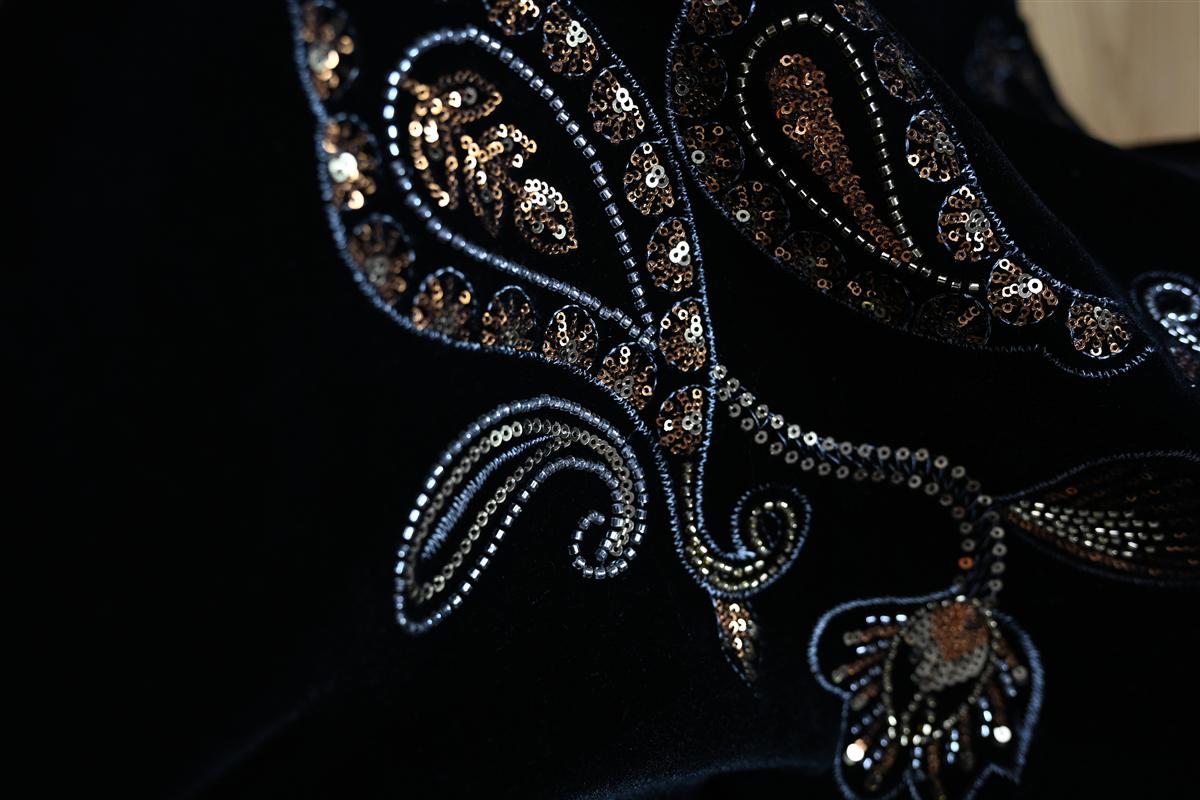
An under-collar reading paler than the front is a pairing fault, and the pairing is settled by a panel set, not an adjective. The panels which must come from one roll are the pieces meeting at an opening when the coat is worn open: the two fronts, the upper collar, the under-collar and the front facings. Linings, pocketing, interlining and under-layers which never show can travel on a second roll. According to Shade Variation in Garments, a reference updated on 30 September 2026, shade variation within a single garment is usually a major defect. One roll removes the difference between rolls. One roll does not remove the difference inside itself, because shade drifts across the width and along the length. The workable rule carries three parts: a zone beside the roll, a marker ticket recording both, and a delivery check with the front held open. Five steps follow.
Where Does a Pale Under-Collar Actually Come From?
Why Does the Fault Only Appear When the Front Is Open?
The fault appears at an opening because the under-collar is hidden in wear and exposed the moment the front is open. The under-collar sits behind the upper collar and turns out beside the lapel, so the comparison a customer makes is between two surfaces meeting at a seam and travelling in different directions. Shade variation has four places to live, and the technical reference separates them: within a garment, between garments, within a roll, and against the approved standard. Only the first produces a paler leaf on a coat cut from one lay. First, decide which comparison the customer is making. Second, write the comparison down as a viewing condition. Third, accept that no inspection at the roll reproduces the view. In practice, a roll checked flat on a table answers a question about the roll, while the customer asks about two surfaces beside each other.
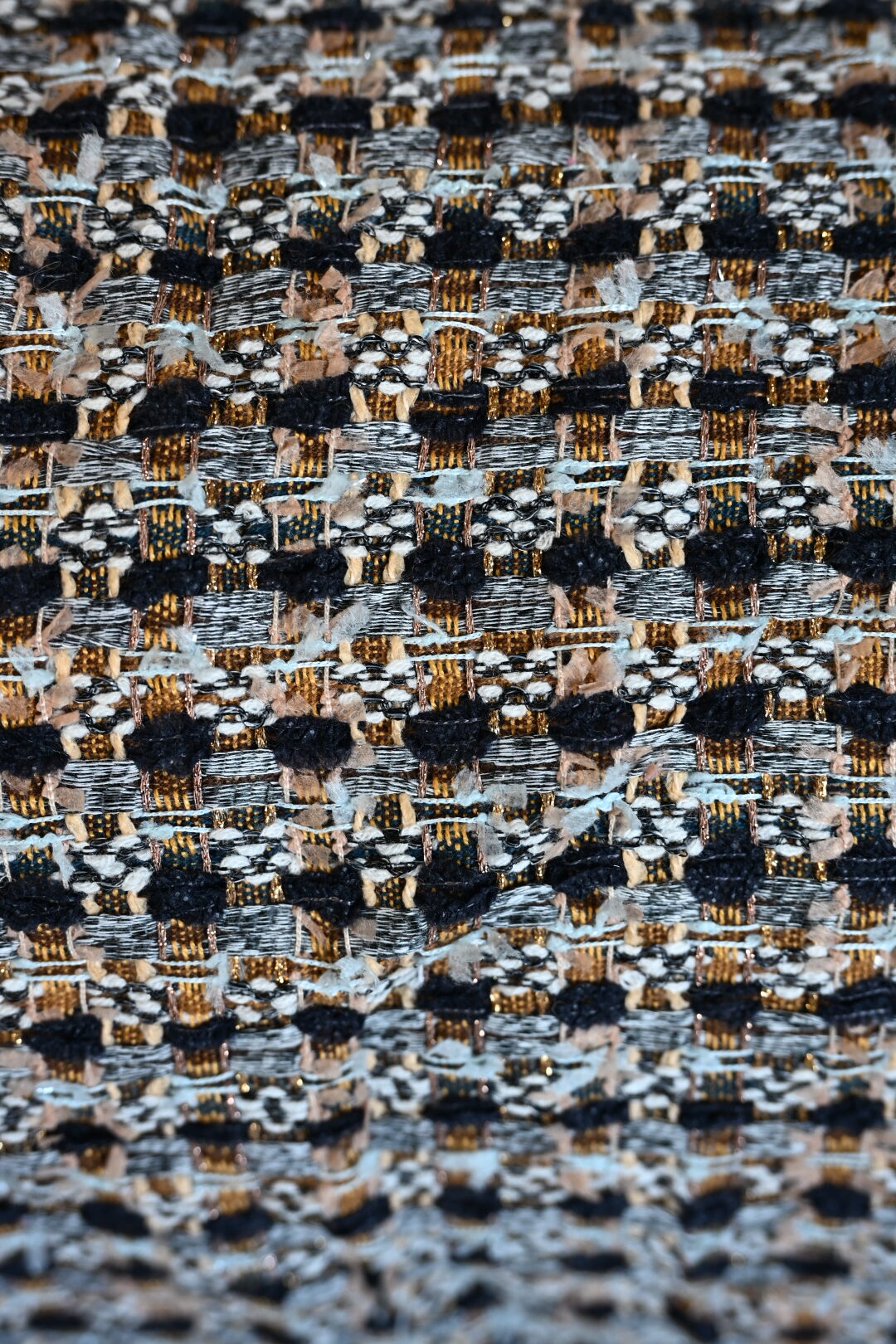
Where Can the Pairing Still Be Controlled?
Control sits in three places, and each place owns a different decision. The roll owns the band, because a roll carries one dye lot and one shade band. The ticket owns the assignment, because the ticket says which panel came from which roll and which zone. The opening owns the verdict, because the verdict is a comparison made under a set light. Nothing earlier in the chain sees the pairing, and nothing later can undo a cut panel. First, put the roll and band on the ticket rather than in an email. Second, keep the collar group as one assignment which cannot be split. Third, make the opening check the release point rather than a final inspection note. In practice, a factory able to name the roll behind each panel can re-cut one panel; a factory unable to name the roll re-cuts a garment.
What Can One Roll Promise, and What Can It Not?
One roll promises one dye lot and one shade band, and the promise stops there. The technical reference lists within-roll variation as its own category, side to centre to side or beginning to end, so a roll is a band rather than a colour. Two directions carry the risk. Across the width, left edge and centre can sit in different readings, so a wide marker places one panel in each. Along the length, head and tail can differ, so a garment cut at the roll’s end meets one cut at the start. According to Shade Variation in Garments, a lot difference is corrected by shade grouping against a lot proof, while within-roll variation goes back to the mill. First, treat the roll as a band. Second, treat the band as zones. Third, write the zone on the cut order. In practice, a pair from two zones of one roll is the same defect with a better alibi.
Step 1: What Goes in the Panel Table?
Step 1 writes the panel table, because a rule needs named objects before a factory can enforce anything. Four columns carry the table: the panel, whether the panel must share the body’s roll, whether a second roll of the same band is allowed, and where the panel is visible in wear. One row per panel: fronts, back, sleeves, upper collar, under-collar, facings, belt or waistband, pocket flaps and welts, and a concealed group of lining, pocketing and interlining which may travel separately. The row deciding the argument is the under-collar, because the under-collar shows only when the front is open. First, fill the table from the pattern pieces rather than from memory. Second, mark the collar group as one set which cannot be split. Third, send the table with the cut order. In practice, a table with no concealed row forces a factory to break the rule.
Step 2: Why Does a Matching Pair Need a Zone?
Step 2 adds the second axis, because a roll number without a zone permits a mismatch. The rule for two panels meeting at an opening reads: same roll, same width zone, same end of the roll. A zone is a band of the width which the marker treats as one colour, and the boundary is a cutting decision, not a mill claim. Narrowing the zone consumes metres, because a narrow band yields fewer panels per metre; widening the zone saves metres and buys a visible pair. First, choose where the two must-share panels sit in the marker. Second, record the choice as a zone rather than as an intention. Third, put the extra consumption on the buyer’s line. In practice, a pair from the centre and the edge of one roll matches on paper and fails at the opening, and the usable width at the selvedge decides how much zone a marker can use.
Step 3: What Must the Marker Ticket Carry?
A marker ticket is the document tying each cut panel to a roll and a zone, and six fields make the tie checkable. The fields are: the roll number and band against each panel; a matched-set flag on the collar, under-collar and facing group; the ply mapping which says which plies came from which roll; the one-way direction instruction, with the metres a one-way lay books already agreed; the approved roll-change point, where allowed; and the signatures. The reference page names a ticket without shade or roll information as a cause of a mixed garment, and traces a mixed bundle back to the lay and rolls. First, print the fields on the factory’s own ticket. Second, refuse a bundle carrying a lot but not a roll. Third, keep the ticket with the bundle through sewing. In practice, a mixed-roll bundle belongs on hold rather than on the line.
Step 4: What Is the Roll-Change Rule?
Step 4 writes the roll-change rule, because a change of roll inside one garment is a buyer’s decision and not a cutter’s judgement. The rule has three parts: who may approve a change, in what form, and what happens to metres already cut under an unapproved change. The alternative is re-marking, either a narrower marker or an extra lay, which consumes metres and keeps the set intact. First, name the approver in writing. Second, require the approval before the spread rather than after the cut. Third, write the disposition line for a garment already carrying two rolls: release, hold, re-cut the panel, or sort. In practice, an approval given by telephone is not a record, and a record is the only thing surviving the shipment. A change approved after the cut leaves a garment no later process can match.
Step 5: Where Does the Delivery Check Happen?
Step 5 puts the check at the opening rather than at the roll, because the exposure condition is the product. The check holds four constants: the front open, the under-collar and facing turned out beside the body, one raking light at a fixed distance, and one assessor. Conditioning belongs there too. ISO 139 names a textile testing atmosphere of 20 degrees Celsius and 65 percent relative humidity, and cloth fresh from a warm table reads differently from cloth which has stood in that air. First, run the check on the garment as sewn, because a pressed opening reads flatter than a sewn one. Second, photograph the opening with the ticket in frame. Third, record three items: ticket numbers against rolls used, a control piece from the lot, and the disposition. In practice, an assessor who has just graded the roll is the wrong person to open the coat.
What Will the Grey Scale Not Do Here?
What Was the Grey Scale Written For?
A grey scale is an evaluation procedure for colour change resulting from a colourfastness test, and a panel comparison is not a colourfastness test. AATCC EP1 states the scope without decoration: the procedure describes the use of a Gray Scale for visually evaluating overall color change resulting from colorfastness tests, and color change due to any colorfastness test may be evaluated. So the scale is written for a specimen against a control, not for an under-collar against a front. First, read the scope sentence before borrowing the scale. Second, quote an acceptance number as the buyer’s rather than as a universal limit. Third, keep a grade out of the ticket, because a grade invites an argument nobody in a cutting room can defend. In practice, the buyer’s vendor manual is the document which supplies any number.
What Should the Ticket Carry Instead?
The ticket should carry a master swatch and a viewing condition, because a swatch is evidence and a grade is an opinion. The master is a piece of the approved roll, sealed, dated and signed, and the master travels to the opening with the ticket. The viewing condition is written beside the master: one light source, one distance, one assessor, the front held open. First, seal the master from the roll actually cut. Second, record the light and the distance rather than the name of a room. Third, keep one control garment from the lot. In practice, two assessors under two lamps can disagree without either being wrong, and a ticket cannot settle a disagreement it never recorded. Where a buyer’s manual prints an acceptance clause, quote the clause as the buyer’s and attach the page.
What Do the Five Steps Produce?
What Does the Set Deliver?
The set delivers four documents and one habit, and the habit is the part which survives a change of factory. The documents are the panel table, the zoned cut order, the six-field marker ticket, and the delivery record with a photograph. The habit is a roll number written on the ticket before the spread and checked at the opening. Two things stay outside the scope of this page, deliberately. The page will not say how many rolls an order may use, because that number belongs to the marker and to the buyer’s acceptance language. The page will not promise that a sorted delivery is a matched one, because sorting moves a garment out of the release, while matching is decided before the cut. First, keep the four documents. Second, keep the habit after the documents are filed. Third, re-check the habit on the next order.
The Closing Table
The closing table is the page a production manager opens before the spread. Each row names one step, the document produced, the sentence to write, and the signature which makes the sentence binding. Read the last column first, because a row without a signer is a row nobody owns.
| Step | Document it produces | Sentence to write | Who signs |
|---|---|---|---|
| 1 Panel table | Panel-to-roll table, one row per panel | Fronts, collar, under-collar and facings share one roll; concealed pieces may travel. | Production manager and buyer |
| 2 Zone | Zoned cut order | Two must-share panels: same roll, same zone, same end of the roll. | Buyer and marker planner |
| 3 Ticket | Marker ticket with the six fields | Roll and band against every panel; collar group not to be split. | Cutting room supervisor |
| 4 Roll change | Written change approval | No change of roll inside a garment without written approval. | Buyer’s production office |
| 5 Delivery check | Release record with a photograph | Front open, one light, one assessor, ticket in frame. | Assessor and brand QA |

Relaterede indsigter

The Stockist Wants Their RN on the Roll: Whose Number?
The refusal on the dock is a receiving rule, not a statutory one, and the...

Underarm Stains: Which Sweat Test Goes on the Order?
Colour fastness to perspiration is the test missing from a report pack that covers rubbing...

The Finishing Line Is Booked: Can You Approve Greige?
Greige is cloth exactly as it leaves the loom, and a greige approval is a...