
Two knitting mills can both quote a single jersey at 180 grams and deliver fabric that behaves differently, because gauge and diameter describe the machine rather than the cloth. A buyer who specifies only weight in grams per square metre has left the important variables to the supplier, and will find out at the cutting table.
Gauge, diameter, yarn count and loop length work together. This guide explains what each number controls, why the same nominal quality comes out different between mills, and which parts of the specification belong in a purchase order.
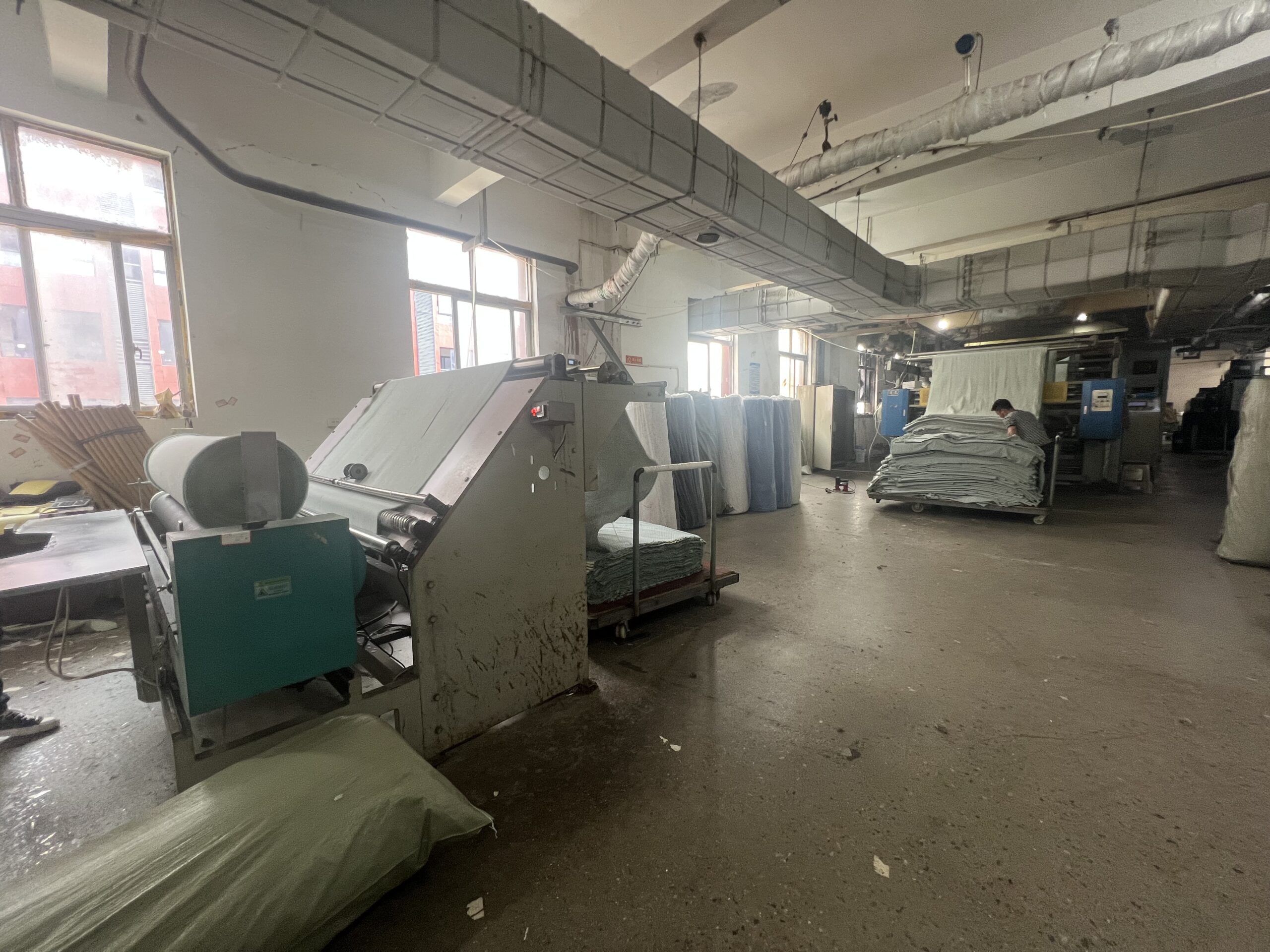
Gauge Is a Fineness, Not a Grade
Gauge counts needles per inch around the machine. A 24-gauge machine has finer needles set more closely than a 12-gauge machine, which means it can knit finer yarn and produce a smoother, lighter surface. A 12-gauge machine takes thicker yarn and produces a heavier, more textured face.
The common misunderstanding is that a higher gauge is better. It is not: it is a match or mismatch with the yarn and the intended hand. Forcing a coarse yarn onto a fine-gauge machine causes needle damage and drop stitches; running a fine yarn on a coarse machine produces a loose, open fabric that will not hold shape.
This is why a specification should name the yarn count alongside the gauge. Yarn count and gauge are a pair, and a supplier asked to match a competitor’s sample will normally reverse-engineer the pair from the fabric rather than from the machine plate.
Diameter Sets the Tube, Not the Width
Machine diameter defines the circumference of the knitted tube in the grey state. Since most single knit fabric is finished open width, the diameter sets a starting point rather than the delivered width. Finishing, relaxation and stentering then decide the final width, and the finished width is the number that belongs in the contract.
Two consequences follow. First, a spec that states only a finished width without a tolerance invites a shrinking-claim argument later, because knit fabric moves during finishing and again after the first wash. Second, changing diameter to chase a width is usually the wrong lever: adjusting the finishing route is cheaper and less disruptive to the knitting programme.
Shrinkage behaviour is a property of the yarn and finish as much as the machine, and the pre-shrinking and relaxation route is what stabilises it. Our notes on shrinkage control in knit manufacturing cover the sequence that keeps finished width and length predictable.

Why Two Mills Quote Different GSM
Grams per square metre is an outcome, not a setting. It results from loop length, yarn count, machine tension, yarn feed rate and the finishing relaxation applied afterwards. Two mills given the same nominal quality will land on different finished weights if any of those five differ, and each will consider its own number correct.
Loop length is the variable buyers most often overlook, because it does not appear on a quotation. It describes how much yarn is consumed per stitch, and it controls both weight and extensibility. A longer loop at the same yarn count gives a lighter, stretchier fabric; a shorter loop gives a denser, firmer one. Two fabrics at the same GSM can therefore feel completely different.
The practical protection is to specify weight with a tolerance and to require a physical swatch at the approved weight before a bulk run. Comparing swatches is faster than arguing about numbers, and it catches the case where both parties are correct about different measurements.
The Fibre Question Sits on Top
Fibre choice interacts with everything above. Finer micron wool allows a finer gauge for next-to-skin knitwear, which is why the micron number matters more than the brand name of the fibre. Cotton behaves differently again, and the choice between virgin and recycled fibre affects both the achievable count and the hand of the finished fabric, as the comparison of organic and recycled cotton knits sets out.
Blends add a further variable because the fibres behave differently through knitting and finishing. A wool and viscose blend can reach a target weight and hand that neither fibre achieves alone, but the blend ratio becomes a specification line that must be held across batches, not merely approved once on a sample.
Testing supports the specification rather than replacing it. Standard test methods for fabric weight, width, shrinkage and pilling are published by bodies such as ASTM-Prüfnormen für Textilien, and naming the method and the acceptance value in the order is what makes a claim enforceable.
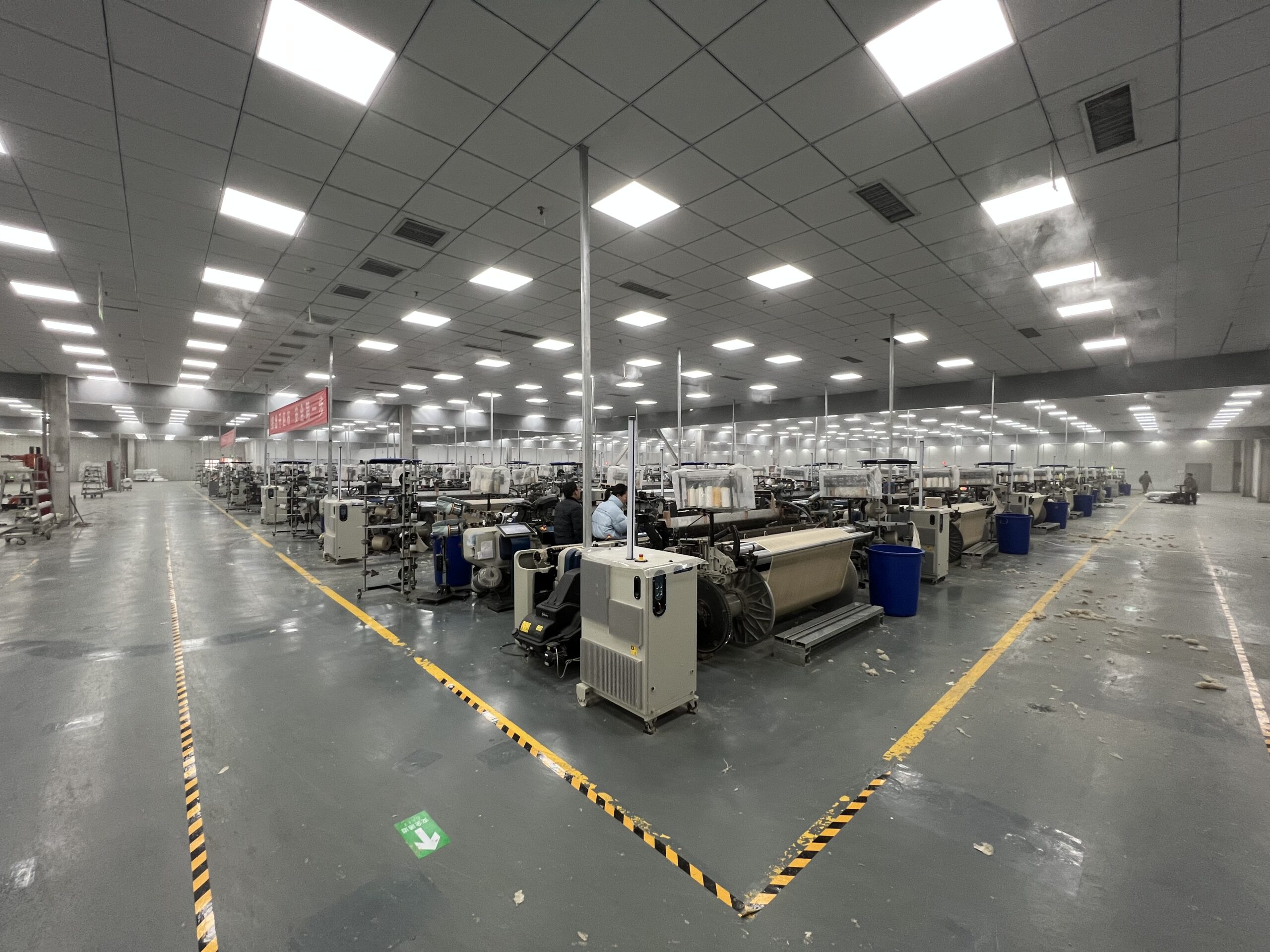
Writing the Specification
A knit specification that survives production names eight lines: fibre and blend ratio, yarn count, gauge, machine diameter, finished weight in grams per square metre with tolerance, finished width with tolerance, loop length or an approved swatch reference, and the finishing route including relaxation.
Where a mill cannot or will not state loop length, an approved physical swatch becomes the reference, and the order should say so explicitly. A swatch is a legitimate specification instrument provided both parties keep the same one, which is a golden sample discipline rather than a one-off courtesy.
Finally, decide which lines are negotiable. A supplier substituting a compatible yarn on a colourway is a different event from a supplier changing gauge to make a schedule, and the two should not be treated the same way in the agreement. Buyers who want the specification built around a specific end use can build it with our knit manufacturing team before sampling rather than after.
Häufig gestellte Fragen
Is a higher gauge better quality?
No. Gauge is a fineness that must match the yarn and the intended hand. A fine yarn on a coarse machine gives an open fabric; a coarse yarn on a fine machine damages needles.
Does machine diameter determine the finished width?
No. Diameter sets the grey tube circumference. Finishing, relaxation and stentering decide the delivered width, which is the number the contract should state with a tolerance.
Why do two mills deliver different GSM for the same quality?
Because weight is an outcome of loop length, yarn count, tension, yarn feed and finishing relaxation. All five must match for the weights to match.
What is loop length and why does it matter?
It is the yarn consumed per stitch. It controls both weight and extensibility, and two fabrics at the same GSM can feel completely different because of it.
What should a knit specification include?
Fibre and blend ratio, yarn count, gauge, machine diameter, finished weight and width with tolerances, loop length or approved swatch, and the finishing route including relaxation.
Video: A Sustainable Journey Together at Fursone Textile
If a knit quality keeps arriving at the wrong weight or hand, send the specification and a swatch. The knit team will identify which of the five variables is drifting and put it in writing for the next order.

Verwandte Einblicke

Rib Knit Trims for Cuffs and Waistbands: 1×1, 2×2 and Tubular Compared
A cuff that opens up after three wears is almost never a fit problem. It...

Fibre Diameter and Micron: What the Number Means for Next-to-Skin Knitwear
Ask a knitwear buyer what makes a sweater comfortable and the answer usually comes back...

Moisture-Wicking Knits: Sources, Test Methods and Durability
Moisture-wicking is one of the most quoted claims in knitwear and activewear sourcing, and one...