Een oprichter die ik mentorde, heeft het saldo van een aanzienlijke bestelling van gerecyclede kasjmier truien overgemaakt zonder een goede externe audit van een GRS-certificeerbare breimolen. pre-production sample had the right handfeel and color depth, so she signed off. Six weeks later, the mass production sat in her London warehouse with a noticeably coarser gauge and pills forming after three wear tests. The mill’s scope certificate had been valid — but the sample approval process didn’t tie into what actually ran on the knitting floor.
A GRS certificate on paper tells you a third-party audit happened at some point. It doesn’t tell you if the post-consumer polyester bales you saw in a photo are the same ones feeding today’s production or if the chemical management plan is actually followed by the night shift. When you can’t walk the factory floor yourself, the verification shifts to documents, live video discipline, and knowing which quality tolerances to benchmark against FOB pricing so you’re comparing like for like.
Voordat je die eerste videogesprek plant, doorloop je drie ja/nee-vragen met de molenmanager: (1) Kunt u mij nu een willekeurig geopende baal uit uw kwaliteitscontroleproces in het opgeslagen post-consumer gerecyclede opslaggebied laten zien? (2) Heeft u een transactiecertificaat dat overeenkomt met de exacte partijnummers die in mijn bestelling worden voorgesteld? (3) Gaat u akkoord met een steekproef door een derde partij voor de vezelsamenstelling van de eerste productierun, op uw kosten als deze faalt? Een enkele aarzeling bij een van deze vertelt u meer dan een gepolijst auditrapport. Het script voor de externe audit dat volgt, leidt u stap voor stap door hoe u dat gesprek moet voeren, zodat er niets verloren gaat tussen de garenwinkel en de uiteindelijke doos.

Why Remote Audits Are Now Acceptable
Paper certificates alone won’t protect your brand from greenwashing accusations.
Before 2020, I wouldn’t have signed off on a new knit mill without walking the dyehouse floor and counting the fire extinguishers myself. The pandemic killed that luxury. But it also forced the industry—brands, auditors, and mills—to build a verification stack that, in 2026, is nearly as rigorous as boots on the ground. Third-party firms like SGS and QIMA now run structured remote audits using live video, screen-shared document reviews, and even worker interviews via encrypted apps. A well-executed remote audit isn’t a compromise; it’s a different tool that, used correctly, exposes more than a staged on-site visit where the mill had three days to tidy up.
Als u GRS-certificeerbare breistoffen betrekt, moet u precies begrijpen wat de norm al valideert voordat u tijd verspilt met het opnieuw controleren van wat onafhankelijk is geverifieerd. Een geldige GRS scope certificate (SC) confirms the mill has a documented traceability system, a segregation or mass-balance model, chemical management policy, and social compliance procedures. The certificate proves the “capability to comply,” not “compliance on every order.” That gap is where remote verification earns its keep.
- What GRS already validates (don’t duplicate effort): Scope certificate status against the Textile Exchange database; existence of a documented recycled content supply chain; chemical inputs screening against the GRS restricted substances list; basic social criteria alignment.
- What you still need to verify yourself via remote audit: Physical segregation of post-consumer raw material bales from virgin stock; worker awareness of GRS handling procedures (ask a forklift operator, not just the compliance manager); real-time production line check for cross-contamination; spontaneous label-opening of raw material bales to confirm the bale matches the transaction certificate.
I’ve watched mill managers turn pale on a video call when I ask them to walk the camera to the yarn storage area and slit open a random bale. A legitimate GRS operation has nothing to hide—the bale is clearly labeled with the supplier name, recycled content percentage, and certification body logo. If the area looks disorganized, if bales are stacked without clear segregation, or if the manager suddenly develops a camera malfunction, that’s your compliance verdict right there. No scope certificate can undo that moment.
Pre-Audit Document Checklist
Documents alone won’t stop greenwashing—you need to know how to read them.
Een echte GRS-certificeerbare breimolen heeft drie documenten klaar. Als een leverancier aarzelt of verouderde bestanden stuurt, behandel dat dan als een weigering. Begin met het Scope Certificate (SC) en Transaction Certificate (TC). Het SC geeft precies aan welke producten, processen en onderaannemers worden gedekt. Het TC bewijst dat een specifieke partij gerecycled materiaal via gecertificeerde handen is gegaan. Vraag de PDF op en controleer deze live in de Textile Exchange-directory. Een geldig certificeringsnummer dat niet in die database verschijnt, betekent dat het certificaat is opgeschort, verlopen of nooit is afgegeven.
- Scope Certificate (SC): Download het certificaat, noteer de certificeringsinstantie (bijv. een geaccrediteerde certificeringsinstantie, ICEA), en verifieer het onafhankelijk op https://textileexchange.org/certification-directory. Het SC moet breistoffen en de exacte garentypes die u koopt vermelden. Als ‘stoffen’ vaag is of geen gerecyclede inhoud vermeldt, is de molen mogelijk alleen gecertificeerd voor garenhandel, niet voor productie.
- Transaction Certificate (TC): A TC is needed per shipment. Ask for a sample TC from a recent order. Check that the ‘Outgoing Product’ matches the yarn composition you’ll receive. If a mill claims GRS status but can’t produce a TC for its last three shipments, assume recycled material is not properly segregated.
- BSCI or SMETA Social Audit Report: GRS requires a social audit but doesn’t mandate a specific standard. BSCI and SMETA are widely accepted. Demand a report issued within the last 12 months. Open the PDF and scroll to the findings. Even one ‘Zero Tolerance’ issue (child labor, forced labor, life-threatening safety) invalidates the audit. A report with only minor non-conformities is normal; a completely clean sheet from a low-cost mill is suspicious.
- Chemical Management System Description: This document proves the mill follows a ZDHC MRSL-compliant chemical input policy. It should name the chemical inventory system used (e.g., BHive, CleanChain), list the dye and auxiliary suppliers, and show test reports for wastewater compliance. A one-page policy that merely states ‘we follow eco standards’ without naming specific chemicals or labs is a red flag.
Collect these documents before the video walkthrough. A mill that can’t pass this paper audit isn’t worth a live call. The next step is pointing a camera at the yarn warehouse—and that’s where the real verification starts.
The Live Video Tour Script
A video tour reveals more about GRS integrity than any certificate can.
Move the camera across the production floor at a pace you control. Don’t accept a fixed tripod angle. Look for knitting machines running recycled-content yarn cones that match the storage area you just inspected. Mismatched yarn on a machine—say, conventional viscose when the order calls for GRS viscose—is a contamination event waiting to happen. While walking, glance at the floor: drifts of waste fiber in multiple colors often indicate poor batch changeover practices. An auditor would flag this under GRS 4.0 Section 6.3 as risk of cross-contamination.
- Granular check: Request the electronic weighbridge log for the effluent treatment plant (ETP). A mill processing 30 tonnes of knit fabric monthly that generates only 1 tonne of sludge is hiding something—standard wet processing sludge volume sits around 3–5% of fabric input weight.
- Worker interview script: Don’t ask ‘Are you treated well?’ Ask a line operator ‘When the rush order comes in, who decides overtime?’ and ‘Show me last month’s payslip right now.’ A scripted answer from an office manager 30 seconds later is worthless. Real compliance means the operator unlocks their phone and pulls the e-wallet record within 15 seconds.
Finish the tour at the ETP, not the showroom. Make the camera panned across the primary sedimentation tank, the aeration basin, and the treated water outlet. A functioning plant has visible sludge scraped to one side and water that runs clear—not tea-colored. Ask the mill to show the real-time pH and COD sensor dashboard. If the effluent looks clear but the sensor reads above 80 mg/L COD, treatment has been bypassed. That data point, timestamped on the video, gives you grounds to demand a third-party audit before placing a single meter of order.
Red Flags Caught on Camera
Even a valid scope certificate doesn’t guarantee physical segregation — that’s what the camera reveals.
Na 12 jaar het uitvoeren van leveranciersaudits in Azië is het patroon duidelijk: de duurste GRS-nalevingsfouten—die leiden tot chargebacks en merkenschadende PR—verschijnen bijna nooit in documenten. Ze verschijnen in realtime video wanneer een werknemer per ongeluk door het beeld loopt met virgin polyester in een zogenaamd GRS-only zone. De camera legt vast wat papierwerk verbergt.
- Unsegregated waste yarn and contamination risk: A legitimate GRS mill erects physical walls or floor-to-ceiling mesh partitions between recycled and virgin stock. If you spot mixed bales, unbaled fiber cones, or sweepings with no color code or label, halt the audit immediately. The global contamination tolerance is less than 2% by weight per batch—visible commingling almost always exceeds that threshold and voids the entire TC.
- Workers evading questions or scripted answers: Ask a line operator, not the quality manager, a simple question: ‘What’s the difference between this grey yarn and the one on the other side of the wall?’ If the worker looks upward, freezes, or recites a memorized phrase like ‘all our materials are sustainable,’ you’re in trouble. An authentic GRS site trains everyone—not just supervisors—to explain their segregation logic in plain language.
- Hesitation during the random bale check: Als onderdeel van deze videotchecklist voor GRS-certificeerbare breimolen, instrueer het molencontact om een willekeurige baal live op camera te openen en het interne GRS-partijlabel te tonen. Een echte GRS-gecertificeerde molen heeft niets te verbergen; ze snijden de banden onmiddellijk door. Als ze treuzelen, de camerahoek veranderen, of zeggen dat het opslaggebied ‘vandaag gesloten is’, ga er dan van uit dat de materialen niet gescheiden zijn en de certificering cosmetisch is.
These red flags matter more than a BSCI or SMETA remote check alone because they expose the operational reality behind the certification. You can verify GRS certification remotely only if your video tour forces the facility to prove segregation in real time—not in staged photographs.
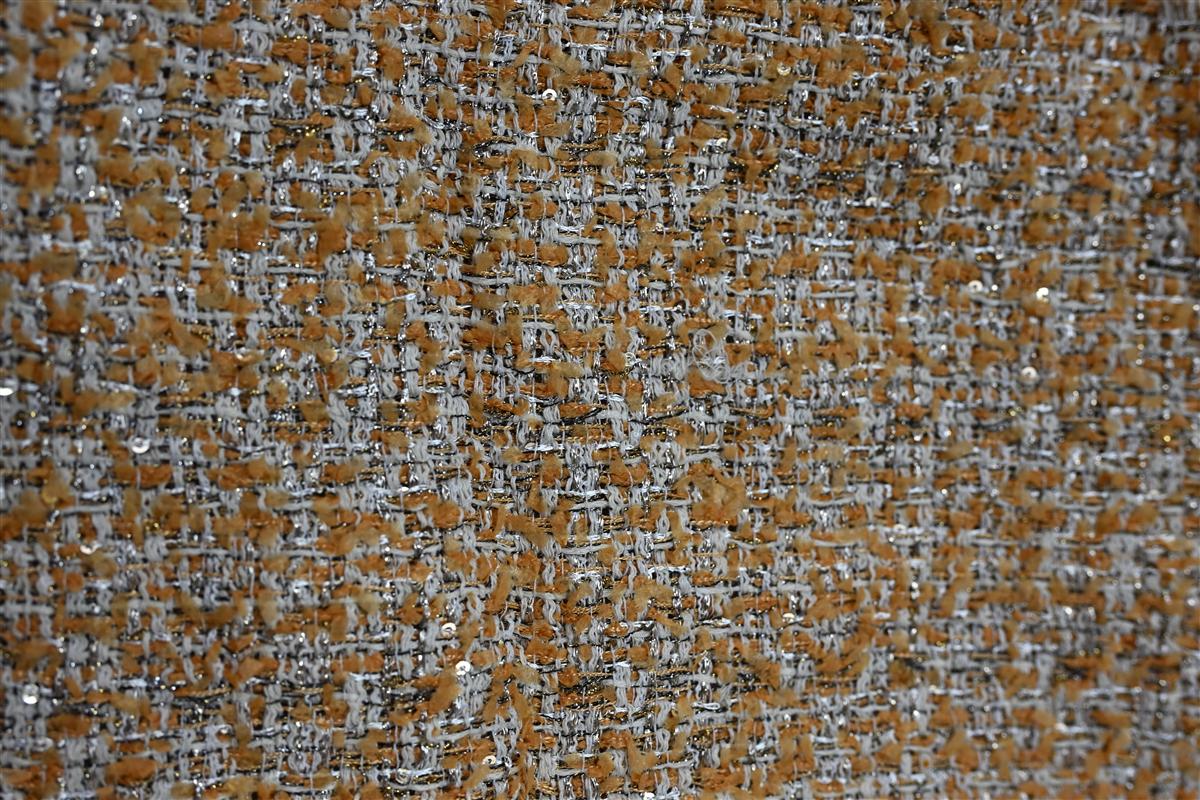
Using Third-Party Auditors If You’re Still Unsure
A certificate on file doesn’t replace walking the floor—but a hired auditor gets close.
When your own video walkthrough raises more questions than answers, the next move is to commission a focused third-party audit. SGS, Intertek en QIMA zijn de drie namen die u het meest hoort bij textielinkoop. Ze vinken niet alleen hokjes af; ze sturen een getrainde lokale inspecteur naar de molen met een door u gedefinieerde checklist—niet het marketingverhaal van de leverancier. Voor een GRS-certificeerbare breimolen wilt u een ‘GRS-conformiteitsbeoordeling’ die grondstofscheiding, massabalansgegevens en chemische behandeling omvat—niet alleen een generieke kwaliteitsaudit.
Kosten zijn voorspelbaarder dan veel oprichters denken. Een eenmalige externe audit-achtige verificatie (waarbij de auditor bezoekt, bevindingen documenteert en een rapport indient) van QIMA voor een breimolen in Wenzhou omvat een opvallend bedrag per audit. De equivalente service van SGS ligt rond de €1.800–een aanzienlijk bedrag afhankelijk van de reikwijdte. Intertek biedt vergelijkbare diensten. Als u een volledige SMETA- of BSCI-sociale audit wilt toevoegen, budgetteer dan een extra gematigd bedrag en voeg twee extra dagen doorlooptijd toe. Doorlooptijd: een standaardrapport binnen 7–10 werkdagen; spoedlevering (5 dagen) brengt een toeslag van 30% met zich mee.
But here’s the boundary you can’t ignore: these audits verify compliance, not commercial fit. They won’t comment on whether the FOB pricing you negotiated leaves you enough margin after duties—that’s your math. They also won’t judge if the 400 g/m² bouclé feels stiff on the drape you need. That’s where your sample approval process earns its keep. Before you book an auditor, lock in your quality tolerance specs with the mill—lab dip shades, GSM range, and acceptable pilling rating. Then ask the auditor to confirm the production stock matches the approved sample specs. Without that link, you’ll have a clean audit and a disappointing shipment.
Voor een eerste bestelling bij een nieuwe GRS-gecertificeerde molen beschouw ik een externe audit als niet-onderhandelbare overhead. Zelfs het opvallende bedrag betaalt zichzelf terug over 1.000 meter door te voorkomen dat er een container met goederen komt waarvan de gerecyclede inhoudsclaim onder merkenscrutinie instort. Boek de audit direct nadat u uw pre-productiemonster heeft ontvangen en de labdips zijn bevestigd—die volgorde houdt de tijdlijn strak en het bewijs vers.
Conclusie
Securing a GRS claim without independent verification ties your brand to a supply chain that may fail the scrutiny of your own customers. I’ve watched a buyer lose a significant sum on a single container because the pre-production sample passed but the bulk shipment failed quality tolerance—a mismatch a simple bale-opening request during a video walkthrough would have caught.
Before you lock in FOB pricing on your next knit order, demand a live tour that moves from raw stock segregation to effluent treatment. Protect your collection at the source, and start with a mill that opens every bale on camera.
Veelgestelde vragen
What documents should I request before a remote GRS audit?
Request the valid scope certificate (SC), a recent transaction certificate (TC), and a social audit report like BSCI or SMETA. These prove certification validity and separate compliance from paper-only claims. Start your remote review with these three documents before any live call.
What should I look for during a live video tour of the mill?
Look for physically segregated GRS material storage, worker comfort answering questions, and a functional effluent treatment setup. A genuine mill will show these areas without hesitation. If they skip storage or rush the worker area, flag it immediately.
What is the biggest red flag in a remote knit mill audit?
Unsegregated waste yarn mixed with virgin material is the clearest sign of contamination risk. It means recycled input tracking has likely failed. If you see mixed bins on camera, pause the order and demand full traceability.
Can a remote audit replace an on-site GRS verification?
A remote audit can cover most visual evidence when combined with document checks, but high-risk or first-time orders often still need a third-party on-site visit. Use remote as. Use remote as a primary screen, then book a spot check for final confidence.
How do I know if a GRS certificate is real?
Verify the certificate number against the certification body’s online database and check that the product categories match your order. A valid SC alone isn’t enough; cross-check scope details during your live walkthrough. Never pay a deposit until the certificate checks out.

Gerelateerde inzichten
GRS vs OEKO-TEX voor eco-breisels: Welke certificering is belangrijker?
{ “@context”: “https://schema.org”, “@type”: “Article”, “headline”: “GRS vs OEKO-TEX for Eco Knits: Which Certification Matters...
Gerecycled Polyester versus Wol: Duurzaamheidsgegevens voor Pakken
{ “@context”: “https://schema.org”, “@type”: “Article”, “headline”: “Recycled Polyester vs Wool: Suiting Durability Data”, “author”: {...

Onderhandel over MOQ voor GRS breistoffen: Toegang tot kleine batches uit China
{ “@context”: “https://schema.org”, “@type”: “Article”, “id”: “evo301-geo-ai-block”, “definition”: “Negotiating MOQ for GRS-certifiable knit fabrics requires...