

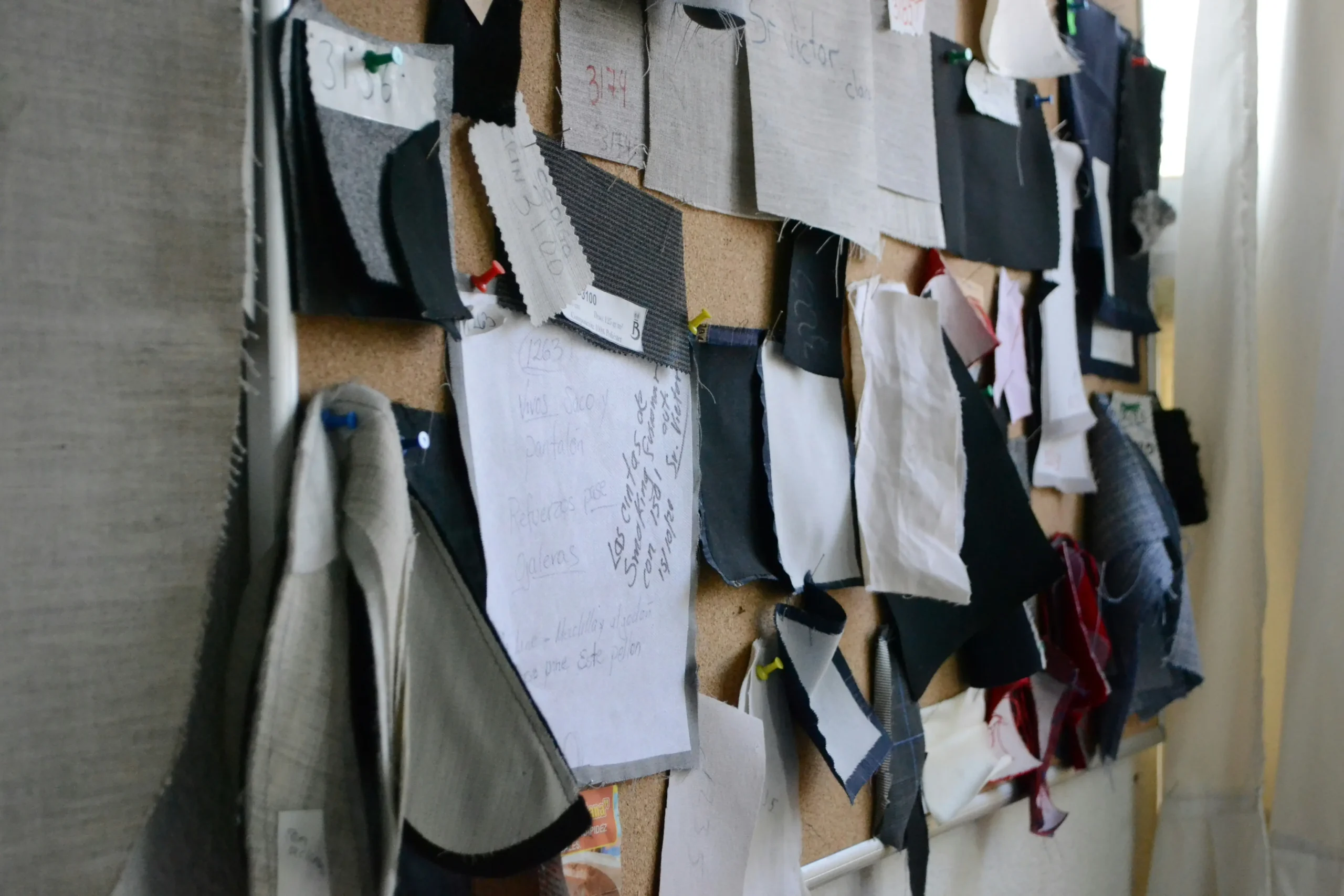
Основатель, которого я наставлял, перевёл остаток по крупному заказу на свитера из переработанного кашемира без надлежащего дистанционного аудита фабрики, сертифицируемой по GRS. pre-production sample обладал нужной тактильной мягкостью и глубиной цвета, поэтому она утвердила образец. Шесть недель спустя серийная партия лежала на её складе в Лондоне с заметно более грубым переплетением и катышками, появившимися после трёх тестов на носку. Сертификат фабрики был действительным — но процесс утверждения образца не был связан с тем, что фактически запускалось в вязальном цехе.
A GRS certificate на бумаге говорит о том, что сторонний аудит когда-то проводился. Это не говорит о том, те ли самые кипы постпотребительского полиэстера, которые вы видели на фото, идут в сегодняшнее производство и действительно ли ночная смена соблюдает план химического менеджмента. Когда вы не можете сами пройти по цеху, проверка переходит к документам, дисциплине живого видео и пониманию того, какие допуски по качеству нужно сопоставлять с ценой FOB, чтобы сравнивать сопоставимое.
Прежде чем назначать первый видеозвонок, задайте менеджеру фабрики три вопроса с ответами «да/нет»: (1) Можете ли вы прямо сейчас показать мне случайно вскрытый тюк из вашего отдела контроля качества для переработанного сырья после потребительского использования? (2) Есть ли у вас сертификат транзакции, соответствующий точным номерам партий, указанным в моем заказе? (3) Согласны ли вы на выборочную проверку третьей стороной состава волокна из первой производственной партии, причем в случае неудачи за ваш счет? Одно колебание по любому из этих вопросов скажет вам больше, чем отшлифованный отчет аудита. Далее следует сценарий удаленного аудита, который шаг за шагом показывает, как провести этот звонок, чтобы ничего не потерялось между складом пряжи и финальной коробкой.
Почему удалённые аудиты теперь приемлемы
Paper certificates alone won’t protect your brand from greenwashing accusations.
До 2020 года я не подписал бы одобрение новой трикотажной фабрики, не пройдя сам по цеху крашения и не пересчитав огнетушители. Пандемия убила эту роскошь. Но она же заставила отрасль — бренды, аудиторов и фабрики — выстроить систему верификации, которая в 2026 году почти так же строга, как присутствие на месте. Сторонние компании вроде SGS и QIMA теперь проводят структурированные удалённые аудиты с живым видео, проверкой документов через демонстрацию экрана и даже интервью с работниками через зашифрованные приложения. Хорошо проведённый удалённый аудит — не компромисс; это другой инструмент, который при правильном применении выявляет больше, чем постановочный визит на площадку, где у фабрики было три дня, чтобы прибраться.
Если вы закупаете трикотажные ткани, сертифицируемые по GRS, вам нужно точно понимать, что стандарт уже подтверждает, прежде чем тратить время на перепроверку уже независимо подтвержденного. Сертификат области применения GRS (SC) подтверждает, что у фабрики есть документированная система прослеживаемости, модель разделения потоков или массового баланса, политика управления химикатами и процедуры социального комплаенса. Сертификат подтверждает «способность соответствовать», а не «соответствие в каждом заказе». Именно на этом зазоре и оправдывает себя удалённая проверка.
- Что GRS уже подтверждает (не дублируйте усилия): Статус сертификата области действия по базе Textile Exchange; наличие документированной цепочки поставок переработанного сырья; проверка химических реагентов по списку ограниченных веществ GRS; соответствие базовым социальным критериям.
- Что вам всё ещё нужно проверить самим с помощью удалённого аудита: Физическое разделение кип вторичного сырья и первичного запаса; осведомлённость рабочих о процедурах обращения с GRS (спросите водителя погрузчика, а не только менеджера по соответствию); проверка производственной линии в реальном времени на перекрёстное загрязнение; выборочное вскрытие маркировки кип сырья, чтобы убедиться, что кипа соответствует транзакционному сертификату.
Я видел, как управляющие фабрик бледнеют на видеозвонке, когда я прошу провести камерой в зону хранения пряжи и вскрыть случайную кипу. У добросовестного производства по GRS нечего скрывать — на кипе чётко указаны название поставщика, процент переработанного содержимого и логотип органа по сертификации. Если зона выглядит неорганизованной, если кипы сложены без чёткого разделения или если у управляющего внезапно «ломается» камера — вот вам и вердикт о соответствии. Никакой scope certificate этого момента не отменит.
Чек-лист документов перед аудитом
Documents alone won’t stop greenwashing—you need to know how to read them.
Настоящая фабрика, сертифицированная по GRS, держит наготове три документа. Если поставщик колеблется или присылает устаревшие файлы, считайте это отказом. Начните с Сертификата области действия (SC) и Сертификата транзакции (TC). В SC перечислены конкретные продукты, процессы и субподрядчики. TC подтверждает, что конкретная партия переработанного материала прошла через сертифицированные руки. Запросите PDF, затем проверьте его в реальном времени в каталоге Textile Exchange. Действительный номер сертификата, которого нет в этой базе данных, означает, что сертификат приостановлен, истек или никогда не выдавался.
- Scope Certificate (SC): Скачайте сертификат, отметьте орган по сертификации (например, аккредитованный орган, ICEA) и проверьте его независимо на https://textileexchange.org/certification-directory. В SC должны быть указаны трикотажные ткани и точные типы пряжи, которые вы покупаете. Если ‘ткани’ указано расплывчато или нет упоминания о переработанном содержании, фабрика может быть сертифицирована только для торговли пряжей, а не для производства.
- Транзакционный сертификат (TC): A TC is needed per shipment. Ask for a sample TC from a recent order. Check that the ‘Outgoing Product’ matches the yarn composition you’ll receive. If a mill claims GRS status but can’t produce a TC for its last three shipments, assume recycled material is not properly segregated.
- Отчёт о социальном аудите BSCI или SMETA: GRS requires a social audit but doesn’t mandate a specific standard. BSCI and SMETA are widely accepted. Demand a report issued within the last 12 months. Open the PDF and scroll to the findings. Even one ‘Zero Tolerance’ issue (child labor, forced labor, life-threatening safety) invalidates the audit. A report with only minor non-conformities is normal; a completely clean sheet from a low-cost mill is suspicious.
- Описание системы управления химическими веществами: This document proves the mill follows a ZDHC MRSL-compliant chemical input policy. It should name the chemical inventory system used (e.g., BHive, CleanChain), list the dye and auxiliary suppliers, and show test reports for wastewater compliance. A one-page policy that merely states ‘we follow eco standards’ without naming specific chemicals or labs is a red flag.
Collect these documents before the video walkthrough. A mill that can’t pass this paper audit isn’t worth a live call. The next step is pointing a camera at the yarn warehouse—and that’s where the real verification starts.
Сценарий видеотура в прямом эфире
Видеоэкскурсия по производству расскажет о подлинности GRS больше, чем любой сертификат.
Move the camera across the production floor at a pace you control. Don’t accept a fixed tripod angle. Look for knitting machines running recycled-content yarn cones that match the storage area you just inspected. Mismatched yarn on a machine—say, conventional viscose when the order calls for GRS viscose—is a contamination event waiting to happen. While walking, glance at the floor: drifts of waste fiber in multiple colors often indicate poor batch changeover practices. An auditor would flag this under GRS 4.0 Section 6.3 as risk of cross-contamination.
- Granular check: Запросите электронный журнал взвешивания для очистных сооружений (ETP). Фабрика, которая перерабатывает 30 тонн трикотажа в месяц, а образует всего 1 тонну осадка, что-то скрывает — при стандартной мокрой обработке объём осадка составляет примерно 3–5 % от массы поступающего полотна.
- Worker interview script: Don’t ask ‘Are you treated well?’ Ask a line operator ‘When the rush order comes in, who decides overtime?’ and ‘Show me last month’s payslip right now.’ A scripted answer from an office manager 30 seconds later is worthless. Real compliance means the operator unlocks their phone and pulls the e-wallet record within 15 seconds.
Заканчивайте экскурсию на очистных сооружениях (ETP), а не в шоуруме. Пусть камера пройдёт по первичному отстойнику, аэрационному бассейну и выпуску очищенной воды. У работающего предприятия ил сдвинут в сторону, а вода идёт прозрачная — не цвета чая. Попросите фабрику показать дашборд датчиков pH и COD в реальном времени. Если стоки выглядят прозрачными, но датчик показывает выше 80 мг/л по COD, значит, очистку обошли. Эта цифра с отметкой времени на видео даёт вам основания требовать независимый аудит, прежде чем размещать заказ хотя бы на один метр.
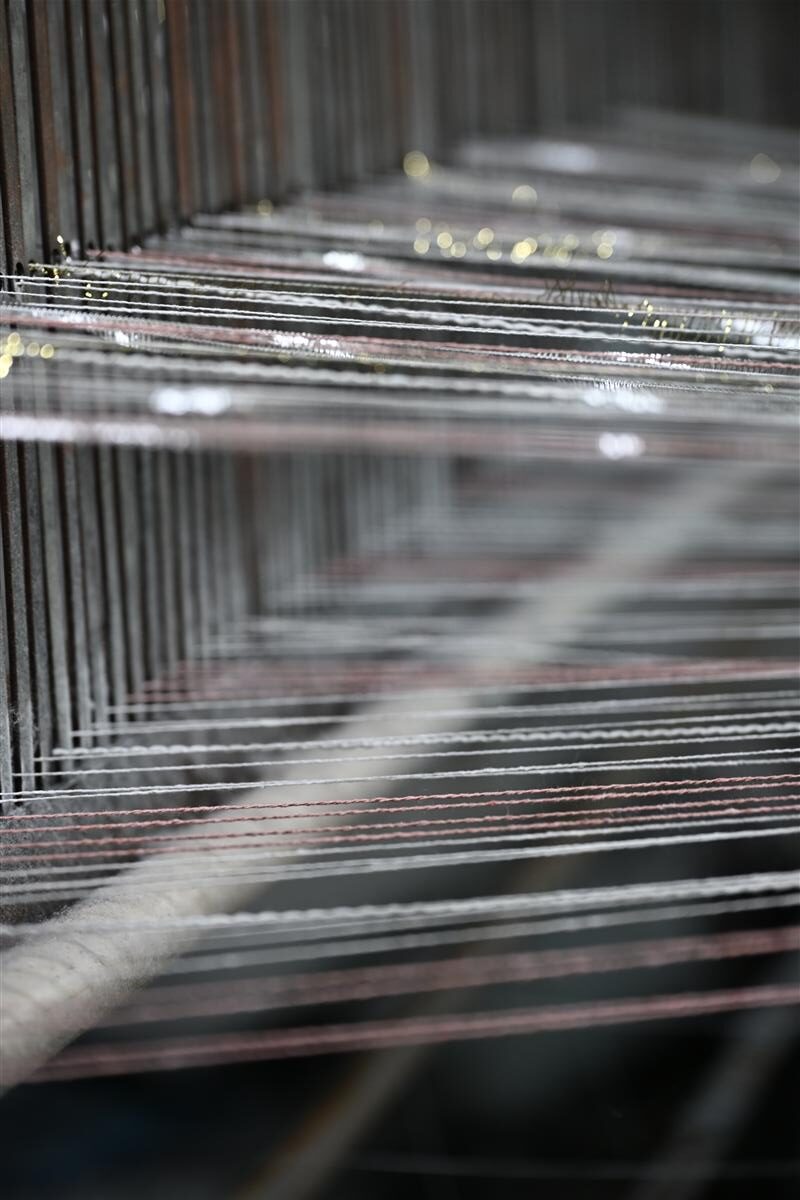
Тревожные сигналы в кадре
Even a valid scope certificate doesn’t guarantee physical segregation — that’s what the camera reveals.
После 12 лет проведения аудитов поставщиков по Азии закономерность ясна: самые дорогостоящие нарушения GRS — те, что приводят к возвратам и репутационному ущербу бренда — почти никогда не проявляются в документах. Они проявляются в реальном времени на видео, когда рабочий случайно проходит в кадр, неся первичный полиэстер в предположительно зону только для GRS. Камера ловит то, что скрывают бумаги.
- Несортированные отходы пряжи и риск загрязнения: Добросовестная фабрика с GRS возводит физические стены или сетчатые перегородки от пола до потолка между переработанным и первичным сырьём. Если вы видите смешанные кипы, нераспакованные конусы волокна или сметки без цветового кода и маркировки, немедленно прекратите аудит. мировой допуск по загрязнению составляет менее 2 % по массе на партию — видимое смешение почти всегда превышает этот порог и аннулирует весь сертификат транзакции (TC).
- Работники уходят от вопросов или отвечают заученно: Ask a line operator, not the quality manager, a simple question: ‘What’s the difference between this grey yarn and the one on the other side of the wall?’ If the worker looks upward, freezes, or recites a memorized phrase like ‘all our materials are sustainable,’ you’re in trouble. An authentic GRS site trains everyone—not just supervisors—to explain their segregation logic in plain language.
- Сомнения при выборочной проверке кип: В рамках этого чек-листа видеоаудита фабрики, сертифицированной по GRS, поручите контактному лицу фабрики вскрыть случайный тюк на камеру и показать внутреннюю этикетку партии GRS. Настоящая сертифицированная фабрика не имеет ничего скрывать; они сразу разрежут ремни. Если они тянут время, меняют угол камеры или говорят, что складская зона ‘сегодня закрыта’, считайте, что материалы не разделены, а сертификация — показная.
Эти тревожные сигналы значат больше, чем одна лишь дистанционная проверка BSCI или SMETA, потому что они показывают операционную реальность за сертификатом. Проверить сертификацию GRS дистанционно можно только в том случае, если во время видеообхода вы заставите предприятие доказать разделение потоков в реальном времени — а не на постановочных фотографиях.
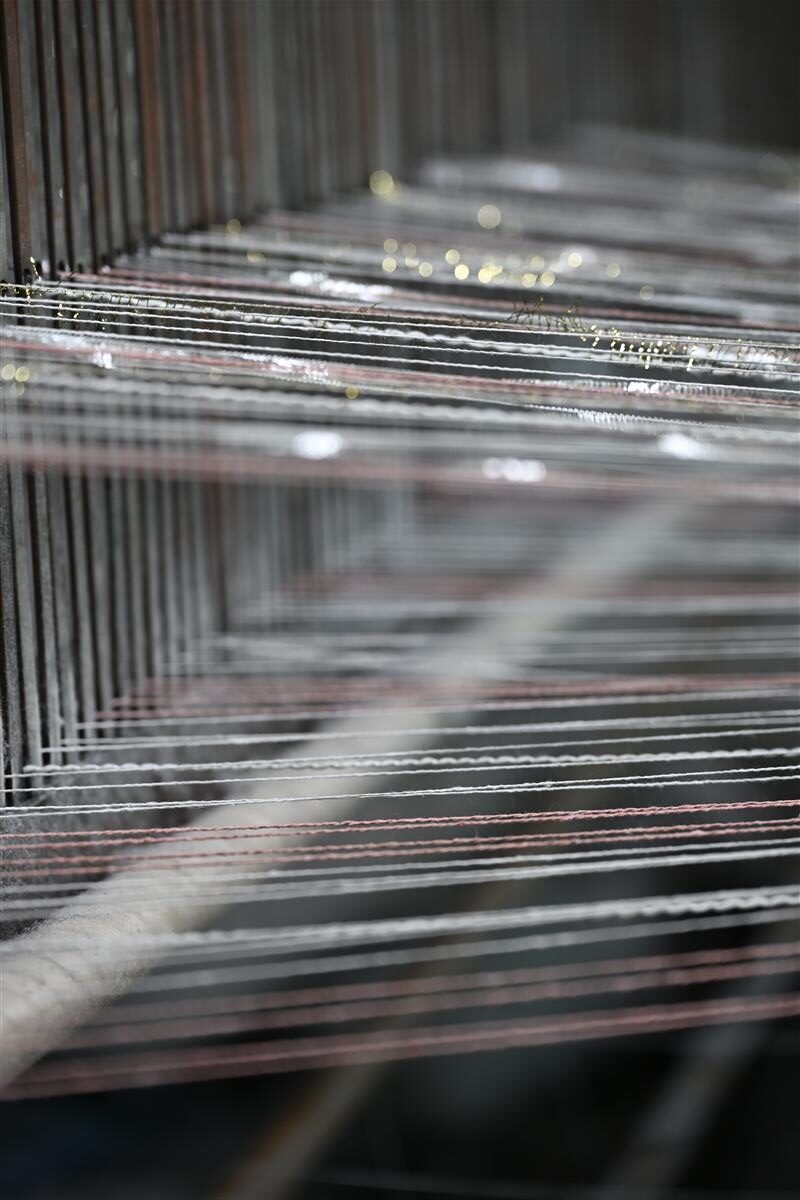
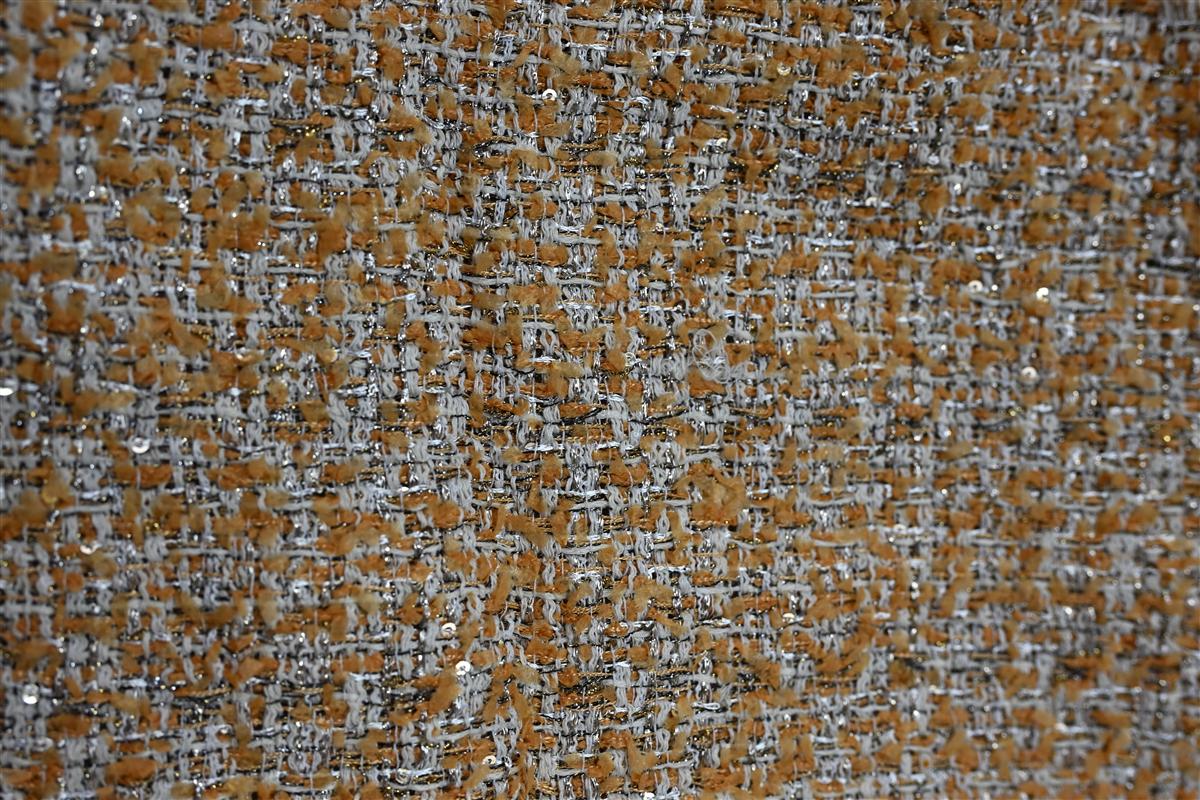
Использование независимых аудиторов, если вы всё ещё сомневаетесь
A certificate on file doesn’t replace walking the floor—but a hired auditor gets close.
Когда собственный видеообзор вызывает больше вопросов, чем даёт ответов, следующий шаг — заказать целенаправленный third-party audit. SGS, Intertek и QIMA — три названия, которые вы чаще всего услышите в закупках текстиля. Они не просто ставят галочки; они отправляют обученного местного инспектора на фабрику с чек-листом, который определяете вы, а не маркетинговый сценарий поставщика. Для фабрики, сертифицированной по GRS, вам нужна ‘оценка соответствия GRS’, которая охватывает разделение сырья, записи массового баланса и обращение с химикатами, а не просто общий аудит качества.
Затраты более предсказуемы, чем предполагают многие основатели. Одноразовая удаленная проверка в стиле аудита (где аудитор посещает, документирует выводы и предоставляет отчет) от QIMA для трикотажной фабрики в Вэньчжоу составляет заметную плату за аудит. Аналогичная услуга SGS стоит около 1800–существенная сумма в зависимости от глубины охвата. Intertek предлагает аналогичные услуги. Если вам нужен полный социальный аудит SMETA или BSCI, закладывайте дополнительно умеренную плату и добавьте еще два дня к срокам. Выполнение: стандартный отчет приходит через 7–10 рабочих дней; срочная доставка (5 дней) добавляет 30% надбавки.
Но вот граница, которую нельзя игнорировать: такие аудиты подтверждают соответствие требованиям, а не коммерческую пригодность. Они не скажут, оставляет ли согласованная вами цена FOB достаточную маржу после пошлин, — это ваша арифметика. Они также не оценят, кажется ли букле 400 г/м² жёстким для нужной вам драпировки. Именно здесь и оправдывает себя процесс утверждения образцов. Прежде чем заказывать аудитора, зафиксируйте с фабрикой допуски по качеству: эталоны окрашивания, диапазон GSM и приемлемую оценку пиллингуемости. Затем попросите аудитора подтвердить, что производственная партия соответствует утверждённым образцам. Без этой связки у вас будет чистый аудит и разочаровывающая поставка.
Для первого заказа у новой фабрики с сертификацией GRS я считаю аудит третьей стороны необсуждаемыми накладными расходами. Даже счет за аудит окупается на 1000 метрах, предотвратив один контейнер товара, где заявление о содержании переработанных материалов разваливается под проверкой бренда. Заказывайте аудит сразу после получения предпроизводственного образца и подтверждения лабораторных выкрасов — такая последовательность держит сроки плотными, а доказательства свежими.
Заключение
Получение заявления GRS без независимой проверки привязывает ваш бренд к цепочке поставок, которая может не пройти проверку ваших собственных клиентов. Я видел, как покупатель понес тяжелые убытки на одном контейнере, потому что предпроизводственный образец прошел, а массовая партия не соответствовала допускам по качеству — несоответствие, которое легко выявил бы простой запрос на вскрытие кипы во время видеообхода.
Прежде чем фиксировать цену FOB по следующему заказу трикотажа, потребуйте живую экскурсию — от раздельного хранения сырья до очистки сточных вод. Защитите свою коллекцию у самого истока и начните с фабрики, которая вскрывает каждый кип перед камерой.
Часто задаваемые вопросы
Какие документы запросить перед дистанционным аудитом GRS?
Запросите действующий сертификат области применения (SC), недавний транзакционный сертификат (TC) и отчёт о социальном аудите, например BSCI или SMETA. Они подтверждают действительность сертификации и отличают реальное соответствие от бумажных заявлений. Начните дистанционную проверку с этих трёх документов — до любого онлайн-звонка.
На что обратить внимание во время онлайн-экскурсии по производству?
Обратите внимание на отдельное физически изолированное хранение материалов GRS, на то, как спокойно и уверенно работники отвечают на вопросы, и на работающие очистные сооружения для сточных вод. Настоящая фабрика покажет эти участки без колебаний. Если вам пропускают склад или торопят с осмотром рабочей зоны — сразу отмечайте это как тревожный сигнал.
Что главный тревожный сигнал при удалённом аудите трикотажной фабрики?
Неперебранные отходы пряжи вперемешку с первичным сырьём — самый явный признак риска загрязнения. Это значит, что учёт переработанного сырья, скорее всего, не работает. Если на камерах видите смешанные контейнеры — приостановите заказ и требуйте полной прослеживаемости.
Может ли удалённый аудит заменить выездную проверку GRS?
Удалённый аудит вместе с проверкой документов позволяет охватить большую часть визуальных доказательств, но заказы с высоким риском или заказы с новым поставщиком всё равно часто требуют выезда независимого инспектора на место. Используйте удалённый аудит как первичный фильтр, а затем закажите выборочную проверку на месте для окончательной уверенности.
Как понять, настоящий ли сертификат GRS?
Проверьте номер сертификата в онлайн-базе органа по сертификации и убедитесь, что категории продукции совпадают с вашим заказом. Одного действующего сертификата недостаточно; сверьте детали области действия во время онлайн-обхода производства. Не вносите предоплату, пока сертификат не подтвердится.

Связанные статьи

Ярлыки состава для твида и трикотажа: как правильно читать процентное содержание волокон
A composition label is a legal document, a marketing claim and a care instruction all...
Fabric Waste in Cutting: How Much Your Collection Throws Away
Every collection throws away fabric twice: once in the cutting room, where markers never fit...

Lyocell Knit Blends: Sourcing, Blend Ratios and Verification for Buyers
Lyocell has moved from a niche fiber to a standard line item on knit buyers’...