
Tweed is beroemd om veel dingen, en soepelheid hoort daar van oudsher niet bij. Toch vindt u tegenwoordig op elke stoffenbeurs stretch tweed in the tailoring sections: cloth that keeps the flecked, hairy, donegal character while adding enough give to survive a commute. How much give is realistic, where the stretch comes from, and what it changes in tailoring – that is what this guide settles.
Waar de rek vandaan komt
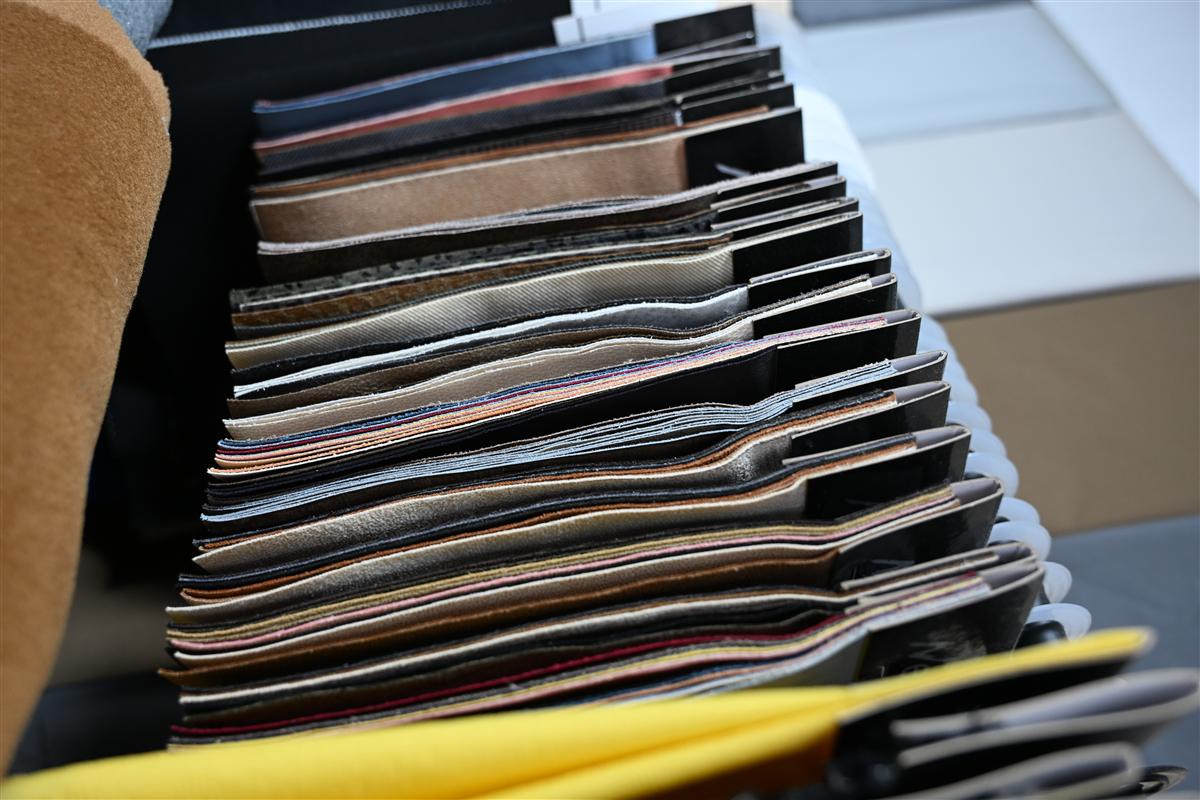
Twee mechanismen geven rek aan een geweven stof. Het eerste is mechanisch: gekreukte garens, lossere twisten en weefstructuren waardoor draden iets kunnen verschuiven voordat ze strak komen te staan. Mechanische rek is subtiel, voelt eerder als comfort dan als elasticiteit, en houdt stand zolang het kledingstuk meegaat, omdat er geen vezel is die de rek verzorgt. Het tweede is elastaan: één tot twee procent spandexfilament in de ketting of inslag, wat echte, meetbare rek oplevert. Dat bereik van 1-2 procent is bewust gekozen. Daaronder beweegt de stof nauwelijks; daarboven gaat het wolgehalte als een stretchbreisel aanvoelen en verliest het tweedkarakter zijn frisheid.
Kopers die stoffen vergelijken, zouden moeten vragen welk systeem een stof gebruikt, want het antwoord voorspelt hoe het kledingstuk zich door de jaren houdt. Een tweed met mechanische stretch gedraagt zich levenslang als een klassiek kamgaren. Een elastaan-tweed geeft vandaag meer en geeft elk jaar iets minder naarmate het filament vermoeid raakt, vooral bij heet persen.
Hoeveel rek maatwerk werkelijk nodig heeft
For a fitted jacket, the critical zones are across the back, over the elbows and through the armhole. Comfort-stretch tweed at the 1-2 percent elastane level gives enough crosswise movement to reach forward without the jacket pulling at the button, which is the test most wearers notice. Full four-way stretch, the kind performance wear chases, is the wrong target here: tailoring needs recovery more than raw give, and wool’s natural resilience is what snaps the cloth back into shape after each wear. When comparing cloths, weigh a swatch in hand and stretch it across the width; the cloth that fights back evenly recovers, and the cloth that stretches easily and settles flat will bag at the seat and elbows within a season.
Wool’s share of the blend still does the heavy lifting for resilience, and the fibre and care standards published by Het Wolmerkbedrijf are the reference most buyers use when specifying wool-rich stretch constructions. Our looms weave both constructions, and in the fitting room the difference shows up as fewer alterations rather than a different silhouette. Weight still rules the drape question – our gids voor tweedgewicht en bewegingsvrijheid behandelt hoe GSM en structuur tegen elkaar afwegen, selectiegids voor overjastweed behandelt het zwaardere segment waar elasticiteit minder telt dan structuur.
Wat het verandert in de werkplaats
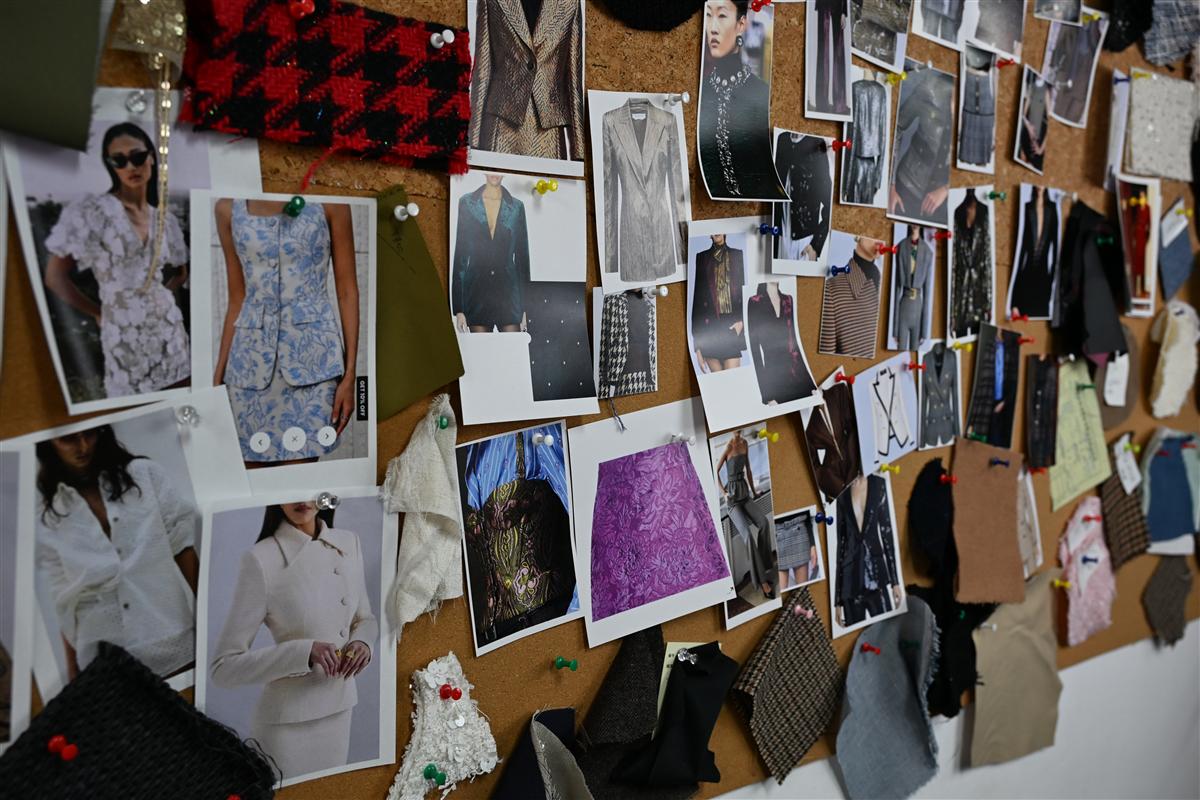
Stretch-tweed vraagt drie aanpassingen van de snij- en naaikant. Patronen hebben iets minder bewegingsruimte nodig, vooral over de rug, omdat de stof beweging levert die het patroon voorheen zelf gaf. Smeltbare tussenvoering moet op het stretchniveau worden afgestemd: een star kanvas dat op een elastaanstof wordt gefuseerd, veroorzaakt een harde rand zodra de drager zich uitstrekt. En de strijktemperatuur blijft gematigd, want elastaanfilament is warmtegevoelig en een heet strijkijzer laat het oppervlak permanent glanzen of golven. Geen van deze punten is ingewikkeld, maar alle drie horen ze in het tech pack thuis, niet in de rij voor aanpassingen.
For range planning, stretch tweed earns its place beside the classic overcoat cloths rather than instead of them – the constructions pair naturally with the weights in our collectie wollen overjassen, where the same fleck language runs through non-stretch weights. Quality expectations stay the same as any good tailoring cloth. We hold pilling resistance at ISO grade 3-4 across our stretch tweed constructions, because the elastane gives no protection against abrasion – the wool face still does that work. Development moves fast here: a 7-day sampling round tests your exact composition and stretch level on our looms, with 300-plus machines in Wenzhou behind the bulk run.
Als de vergelijking gaat om stretch-tweed tegenover een traditionele stof, of tweed voor banken tegenover colberts, dan is onze uiteenzetting over tweed voor meubelstof versus kleding trekt die lijnen duidelijk.
Video: stretch tweed
Stretch tweed will not replace classic tailoring cloth, and it should not. It earns its place where a brand wants the tweed story and a modern fit in the same jacket: 1-2 percent elastane, recovery-tested, pressed with care. Send your target weight and stretch direction, and we will return two constructions – mechanical and elastane – with samples inside a week.
Gerelateerd lezen: Stofkwaliteit A, B, C uitgelegd

Gerelateerde inzichten

RWS Explained: Responsible Wool in Tweed, from Certificates to Claims
The Responsible Wool Standard (RWS) is the wool industry’s most widely recognized animal welfare and...

Recycled Wool vs Virgin Wool Tweed: Hand, Price and Claims Compared
Recycled wool tweed has moved from niche to mainstream rack presence, and buyers now weigh...

Bouclé en tweed naaien: rafelen in de productie beheersen
Every garment maker who cuts boucle has a story about fray. The looped yarns that...