

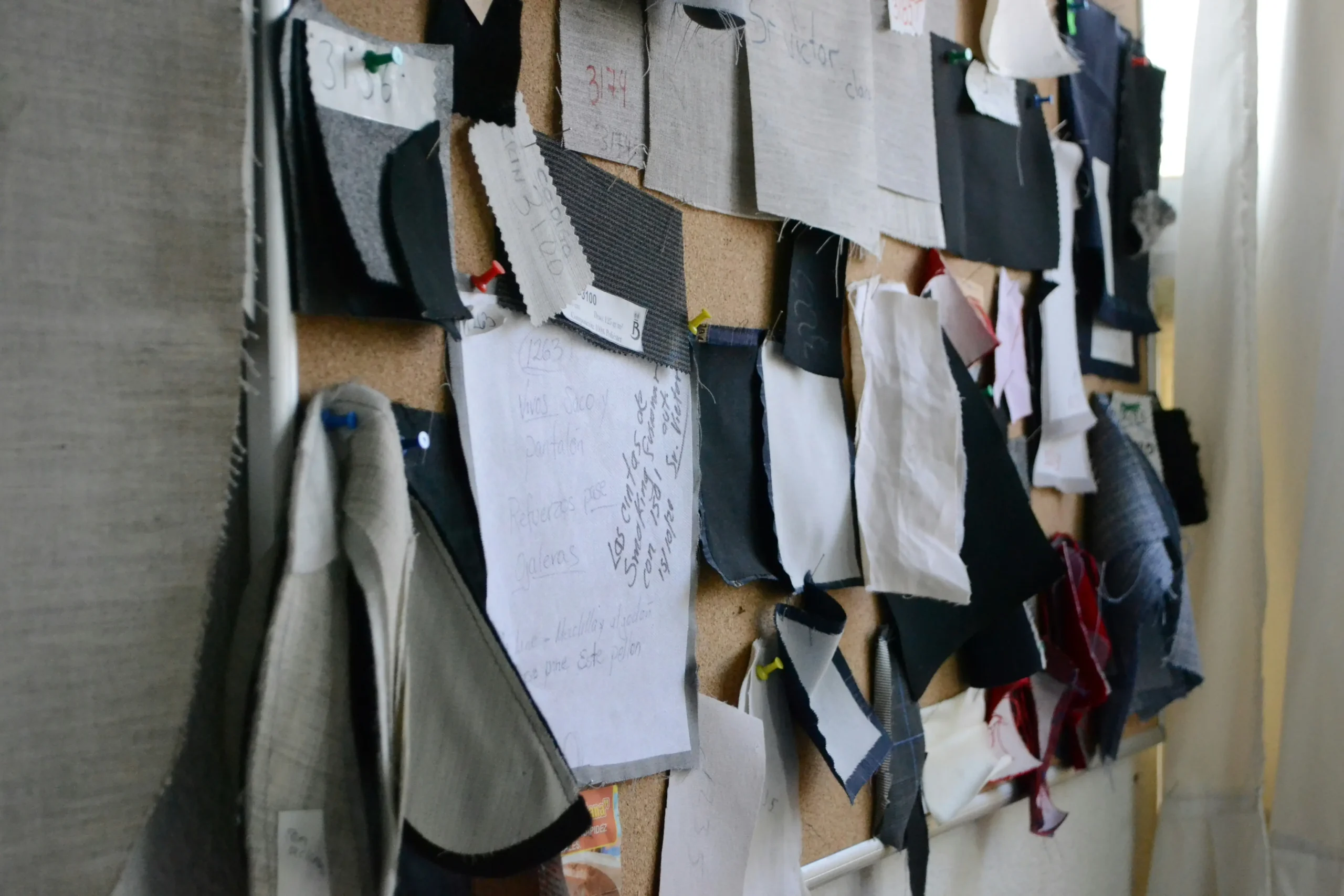
Teknisk pakke specialstof er det første kontrolpunkt, som købere bør låse fast, før de godkender en leverandør, budget eller produktionsplads. Har du nogensinde oplevet, at en leverandør bortforklarede en mislykket bulkforsendelse ved at sige, at den lå inden for “normal kvalitetstolerance”, selvom håndfølelsen og draperingen var milevidt fra præproduktionsprøven? En designer lærte dette på den hårde måde - hendes store ordre på special tweed ankom med en flad, livløs overflade, der intet havde tilfælles med den rige bouclé-prøve, hun havde godkendt. Rodårsagen var ikke en useriøs fabrik; det var en teknisk pakke specialstof, der angav en Pantone-farve og ordet “blød”. Et væveri kan ikke konstruere en luksuriøs tekstur ud fra adjektiver eller et foto. Derfor ligner en ordentlig teknisk pakke mere en teknisk specifikation end et moodboard.
Før du fastlægger FOB-prisen eller godkender en prøve, bør du sikre dig, at din leverandør kan svare på tre ja/nej-spørgsmål, der forebygger den mest almindelige drift fra prøve til produktion. 1. Låser din specifikation garntallet og blandingsforholdet (f.eks. Nm 2/15, 70 % uld/30 % genanvendt poly) med samme præcision, som du bruger til tøjmål? 2. Definerer de kvalitetstolerancen for håndfølelse ud fra et kalibreret gsm-interval og en forseglet referenceprøve — ikke bare et digitalt foto? 3. Bekræfter de ved laboratoriedyp-trinnet, om farven er garnfarvet eller stykfarvet — for den ene beslutning ændrer fuldstændigt den flertonede dybde i et tweed?
Hvorfor en tech pack er vigtig for specialfremstillet stof
Et foto er et ønske; et specifikationsark er en byggetegning.
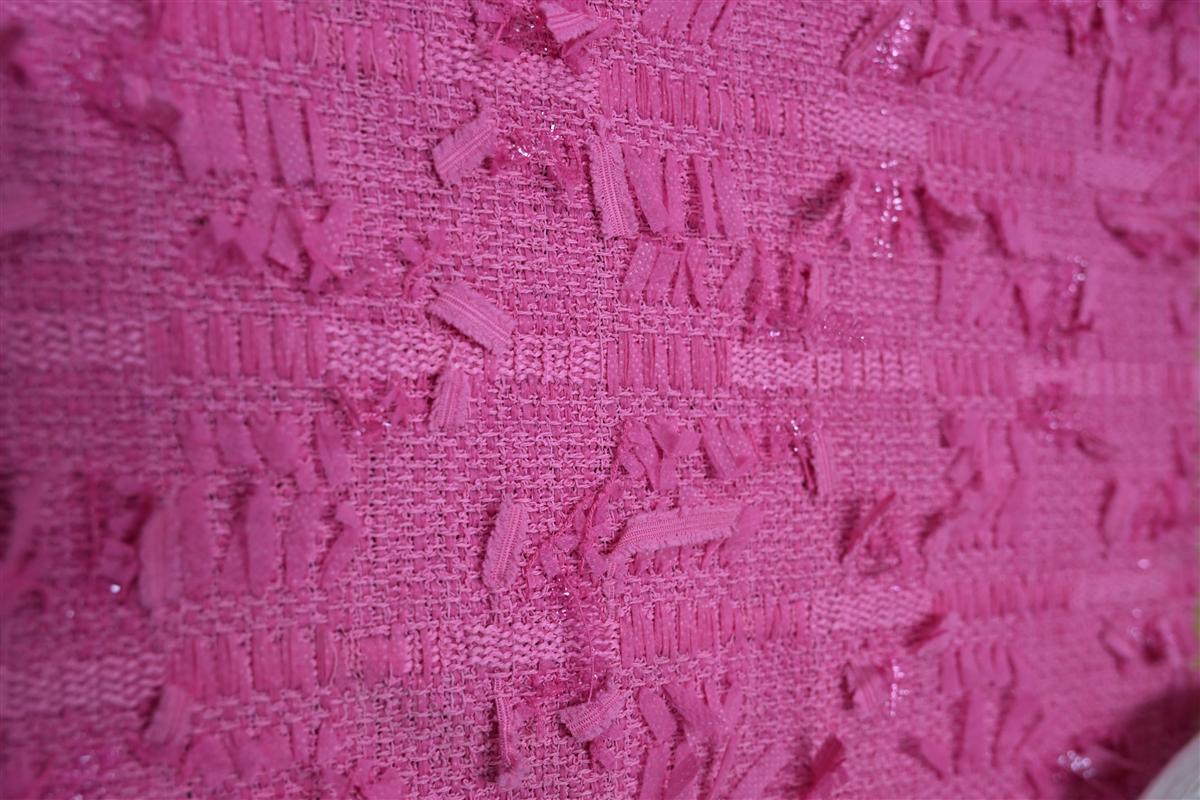
I’ve seen designers email a moodboard snapshot of a Chanel tweed jacket and ask for ‘this texture.’ The mill spins something — but it’s never right. A photo shows color and surface fuzz, but it hides the real construction: yarn count like Nm 2/15, whether the fabric was yarn-dyed or piece-dyed, and after-treatments that control pilling. Without those, the factory guesses. When you’re writing a tech pack for tweed fabric, that guess costs you sampling rounds and money.
- Photo sends visual only: Viser farve og grov tekstur, ikke blandingen af australsk merino kontra akryl, og heller ikke nobbeafstanden, der giver en bouclé sit rytme. Et specifikationsark for specialfremstillet strikstof skal definere de variabler.
- Spec locks construction: Lists exact yarn type, count, weight (gsm), and dye method. For example, specifying ‘yarn-dyed’ versus ‘piece-dyed’ determines whether tweed gets its multi-tonal depth — a detail designers routinely overlook in a boucle fabric tech pack sample.
- Yarn architecture: Nm 2/15, afstand mellem slub (f.eks. hver 8 cm), løkkestørrelse i bouclé (3–5 mm). Det forhindrer generiske imitationer.
- Weight & hand: Target 350–500 g/m², reference swatch for hand feel — avoids vague ‘soft’ requests.
- Color & dye: Pantone-reference + note om garnfarvet eller stykfarvet. Lab-dips afstemmes inden spinding.
- Finish: Anti-pilling treatment, softener level. Omit this, and mass production won’t match the approved sample.
A clear spec doesn’t just prevent wrong samples; it slashes the back-and-forth. In our R&D work, a complete spec — with numeric gsm weight for custom fabric, yarn count for knitwear tech pack, and Pantone codes for yarn-dyed tweed — often delivers a first-round sample that needs only minor weight or color adjustment. When a spec is missing bouclé loop size or slub thickness, three to four rounds are common. One missing millimeter of loop height can mean re-spinning a whole sample batch.
The most common mistakes in fabric tech pack come from assuming a mill can fill in the blanks. They can’t. When Fursone receives a 7-day sampling tech pack with millimetre-level loop specs and dye method, we spin a sample yarn — not just a fabric — in the first week. That’s the difference between building a textile and chasing a photograph.
Væsentlige elementer, som enhver tech pack skal indeholde
A photo is a suggestion.
Start with the yarn. If you send us a swatch and say ‘match this’, we can guess the fiber, but we can’t reverse-engineer the construction. A proper custom knit fabric specification sheet lists the yarn type (e.g., lambswool, recycled polyester, Japanese lurex), the blend ratio by weight (70/20/10), and the count. For fancy tweeds and bouclés, a small count like Nm 2/15 tells the mill the exact twist and thickness of each ply—without it, the hand feel drifts.
Next, target weight and drape. Don’t just write ‘coat weight’ or ‘lightweight.’ Give a GSM range with a tolerance—say, 380-420 gsm. For hand feel, attach a physical reference swatch. In our R&D lab, we benchmark against four standards: Chanel-style bouclé, boiled wool, brushed cashmere, and heavy melton. State which one your fabric should resemble. If the spec sheet only says ‘soft,’ the spinner uses the most economical softener, and you get a limp fabric that fails sample approval on the first round.
Farve er der, hvor de fleste nye designere taber to uger. Pantone-koder refererer til trykfarve på papir, ikke til garn. Til en garnfarvet tweed har du brug for et lab dip matchet under D65-dagslys. Bed altid om en fysisk farveprøve, og vurder den op mod din Pantone-chip og din referenceprøve. Byg en kvalitetstolerance ind i tech packen: ±5 % nuanceafvigelse mellem lab dip og bulk er acceptabelt. Uden den risikerer du at afvise et helt produktionsparti på grund af et normalt farvepartiskift — en dyr fejl, når FOB-prisen allerede er låst.
- Dye method: State ‘yarn-dyed’ for multi-tonal depth or ‘piece-dyed’ for solid colors. For knits, note if stripes or jacquards require yarn-dyed.
- Finish: Angiv børstegraden (let, kraftig), anti-pilling-behandling og typen af blødgører – silikone for glid, kationisk for en tørrere hånd. Til bouclé skal du bede om løkkestørrelse i mm og slub-interval.
- After-treatment: Include ‘anti-pilling finish to Grade 4 per ICI pilling box’ or ‘milled finish for a felt-like drape.’ This prevents the mill from delivering an untreated fabric that pills after three wears.
Almindelige designfejl der forsinker prøvetagningen
De fleste forsinkelser i prøvefasen kan føres tilbage til tre tekniske fejl i tech pack, som kan rettes.
Skipping the obvious complaints, the focus shifts to what a mill actually needs. The single biggest breakdown in custom knit and tweed sourcing happens when a designer describes a fabric like they’re writing a Yelp review for a cashmere scarf. ‘Soft’ means nothing. ‘Fluffy’ means nothing. A tech pack that relies on adjectives instead of numbers forces the R&D team to guess. And guessing adds two to three weeks of back-and-forth.
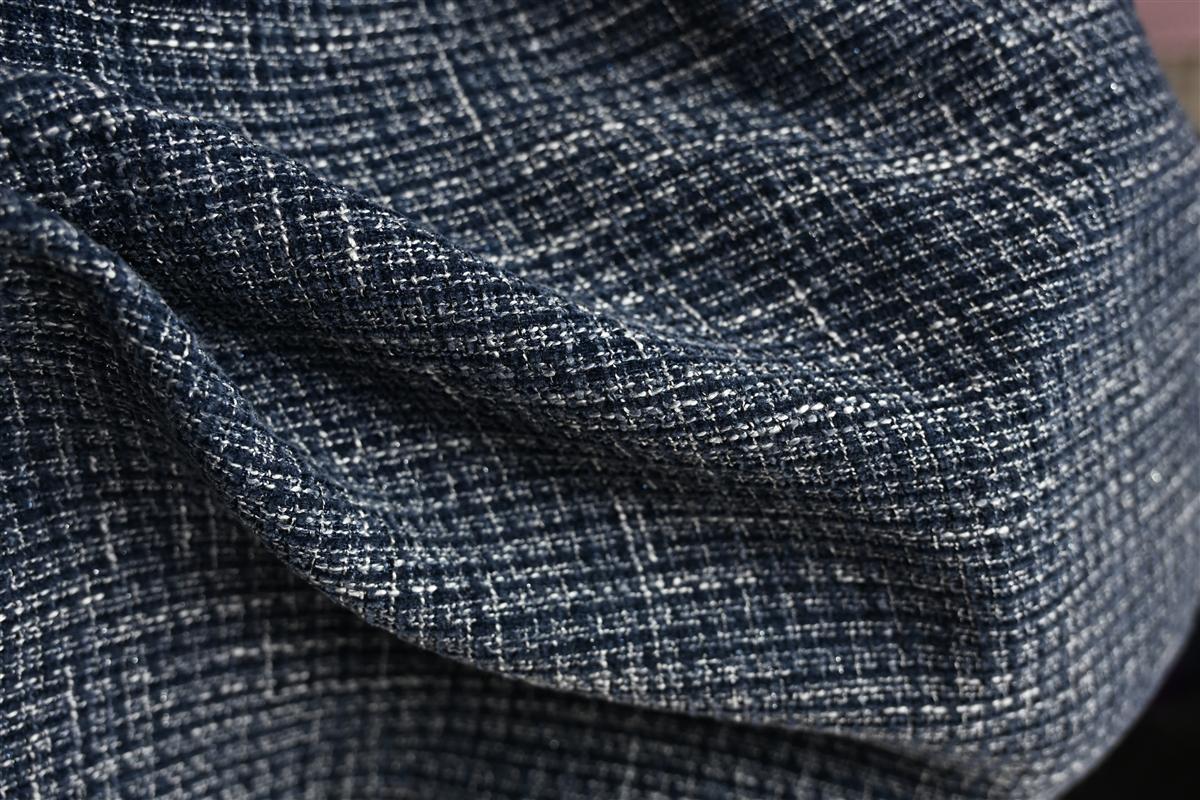
The second mistake — and this one accounts for nearly half the rejected first samples I’ve seen — is glossing over the dimensional specs of surface effects. Bouclé loop size, slub interval, cable twist tightness. If you don’t call them out, the mill defaults to a generic look. By the time you receive the lab dip or the handloom, the texture is off, and you’re starting over.
- Vague hand feel: Replace ‘soft’ with a target gsm range (e.g., 350–420 gsm for a mid-weight bouclé) and a reference swatch for drape. Without it, you’ll get something that feels close enough — until it doesn’t drape the way you need.
- Manglende overflademål: Hvis du vil have en slub for hver 8–12 mm eller en bouclé-løkkediameter på 3 mm, skal du skrive det i tech packen. Ellers bruger spinneriet standardmaskinindstillinger, og resultatet ligner et standardstof, ikke din eksklusive tekstur.
- Udeladelse af efterbehandling: Most novices stop at the yarn and color. They forget to specify anti-pilling grade, softener type, or enzyme wash. A tweed that feels luxurious at the sample stage can pill like a cheap sweater after three wears if the finish isn’t engineered.
En bestemt stor ordre falder mig ind - præproduktionsprøven blev godkendt, men bulkforsendelsen ankom med en hårdere håndfølelse og synlig fnugdannelse. Rodårsagen? Den tekniske pakke nævnte kun ‘blød børstet finish’ uden at angive mekanisk børsteproces og cyklusser. Fabrikken brugte en børste med ét gennemløb; den godkendte prøve havde fået 3 gennemløb. Præcision i sproget om efterbehandling ville have forhindret hele reklamationen.
Løsningen er enkel: behandl din tech pack som en opskrift, ikke som et moodboard. If you can’t measure it, the mill can’t guarantee it.
Sådan bruger Fursones R&D-team din tech pack
Vi spinner prøvegarn direkte ud fra dine numeriske specifikationer, ikke ud fra et gæt på et foto.
De fleste designere sender en brandprøve og et tillægsord: »blød«, »fnugget« eller »Chanel-style«. Det er et udgangspunkt, ikke en specifikation. Et væveri kan ikke reverse-engineere tekstur ud fra et foto. Det, vi har brug for, er den garnkonstruktion, der skaber det greb. Når din tech pack indeholder et Nm-tal som 2/15, kender vi den præcise snoning, tykkelse og fiberfordeling, der skal spindes. Det er forskellen mellem en generisk prøve og en, der matcher den vægt, det fald og det overfladespil, du havde forestillet dig.
- Garnfarvet vs. stykfarvet: Sender du en farveprøve uden noter om farvemetoden, risikerer du at få en flad, stykfarvet udgave af det, der burde være et tweed med flere tonetrin. Garneringsfarvet konstruktion skaber en dybde, som stykfarvning aldrig kan genskabe. Vi gør straks opmærksom på dette hul, når din specifikation er tavs.
- Løkkestørrelse & slub-interval: Fordi vi spinder garnet selv, kan du definere bouclé-løkkens størrelse i millimeter og afstanden mellem slub-effekter. Det forhindrer de “tæt på, men ikke rigtige” prøver, der spilder 2–3 runder. Ingen forsinkelser fra eksterne garnleverandører.
- Virkeligheden om vægttolerance: Hvis dit mål er 420 g/m², spinner vi med sigte på 415–430 g/m². En upræcis anmodning om "medium-tung" garanterer et misforhold. Vi omsætter beskrivelser af håndfølelsen til et målbart g/m²-interval, før det første garn tvindes.
7-dages samplinguret starter, når vi har en komplet specifikation. Dag ét: garnblanding og farvemål registreres i spindekøen hos vores partnervæverier. På dag tre er den første meter gråvare på strikke- eller vævemaskinen. Dag fire til fem håndterer efterbehandling – børstning, blødgøring eller anti-pilling treatments præcis som angivet i dine krav til efterbehandling. På dag seks klipper vi farveprøven, mærker den og fotograferer den under standardiseret belysning. På dag syv sendes den. Hvis din tech pack mangler garnnummer, dye method, eller efterbehandlingsinstruktioner, bryder den løkke sammen allerede på dag ét, mens vores R&D-team sender afklarende spørgsmål tilbage til dig.
Et konkret eksempel: en herretøjsdesigner bad om en struktureret fletstrik med en “tør hånd” til en overshirt. Teknisk pakke specificerede Nm 2/28 blanding af uld og akryl, et mål på 385 gsm og et silikonefrit blødgøringsmiddel. Uden den grad af detaljer havde vi måske lavet en standard blød finish, som ville have ødelagt strukturen. I stedet blev den første prøve godkendt i første runde, og ordren gik videre til 300m custom MOQ window immediately.
Konklusion
Din tekniske pakke kan forhindre en betydelig uoverensstemmelse mellem præproduktionsprøven og masseproduktionen. Før du godkender, vær specifik: prøvegodkendelse bør ikke afhænge af et fotografi; det kræver numeriske referencer som garnnummer, gsm-vægt og en klar kvalitetstolerance for slub-størrelse.
Her er tre spørgsmål, du bør stille dit væveri med det samme: 1. Angiver din tech pack den præcise garntal og blandingsforhold, og ikke bare et foto af en prøve? Ja / Nej 2. Har du defineret den ønskede vægt (gsm) og en målbar reference for grebet, med et toleranceinterval? Ja / Nej 3. Har du afklaret, om prøven skal garnfarves eller stykfarves, og hvilken efterbehandling der er acceptabel (anti-pilling, blødgøringsmiddel)? Ja / Nej.
Ofte stillede spørgsmål
Hvorfor bruge en tech pack i stedet for bare et foto?
Et foto viser kun overfladen, ikke vægtfylde, garnsammensætning eller efterbehandling. En egentlig tech pack giver partnervæveriet målbare parametre til at kopiere dit design, ikke fortolke det. Send specifikationer i løbende meter, ikke bare inspiration.
Hvilke er de største tech pack-fejl ved specialfremstillet strik?
The biggest mistake is using vague adjectives like ‘fluffy’ without a target gsm or reference swatch. Mills need a physical hand-feel benchmark and a weight range to even begin yarn selection correctly. Always staple a reference swatch to your spec sheet.
Hvilke garndetaljer kræver en tech pack til tweed efter eget ønske?
Fiber blend ratio, yarn count, and novelty parameters like slub thickness or bouclé loop size. If you omit the exact slub length, you risk getting a standard yarn that undermines your fabric’s character. Specify slub and bouclé sizes to lock in texture.
Hvordan formidler jeg håndfølelse i en tech pack?
Use a quantitative target like gsm and a physical reference swatch, not just words. Mills match against a swatch’s drape and surface finish, so a 280gsm reference with peach-skin finish is actionable; ‘soft’. Send a swatch and a weight, not a feeling.
Hvor hurtigt går prøvetagningen hos Fursone?
Du kan få en fysisk farveprøve inden for 7 dage, når du sender en komplet tech pack. Den hastighed afhænger af fuld klarhed over din garnblanding og målvægt på forhånd, fordi enhver omspoling. Indsend en fuld specifikation for at starte nedtællingen på 7 dage.
Autoritative referencer

Relaterede indsigter

How to Compare Fabric Quotes from Three Mills: A Side-by-Side Method
Three mills return three quotes for the same fabric brief, and the spread between them...

Kapacitetsplanlægning omkring CNY: Book en stoffabrik før det kinesiske nytår
Every year, fabric buyers lose the same three weeks to the same event: Chinese New...

Strategi for sekundær leverandør: Sådan kvalificerer brands en ekstra tweedfabrik
Single-sourcing a signature fabric feels efficient right up to the season it fails: the mill’s...