

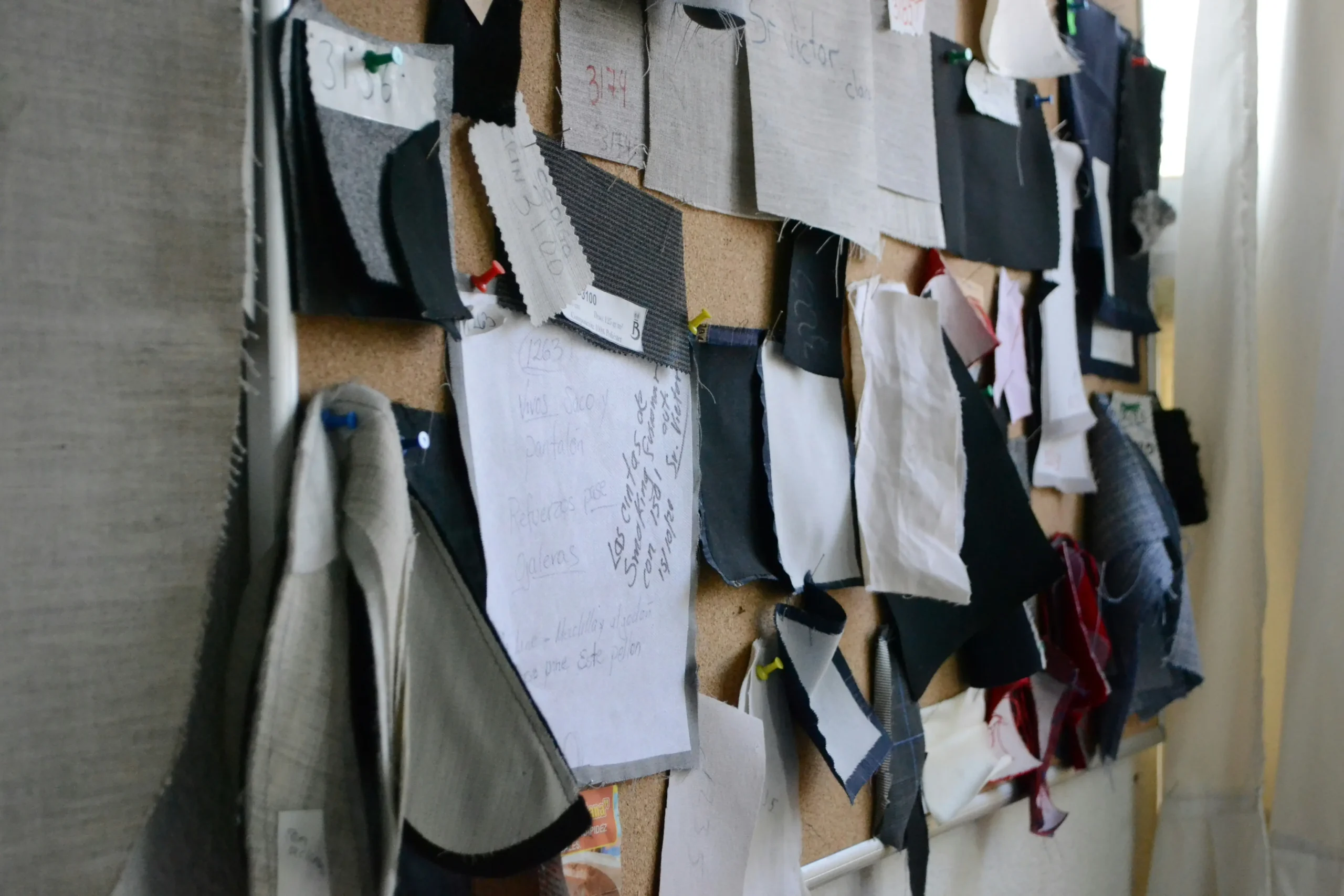
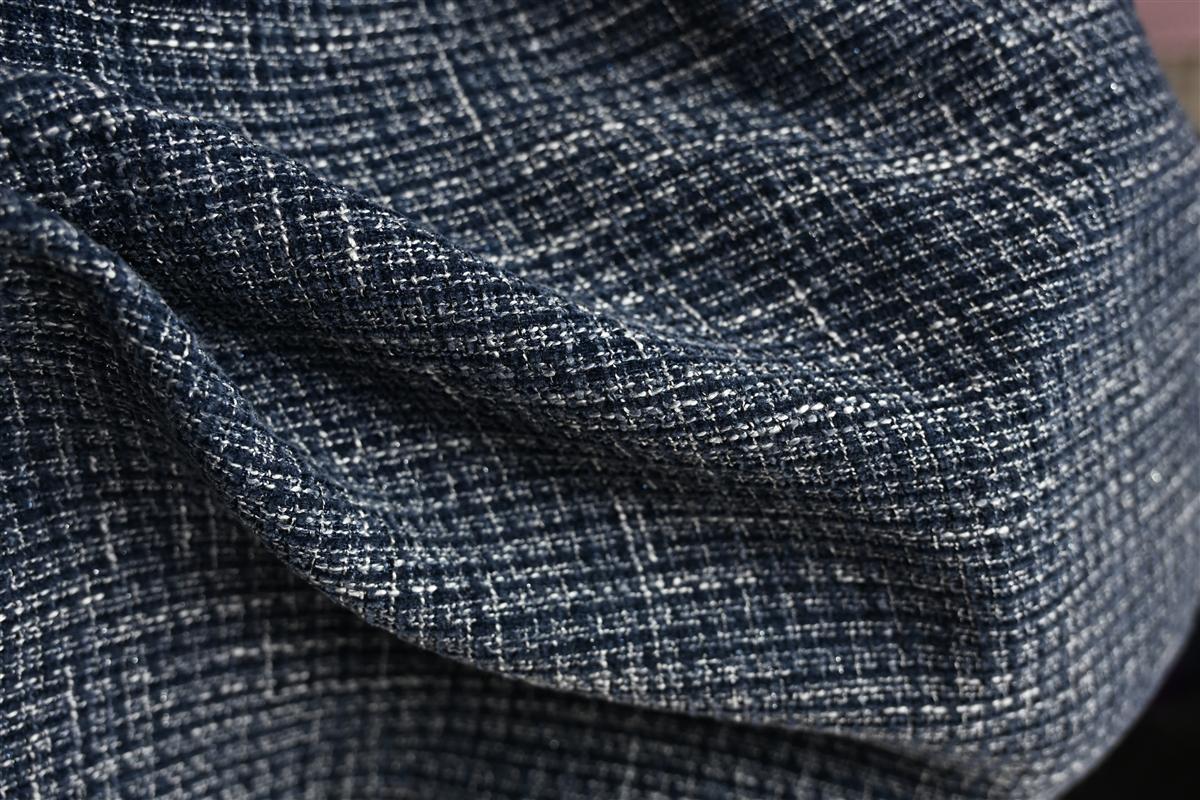
Tech pack custom fabric is het eerste controle punt dat kopers moeten vastleggen voordat ze een leverancier, budget of productieslot goedkeuren. Heb je ooit meegemaakt dat een leverancier een mislukte bulkzending wegwuifde met de mededeling dat het binnen de “normale kwaliteitstolerantie” viel, terwijl de hand en val mijlenver afweken van het pre-productiemonster? Een ontwerper leerde dit op de harde manier—haar aanzienlijke bestelling van op maat gemaakte tweed arriveerde met een plat, levenloos oppervlak dat niets gemeen had met het rijke bouclémonster dat ze had goedgekeurd. De oorzaak was niet een onbetrouwbare fabriek; het was een tech pack custom fabric dat een Pantone-kleur en het woord “zacht” vermeldde. Een weverij kan geen luxe textuur creëren op basis van bijvoeglijke naamwoorden of een foto. Daarom lijkt een goed tech pack meer op een technische specificatie dan op een moodboard.
Voordat je de FOB-prijs vastlegt of een sample goedkeurt, moet je zeker weten dat je leverancier drie ja/nee-vragen kan beantwoorden om de meest voorkomende afwijking tussen sampling en productie te voorkomen. 1. Legt jouw spec het garennummer en de blendverhouding vast (bijv. Nm 2/15, 70% wol/30% gerecycled poly) met dezelfde precisie die je voor kledingmaten gebruikt? 2. Definieert de leverancier de kwaliteitstolerantie voor handfeel met een gekalibreerd gsm-bereik en een verzegeld referentieswatch, niet alleen een digitale foto? 3. Bevestigen ze in de labdipfase of de kleur garengeverfd of stukgeverfd is – want juist die ene keuze verandert de multi-tonale diepte van een tweed volledig?

Waarom een tech pack belangrijk is voor stof op maat
Een foto is een wens; een specificatieblad is een blauwdruk.
I’ve seen designers email a moodboard snapshot of a Chanel tweed jacket and ask for ‘this texture.’ The mill spins something — but it’s never right. A photo shows color and surface fuzz, but it hides the real construction: yarn count like Nm 2/15, whether the fabric was yarn-dyed or piece-dyed, and after-treatments that control pilling. Without those, the factory guesses. When you’re writing a tech pack for tweed fabric, that guess costs you sampling rounds and money.
- Photo sends visual only: Toont kleur en ruwe structuur, maar niet de verhouding Australische Merino versus acryl, en ook niet het slub-interval dat een bouclé zijn ritme geeft. Een specificatieblad voor maatwerkgebreide stof moet die variabelen vastleggen.
- Spec locks construction: Lists exact yarn type, count, weight (gsm), and dye method. For example, specifying ‘yarn-dyed’ versus ‘piece-dyed’ determines whether tweed gets its multi-tonal depth — a detail designers routinely overlook in a boucle fabric tech pack sample.
- Yarn architecture: Nm 2/15, slubinterval (bijv. elke 8 cm), lusgrootte van de bouclé (3–5 mm). Deze specificaties voorkomen generieke imitaties.
- Weight & hand: Target 350–500 g/m², reference swatch for hand feel — avoids vague ‘soft’ requests.
- Color & dye: Pantone-referentie + vermelding of het garengeverfd of geverfd in het stuk is. Labdips worden afgestemd vóór het spinnen.
- Finish: Anti-pilling treatment, softener level. Omit this, and mass production won’t match the approved sample.
A clear spec doesn’t just prevent wrong samples; it slashes the back-and-forth. In our R&D work, a complete spec — with numeric gsm weight for custom fabric, yarn count for knitwear tech pack, and Pantone codes for yarn-dyed tweed — often delivers a first-round sample that needs only minor weight or color adjustment. When a spec is missing bouclé loop size or slub thickness, three to four rounds are common. One missing millimeter of loop height can mean re-spinning a whole sample batch.
The most common mistakes in fabric tech pack come from assuming a mill can fill in the blanks. They can’t. When Fursone receives a 7-day sampling tech pack with millimetre-level loop specs and dye method, we spin a sample yarn — not just a fabric — in the first week. That’s the difference between building a textile and chasing a photograph.
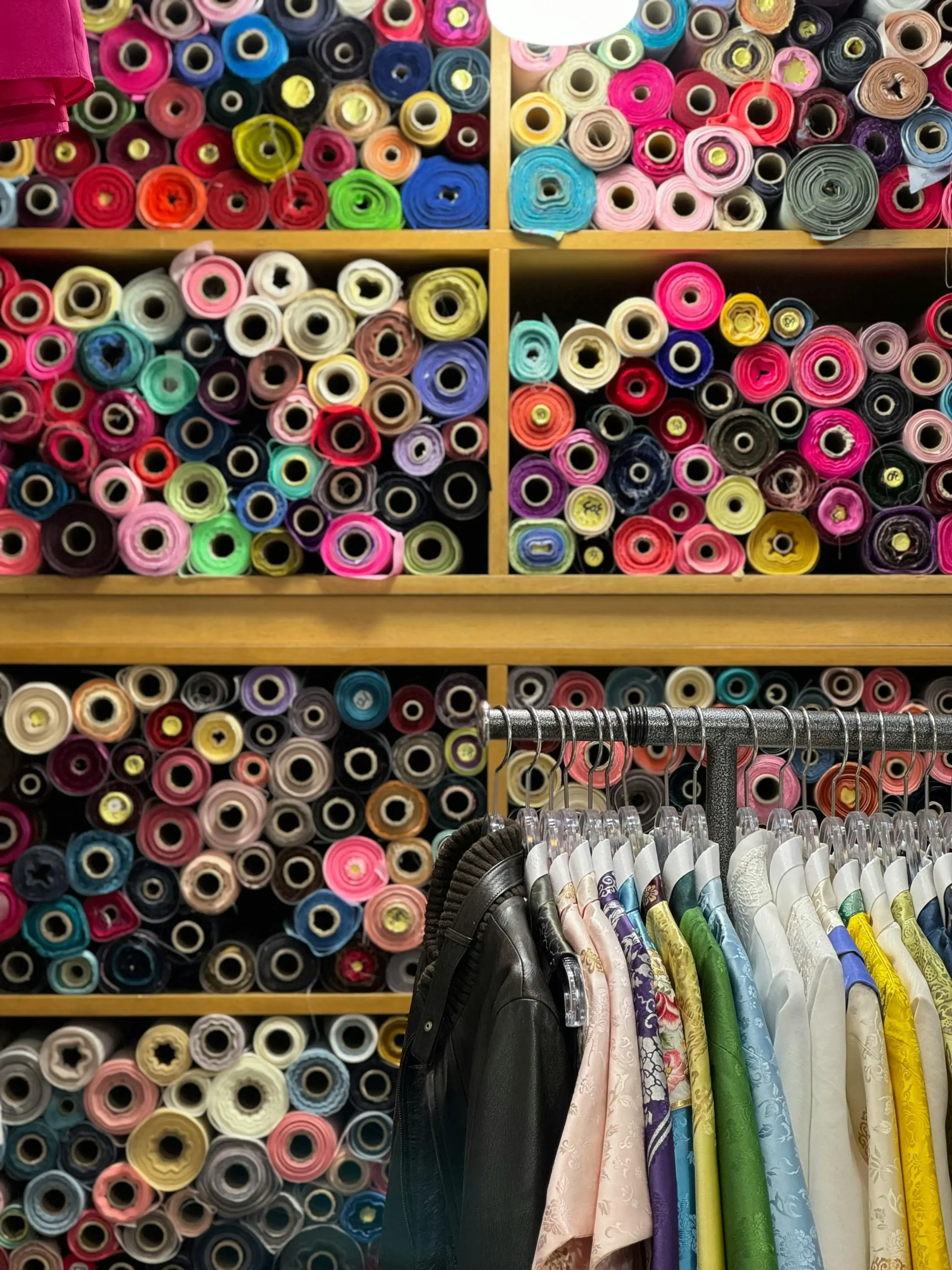
Essentiële elementen die elk tech pack moet bevatten
A photo is a suggestion.
Start with the yarn. If you send us a swatch and say ‘match this’, we can guess the fiber, but we can’t reverse-engineer the construction. A proper custom knit fabric specification sheet lists the yarn type (e.g., lambswool, recycled polyester, Japanese lurex), the blend ratio by weight (70/20/10), and the count. For fancy tweeds and bouclés, a small count like Nm 2/15 tells the mill the exact twist and thickness of each ply—without it, the hand feel drifts.
Next, target weight and drape. Don’t just write ‘coat weight’ or ‘lightweight.’ Give a GSM range with a tolerance—say, 380-420 gsm. For hand feel, attach a physical reference swatch. In our R&D lab, we benchmark against four standards: Chanel-style bouclé, boiled wool, brushed cashmere, and heavy melton. State which one your fabric should resemble. If the spec sheet only says ‘soft,’ the spinner uses the most economical softener, and you get a limp fabric that fails sample approval on the first round.
Kleur is waar de meeste opkomende ontwerpers twee weken verliezen. Pantone-codes verwijzen naar inkt op papier, niet naar garen. Voor een garengeverfde tweed heb je een labdip nodig die onder D65-daglicht is gematcht. Vraag altijd een fysieke dip op en beoordeel die naast je Pantone-staal en je referentiestof. Bouw een kwaliteitstolerantie in het tech pack: ±5% tintverschil tussen labdip en bulk is acceptabel. Zonder die tolerantie loop je het risico een hele productiepartij af te keuren op een normale verschuiving tussen verfbaden - een dure fout wanneer de FOB-prijs al vastligt.
- Dye method: State ‘yarn-dyed’ for multi-tonal depth or ‘piece-dyed’ for solid colors. For knits, note if stripes or jacquards require yarn-dyed.
- Finish: Geef het ruwniveau aan (licht, zwaar), de anti-pillingbehandeling en het type softener — siliconen voor glijding, kationisch voor een drogere greep. Vraag bij bouclé om de lusgrootte in mm en het slub-interval.
- After-treatment: Include ‘anti-pilling finish to Grade 4 per ICI pilling box’ or ‘milled finish for a felt-like drape.’ This prevents the mill from delivering an untreated fabric that pills after three wears.
Veelgemaakte fouten van ontwerpers die bemonstering vertragen
De meeste vertragingen bij bemonstering komen voort uit drie te verhelpen fouten in de technische specificatie.
Skipping the obvious complaints, the focus shifts to what a mill actually needs. The single biggest breakdown in custom knit and tweed sourcing happens when a designer describes a fabric like they’re writing a Yelp review for a cashmere scarf. ‘Soft’ means nothing. ‘Fluffy’ means nothing. A tech pack that relies on adjectives instead of numbers forces the R&D team to guess. And guessing adds two to three weeks of back-and-forth.
The second mistake — and this one accounts for nearly half the rejected first samples I’ve seen — is glossing over the dimensional specs of surface effects. Bouclé loop size, slub interval, cable twist tightness. If you don’t call them out, the mill defaults to a generic look. By the time you receive the lab dip or the handloom, the texture is off, and you’re starting over.
- Vague hand feel: Replace ‘soft’ with a target gsm range (e.g., 350–420 gsm for a mid-weight bouclé) and a reference swatch for drape. Without it, you’ll get something that feels close enough — until it doesn’t drape the way you need.
- Ontbrekende oppervlaktemetingen: Als u elke 8-12 mm een slub wilt of een bouclé-lus met een diameter van 3 mm, zet dat dan in het tech pack. Anders gebruikt de spinner standaard machine-instellingen, en dan oogt het resultaat als een bulkstof, niet als uw exclusieve textuur.
- Nabehandeling overslaan: Most novices stop at the yarn and color. They forget to specify anti-pilling grade, softener type, or enzyme wash. A tweed that feels luxurious at the sample stage can pill like a cheap sweater after three wears if the finish isn’t engineered.
Een bepaalde aanzienlijke bestelling schiet me te binnen—het pre-productiemonster was goedgekeurd, maar de bulkzending arriveerde met een ruwere hand en zichtbare pilvorming. De oorzaak? Het tech pack vermeldde alleen ‘zacht geborstelde afwerking’ zonder de naam van de mechanisch borstelproces en cycli. De fabriek gebruikte een borstel met één doorgang; het goedgekeurde monster was met drie doorgangen behandeld. Precisie in de formulering van de nabehandeling zou de hele claim hebben voorkomen.
De oplossing is eenvoudig: behandel uw tech pack als een recept, niet als een moodboard. If you can’t measure it, the mill can’t guarantee it.
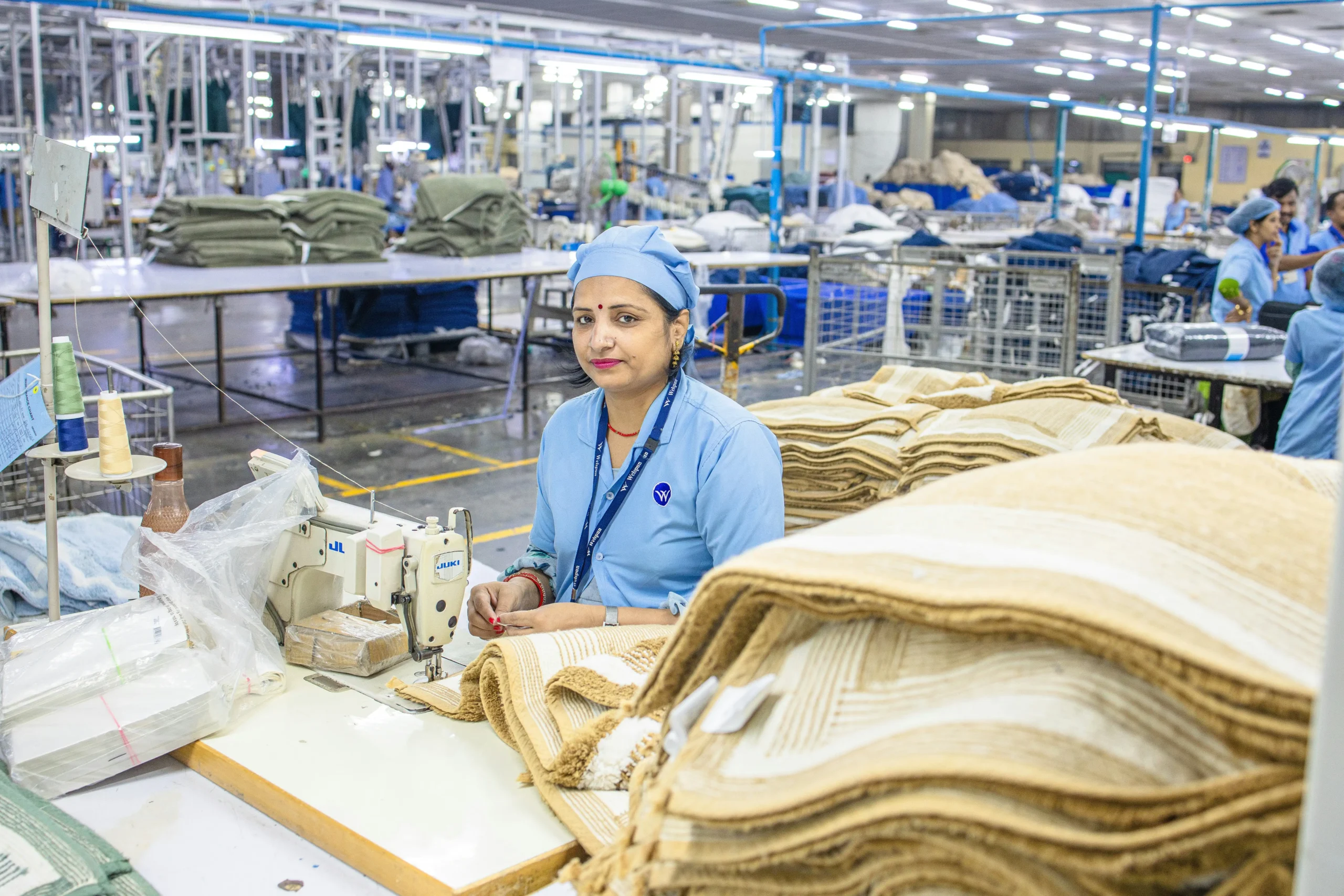
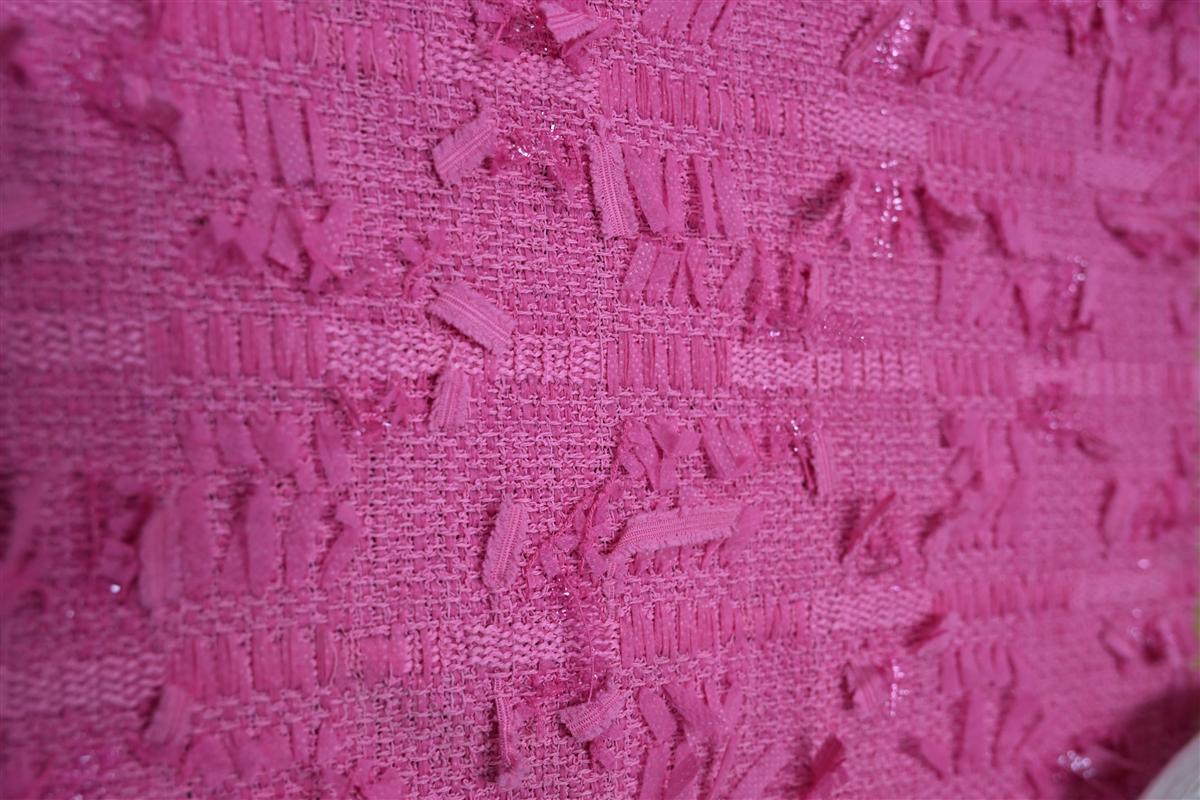
Hoe het R&D-team van Fursone uw tech pack gebruikt
Wij laten het monstergaren rechtstreeks volgens uw numerieke specificaties spinnen, niet op basis van een gok vanaf een foto.
De meeste ontwerpers sturen een merklapje plus een bijvoeglijk naamwoord: "zacht", "donzig" of "Chanel-style". Dat is een beginpunt, geen specificatie. Een weverij kan textuur niet reverse-engineeren uit een foto. Wat we nodig hebben, is de garenconstructie die dat handfeel creëert. Staat er in je tech pack een Nm-telling zoals 2/15, dan kennen wij de exacte twist, dikte en vezelverdeling om te spinnen. Dat is het verschil tussen een generiek monster en een monster dat het gewicht, de drape en de oppervlaktestructuur evenaart die je voor ogen had.
- Garengeverfd vs. stukgeverfd: Stuurt u een staal mee zonder notities over de verfmethode, dan krijgt u mogelijk een vlakke, stukgeverfde versie van wat een tweed met meerdere tinten zou moeten zijn. Garengeverfde constructies creëren diepte die stukverven nooit kan evenaren. Wij signaleren deze leemte direct wanneer uw specificatie er niets over zegt.
- Lusgrootte & slubinterval: Omdat wij in-house spinnen, kunt u de lusgrootte van de bouclé in millimeters bepalen en de spatiëring van de noppeneffecten. Dat voorkomt de "bijna goed, maar niet juist"-samples die 2-3 rondes verspillen. Geen vertraging door externe garenleveranciers.
- Gewichtstolerantie in de praktijk: Als uw doel 420 gsm is, spinnen wij met 415–430 gsm als richtpunt. Een vage aanvraag als “medium-zwaar” garandeert een mismatch. Wij zetten beschrijvingen van het handgevoel om in een meetbare gsm-range voordat het eerste garen wordt getwist.
De klok van 7 dagen bemonstering start zodra we een complete specificatie hebben. Dag één: garenmenging en kleurdoel worden ingeboekt in de wachtrij van het spinnen bij onze partnermolens. Op dag drie staat de eerste meter grijs goed op de brei- of weefmachine. Dag vier tot vijf gaat naar de afwerking—brushen, soften of anti-pilling treatments precies zoals vermeld in je eisen voor nabehandeling. Op dag zes snijden, labelen en fotograferen we het staal onder gestandaardiseerde belichting. Op dag zeven wordt het verzonden. Als je tech pack geen garennummer bevat, dye method, of afwerkingsinstructies, dan breekt die lus op dag één, terwijl ons R&D-team u verduidelijkende vragen terugstuurt.
Een praktijkvoorbeeld: een ontwerper van herenkleding vroeg om een gestructureerd kabelbreigoed met een “droge greep” voor een overshirt. Het tech pack vermeldde Nm 2/28 wol-acrylmengsel, een doelwaarde van 385 gsm, en een siliconenvrije softener. Zonder dat niveau van detail hadden we misschien een standaard mellow finish gemaakt die de structuur om zeep had geholpen. In plaats daarvan werd het eerste staal in één ronde goedgekeurd, en de order ging door naar de 300m custom MOQ window immediately.
Conclusie
Jouw tech pack kan een aanzienlijke discrepantie tussen het pre-productiemonster en de massaproductie voorkomen. Voordat je akkoord geeft, wees specifiek: monstergoedkeuring mag niet afhangen van een foto; het vereist numerieke referenties zoals garentelling, gsm-gewicht en een duidelijke kwaliteitstolerantie voor slubgrootte.
Hier zijn drie vragen die u nu aan uw weverij kunt stellen: 1. Vermeldt uw tech pack de exacte garennummer en mengverhouding, niet alleen een foto van een staal? Ja / Nee 2. Heb je het doelgewicht (gsm) vastgelegd en een meetbare referentie voor de handfeel, met een tolerantiemarge? Ja / Nee 3. Heb je bevestigd of het monster garengeverfd of stukgeverfd wordt, en welke nabehandeling acceptabel is (antipilling, softener)? Ja / Nee.
Veelgestelde vragen
Waarom een tech pack gebruiken in plaats van alleen een foto?
Een foto toont alleen het oppervlak, niet het gewicht, de garensamenstelling of het afwerkingsproces. Een echt tech pack geeft de fabriek meetbare parameters om uw ontwerp te repliceren, niet te interpreteren. Stuur specificaties van het weefgoed, niet alleen inspiratie.
Wat zijn de grootste fouten in tech packs voor breigoed op maat?
The biggest mistake is using vague adjectives like ‘fluffy’ without a target gsm or reference swatch. Mills need a physical hand-feel benchmark and a weight range to even begin yarn selection correctly. Always staple a reference swatch to your spec sheet.
Welke garendetails vereist een tech pack voor maatwerk-tweed?
Fiber blend ratio, yarn count, and novelty parameters like slub thickness or bouclé loop size. If you omit the exact slub length, you risk getting a standard yarn that undermines your fabric’s character. Specify slub and bouclé sizes to lock in texture.
Hoe communiceer ik handgevoel in een tech pack?
Use a quantitative target like gsm and a physical reference swatch, not just words. Mills match against a swatch’s drape and surface finish, so a 280gsm reference with peach-skin finish is actionable; ‘soft’. Send a swatch and a weight, not a feeling.
Hoe snel is de monstername bij Fursone?
Je kunt binnen 7 dagen een fysiek staal krijgen wanneer je een compleet tech pack aanlevert. Die snelheid hangt af van volledige duidelijkheid vooraf over je garenmengeling en het streefgewicht, omdat elke herwikkeling. Dien een volledige spec in om de aftelling van 7 dagen te starten.
Gezaghebbende bronnen

Gerelateerde inzichten

How to Compare Fabric Quotes from Three Mills: A Side-by-Side Method
Three mills return three quotes for the same fabric brief, and the spread between them...

Capaciteitsplanning rond Chinees Nieuwjaar: een stoffabriek boeken
Every year, fabric buyers lose the same three weeks to the same event: Chinese New...

Strategie voor een tweede leverancier: hoe merken een tweede tweedweverij kwalificeren
Single-sourcing a signature fabric feels efficient right up to the season it fails: the mill’s...