

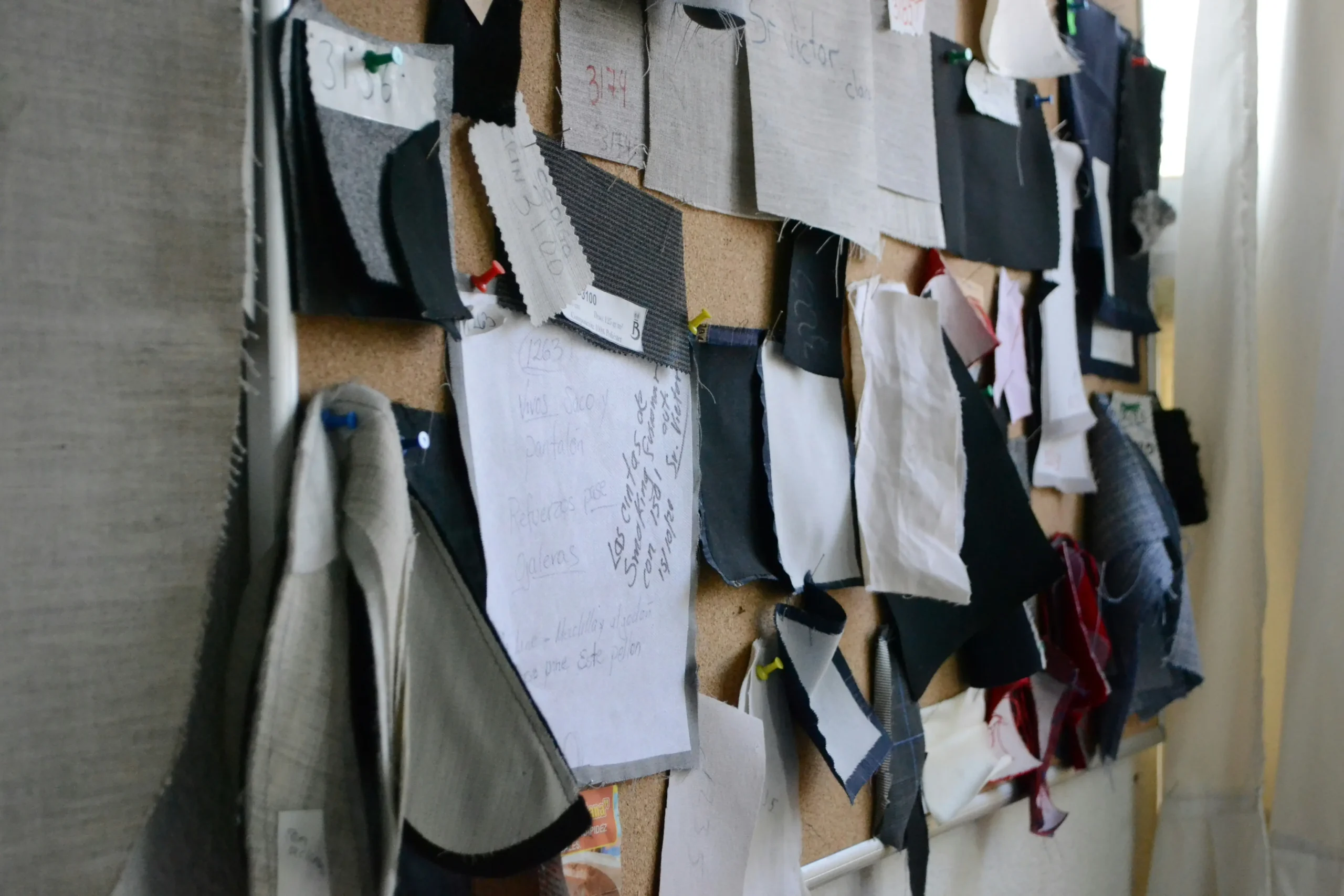
tech pack custom fabric is the first checkpoint buyers should lock before they approve a supplier, budget, or production slot. Have you ever had a supplier explain away a failed bulk shipment by saying it fell within “normal quality tolerance,” even though the hand feel and drape were miles from the pre-production sample? One designer learned this the hard way—her substantial order of custom tweed arrived with a flat, lifeless surface that shared nothing with the rich bouclé sample she had approved. The root cause was not a rogue factory; it was a tech pack custom fabric that listed aPantone colorand the word “soft.” A mill cannot engineer a luxury texture from adjectives or a photo. That’s why a proper tech pack reads more like an engineering brief than a mood board.
Before you finalize FOB pricing or sign a sample approval, make sure your supplier can answer three yes/no questions to prevent the most common sampling-to-production drift. 1. Does your spec lock the yarn count and blend ratio (e.g., Nm 2/15, 70% wool/30% recycled poly) with the same precision you’d use for garment measurements? 2. Will they define quality tolerance for hand feel using a calibrated gsm range and a sealed reference swatch, not just a digital photo? 3. At the lab dip stage, do they confirm whether the color is yarn-dyed or piece-dyed—because that single decision changes the multi-tonal depth of a tweed completely?

Why a Tech Pack Matters for Custom Fabric
A photo is a wish; a spec sheet is a blueprint.
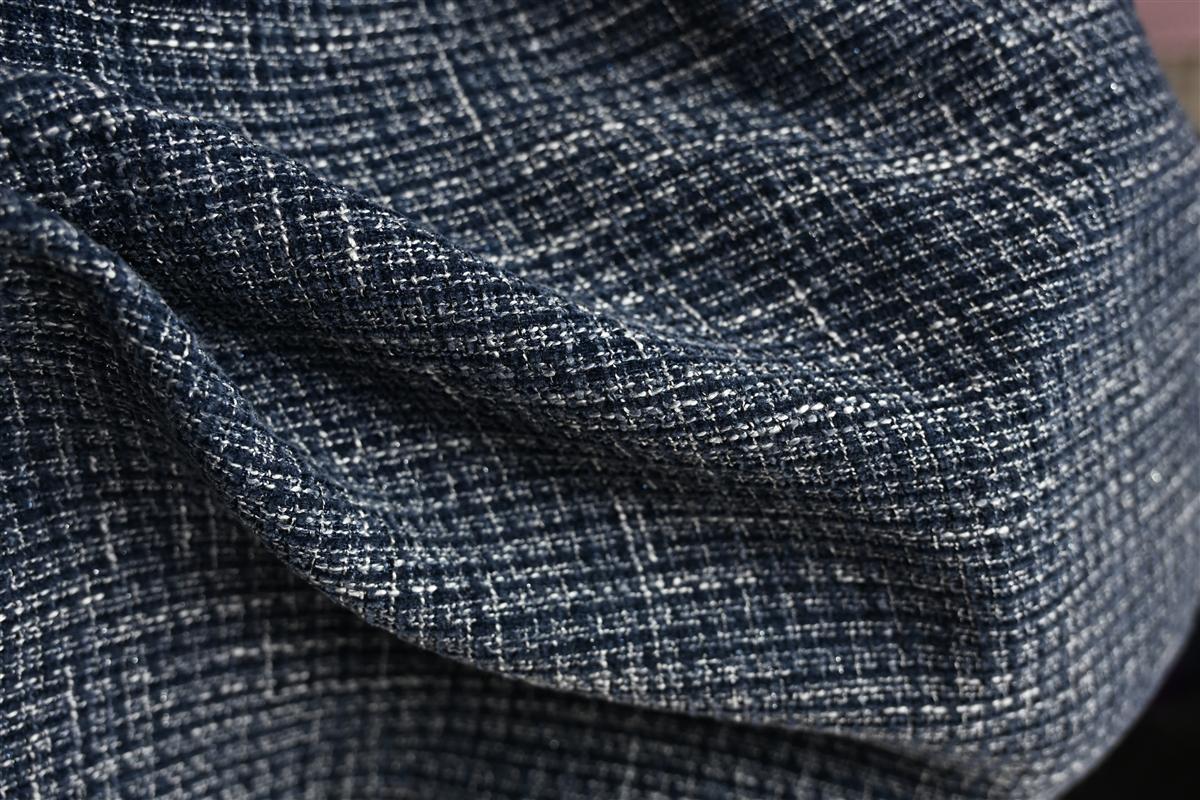
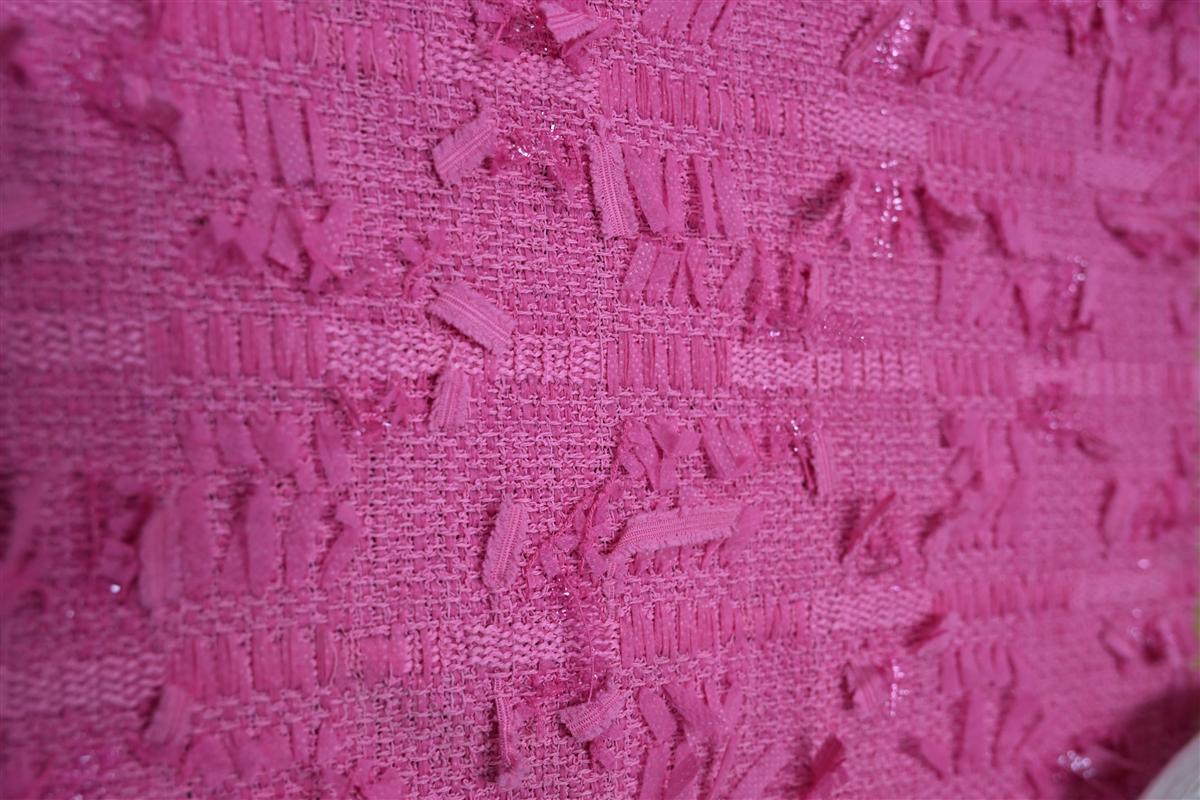
I’ve seen designers email a moodboard snapshot of a Chanel tweed jacket and ask for ‘this texture.’ The mill spins something — but it’s never right. A photo shows color and surface fuzz, but it hides the real construction: yarn count like Nm 2/15, whether the fabric was yarn-dyed or piece-dyed, and after-treatments that control pilling. Without those, the factory guesses. When you’re writing a tech pack for tweed fabric, that guess costs you sampling rounds and money.
- Photo sends visual only: Shows color and rough texture, not the blend of Australian Merino vs. acrylic, nor the slub interval that gives a bouclé its rhythm. A custom knit fabric specification sheet must define those variables.
- Spec locks construction: Lists exact yarn type, count, weight (gsm), and dye method. For example, specifying ‘yarn-dyed’ versus ‘piece-dyed’ determines whether tweed gets its multi-tonal depth — a detail designers routinely overlook in a boucle fabric tech pack sample.
- Yarn architecture: Nm 2/15, slub interval (e.g., every 8 cm), bouclé loop size (3–5 mm). These prevent generic imitations.
- Weight & hand: Target 350–500 g/m², reference swatch for hand feel — avoids vague ‘soft’ requests.
- Color & dye: Pantone reference + note if yarn-dyed or piece-dyed. Lab dips align before spinning.
- Finish: Anti-pilling treatment, softener level. Omit this, and mass production won’t match the approved sample.
A clear spec doesn’t just prevent wrong samples; it slashes the back-and-forth. In our R&D work, a complete spec — with numeric gsm weight for custom fabric, yarn count for knitwear tech pack, and Pantone codes for yarn-dyed tweed — often delivers a first-round sample that needs only minor weight or color adjustment. When a spec is missing bouclé loop size or slub thickness, three to four rounds are common. One missing millimeter of loop height can mean re-spinning a whole sample batch.
The most common mistakes in fabric tech pack come from assuming a mill can fill in the blanks. They can’t. When Fursone receives a 7-day sampling tech pack with millimetre-level loop specs and dye method, we spin a sample yarn — not just a fabric — in the first week. That’s the difference between building a textile and chasing a photograph.
Essential Elements Every Tech Pack Must Include
A photo is a suggestion.
Start with the yarn. If you send us a swatch and say ‘match this’, we can guess the fiber, but we can’t reverse-engineer the construction. A proper custom knit fabric specification sheet lists the yarn type (e.g., lambswool, recycled polyester, Japanese lurex), the blend ratio by weight (70/20/10), and the count. For fancy tweeds and bouclés, a small count like Nm 2/15 tells the mill the exact twist and thickness of each ply—without it, the hand feel drifts.
Next, target weight and drape. Don’t just write ‘coat weight’ or ‘lightweight.’ Give a GSM range with a tolerance—say, 380-420 gsm. For hand feel, attach a physical reference swatch. In our R&D lab, we benchmark against four standards: Chanel-style bouclé, boiled wool, brushed cashmere, and heavy melton. State which one your fabric should resemble. If the spec sheet only says ‘soft,’ the spinner uses the most economical softener, and you get a limp fabric that fails sample approval on the first round.
Color is where most emerging designers lose two weeks. Pantone codes reference ink on paper, not yarn. For a yarn-dyed tweed, you need a lab dip matched under D65 daylight. Always request a physical dip and evaluate it against your Pantone chip and your reference swatch. Build a quality tolerance into the tech pack: ±5% shade variation between lab dip and bulk is acceptable. Without it, you risk rejecting an entire production lot over a normal dye-lot shift—a costly mistake when FOB pricing has already been locked.
- Dye method: State ‘yarn-dyed’ for multi-tonal depth or ‘piece-dyed’ for solid colors. For knits, note if stripes or jacquards require yarn-dyed.
- Finish: Specify brushing level (light, heavy), anti-pilling treatment, and softener type—silicone for slip, cationic for a dryer hand. For bouclé, request loop size in mm and slub interval.
- After-treatment: Include ‘anti-pilling finish to Grade 4 per ICI pilling box’ or ‘milled finish for a felt-like drape.’ This prevents the mill from delivering an untreated fabric that pills after three wears.
Common Designer Mistakes That Delay Sampling
Most sampling delays trace back to three fixable tech pack errors.
Skipping the obvious complaints, the focus shifts to what a mill actually needs. The single biggest breakdown in custom knit and tweed sourcing happens when a designer describes a fabric like they’re writing a Yelp review for a cashmere scarf. ‘Soft’ means nothing. ‘Fluffy’ means nothing. A tech pack that relies on adjectives instead of numbers forces the R&D team to guess. And guessing adds two to three weeks of back-and-forth.
The second mistake — and this one accounts for nearly half the rejected first samples I’ve seen — is glossing over the dimensional specs of surface effects. Bouclé loop size, slub interval, cable twist tightness. If you don’t call them out, the mill defaults to a generic look. By the time you receive the lab dip or the handloom, the texture is off, and you’re starting over.
- Vague hand feel: Replace ‘soft’ with a target gsm range (e.g., 350–420 gsm for a mid-weight bouclé) and a reference swatch for drape. Without it, you’ll get something that feels close enough — until it doesn’t drape the way you need.
- Missing surface measurements: If you want a slub every 8–12mm or a bouclé loop diameter of 3mm, put that in the tech pack. Otherwise, the spinner uses standard machine settings, and the result looks like a commodity fabric, not your exclusive texture.
- Skipping after-treatment: Most novices stop at the yarn and color. They forget to specify anti-pilling grade, softener type, or enzyme wash. A tweed that feels luxurious at the sample stage can pill like a cheap sweater after three wears if the finish isn’t engineered.
One particular substantial order comes to mind — the pre-production sample was approved, but the bulk shipment arrived with a harsher hand and visible pilling. The root cause? The tech pack mentioned only ‘soft brushed finish’ without naming the mechanical brushing process and cycles. The factory used a single-pass brush; the approved sample had been triple-passed. Precision in after-treatment language would have prevented the entire claim.
The fix is simple: treat your tech pack like a recipe, not a moodboard. If you can’t measure it, the mill can’t guarantee it.
How Fursone’s R&D Team Uses Your Tech Pack
We spin sample yarn directly from your numeric specs, not from a photo guess.
Most designers send a brand swatch and an adjective: “soft,” “fluffy,” or “Chanel-style.” That is a starting point, not a specification. A mill cannot reverse-engineer texture from a photo. What we need is the yarn construction that creates that hand feel. When your tech pack includes an Nm count like 2/15, we know the exact twist, thickness, and fiber distribution to spin. This is the difference between a generic sample and one that matches the weight, drape, and surface interest you envisioned.
- Yarn-Dyed vs. Piece-Dyed: Send a swatch without dye method notes, and you may get a flat, piece-dyed version of what should be a multi-tonal tweed. Yarn-dyed construction creates depth that piece-dyeing can never replicate. We flag this gap immediately when your spec is silent.
- Loop Size & Slub Interval: Because we spin in-house, you can define bouclé loop size in millimeters and the spacing of slub effects. This prevents the “close but not right” samples that waste 2–3 rounds. No outside yarn supplier delays.
- Weight Tolerance Reality: If your target is 420 gsm, we spin aiming for 415–430 gsm. A vague “medium-heavy” request guarantees a mismatch. We convert hand-feel descriptors into a measurable gsm range before the first yarn is twisted.
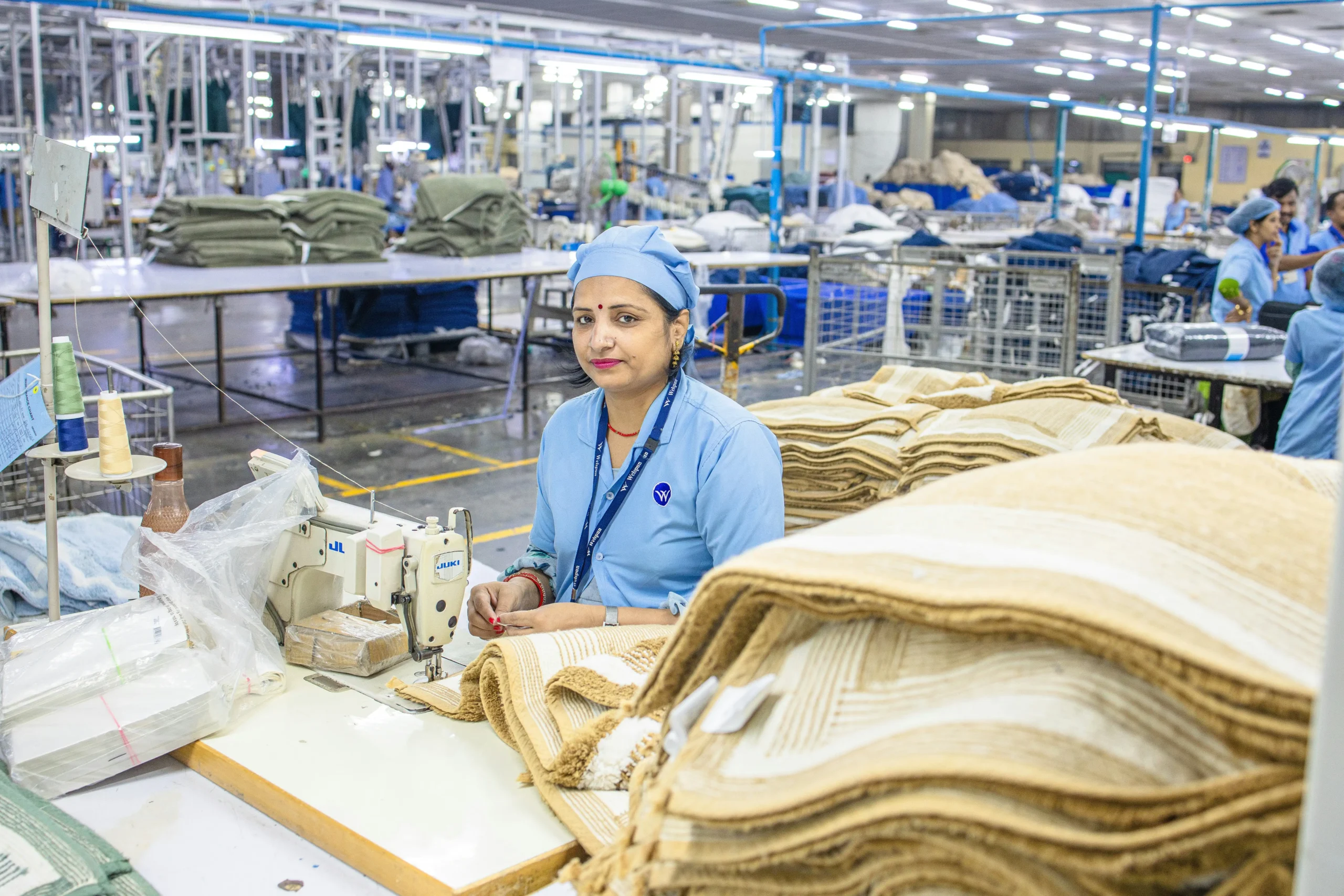
The 7-day sampling clock starts when we have a complete spec. Day one: yarn blend and color target are logged into spinning at our partner mills queue. By day three, the first meter of greige is on the knitting or weaving machine. Day four to five handles finishing—brushing, softening, or anti-pilling treatments exactly as noted in your after-treatment requirements. Day six we cut, label, and photograph the swatch under standardized lighting. Day seven it ships. If your tech pack lacks yarn count, dye method, or finish instructions, that loop breaks on day one while our R&D team sends clarifying questions back to you.
A real example: a menswear designer requested a structured cable knit with a “dry hand” for an overshirt. The tech pack specified Nm 2/28 wool-acrylic blend, a 385 gsm target, and a silicone-free softener. Without that level of detail, we might have produced a standard mellow finish that would have killed the structure. Instead, the first sample was approved in one round, and the order moved into the 300m custom MOQ window immediately.
Conclusion
Your tech pack can prevent a substantial mismatch between the pre-production sample and the mass run. Before you sign off, get specific: sample approval shouldn’t hinge on a photograph; it requires numeric references like yarn count, gsm weight, and a clear quality tolerance for slub size.
Here are three questions to put to your mill right now: 1. Does your tech pack specify the exact yarn count and blend ratio, not just a photo of a swatch? Yes / No 2. Have you defined the target weight (gsm) and a measurable hand feel reference, with a tolerance range? Yes / No 3. Have you confirmed whether the sample will be yarn-dyed or piece-dyed, and the acceptable after-treatment (anti-pilling, softener)? Yes / No.
Frequently Asked Questions
Why use a tech pack instead of just a photo?
A photo only shows surface look, not weight, yarn composition, or finishing. A true tech pack gives the factory measurable parameters to replicate your design, not interpret it. Send yardage specs, not just inspiration.
What are the top tech pack mistakes for custom knits?
The biggest mistake is using vague adjectives like ‘fluffy’ without a target gsm or reference swatch. Mills need a physical hand-feel benchmark and a weight range to even begin yarn selection correctly. Always staple a reference swatch to your spec sheet.
What yarn details does a custom tweed tech pack require?
Fiber blend ratio, yarn count, and novelty parameters like slub thickness or bouclé loop size. If you omit the exact slub length, you risk getting a standard yarn that undermines your fabric’s character. Specify slub and bouclé sizes to lock in texture.
How do I communicate hand feel in a tech pack?
Use a quantitative target like gsm and a physical reference swatch, not just words. Mills match against a swatch’s drape and surface finish, so a 280gsm reference with peach-skin finish is actionable; ‘soft’. Send a swatch and a weight, not a feeling.
How fast is sampling from Fursone?
You can get a physical swatch within 7 days when you supply a complete tech pack. That speed depends on total clarity of your yarn blend and target weight upfront, because any rewinding. Submit a full spec to start the 7-day countdown.
Authoritative References

Related Insights

How to Compare Fabric Quotes from Three Mills: A Side-by-Side Method
Three mills return three quotes for the same fabric brief, and the spread between them...

CNY Capacity Planning: Booking a Fabric Mill Around Chinese New Year
Every year, fabric buyers lose the same three weeks to the same event: Chinese New...

Second-Source Strategy: How Brands Qualify a Second Tweed Mill
Single-sourcing a signature fabric feels efficient right up to the season it fails: the mill’s...