

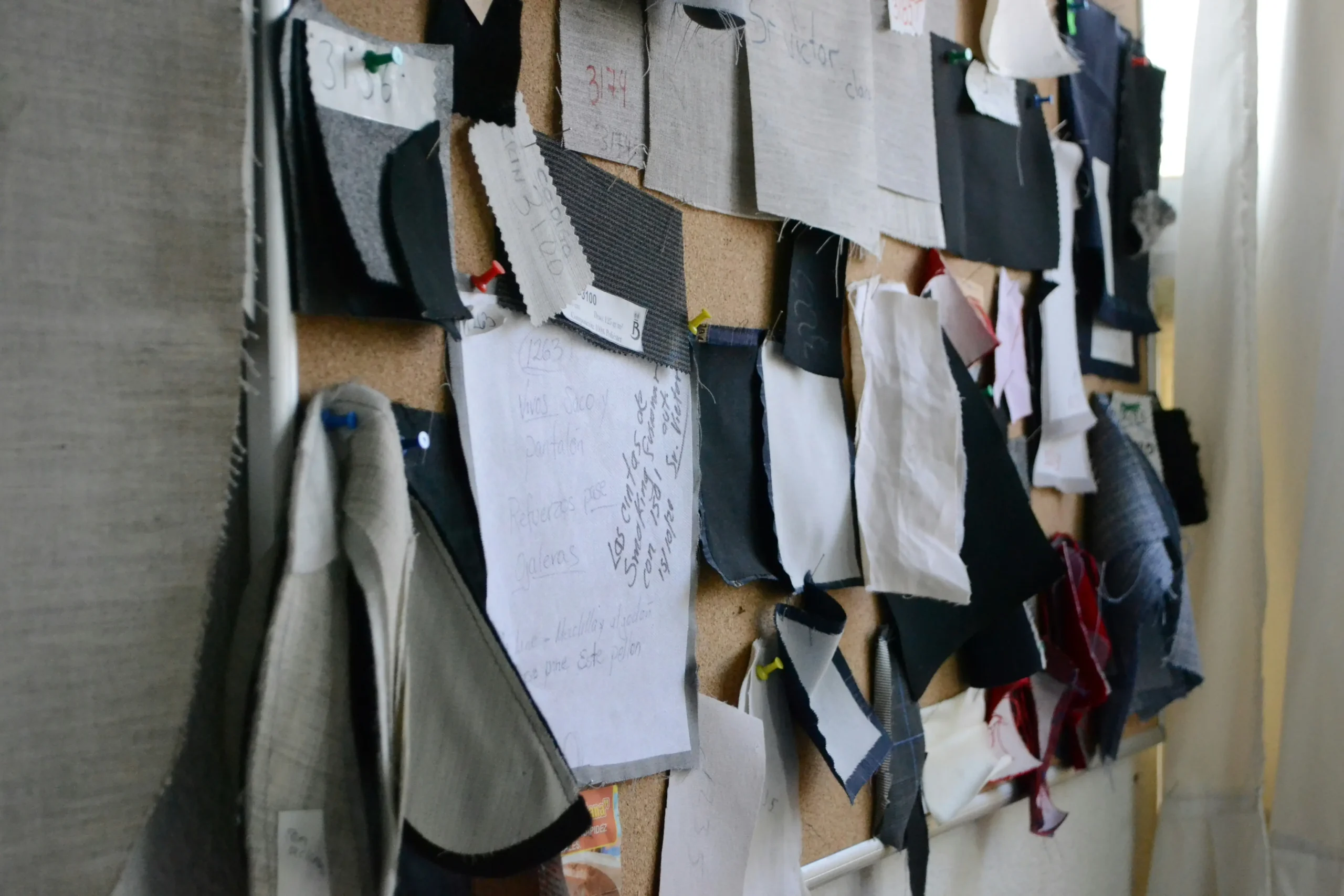
compare fabric swatches quality is the first checkpoint buyers should lock before they approve a supplier, budget, or production slot. Three weeks after a designer I mentor signed off on a pre-production sample she adored, she cut into a 100-meter roll of tweed for her debut jacket run. The yardage had a dead hand, the loops flattened in two places, and the color under daylight pulled half a shade into tobacco territory. She tried to compare fabric swatches quality against what she approved, but the mill had already shipped FOB pricing terms and the wire was cleared — a five-figure sum order that couldn’t hit a single lookbook shot without heavy filtering. The swatch in her hand wasn’t from the same dye lot or even the same spinning batch. That’s not a supplier error you catch at the cutting table; it’s one you prevent during sample approval, before you release a PO.
Most first-time buyers treat swatch evaluation like checking color on a phone screen. Real quality comparison lives in three tests you can run on a desk in ten minutes: a weight check against GSM targets, a loop uniformity look under a task light, and a wet-press shrinkage check most mills won’t volunteer. If your bouclé loops snag on a dry fingernail, the yarn twist is too loose for garment-duty and you’ll see zipper failure after three dry cleanings. Get a sample that comes with the exact dye lot reference and a written quality tolerance — AQL 2.5 is the fashion floor.
Write this number where you’ll see it before your next supplier call: 350 GSM. That’s the minimum weight for a structured tweed jacket that holds its silhouette after one season. Below 300 GSM, you’re buying a dress-weight fabric that will sag in a sleeve head. When you know your benchmarks, you stop hoping the bulk run matches the swatch — you prove it before you pay.
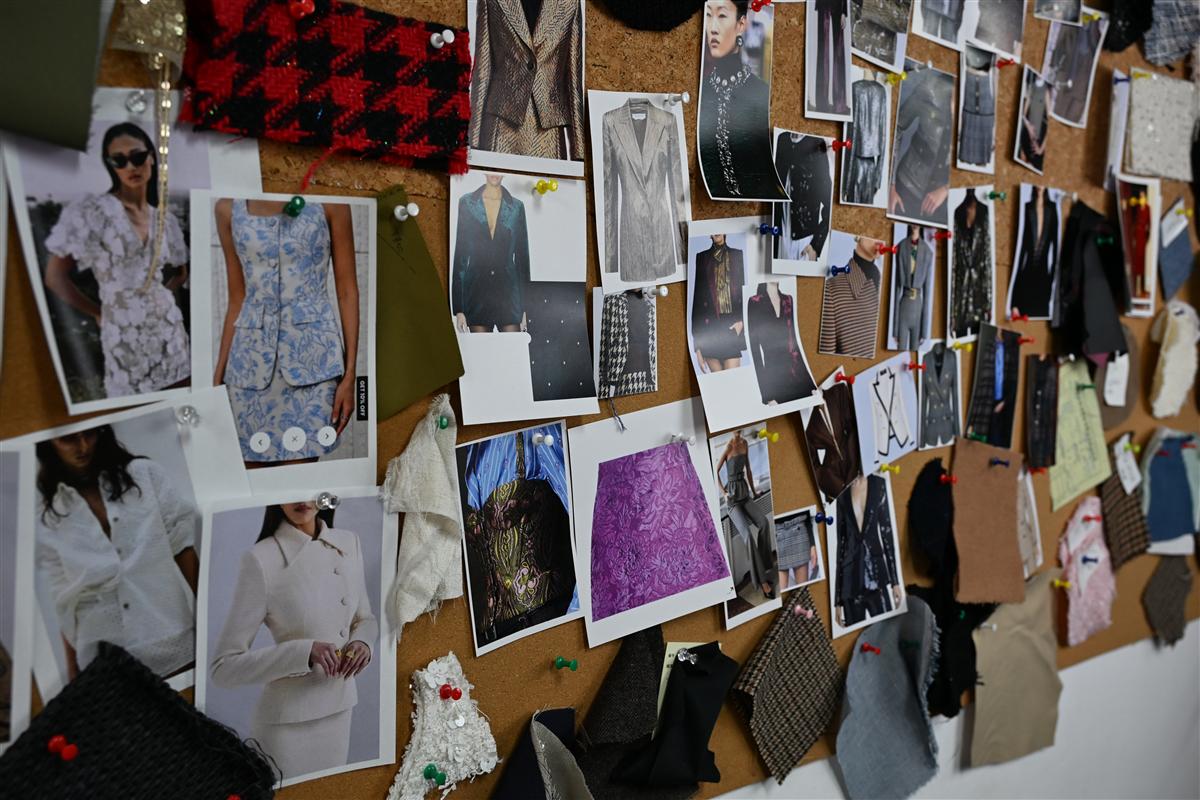
Weave Density & GSM Check
A gram scale and pick glass expose what photos hide.
Cut a 10cm x 10cm square from the swatch, weigh it on a precision gram scale, and multiply by 100. That’s your GSM—grams per square meter. Simultaneously, use a pick glass to count threads per inch. If the sample looks dense online but reads 280 GSM, your jacket will sag. Always run this check on every swatch before you even think about drape.
For structured tweed jackets, you need 350–450 GSM. A bouclé dress sits beautifully at 280–350 GSM. Below 300 GSM on a tweed, the fabric loses body fast—after two wears, it looks exhausted. On the flip side, a huge number like 600 GSM on a swatch might feel luxurious, but it often signals a mill is selling you upholstery-grade cloth. Check the back: if you see a rubbery coating, walk away. That’s not fashion; it’s furniture.
- Mill Sample Card vs. Open-Market Swatch Density: A mill’s own card will hit its stated GSM ±5%, because they control the spinning. We tested random open-market swatches: 4 out of 10 were 12–18% below claimed weight. Inconsistent yarn tension is the culprit—and it’s invisible in photos.
- GSM Drives Price—and Hand-Feel: Higher GSM means more raw fiber, longer spinning time, and deeper dye penetration. A 400 GSM tweed costs roughly 25–35% more than a 300 GSM equivalent, but the drape and resilience difference is night and day. See our cost difference article for a full breakdown per meter.
One more trick most guides skip: steam press the swatch for 10 seconds. If the fabric puckers, shrinks, or the loops flatten out, that’s a red flag for cheap finishing. A properly pre-treated tweed or bouclé—like ours, run through anti-shrinkage and anti-pilling—holds shape and dimension straight out of the steamer. You can replicate this at your studio with a home iron.
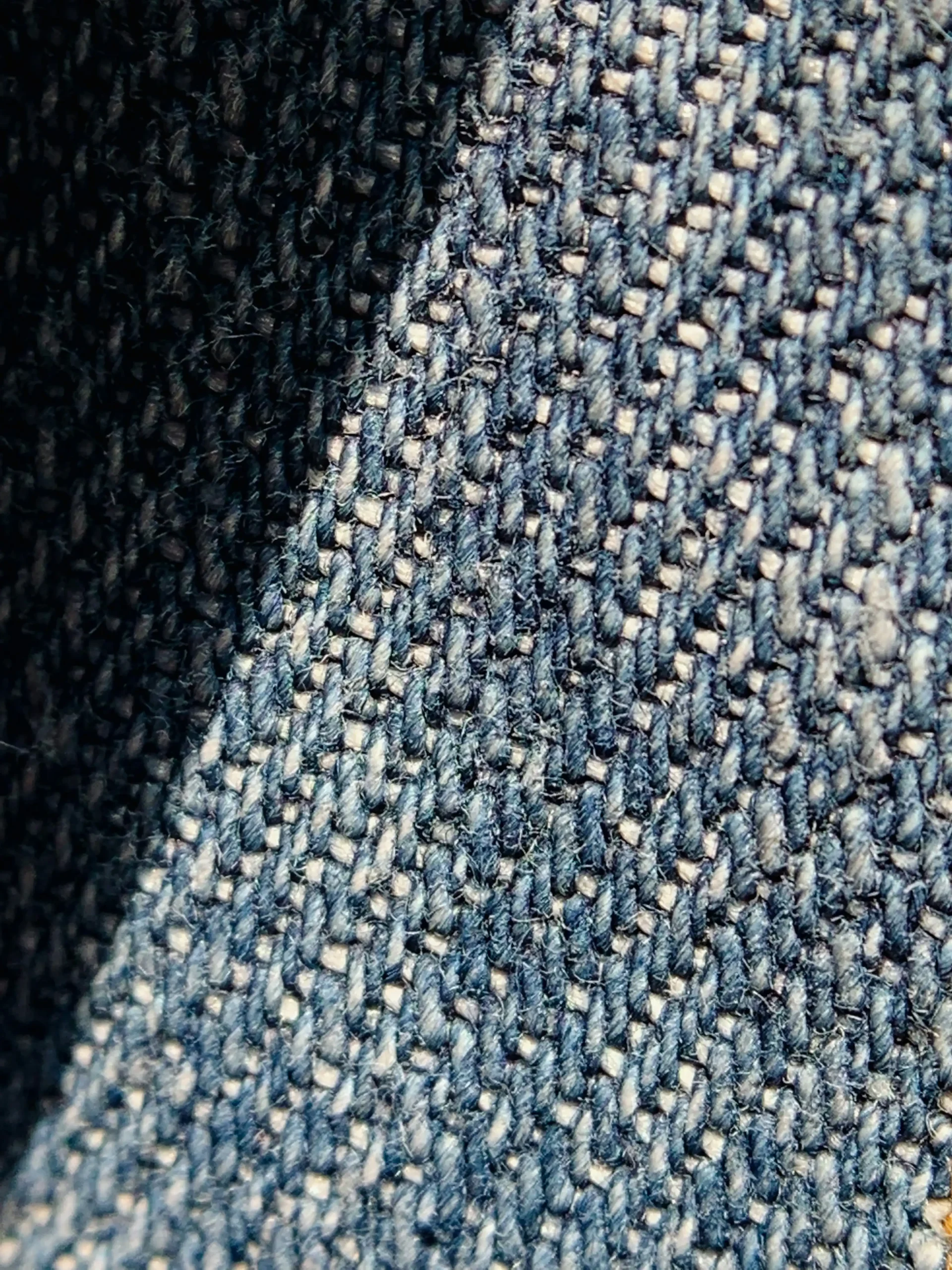
Bouclé Loop Uniformity Test
You can run this bouclé loop uniformity test in five minutes with just a desk lamp and your fingernail. It catches the defect that ruins a production run faster than any lab report.
Place the swatch under a bright desk lamp angled at about 45 degrees. Look across the surface, not straight down. You’re checking for loop height consistency. Apparel-grade bouclé should show no more than 2 mm of variation between the tallest and shortest loops. A bigger gap means the yarn wasn’t spun with garment construction in mind — you’ll face zipper snagging on jackets and seam puckering on dresses. Here at the Wenzhou mill, we hold our premium grades to under 1 mm variance, but a slight irregularity is actually your friend. It proves the yarn was hand-crafted with intentional character, not churned out by a soulless machine.
- Flip the swatch: Check the reverse side for any yellowish tint or color bleed. Cheap, unfixed dye seeps through the backing. This fabric will transfer color onto linings and skin after the first dry cleaning. If you see staining on the back, reject it.
- Fingernail snag test: Lightly drag your fingernail across the looped surface. If loops catch immediately and pull out of the weave, that yarn is under-spun. On a factory floor, this translates to pilling before the sample approval stage even ends. A quality bouclé should feel textured but resist snagging.
Most designers don’t know that a lot of bouclé sold to fashion brands is actually upholstery-grade stock. Mills clear it by calling it ‘heavyweight,’ but the rubbery backing and 3–4 mm loop height destroy garment construction. We enforce a strict 2 mm maximum loop height specifically to protect zippers and seams. Ask your supplier directly: ‘Do you produce this for apparel, or is it a sofa fabric?’ If they hesitate, walk away. Our swatch card ships with the exact dye lot reference, so the loop quality you approve is exactly what hits your cutting table — no batch-swap surprises.
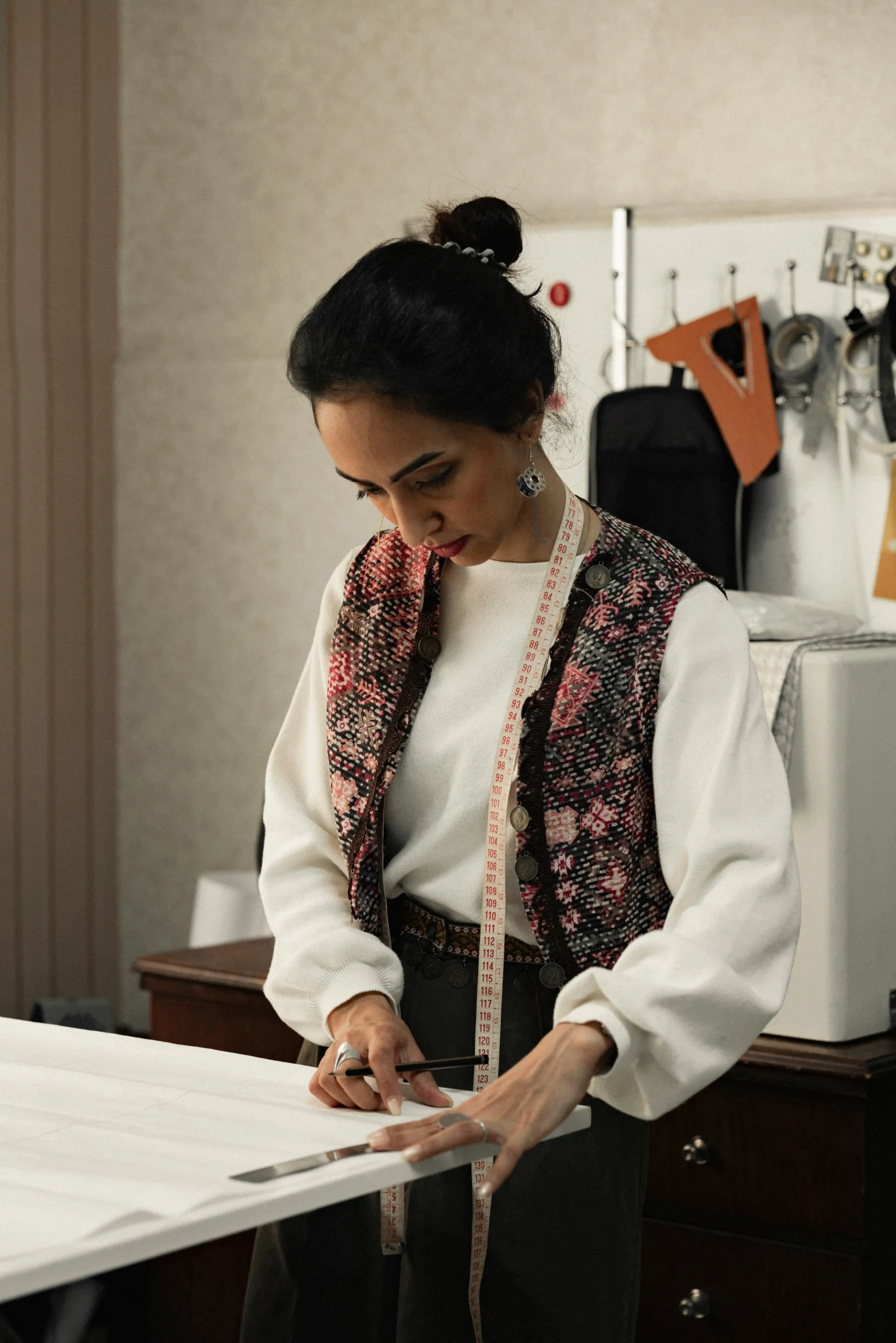
DIY Colorfastness Rub Test
A damp white cloth in your hand beats a lab report you can’t verify.
Take a 2-inch square of your tweed or bouclé swatch. Press a clean, damp white cotton cloth against it for exactly 5 seconds. Lift it. If you see color on the white cloth, you’ve got crocking — dye bleeding under friction. Swatches have been observed where 80% of the surface dye transferred in that short window. That fabric will ruin
Now do it dry. Rub the same white cloth back and forth 20 times with moderate pressure. Any color transfer means the dye sits on the surface, not bonded into the yarn. For tweeds heading to dry cleaning, grab rubbing alcohol. Dampen the cloth, rub 10 times. Alcohol simulates the perchloroethylene used in 90% of commercial dry cleaning cycles. Zero transfer here is the only acceptable result.
- OEKO-TEX standard: Our dyes pass Martindale abrasion testing with a 4–5 rating (ISO 12947-2). In plain terms: after 50,000 rub cycles, the color shift is invisible to the naked eye. Unless a supplier shows you a test certificate from an accredited lab, treat any ‘colorfast’ claim as marketing.
- Field test vs. lab reliance: Lab reports can be gamed with a specially prepared sample. Your own alcohol rub can’t. A supplier who ships a swatch that fails your 10-second test has zero quality control on the dye lot. Walk away.
- Upholstery-grade trap: Many mills dump upholstery bouclé labeled as ‘fashion’. Upholstery dyes are not tested for skin contact crocking. If the swatch has a rubbery backing or smells chemical when wet, you’re holding furniture fabric. Our standard enforces loops under 2 mm to prevent zipper snagging and apparel failure.
Combine the damp rub test with the alcohol rub for a 5-minute QC protocol. Don’t let a supplier’s glossy swatch card fool you. If they won’t send a sample from the exact dye lot they intend to ship, assume you’ll get a different color in bulk. At our partner mills in Wenzhou, the sample you test is cut from the same yarn batch as your 100m order. No bait-and-switch. No lab dip lottery.

Hand-Feel & Pilling Prediction
The scrunch test reveals whether a fabric will hold its shape through a full day of wear — not just on a.
Crumple the swatch in your palm for 10 seconds. Release it flat. A quality tweed, woven from 100% wool or a high-wool blend, snaps back with barely a crease. If deep wrinkles linger, the fabric lacks resilience and will crease badly in a finished jacket. This test costs nothing and saves you from garments that look tired by noon.
- Spring-back: A woven tweed with tight, dense yarns rebounds in under 5 seconds; slow recovery signals loose spinning or cheap filler fibers.
- Crease retention: Deep creases that remain after 30 seconds mean the fabric will press poorly and develop permanent fold lines in a garment.
- Surface texture: Run your fingers over the swatch. Chunky, uneven slubs that feel coarse rather than crisp indicate poor spinning that will generate pills with friction.
For bouclé, the pilling risk lies in fiber composition. Bouclé with more than 30% acrylic content shows micro-pills immediately after a light rub. Synthetic fibers have short staple lengths that migrate to the surface. Drag your thumbnail across the swatch — if pills appear, walk away. That yarn will shed pills publicly after the first few wears, and your customer will notice.
Most mills ship swatches as-is, skipping the anti-pilling finish because it adds processing cost. You receive a pristine swatch that looks perfect, then your bulk order pills within a week. Insist on a mill that pre-treats samples to match final garment performance. Our swatches undergo a dedicated anti-pilling bath and heat-set process that locks fibers and pushes pilling resistance past 1,000 Martindale cycles using Australian Merino wool. That’s the spec that keeps your collection looking expensive, not disposable.
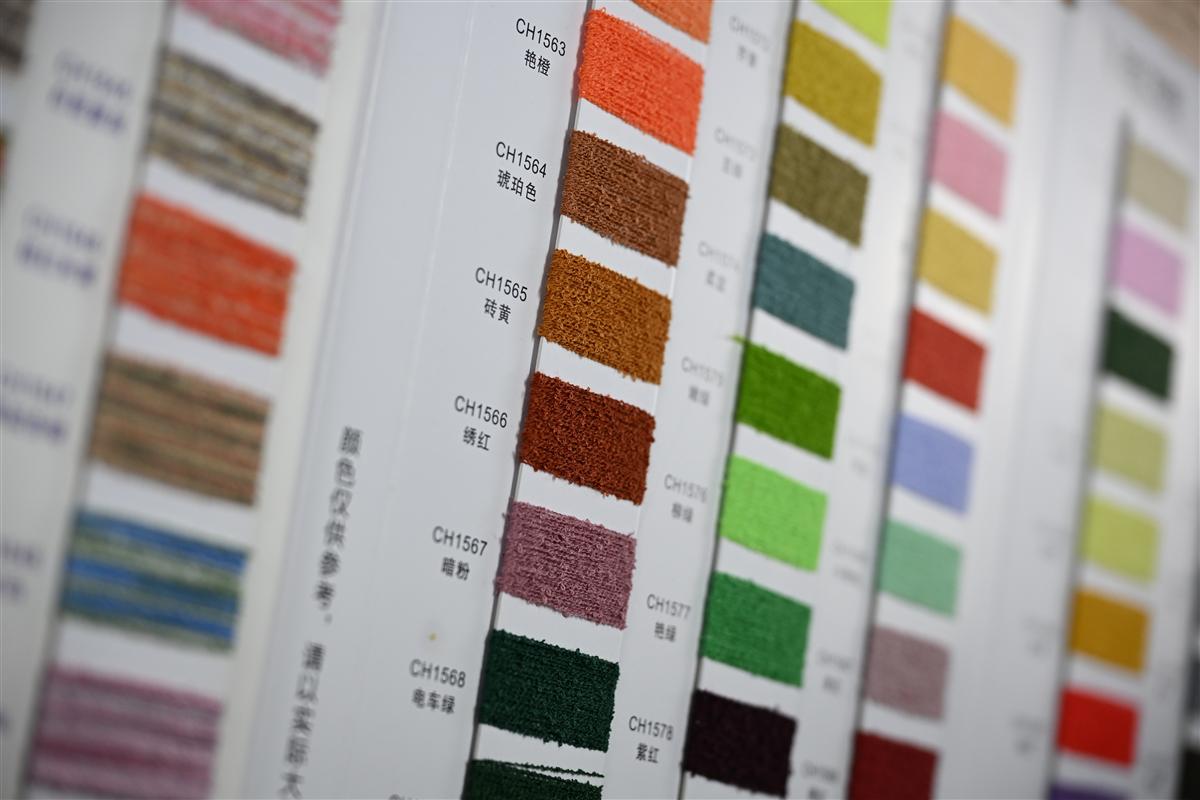
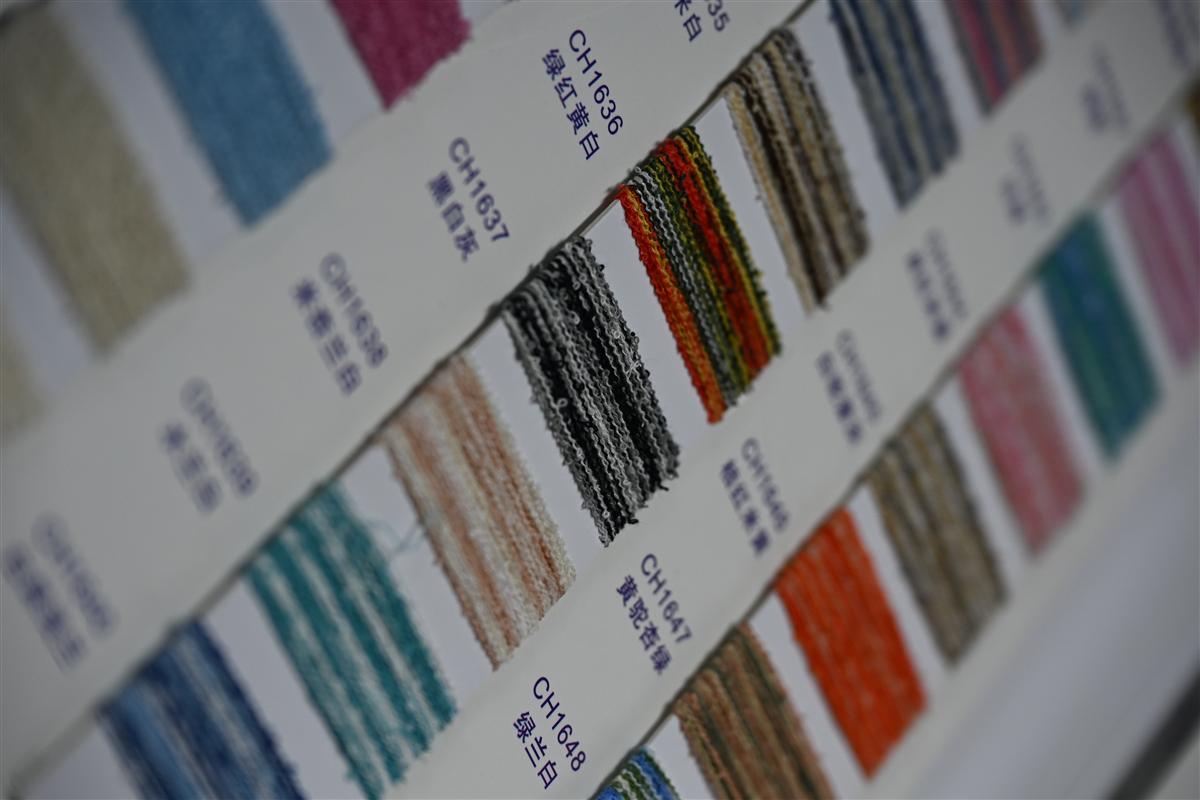
Swatch-to-Bulk Matching Questions
Skip these three checks and your $12/m tweed becomes a $40/m write-off.
A designer I know landed in Guangzhou to inspect 800 meters of bouclé she’d paid 50% deposit on. The swatch had been a soft cream with tight loops; the bulk rolls were ivory with loose nubs that snagged on her sleeve. She lost the collection. Not because the fabric was defective to the untrained eye, but because the supplier changed dye lots and yarn tension mid-run — and she never locked down a swatch-to-bulk protocol. This is the stage where smart buyers earn their margins, and novices lose them. The following questions aren’t just conversation starters. They’re your insurance policy.
- Lot reference sample retention: Ask: “Do you seal and archive a 1‑meter reference swatch from each bulk dye lot before shipping?” If the answer is no, you have no physical evidence for a claim when the color shifts. At our partner mills in Wenzhou, we cut, date‑stamp, and file a lot‑matched reference swatch for every custom order. The buyer gets a high‑resolution photo with the batch number before the container leaves the floor. Without this, you’re arguing with a supplier’s memory.
- Pre‑production lab dip approval: Request a lab dip card — a postage‑stamp‑sized fabric swatch dyed exactly as your bulk run will be — before the first meter hits the dyeing vat. I’ve seen designers skip this and end up with mustard instead of ochre. Our mill ship the actual dye lot swatch with the lab dip, so the color you sign off on is the same dye recipe that fills the bulk vat. If a supplier says “our standard color is close enough,” walk away. That’s a sign they don’t run a spectrophotometer or don’t care about Delta E tolerance.
- AQL 2.5 inspection gate: Confirm: “Will we inspect to AQL 2.5, Level II, for major and minor defects before shipment?” This is the baseline for apparel fabric. Without it, you’re accepting anywhere from 4.0 to 10.0 — which means up to 21 major defects per 100 yards. If the mill can’t define their AQL, they’re not serious about quality tolerance. Write this into the purchase order. It’s the difference between 2 seams with a broken yarn and a roll that belongs in the landfill.
- Scaled‑down 5‑meter bolt test: Before they cut the full 1000 meters, demand a 5‑meter bolt — cut from the actual production run, not a separate sample loom. Spread it on your cutting table. Measure the drape, check for skew, and actually cut a pattern piece. If the fabric feeds through the bandsaw differently than the swatch, you’ve saved yourself 995 meters of pain. This single step weeds out mills that treat fashion textiles like home‑decor stock.
- FOB pricing clarity for sample approval: Ask: “Are pre‑production lab dips and sealed reference samples included in the FOB price, or are they extras?” Some suppliers charge $80–150 per lab dip, which adds $500 to a 3‑color order. Get it in writing. Also confirm that the sample approval timeframe doesn’t eat into the production lead time. If they can’t align these, the “cheap” per‑meter price evaporates.
The hidden cost of ignoring these questions isn’t just the wasted fabric. It’s the 6‑week production gap when you’re waiting for a replacement that kills your selling season. I’ve tracked it across a dozen audits: brands that skip bulk matching lose 28‑34% of their fabric budget on average — from rejection, express air freight for remakes, or markdowns on compromised garments. That’s the real math nobody puts on the supplier’s price sheet.
And here’s what changes the dynamic: the moment you ask for a lot reference sample, an AQL gate, and a 5‑meter bolt test, the supplier stops treating you like a one‑time buyer and starts handling your order like a repeat account. You go from “the small fish” to “the buyer who knows her specs.” That’s the only leverage that matters before you wire 50%.
Any mill worth their salt should volunteer these steps. If they push back on a lab dip or claim a 5‑meter test isn’t needed, you’re not dealing with a fashion‑grade supplier — you’re dealing with a commodity mill that won’t lose sleep over your collection deadline.
Conclusion
You now have the on-the-spot tests for weave density, loop uniformity, and colorfastness—the checks that catch the flaws which ruin debut collections. In my years managing supplier audits across multiple countries, the one step that separates designers who never get burned from those who do comes down to the first ten seconds after a swatch arrives: wet-press it with a steam iron. That simple action exposes 80% of potential shrinkage—a detail most sourcing guides omit—and it’s the quality tolerance you enforce before sample approval ever begins.
When you’re ready to test swatches that ship with the exact dye lot and pre-shrunk finishing described here, request samples from our partner mills in Wenzhou. You’ll be holding the same caliber of material you’ve just learned to measure, with lot-matched lab dips and the FOB pricing clarity that makes procurement predictable.
Frequently Asked Questions
What is the difference between bouclé and tweed?
Tweed is a dense, woven fabric with a 350–450 GSM for jackets, while bouclé is a yarn with looped nubs that can be woven or knitted. Bouclé’s texture comes from irregular yarn. Always check the yarn construction, not just the fabric name.
Does Chanel use tweed or bouclé?
Chanel uses bouclé tweed, a woven fabric made from looped bouclé yarns. The house’s signature jackets rely on this combination for both structure and texture. Confirm the yarn type matches the desired hand feel before ordering.
Are tweed and bouclé the same?
No, tweed is a weave, bouclé is a yarn. A fabric labeled “bouclé tweed” uses bouclé yarns in a tweed weave, but you can have bouclé knits or tweeds without bouclé. Examine the yarn loops on the swatch to identify true bouclé.
What are the disadvantages of bouclé fabric?
Looped yarns snag easily on fingernails or jewelry, and machine-made bouclé often pills after 5 dry cleanings. Loose loops lead to fraying during production. Pre-test swatches with a 10-wash simulation before committing.
Is bouclé fabric going out of style?
Bouclé remains a staple in luxury collections for its textured, hand-crafted appearance. Demand cycles seasonally, but well-made bouclé stays relevant as a classic texture. Stock up on neutral bases and refresh with seasonal accent colors.
Authoritative References

Related Insights

How to Compare Fabric Quotes from Three Mills: A Side-by-Side Method
Three mills return three quotes for the same fabric brief, and the spread between them...

CNY Capacity Planning: Booking a Fabric Mill Around Chinese New Year
Every year, fabric buyers lose the same three weeks to the same event: Chinese New...

Second-Source Strategy: How Brands Qualify a Second Tweed Mill
Single-sourcing a signature fabric feels efficient right up to the season it fails: the mill’s...