fabric quality inspection failed is the first checkpoint buyers should lock before they approve a supplier, budget, or production slot. You unrolled the first three meters and your stomach dropped. The bouclé that looked richly dimensional on the swatch card now reads flat and patchy across the roll. Maybe the shade is a full half-tone off. Maybe there are thin spots every 40 centimeters. A fabric quality inspection failed situation (see also: sample testing protocol) hits differently when fabric eats 60–70% of your total garment cost. You are not just staring at bad yardage. You are staring at a margin problem, a timeline problem, and a collection launch that suddenly looks shaky. The goods are in your cutting room. The clock is ticking. What you do in the next 48 hours determines whether this becomes a write-off or a manageable detour.
Most small-brand designers assume their only option is a full return and a shouting match with the supplier. That assumption costs more than the fabric itself. Mills that ship defective bouclé or tweed rarely issue a clean refund without pushback. But they will negotiate. A 15–20% discount on a flawed roll is common practice in the industry, especially when the defects cluster in a repeat pattern you can cut around. The real skill is knowing what to document, which number to ask for first, and where to source a fast replacement that does not repeat the same failure.
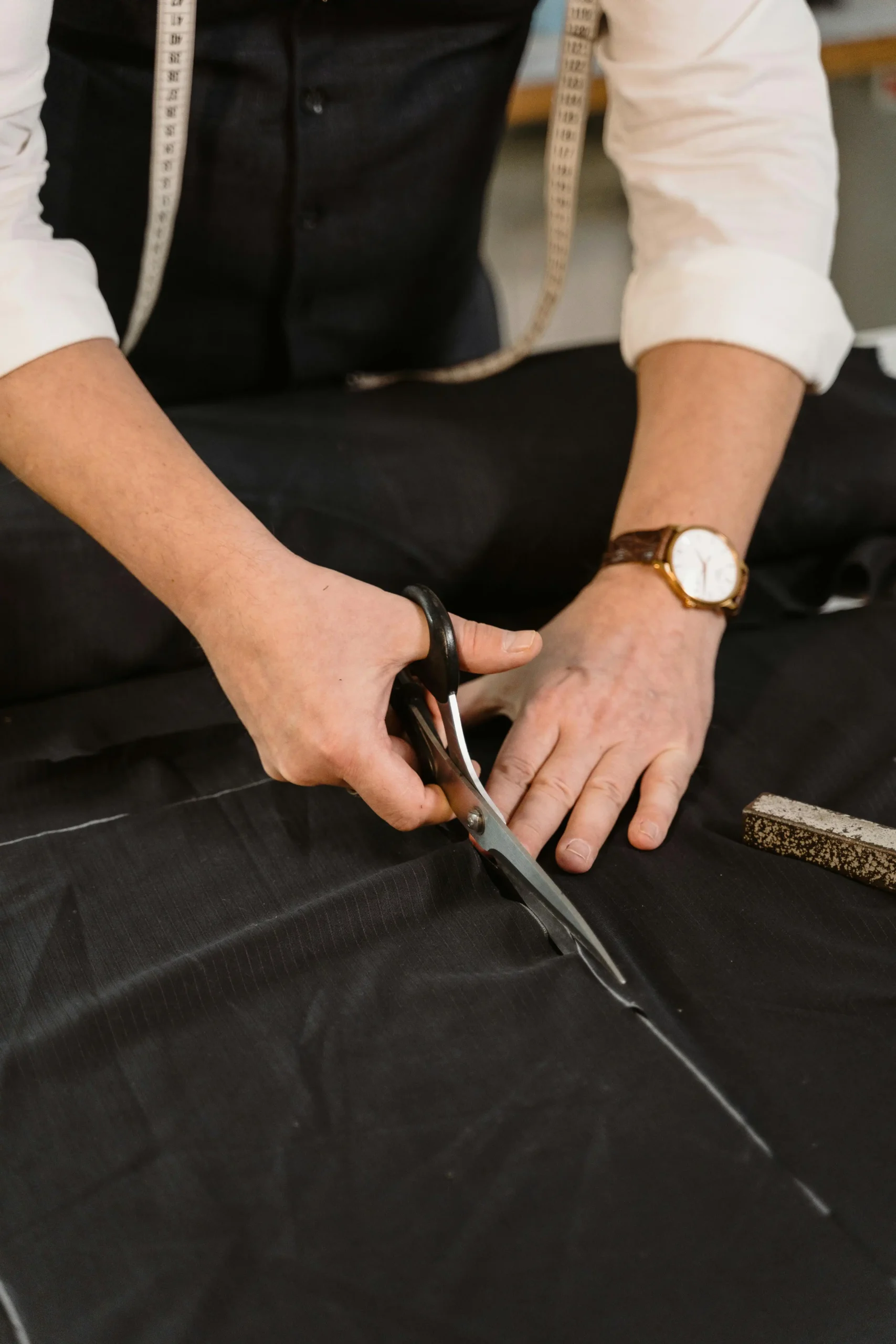
Bouclé & Tweed Quality Control
Document every flaw within 48 hours.
Fabric eats 60–70% of your garment cost. When a bouclé or tweed roll arrives wrong—uneven dyeing, shade drifting, holes—it’s not just a quality issue; it’s a margin crisis. The first 48 hours determine whether you salvage the batch or eat the loss. Don’t cut into the fabric. Don’t steam it. Don’t try to ‘fix’ it. Instead, pull out your phone and start logging.
- Hour 0–2: Flat‑lay photography under daylight: Capture each defect with a ruler for scale. Bouclé and tweed patterns hide flaws—shoot from multiple angles. Mark rolling defects with painter’s tape and photograph the full roll width.
- Hour 2–6: Build a defect‑per‑meter log: The standard 4‑point system averages defects across 100 yards, which lets mills skate by on small orders. Instead, log every visible flaw per linear meter. Any meter with more than three distinct defects (slub, drop stitch, shade shift) is unsuitable for premium cut‑and‑sew. This granular data will support a claim that the entire lot failed.
- Hour 6–24: Calculate the % of compromised yardage: Measure how many meters are directly affected. If the flaws cluster in the first 10 meters of a 100‑meter roll, you can argue for a partial refund on damaged yardage only—often 15–20% of the invoice.
- Hour 24–48: Notify the supplier in writing: Send a single email with dated photos, the defect log, and a clear request: rework, replacement, or partial refund. Do not accept a vague ‘we’ll check with the mill.’ Set a 3‑day reply deadline. Mention your fabric inspection report and note that the goods remain uncut and in original packaging.
Negotiation reality: Full returns are rare for low‑MOQ bouclé orders. Mills know the shipping cost often exceeds the fabric value. A partial refund keeps cash in your account and lets you put the usable yardage to work. Most suppliers will offer a 15–20% discount on defective rolls rather than absorb a return. If the flaws are concentrated, you can cut pattern pieces around them—place the damaged zone as a facing or pocket accent. This ‘defect‑as‑detail’ mindset turns a loss into a design story, something most emerging designers never learn.
Low‑MOQ buyers chasing a full replacement should structure the request around two things: a verified inspection report and a short re‑order lead time. Make it easy for the mill to say yes. A simple script: ‘I’ve logged 8 meters of shade bar on 50 meters of bouclé. I can cut the remaining 42 meters if you credit 20% on this roll and rush a replacement within 10 days.’ This moves the conversation from blame to solution.
The 4‑point system, originally designed for commodity cotton runs of 100+ yards, often masks the defects that matter most to small fashion brands. A roll with 35 points per 100 square yards technically passes at under 40 points, but your customer sees a premium tweed with a visible slub every 3 inches. That’s not luxury. Replace the 4‑point threshold with a simple pass/fail for premium textiles: any continuous defect over 6 inches, or any meter with more than two visible surface flaws, is a reject. Run a hand‑feel test across the full roll—bouclé loops should spring back, not mat down. Tweed face should feel crisp, not fuzzy from over‑brushing. Trust your fingers over the numbers.
If you’re stuck with a supplier that denies the obvious, stop arguing and pivot. In‑stock bouclé and tweed programs with a 100‑meter minimum let you place a replacement order today and ship within 72 hours (85% of stock orders dispatch within 72h). Look for mills that control their own spinning—like those running proprietary slub and bouclé yarns in‑house—so the replacement doesn’t come with the same dye lot variation. Insist on a 7‑day swatch window before committing large yardage, and always ask: ‘Are the swatch and production lot from the same master batch?’ If they hesitate, walk away.
Conclusion
A failed bouclé or tweed batch doesn’t have to mean a canceled collection. The protocol covered here—documenting defects within 48 hours, pushing for a 15–20% discount on usable rolls, and using a defect-per-linear-meter log instead of the standard 4-point system—gives you concrete negotiating leverage most emerging designers never wield. Repurposing concentrated flaws as collar or pocket accents turns a potential total loss into a deliberate design detail your competitors can’t replicate.
When the current supplier’s rework timeline threatens your launch date, you need replacement yardage that ships in days, not months. Review the in-stock bouclé and tweed options available for immediate sampling—7–10 day swatch turnaround and 100-meter stock rolls protect your production calendar. For future orders, explore custom manufacturing with documented QC protocols.
Frequently Asked Questions
What is the 4 point system of fabric inspection?
The 4-point system assigns penalty points (1 to 4) to defects by size, with low total points per 100 yards indicating passable quality. For small bouclé orders, the method can overlook. Supplement the 4-point score with a defect map for small runs.
How do you test the quality of fabric?
Inspect the full roll under consistent light for shade shift, slubs, and pulls, and measure weight and hand-feel against the approved swatch. Always stretch the fabric gently to detect hidden yarn slippage. Match the entire roll to your swatch card before cutting.
What is considered bad fabric?
Bad bouclé or tweed shows clear shade mismatch, uneven loops, thin patches, or pulling that makes cutting around flaws impossible without high waste. If the defect repeats every few meters, the. Reject any roll where defects prevent nesting a full garment panel.
What are the finishing defects of fabric?
Off-shade dye lots, poor colorfastness, excessive shrinkage, and a stiff or flattened hand that deviates from the reference swatch are common finishing defects. Test crocking (ISO 105-C06) and wash fastness immediately—a failed. Always request a lab-dip approval and wash test report before bulk cutting.
How to tell if a fabric is high quality?
High-quality bouclé has consistent loop texture, rich melange color depth, and a supple drape that matches your reference. Crumple the fabric—quality tweed springs back without creasing, while cheap blends stay wrinkled. Use your approved swatch as the only pass/fail standard.

Related Insights
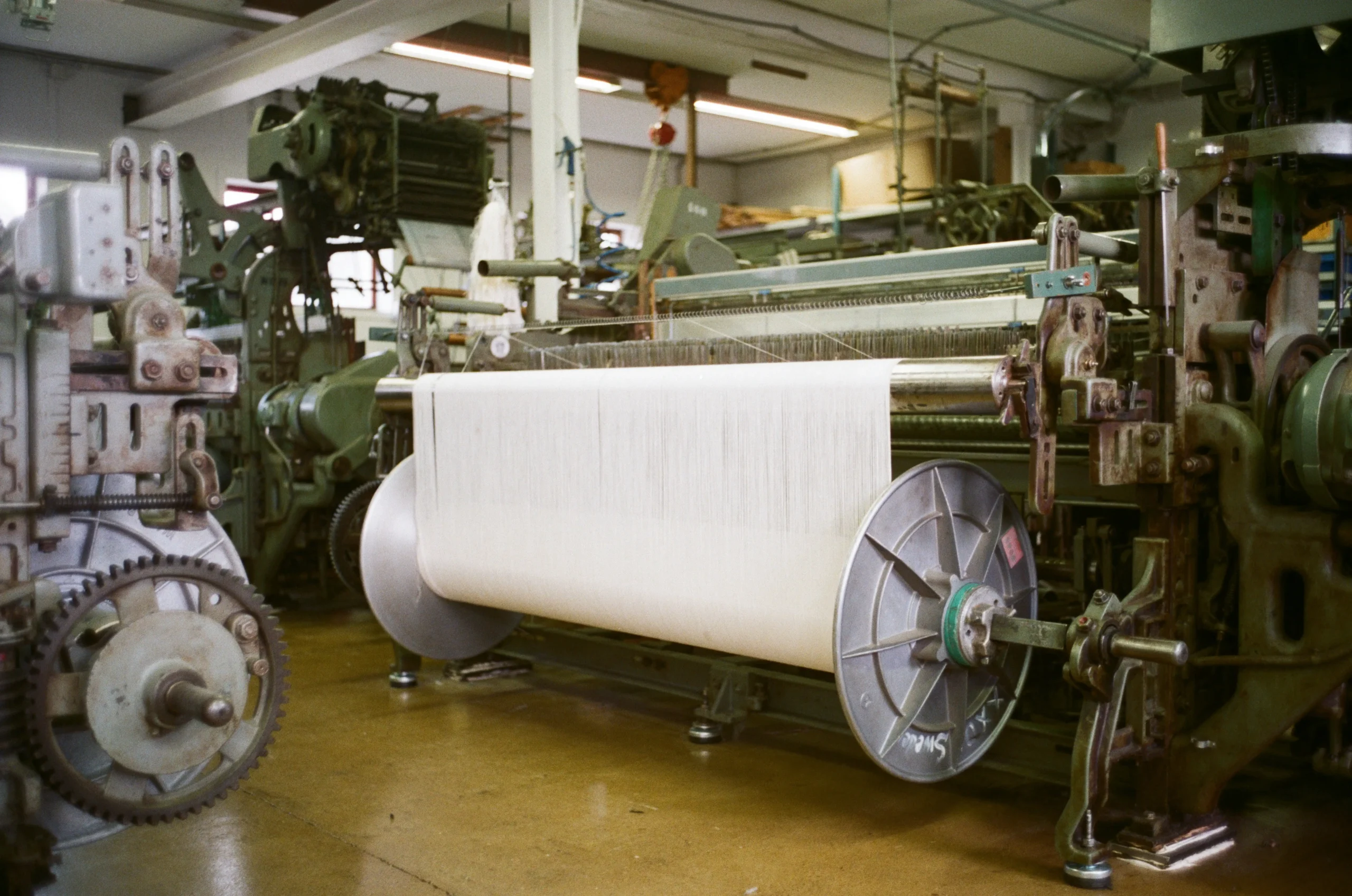
Inside a 300-Loom Wenzhou Tweed Factory: How Orders Flow
Every order that enters a wenzhou tweed factory with 300 looms follows the same spine:...
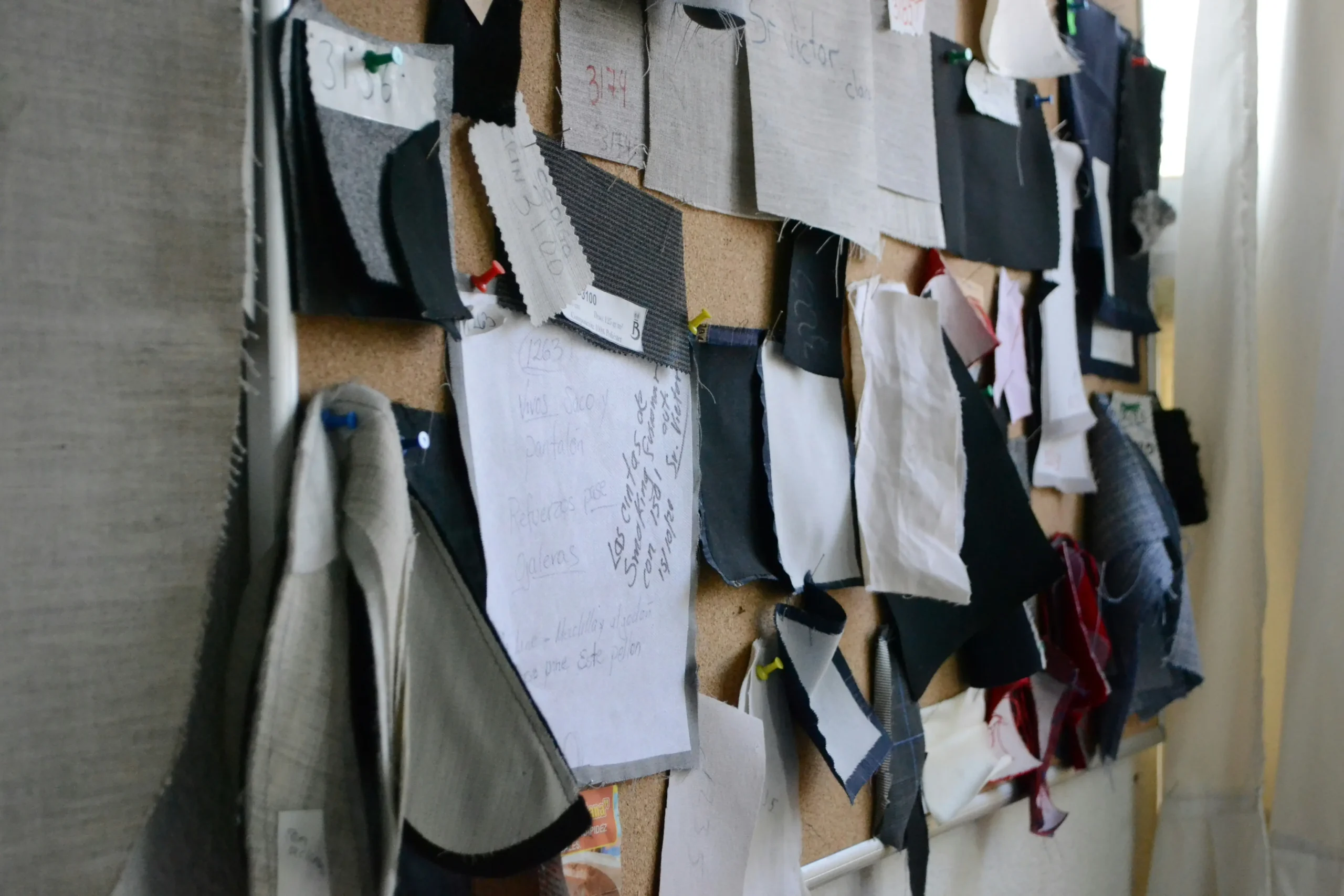
Chanel-Style Boucle Fabric: Stop Pilling & Fading Now
chanel style boucle fabric is the first checkpoint buyers should lock before they approve a...
Why Tweed Color Swatches Fail Production
{ “@context”: “https://schema.org”, “@type”: “Article”, “headline”: “Why Tweed Color Swatches Fail Production”, “author”: { “@type”:...