
Every order that enters a wenzhou tweed factory with 300 looms follows the same spine: inquiry, yarn selection, sample, dye lot approval, bulk weaving, inspection, shipping. The difference between a smooth run and a six-week fire drill is rarely the fabric. It is whether the buyer understands that spine and sends the mill the right information at each gate.
Fursone has run continuous manufacturing in Wenzhou since 2020, with more than 300 looms, partner dye houses, and partner-mill spinning. That vertical setup is the reason our order flow can hit a 7-day sample, a 0.5 Delta E dye lot approval, and a 4-6 week bulk window. This walkthrough shows you each step, the numbers attached to it, and the mistakes that stall orders at the gate.
Key takeaways
- A vertically integrated mill keeps spinning, dyeing, and weaving under one roof, which removes the third-party yarn loop from sampling.
- Samples ship in 7 days with three pre-test wash cycles: shrinkage, pilling, and colorfastness.
- Dye lots are approved at 0.5 Delta E on a 10-meter length before bulk production starts.
- Custom bulk runs 4-6 weeks; ready stock ships in 3-7 days from 100 meters.
- Final QC holds AQL major defects near 1.0 per 100 meters, with SGS or Intertek inspection on request.
What a 300-Loom Floor Actually Means
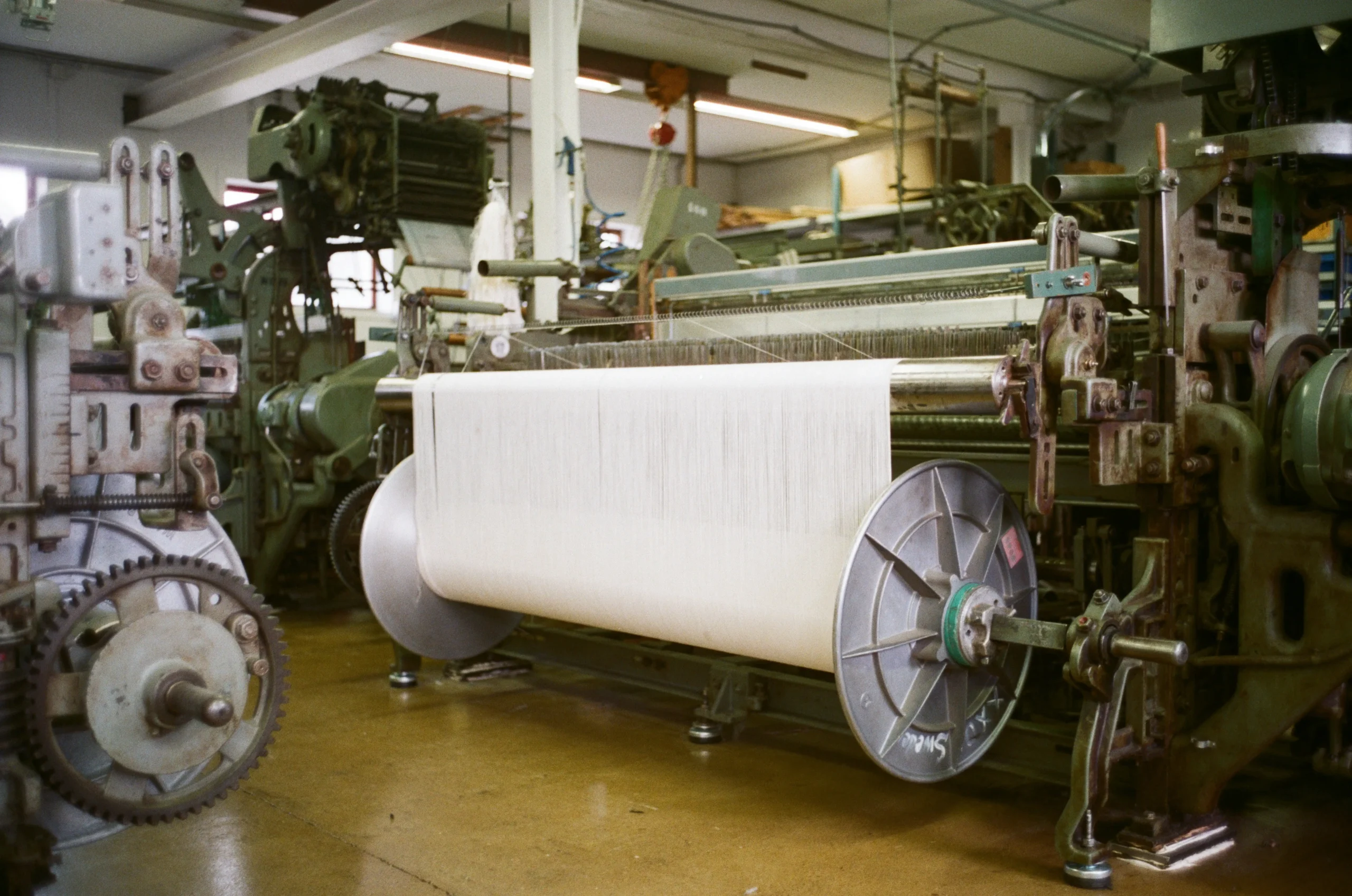
Capacity claims are meaningless without process integration. A 300-loom floor means the mill can run dozens of designs in parallel, but it only translates to reliable delivery when yarn, dye, and finishing are controlled in-house. Fursone‘s setup in Wenzhou covers the whole chain: a spinning lab that produces proprietary boucle, slub, and chenille yarns, a dye house with digital color-matching spectrophotometers, and a standardized finishing line that keeps hand feel consistent across batches.
That integration is what separates a mill from a trading company. Wenzhou has both, and industry estimates put intermediaries at roughly 70% of “manufacturers” listed on sourcing platforms. A real mill can show you the weaving floor, the dye logs, and the QC records. A trader can show you a showroom. When an order flows through a genuine mill, every gate is a documented handoff instead of an email chain to an unknown third factory.
Step 1: Inquiry to Spec Sheet
Every order starts with a spec sheet, and the quality of that sheet determines the whole timeline. The mill needs five fields filled in before anything moves: construction type (tweed, boucle, cable knit), target GSM, fiber composition, width, and quantity with a tier. A vague inquiry like “medium-weight tweed, something textured” triggers a clarification round that costs days.
Send the numbers you actually have. If you know the garment is a lined jacket, spec 380-450 g/m² and say so; the production team will anchor the yarn plan to that band. If you only have a swatch photo from Pinterest, say that too, and let the mill propose a construction to match. Transparency at this gate beats optimism: a mill that guesses your weight band will burn your sampling round on the wrong loom setup.
Step 2: Yarn Selection From the Bank
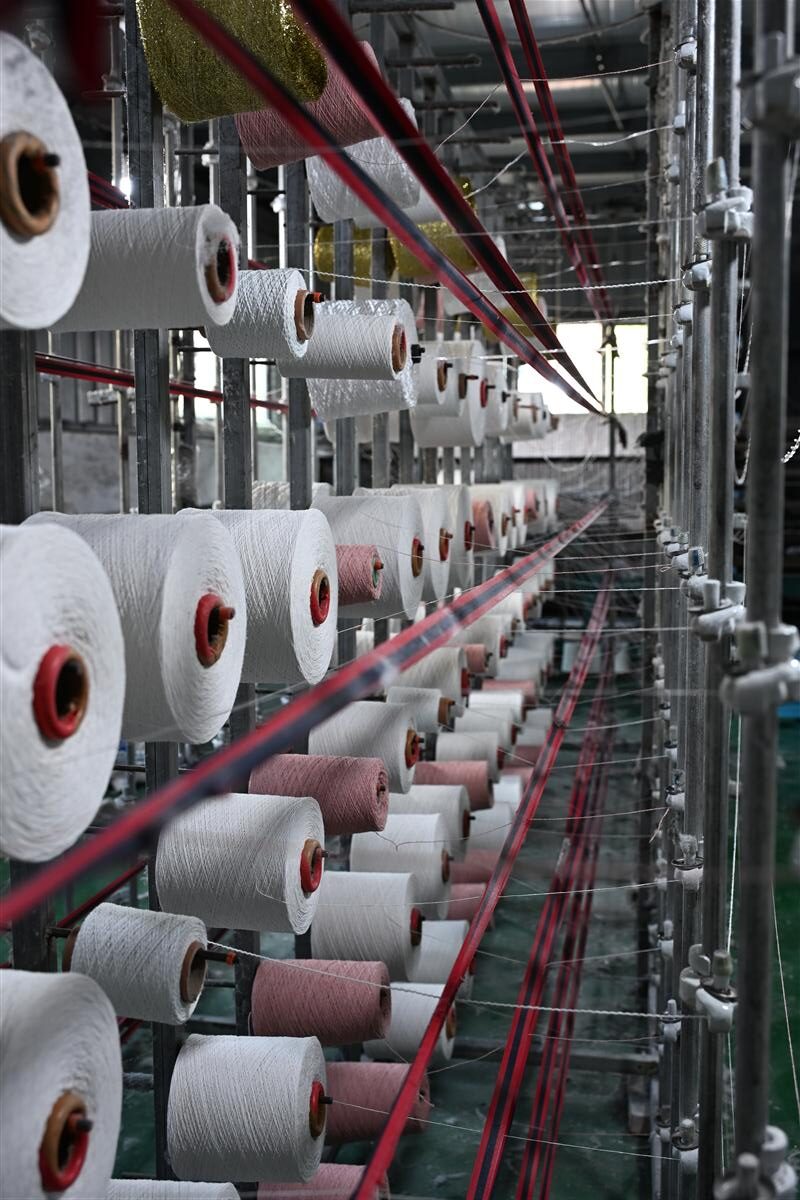
Yarn lead time is the real killer in standard mills. A conventional sample order waits 7-10 days for trial yarn from a spinning mill, then lab dips, then a queue for a sample loom. Three revision rounds can waste a full season. Fursone removes that loop with a yarn bank of 200+ pre-dyed, mill-owned colorways of boucle, slub, and chenille yarns, including Australian Merino, Japanese lurex, and GRS-certified recycled polyester.
Your job at this gate is to choose the yarn story, not to hunt for it. Pick a base (wool, wool-acrylic, recycled poly), a texture family (loop, slub, pile), and 2-4 colors from the bank or a Pantone reference. If the texture must be exclusive, this is the moment to ask about proprietary yarn development; custom-spun yarns protect your design from being sold to a competitor next season, but they also commit you to the 300m custom tier.
Step 3: The 7-Day Sample
The 7-day sample is possible only because steps one and two happen inside one facility. Reserved sample looms are scheduled ahead of bulk, and the yarn is already in the warehouse. The sample itself is more than a swatch: every 7-day sample ships with three pre-test wash cycles covering shrinkage, pilling, and colorfastness, so the numbers travel with the fabric instead of arriving as a surprise in your first production wash.
Read the sample data, not just the hand feel. A 1-meter swatch that shrinks 8% in the first home laundry cycle will destroy a lined jacket program; the pre-test data tells you that before you commit. Standard industry sampling through a European mill runs 12-18 weeks with revisions; the factory-direct 7-day program compresses the same decision into under two weeks with a single revision round, at $80-150 per swatch versus $600-1,200 per palette.
Step 4: Lab Dip and Dye Lot Approval
Color is where orders get stuck. The lab dip is matched against your reference, and at Fursone the tolerance is 0.5 Delta E: if the dip deviates beyond that, the dyeing team re-matches before bulk begins. Once the dip passes, the mill runs a 10-meter dye lot approval length so you can see the color on the actual production construction, not on a test piece with different yarn tension.
This gate exists because bulk dyeing behaves differently from lab dips. Fabric weight, yarn twist, and finishing all shift the perceived shade. A buyer who approves a lab dip without the 10-meter lot is accepting a risk that quality mills price into their process. Hold the 0.5 Delta E standard in your PO terms, and record the approved lot number in your spec sheet so the QC team checks against it, not against memory.
Step 5: Bulk Weaving and Finishing
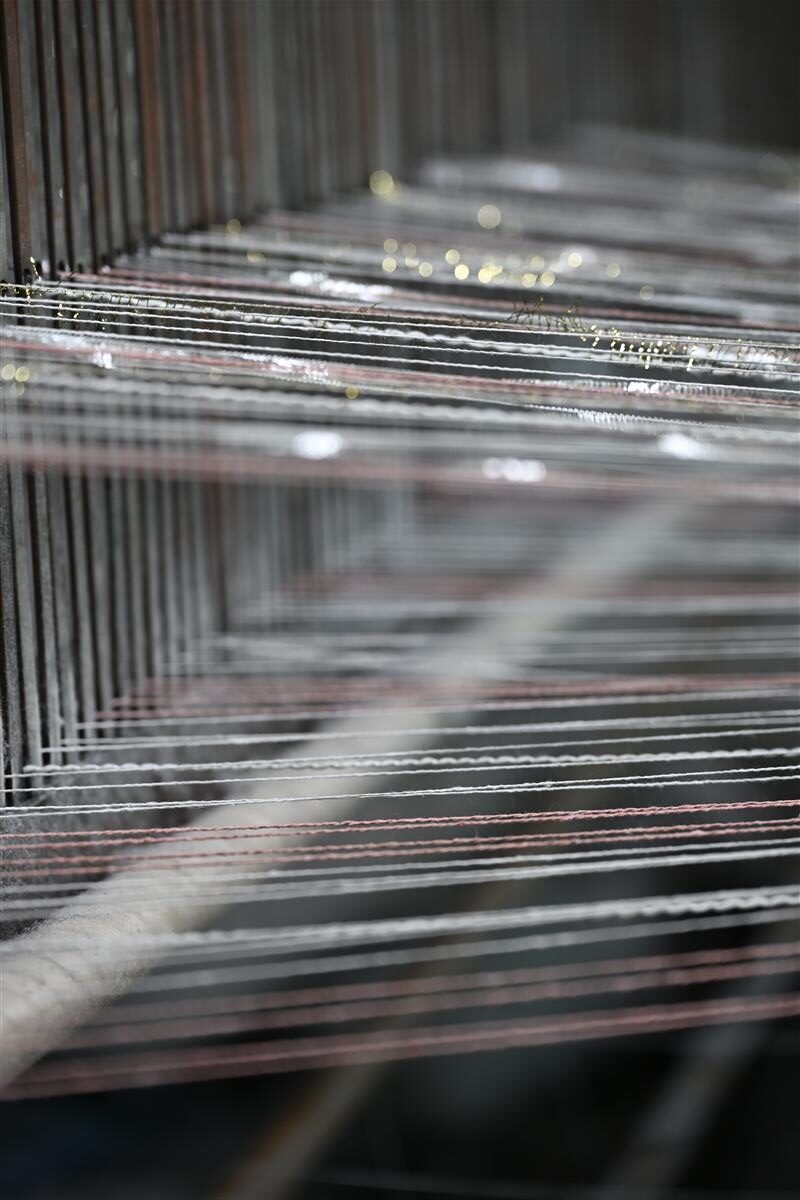
Bulk production runs 4-6 weeks for most custom tweed and knit programs once the dye lot is approved, and up to 6-8 weeks for complex boucle constructions that tie up specialized looms with higher yarn waste. The loom floor schedules your design against the other programs in the mill, which is why the spec sheet accuracy in step one matters: a mid-production weight change means a new warp and a new place in the queue.
Finishing is the step buyers underestimate. Decatizing, steaming, and final pressing set the hand feel, and a standardized finishing line keeps that hand consistent across batches. If you want a softer or crisper surface, say so at the dye lot gate, not after the container is cut. Once finishing runs, the fabric is what it is, and re-finishing a bulk lot costs real money and weeks.
Step 6: QC, Inspection, and Shipping
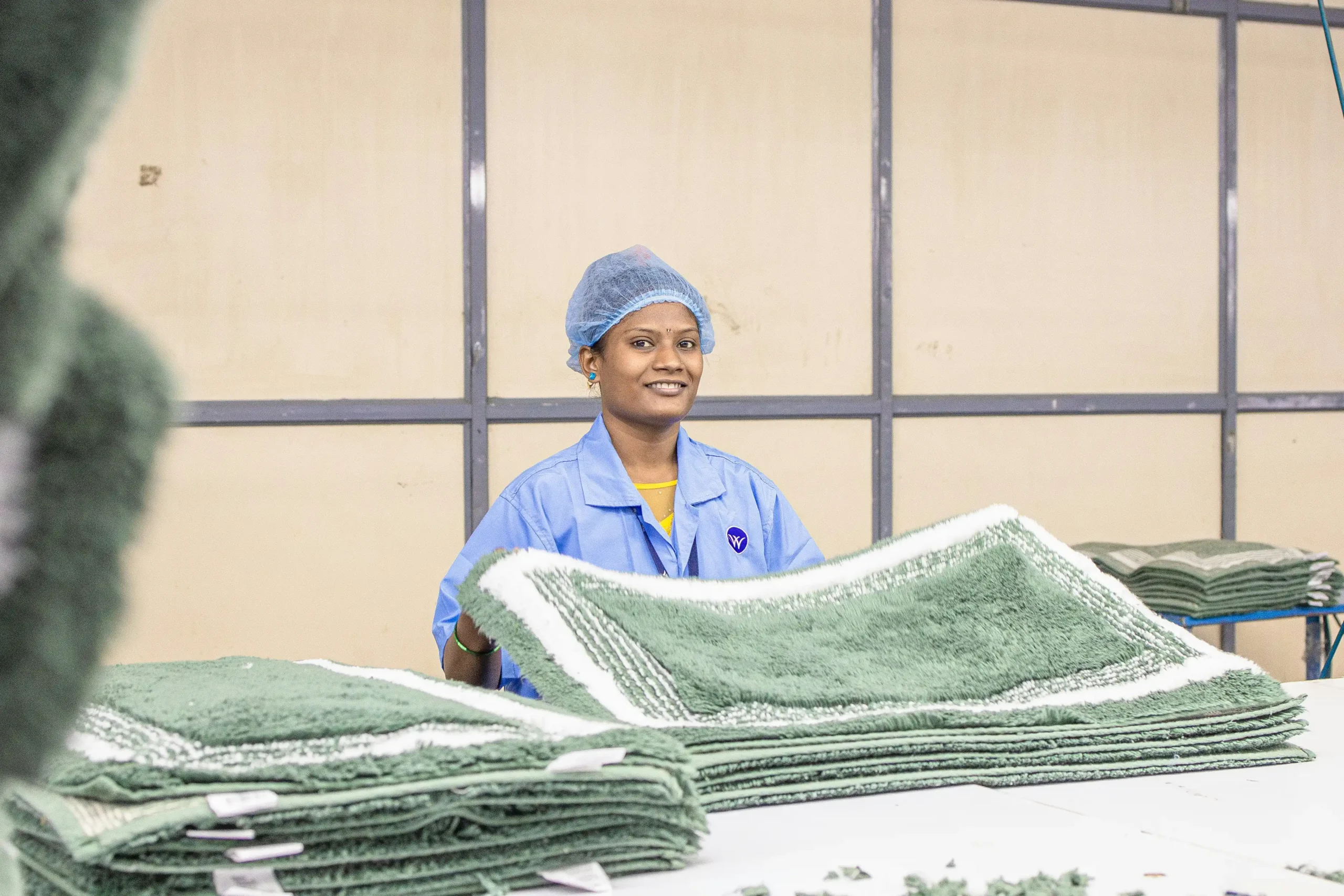
Before any roll leaves the floor, it passes fabric inspection against AQL standards. Quality mills hold major defects near 1.0 per 100 meters, well under the industry tolerance of 2.5, and keep dye lot variance under 3.0 Delta E between batches. Buyers can also request third-party pre-shipment inspection by SGS or Intertek; the mill opens its inspection records and the warehouse for the auditor.
Shipping follows the tier you chose. Ready stock moves in 3-7 days, custom bulk is consolidated and dispatched from Ningbo under the incoterm in your contract, typically FOB. At this point the paper trail matters as much as the fabric: dye lot records, inspection reports, and certificates (OEKO-TEX Standard 100, GRS where applicable) should travel with the shipment so your customs broker and compliance team are not guessing at the goods they cleared.
Order Flow Timeline at a Glance
| Stage | Timeline | Gate to pass |
|---|---|---|
| Inquiry and spec sheet | Day 0-2 | GSM, composition, width, tier confirmed |
| Yarn selection | Day 2-4 | Colors and texture family locked |
| 7-day sample | Week 1 | Shrinkage, pilling, colorfastness data |
| Lab dip and dye lot | Weeks 2-3 | 0.5 Delta E; 10m approval length |
| Bulk weaving and finishing | Weeks 4-6 | AQL 1.0; finishing matched to approved hand |
| Inspection and shipping | Week 6+ | SGS/Intertek on request; FOB Ningbo |
What Slows an Order Down
Most delays trace back to three buyer-side mistakes. First, changing the weight or composition after sampling; it invalidates the yarn plan and the loom reservation. Second, treating the lab dip as final approval; the 10-meter dye lot exists because bulk dyeing shifts shade, and skipping it guarantees a rework discussion. Third, waiting until production week four to ask for certificates; OEKO-TEX and GRS documentation follows the dye lot, not the invoice date.
The fix is a written gate list. Confirm GSM at inquiry, confirm yarn family at sampling, confirm color at the 0.5 Delta E dip, confirm hand feel at the 10-meter lot, and confirm documents before the container closes. A mill with dyeing and finishing at our partner mills can hold those gates on schedule; that predictability is the real product.
Ready to see the flow from your side of the desk? Our custom manufacturing page lays out the tiers, and ready stock covers the 3-7 day lane for validation runs. Fursone’s woolen overcoat fabrics are a working example of the full flow, from yarn bank to finished rolls.
The same production path scaled to 5,000 meters is documented in our herringbone tweed case study.
Frequently Asked Questions
How long does a custom tweed order take from a Wenzhou factory?
About 6 weeks: 7-day sampling, dye lot approval in weeks 2-3, and bulk production in weeks 4-6. Complex boucle programs can stretch to 6-8 weeks.
What is the minimum order for custom tweed?
300 meters for custom development with proprietary colors and yarns. Ready-stock rolls are available from 100 meters with 3-7 day shipping.
How do factories control color consistency?
Lab dips are matched within 0.5 Delta E, followed by a 10-meter dye lot approval on the actual production construction before bulk begins.
What QC happens before shipping?
Rolls are inspected against AQL, with major defects held near 1.0 per 100 meters, and third-party SGS or Intertek inspection is available on request.
Do samples come with test data?
Yes. Every 7-day sample ships with three pre-test wash cycles covering shrinkage, pilling, and colorfastness, so the numbers arrive with the swatch.
Conclusion
The order flow through a 300-loom Wenzhou tweed factory is only as fast as its weakest gate. When spinning, dyeing, and finishing live under one roof, the gates are documentable and the timeline holds: 7-day samples with test data, 0.5 Delta E dye lots, 4-6 week bulk, and AQL-grade QC before the container closes.
- Send a complete spec sheet; GSM, composition, width, and tier are non-negotiable fields.
- Approve the 10-meter dye lot, not just the lab dip.
- Request certificates and inspection records before shipping, not after.
If you want to walk a specific order through these gates, send your spec sheet to our team and you will have a sample plan back within the 7-day window.
For the common woven fabric defects and how to prevent slubs, mispicks and floats, see the common woven fabric defects and how to prevent slubs, mispicks and floats.

Related Insights

Color Approval Without Surprises: Lab Dips, Loom State and the Light Booth
Color is the most common reason a tweed bulk run disappoints. Not because mills cannot...

Fulling and Finishing: The Mill Steps That Change Tweed’s Hand Feel
Two tweeds can leave the loom with identical yarn, identical weave and identical weight, and...

Garment Dyeing vs Piece Dyeing: Cost, Color Control and When Each Wins
Garment dyeing, dyeing the finished garment instead of the fabric roll, has quietly become a...