

Garment dyeing, dyeing the finished garment instead of the fabric roll, has quietly become a strategic tool for fashion brands: it turns color into a late decision, enables small-batch color drops, and produces the washed-in, lived-in look that piece-dyed goods struggle to imitate. It also carries its own failure modes, from shrinkage surprises to trim disasters. This guide compares garment dyeing with conventional piece dyeing across cost, color control, lead time and risk, so buyers can decide where it belongs in their program and where it will burn them.
How the Two Routes Differ Mechanically
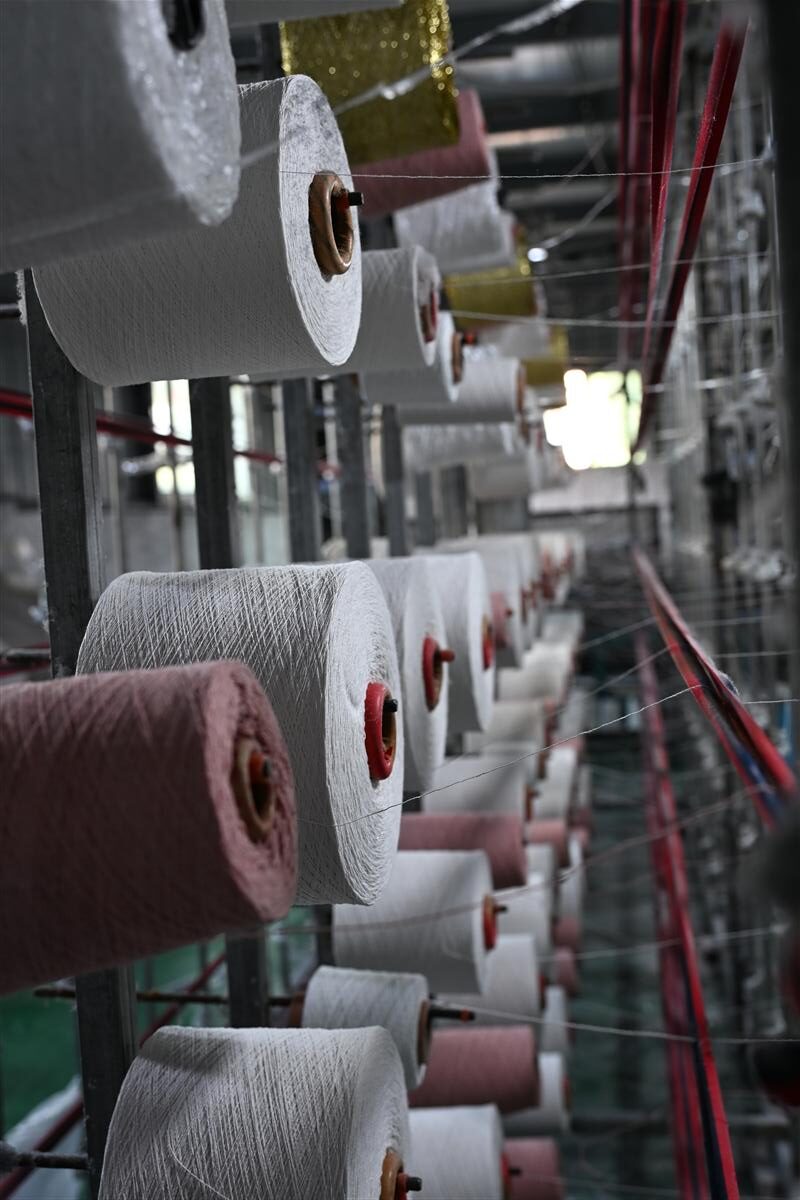
Piece dyeing colors the fabric roll before cutting, so color is fixed while the garment is still a length of cloth. Garment dyeing reverses the order: fabric is knit or woven in its natural or loomstate form, cut and sewn, then the finished garment goes through dye and wash. The reversal changes everything downstream. Color decisions move from fabric order to weeks later, which lets a brand hold greige stock and dye to demand; but every component in the garment, thread, zips, drawcords, labels, must survive the dye bath alongside the shell fabric, which is why component compatibility review becomes the central technical task of the program.
Where Garment Dyeing Wins
Three scenarios consistently justify the route. Trend response: when colors cannot be committed months ahead, greige stock plus late dyeing converts color from a forecast into a reaction, cutting the distance between a trend signal and a sellable garment. Small batches per color: because color is applied after sewing, a brand can order one cut and split it into several colors without several fabric minimums, which is how capsule programs stay viable. Aesthetic effect: garment-dyed and garment-washed goods carry a softness, irregular shade depth and seam contrast that piece-dyed fabric cannot reproduce, a look that sells at a premium in casualwear and outerwear markets. The finishing route also interacts with construction choice, as our flat knit versus circular knit comparison shows for programs built on knit platforms.
Where It Burns Buyers
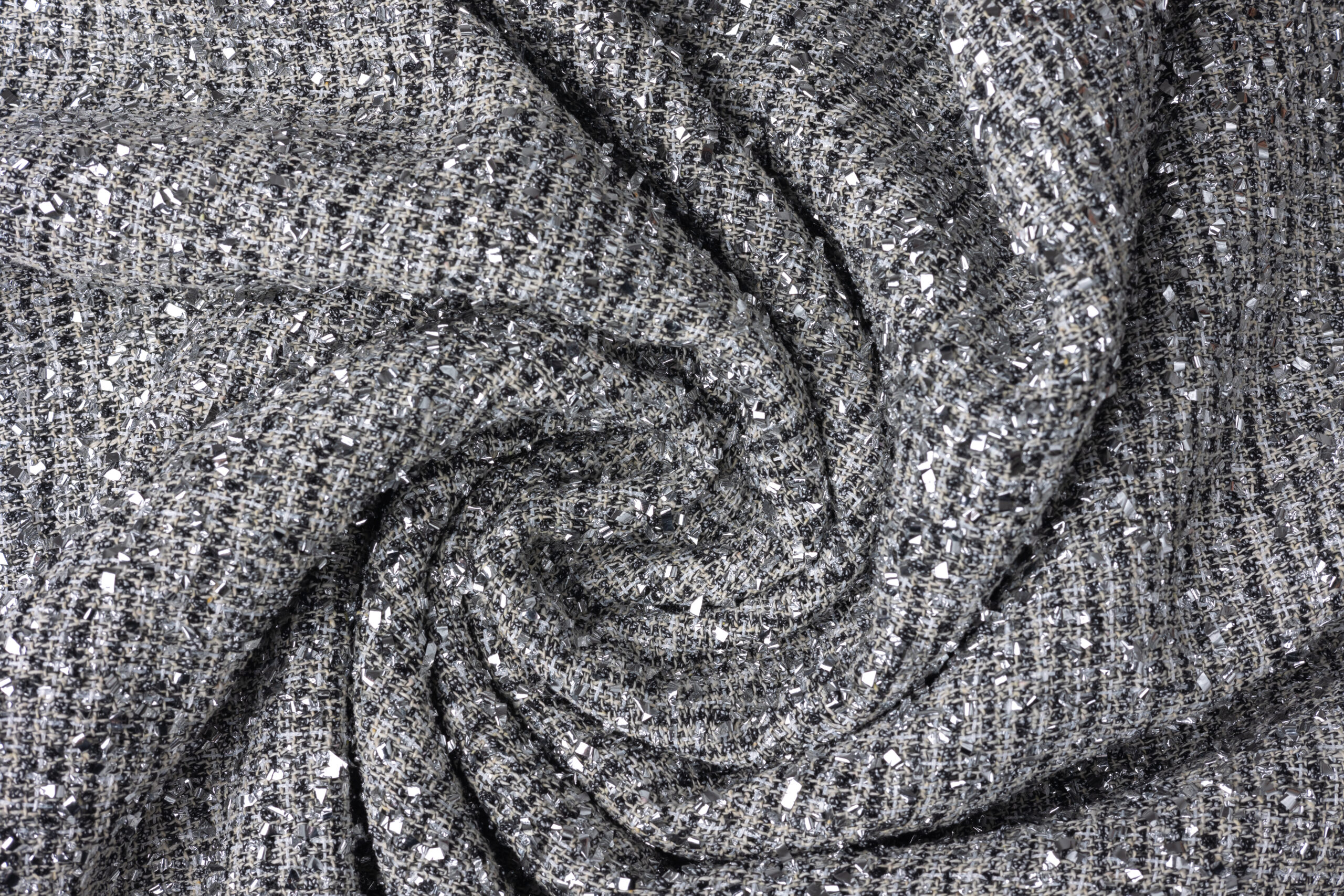
The risk ledger has three recurring entries. Shrinkage and distortion: the garment shrinks as a three-dimensional object in the dye and wash cycle, so patterns must be cut oversized by a factor established through pilot runs, not assumed. Color control narrows: achieving a tight shade band across a dye lot of finished garments is harder than across rolls, so the shade tolerances set at lab dip, covered in our color matching guide, must be widened deliberately and communicated to retail. Component failures: a trim that bleeds or a label that dissolves fails the whole garment, which is why every component needs dye compatibility sign-off before the pilot. Wet processing also carries chemical management obligations, and restricted-substance compliance frameworks such as Oeko-Tex exist precisely to keep dye chemistry auditable; benchmarking data on dyeing water footprint gives buyers a baseline for questioning mills on their wet-process controls.
Cost Math and the Decision Framework
Unit economics shift rather than simply rise. Garment dyeing adds dyeing-and-finishing cost per garment and a pilot-run investment, but it removes the color-specific fabric minimums and markdown risk that plague piece-dyed programs with wrong color bets. A workable decision test: if a program needs more than three or four colors, or if color demand is genuinely uncertain, garment dyeing’s flexibility usually outweighs its per-unit premium; if colors are few, fixed and forecastable, piece dyeing delivers the same color at lower unit cost with tighter shade control. Either route, the finishing steps after dye determine hand and stability, and our overview of decatizing and crabbing finishes shows how finishing choices stabilize wool constructions in particular. To price a garment-dye program against your own cut sheets, route the BOM through our wool fabric manufacturing page for a construction-level quote.
Video: Fabric-to-Garment Effect at the Mill
FAQ
Is garment dyeing more expensive than piece dyeing?
Per unit, usually yes, once dyeing-and-finishing and pilot costs are counted. Per program, not necessarily: late color commitment removes color-specific minimums and markdown risk, which can outweigh the premium on multi-color or trend-led programs.
Which fibers work for garment dyeing?
Cellulosics like cotton and lyocell are the classic candidates because they dye well in garment form. Wool and blends need tighter process control, and any garment mixing fiber types in shell and trims needs a compatibility review before piloting.
How do I control shrinkage on garment-dyed orders?
Run pilot garments to establish the actual shrinkage factor of the full dye-and-wash route, cut patterns oversized by that measured factor, and re-verify whenever the construction or route changes. Never copy the oversize factor from a different program.
Do labels and trims really fail in the dye bath?
They do: bleeding leather patches, dissolved care labels and shade-shifted threads are the most common garment-dye failures. Every component needs dye compatibility sign-off, or it needs to be attached after dyeing.
Related Insights

Color Approval Without Surprises: Lab Dips, Loom State and the Light Booth
Color is the most common reason a tweed bulk run disappoints. Not because mills cannot...

Fulling and Finishing: The Mill Steps That Change Tweed’s Hand Feel
Two tweeds can leave the loom with identical yarn, identical weave and identical weight, and...

Lab Dips Explained: The Approval Step That Prevents Bulk Color Disasters
Bulk color disasters almost always trace back to a skipped or rushed approval step. The...