
Key Takeaway
Color matching under D65 light is the standard for fabric sourcing. Learn how a spectrophotometer reads CIE L*a*b* values and what Delta-E tolerance to put in your purchase order.
Color Matching Under D65 Light: The Standard Every Buyer Should Know
Two cloth panels can sit next to each other and read as the same shade under the fluorescent lights of a showroom, then separate into visibly different colors the moment they hit daylight. That is not a dye mistake. It is a lighting problem, and it is why color matching in fabric sourcing is not judged under a lamp of your choosing but under a standard light source. For apparel and home textile programs in Europe and North America, that standard is D65.
This guide explains what D65 actually is, how a spectrophotometer turns a fabric swatch into a measurable number, and what the Delta-E tolerance on your purchase order really controls. The numbers below draw on Fursone Textile’s published dye-lot and color-fastness guides, so a buyer can reference them in a spec rather than debate them on a phone call.
Why D65 Is the Reference for Color Approval
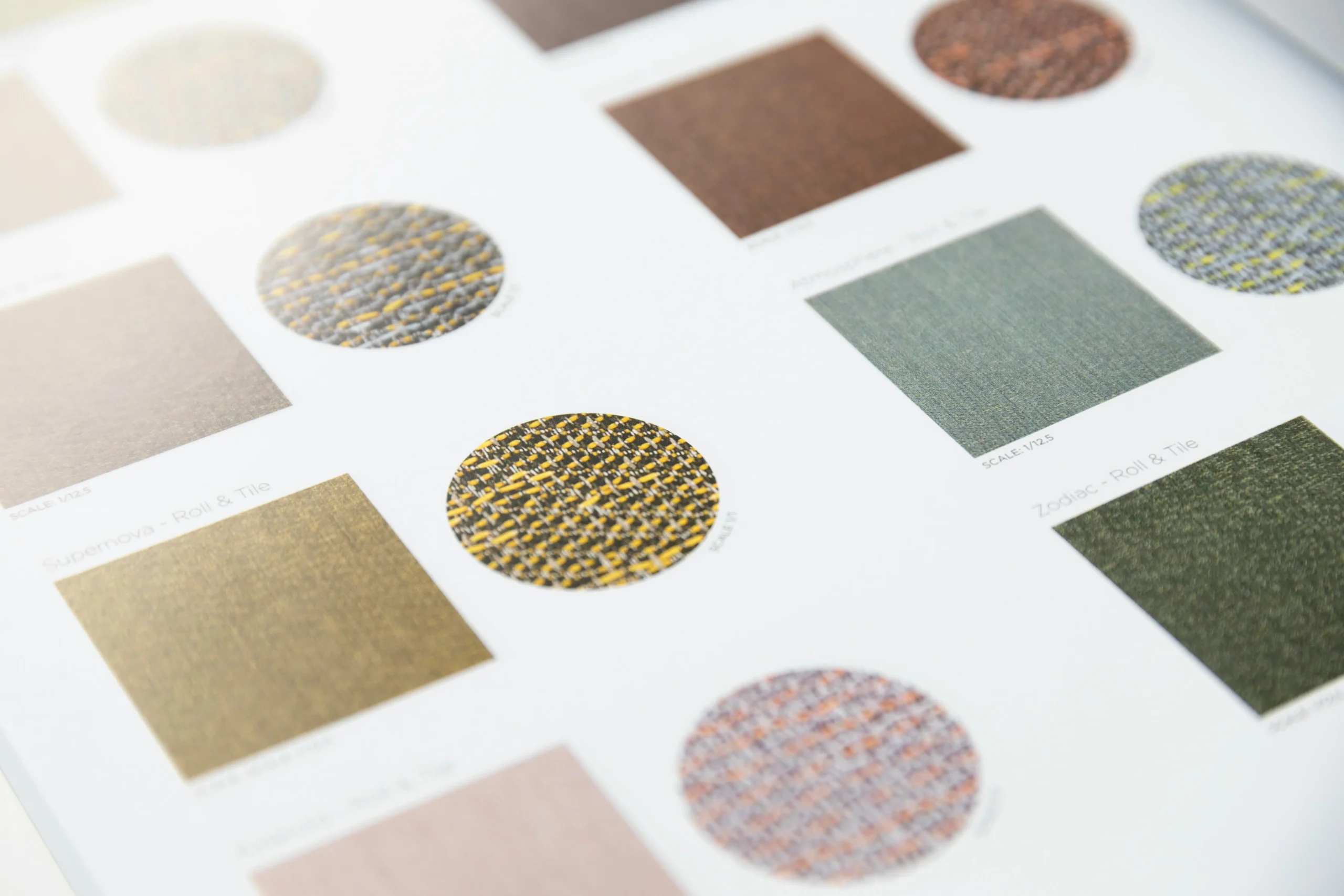
D65 is a CIE standard illuminant that approximates daylight with a correlated color temperature of about 6500 K. In practice it is the industry default for visual assessment in color matching, because it is the condition under which most textiles are seen in daylight retail. When a buyer approves a lab dip, the lighting under which they view it matters as much as the recipe behind it.
Every production dye lot at Fursone Textile starts with a spectrophotometer reading. That instrument measures the reflectance of light from the fabric sample across the visible spectrum, which runs from 380 to 700 nanometers, and converts it into numerical color coordinates typically expressed as CIE L*a*b* values. When a buyer approves a lab dip, the mill records those L*a*b* values as the reference standard, and every subsequent evaluation happens against that recorded number.
The reason a single light source matters is metamerism. Two samples can match under one illuminant and differ under another because they achieve the same visual result from different spectral curves. Specifying D65 as the assessment light is how a buyer removes that ambiguity before the fabric reaches the cutting table. If you want the full picture of how these readings become a shade band, see our dye lot consistency guide, which walks through the spectrophotometer record and the 500-kilogram production bath.

Delta-E: The Number That Decides Pass or Fail
Color is not graded by eye at Fursone. The acceptable tolerance between your approved lab dip and the production sample is expressed as Delta-E, or ΔE, which is the total color difference between the standard and the sample. Delta-E consolidates the L*a*b* differences into a single figure, so a technician does not have to argue about whether a shade is slightly darker or slightly yellower.
For bulk production, the target is a Delta-E of 0.0 or less, which represents a visually indistinguishable match at the level a spectrophotometer can measure. Shade sorting then takes over on the production floor. Every roll is measured and grouped into shade bands, typically labeled A, B, C, and D, where all rolls inside a band fall within a tight Delta-E range. A cleaner shade-sorting workflow is why a properly graded roll set is easier to cut and sew than a load that kept the same average but carried hidden variation between rolls.
Read about color durability that a Delta-E number does not cover — crocking and lightfastness — in our crocking vs lightfastness test guide, which compares the ISO 105-X12 and ISO 105-B02 methods.
Shade Bands and the 500 kg Production Bath
A dye lot is a batch of fabric dyed together in a single machine load, sharing the same water, dye chemistry, temperature curve, and duration. A sample approved under showroom lighting may still look different when dyed in a 500-kilogram production bath, because the load is physically larger and the heat and liquor ratio behave differently at scale. Rolls from the beginning of a run can shade slightly darker than rolls from the end.
That is why shade bands exist. Inside a run, the mill groups rolls by measured color so that a cutter can take any two rolls from the same band and expect them to match. The number of shade bands a buyer accepts is a real constraint on yield: the standard position is one shade band per order, with a maximum of two for orders above 3,000 meters, beyond which a third band becomes far more likely and far harder to use in a single garment program.
What to Put in Your Purchase Order
Color matching fails more often because the buyer left the tolerance open than because the mill cannot hit it. When you order custom-dyed tweed or knit fabric, include these four requirements in writing:
- Delta-E tolerance — state the target as a Delta-E of 0.0 or less for bulk, or a stated small tolerance if your end use is less strict.
- Assess on D65 daylight — name the light source under which the color will be viewed and approved, rather than leaving it to a sample booth on site.
- Limit the shade bands — agree on one shade band per order, or a maximum of two for orders over 3,000 meters, and what happens if the run exceeds it.
- Ship the band together — require that all rolls within a shade band be packed and shipped on the same pallet, so the cutter never reaches across two bands for one garment.
These specs are cheap to write and expensive to omit. A mill that knows your Delta-E target and your light source can sort a run the right way the first time. For the inspection side that verifies a color match survived shipping, see our 4-point fabric inspection system guide.
Common Color-Matching Mistakes
The most common errors are not about the dyestuff at all. They are about the conditions. Viewing a lab dip under a cool white bulb, comparing swatches from different dye lots against a paper reference instead of the recorded L*a*b* value, or accepting a shade under morning light then shipping a batch whose color was only checked under afternoon light. Each of these creates a mismatch that is invisible until the pallets arrive.
Fursone Textile coordinates partner mills in Wenzhou running 300+ looms, and keeps 100 meters of ready stock on many boucle and tweed constructions with a standard 7-day sampling turnaround. Because the reference standard is the L*a*b* value, not a paper swatch, a reorder can be matched against the original reading rather than re-created from memory. Our custom manufacturing page lists the constructions, stock range, and custom limits so a color spec can be attached to a product your program already uses.
Frequently Asked Questions
What is D65 light in fabric color matching?
D65 is a CIE standard illuminant with a correlated color temperature of about 6500 K that approximates daylight. It is the industry default for visual assessment in color matching, used to check a lab dip or a bulk roll against an approved standard.
What is the Delta-E tolerance for bulk fabric?
For bulk production, the target is a Delta-E of 0.0 or less, which represents a visually indistinguishable match at the level a spectrophotometer can measure. A small stated tolerance is acceptable for stricter or looser end uses.
How does a spectrophotometer measure color?
A spectrophotometer measures the reflectance of light from a fabric sample across the visible spectrum of 380 to 700 nanometers and converts it into CIE L*a*b* color coordinates. Those coordinates become the reference standard for the dye lot.
Why can two dyes look the same in a showroom and differ outside?
That is metamerism. Two samples can match under one light source and differ under another because they reach the same visual result from different spectral curves. Specifying D65 as the assessment light removes the ambiguity.
What does a shade band mean in a fabric order?
A shade band is a group of rolls that all fall within a tight Delta-E range after measurement. The standard position is one shade band per order, with a maximum of two for orders over 3,000 meters, and all rolls in a band should ship together.
For a step-by-step guide: How to Source Fabric from China for Small Brands. Need samples first? Request free fabric swatches.
Related reading: D65 daylight color matching practice.

Related Insights
Heat-Set Pleats in Wool Tweed: What Must Be True?
Three conditions must hold before a pleater can set a pleat in wool tweed, and...
Sealed, Singed or Cracked: A Laser Edge on Wool Tweed
A laser edge on wool tweed is a burned edge, not a sheared one, and...

Garment-Washing Bouclé Coats: What to Test Before Bulk
A garment wash on finished bouclé coats is a wet process applied after the cloth...