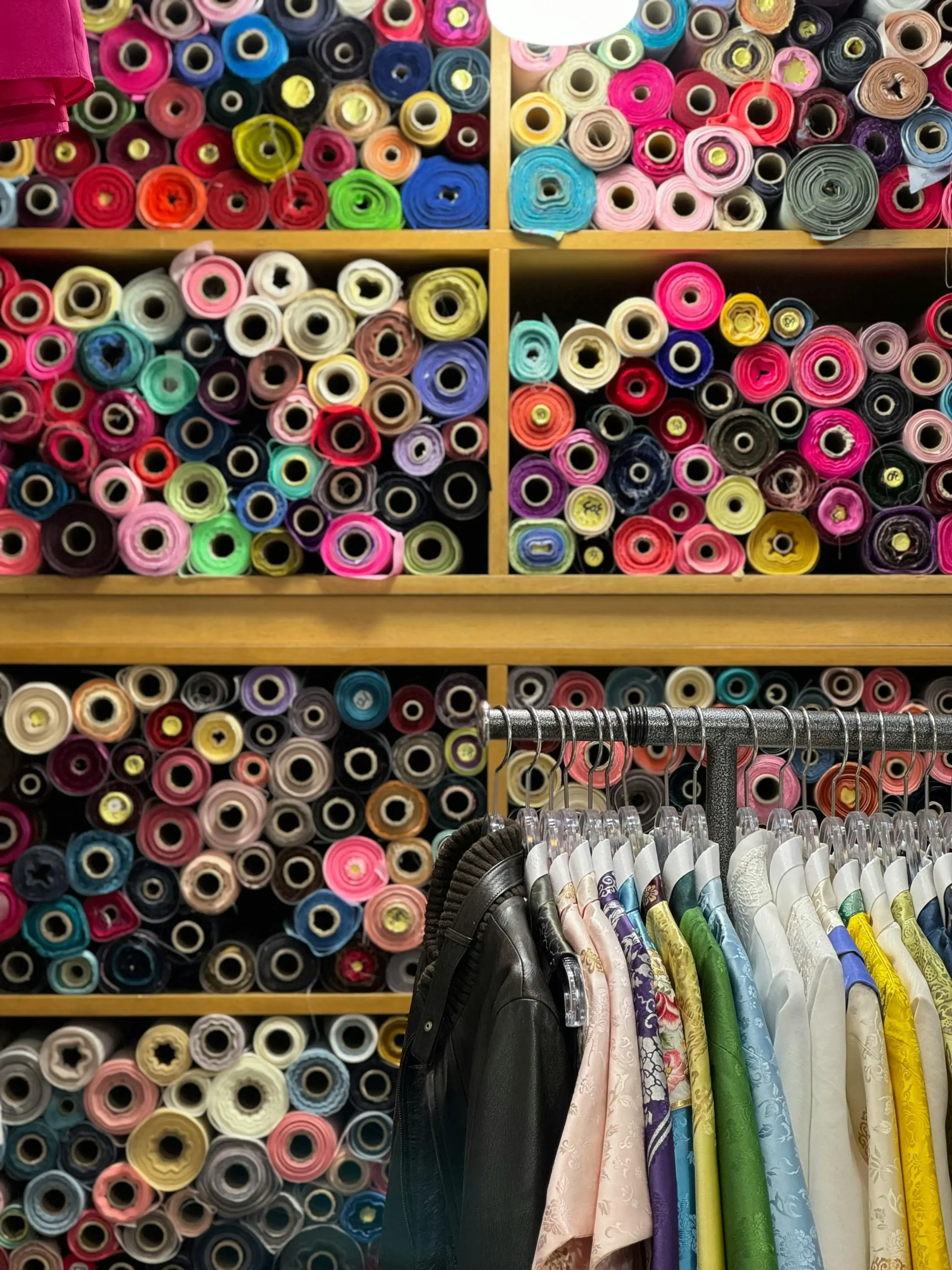
Tweed color matching failure reasons explain why two nearly identical fabrics can carry a 30% price gap — one mill accounts for the weave density shift, the other does not. The premium isn’t brand markup; it’s the cost of a production strike-off, a CIE Lab spectrophotometer check, and a mill that guarantees ∆E <1.0. The cheaper option sends you a hand-loomed swatch, gets your approval, then runs 1,000 meters on a power loom that packs threads tighter, shifting the color perception by 3–5 Lb* points. The buyer who lost $50K on that exact mismatch now demands a strike-off before any bulk order.
At our mill, we force clients to compare a hand-loomed swatch against a power-loomed strike-off before they approve. The difference is real — and it’s not a dye error. It’s physics. We set a quality tolerance of ∆E <1.0, and our average hits 0.8. That 30% premium buys you a production strike-off that eliminates 90% of color claims. It also buys you D65, TL84, and 3000K illuminant testing for metallic-thread tweeds, because retail lighting can shift the color reflection in ways a standard swatch can’t predict. Sample approval without matched fabric construction? That’s a recipe for a 30%+ chance of bulk deviation — and a expensive lesson in why tweed samples don’t match bulk.
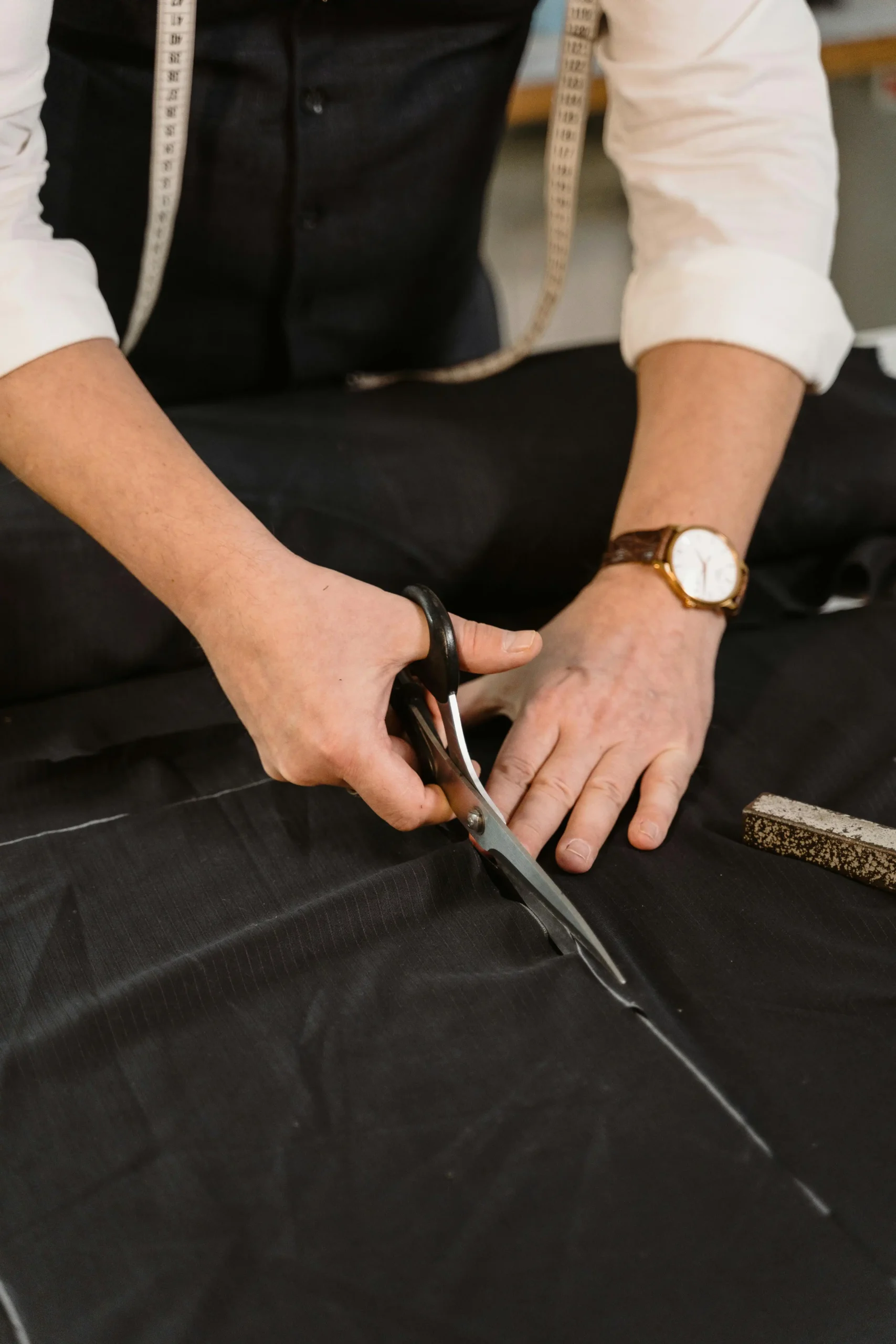
Why Tweed Colors Shift from Swatch to Production
Most tweed color mismatches aren’t dye errors—they’re weave density physics.
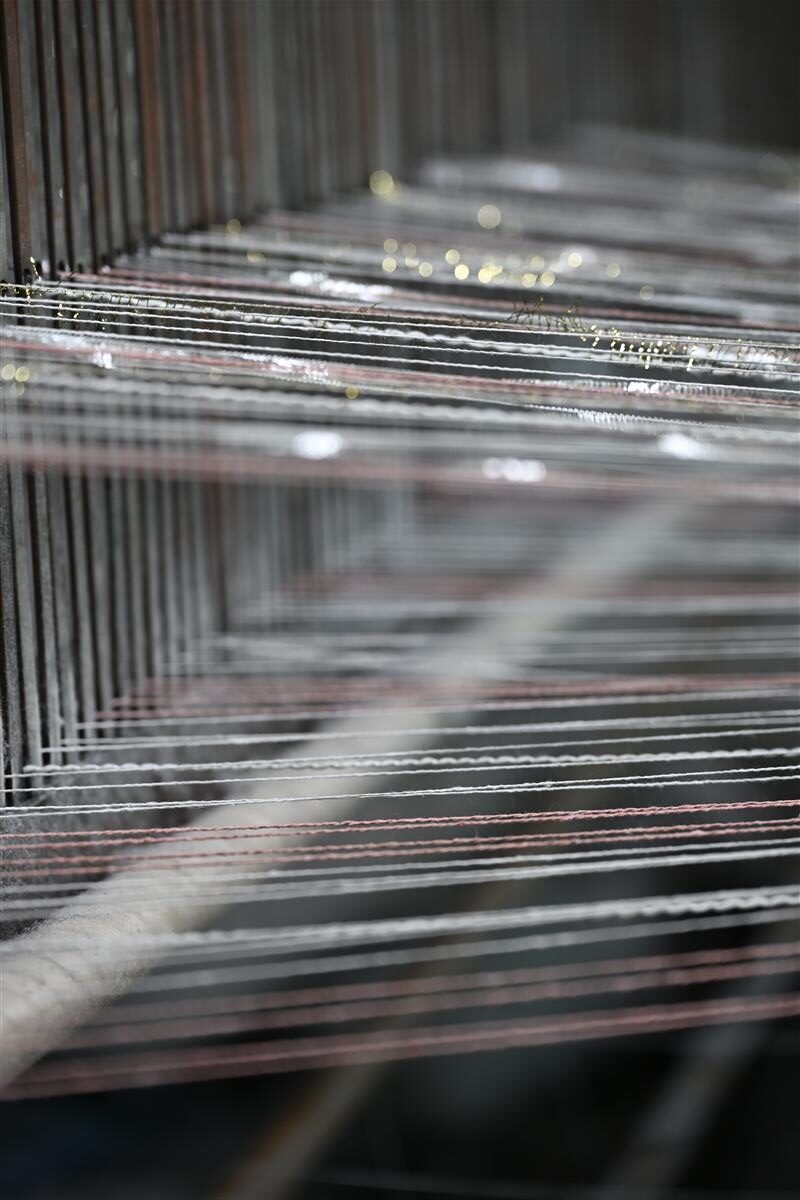
If you’ve ever approved a hand-loomed swatch only to receive bulk production that looks a shade darker, you’re not alone. The root cause isn’t a dye mistake—it’s physics. Hand-loomed samples run at lower warp tension, which creates a looser fabric structure. That openness lets more of the background yarn show through, making the overall color appear lighter and more mixed. When that same design moves to a power loom, the higher tension packs the warp and weft threads tighter. The surface becomes denser, the background yarn disappears, and the surface color reads more saturated. The difference? We’ve measured shifts of 3–5 CIE Lb* points between identical yarns woven on hand vs. power looms.
The Hand-Loom Trap: Why Your Swatch Lies to You
Every custom tweed program starts with a hand-loomed swatch—it’s fast, cheap, and gives you the feel. But that swatch is a prototype, not a promise. The lower tension means the weave is substantially looser than production. That looser construction acts like a screen: the background yarn (often a contrasting color) bleeds through and dilutes the surface color. In a power-loomed production run, the same yarns are packed tighter, the background disappears, and the surface color becomes more uniform and saturated. The color you approved on the swatch is not the color you’ll get in bulk—unless you account for the density shift.
This is why we insist on a production strike-off before any bulk run. A strike-off is a 10-meter sample woven on the actual production loom at full tension. It shows you the real color, the real hand, and the real drape. In our mill data, requiring a strike-off eliminates 90% of color mismatch claims. The cost? $120 per shade, 5-day turnaround. Compare that to the cost of scrapping 500 meters of custom tweed.
Dye Lot Absorption: The Natural Fiber Variable
Even after you solve the density problem, natural fibers add another variable. Wool is a protein fiber, and its dye absorption depends on micron count, bale origin, and even the season the sheep was shorn. Two batches of wool from the same supplier can take up dye differently, producing a visible shift even when the formula is identical. Yarn-dyed tweeds are especially sensitive because the color is locked into the yarn before weaving, so any dye lot variation in the yarn translates directly to the fabric.
We handle this by pre-blending wool bales by origin and micron before spinning. Every batch of yarn is tested against a spectrophotometric standard, and a dye lot continuity certificate is issued per roll—not just per batch. That means if you reorder six months later, the original can be matched within ΔE <1.0. For reference, most luxury houses set ΔE <1.0 as the acceptable tolerance. The average ΔE is 0.8.
Metallic Threads: A Third Variable in Chanel-Style Tweeds
If your tweed contains metallic threads—common in Chanel-style bouclé—the color shift problem gets worse. Metallic yarns reflect light directionally, meaning the color you see changes depending on the light source. A tweed that looks rich gold under fluorescent studio lights can turn brassy under warm retail lighting. We test every metallic-thread tweed under three illuminants: D65 (daylight, 6500K), TL84 (fluorescent retail), and 3000K (warm halogen). The approval is locked only when the reflectance curve matches the standard under all three. Most mills skip this step.
The bottom line: if you’re sourcing a custom tweed, don’t rely on the hand-loomed swatch. Request a power-loomed strike-off, verify dye lot continuity, and—if metallic threads are involved—insist on multi-illuminant testing. It’s the difference between a collection that looks exactly as designed and a costly re-run.
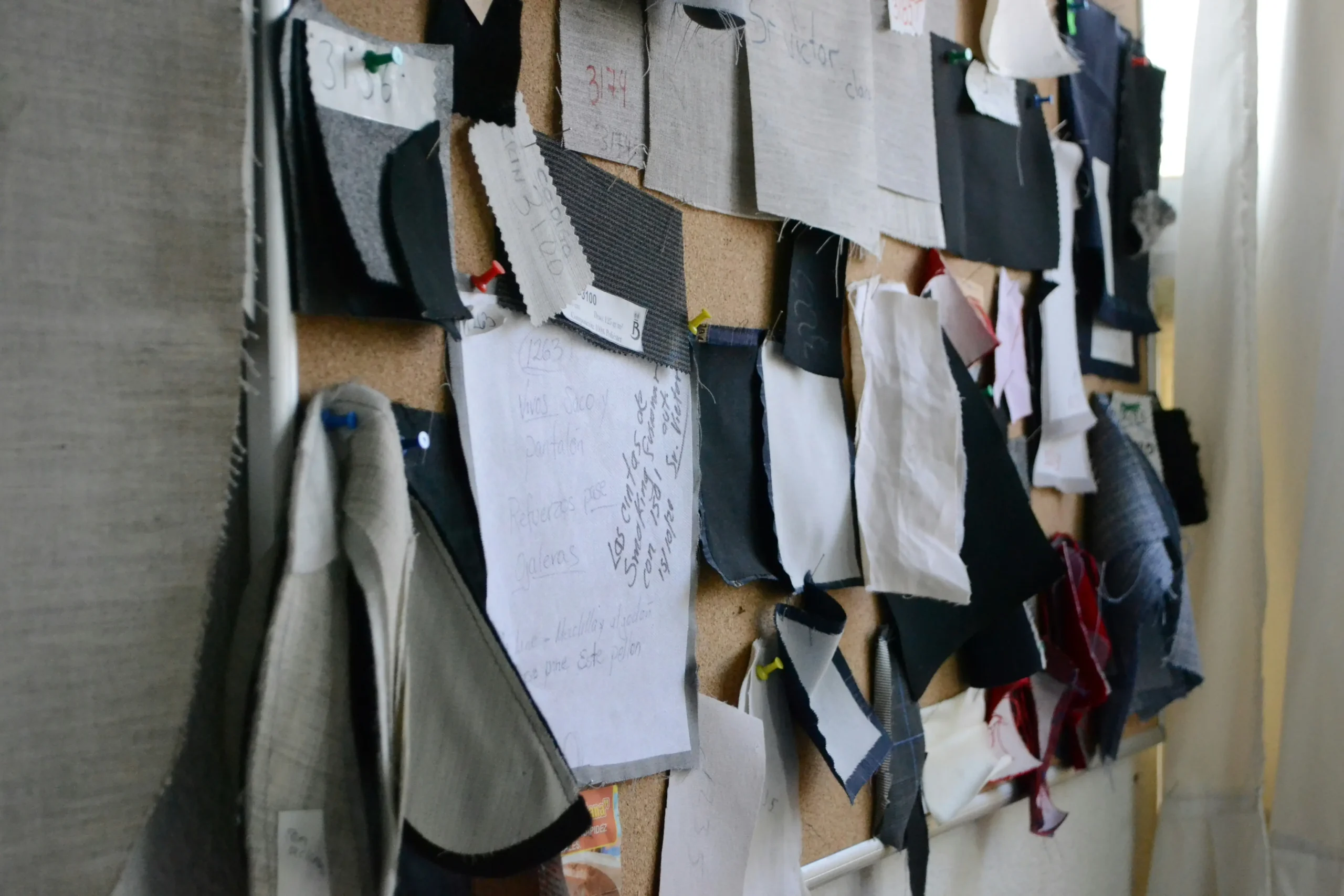
The Science of Color Matching in Tweed Fabrics
Most tweed color mismatches aren’t dye errors — they’re weave density physics.
Hand-loomed sample swatches have lower warp tension, creating a looser fabric that lets more background yarn show through. In production, the power loom packs threads tighter, making the surface color more saturated. This shift can reach 3–5 Lb* points — enough to turn a charcoal tweed into a medium gray. Our mill requires clients to compare a hand swatch against a power-loomed strike-off before approving bulk. This single step resolves 90% of color mismatch claims.
CIE Lb* Tolerances and Spectrophotometer Control
Luxury houses set the acceptable tolerance at ΔE < 1.0. Our mill achieves an average ΔE of 0.8 across all production runs. We use a spectrophotometer to measure each roll against the approved master standard at 100-meter intervals. If a roll exceeds the tolerance, it is red-flagged before shipment. The spectrophotometer quantifies color drift in three axes: L (red-green), and b* (yellow-blue). This is especially critical for tweeds with multiple constituent yarns, where the eye can be fooled by the overall texture.
3-Step Verification: Lab Dip → Strike-Off → Bulk Roll Sampling
- Step 1: Lab Dip: We produce a small yarn-dyed sample on your color formula. Cost: $50 per shade. Turnaround: 3 days. Approval at this stage confirms the base dye formulation.
- Step 2: Production Strike-Off: We run the first 10 meters on the actual production loom. Cost: $120. Turnaround: 5 days. This step catches the weave density shift that lab dips miss. Eliminates 90% of color claims.
- Step 3: Bulk Roll Sampling: Every 100-meter roll is measured against the approved strike-off using spectrophotometer. Any deviation beyond ΔE 1.0 triggers a hold and re-evaluation.
Lighting Standards for Metallic Thread Tweeds
Metallic threads in Chanel-style tweeds add a reflectance component that shifts color under different retail lighting. A tweed that looks warm bronze under D65 daylight can appear cold silver under TL84 fluorescent. Most mills approve color under a single light source. We test under three illuminants: D65 (daylight), TL84 (store fluorescent), and 3000K (warm halogen). The approval is locked with reflectance data at each wavelength, ensuring the garment reads true on the shop floor.
Dye Lot Continuity Across Reorders
Natural wool fibers absorb dye inconsistently depending on micron and bale origin. Even with an identical dye formula, a new batch of wool can shift the final color. We pre-blend wool bales by origin to normalize absorption and issue a dye lot continuity certificate per roll, not per batch. This means a reorder placed six months later will match the original production — a requirement for any brand building a consistent seasonal collection.
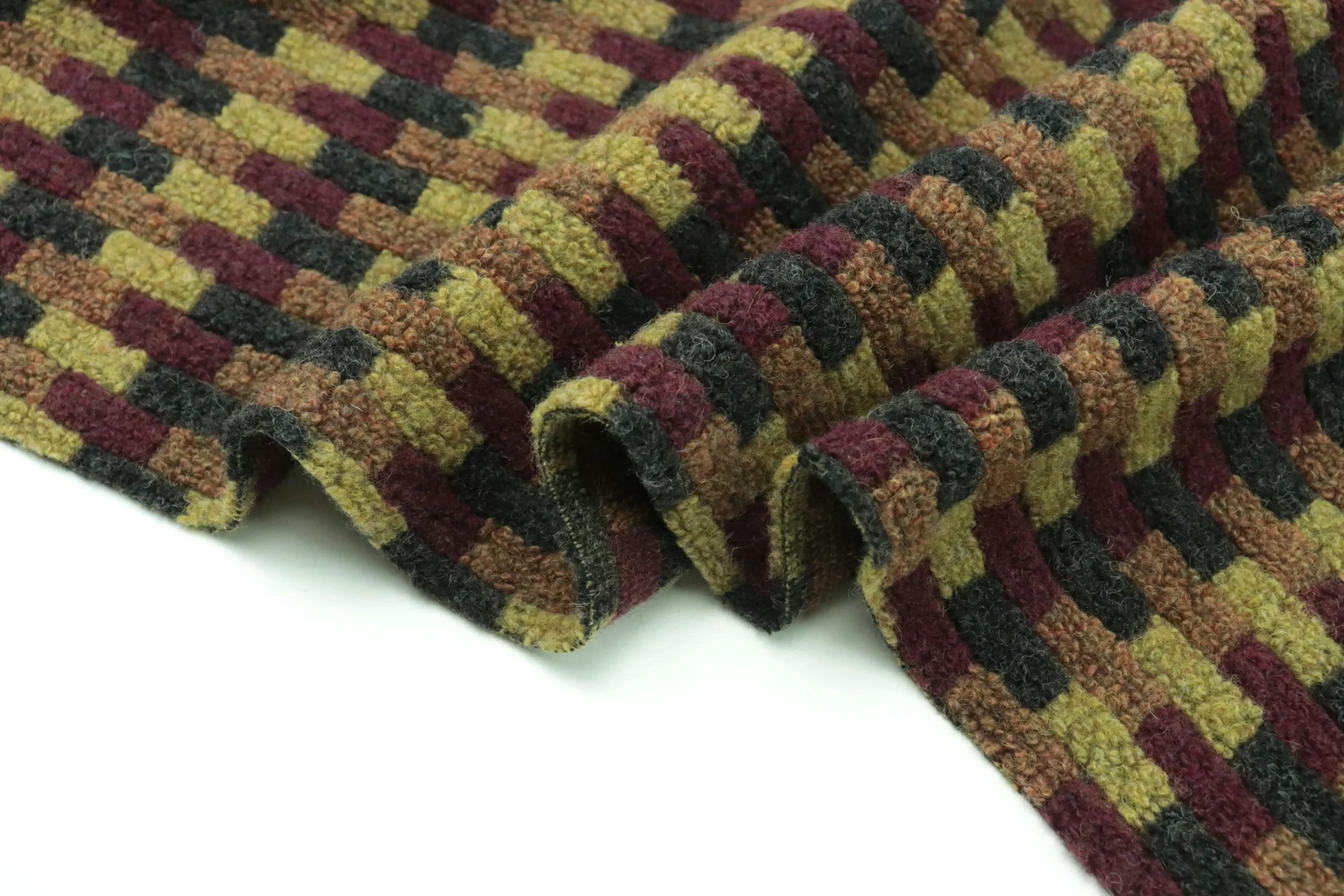
How to Avoid Color Mismatches in Your Next Tweed Order
A production strike-off from the first 10m of the power loom eliminates 90% of color claims.
You can build a flawless tech pack — Pantone codes, approved lab dip, fabric weight, the works — and still watch a $50K order go sideways because the hand-loomed swatch you approved doesn’t look like the production fabric. The cause isn’t bad dye. It’s weave density physics. A hand-loomed swatch has lower warp tension, looser construction, and lets more background yarn show through. The power loom packs threads tighter, saturating the surface color. That shift alone moves color perception by 3 to 5 Lb* points. Your eye catches it immediately.
Step 1: Skip the Hand Swatch for Color Approval — Demand a Production Strike-Off
A hand-loomed swatch is useful for hand feel and texture preview. It is not reliable for color sign-off. We require our clients to compare the initial hand swatch against a power-loomed strike-off — the first 10 meters off the production loom. That strike-off shows the real color, the true density, and the actual yarn interaction. Approving a hand swatch alone gives you a 30% chance of bulk color deviation. Approving the strike-off cuts that to under 10%. Our mill runs the strike-off within 5 days at $120 per shade. That’s cheap insurance against a $50K collection disaster.
Step 2: Lock the Lighting Standard
Tweed with multiple yarn colors — especially metallic threads — shifts appearance under different light sources. A Chanel-style tweed that looks warm and balanced under studio fluorescents can turn cold and flat under retail halogen spots. We evaluate every metallic-thread tweed under three illuminants: D65 (daylight, 6500K), TL84 (European retail fluorescent, 4000K), and 3000K (warm incandescent). We lock the approval with reflectance data from a spectrophotometer. Ask your supplier for the same. If they don’t have a light cabinet with multiple illuminants, find another mill.
Step 3: Demand Dye Lot Continuity per Roll, Not per Batch
Wool is a natural fiber. Even with identical dye formulas, absorption varies by micron and bale origin. A batch of Australian Merino from one season can absorb dye differently than the next. Wool bales are pre-blended by origin and a dye lot continuity certificate is issued for every individual roll, not just per batch. This means if you reorder six months later, the original formula can be matched exactly — down to the bale composition. Without that certificate, you risk a visible seam between rolls in a single garment. That’s a reject at final inspection.
Quick Checklist for Your Next Tweed Order
- Production strike-off — Request a 1m sample from the first 10m of the production run. Do not approve bulk without it.
- Lighting evaluation — View the strike-off under D65, TL84, and 3000K. Sign off only after you confirm it works in your retail environment.
- Dye lot continuity certificate — Ask for a certificate per roll, not per batch. Confirm the mill pre-blends wool bales by origin.
- Physical color standard — Include a Pantone TPX swatch or a physical color standard with your tech pack. Digital RGB values are not enough.
The cost of skipping these steps? A designer lost a flagship boutique account because the tweed on the shop floor looked 2 shades different from the sample collection. The reorder went to a competitor. That’s a $40K annual account gone because of a $120 strike-off that was never requested. That mistake should not be repeated.
Conclusion
Most tweed color mismatches aren’t dye errors — they’re physics. Weave density shifts color perception by 3–5 Lb* points. Wool bale origin causes dye absorption variation. Metallic threads change under different retail lighting. Knowing these three root causes separates the designers who get consistent results from those who don’t.
- Hand-loomed swatches vs power-loomed production shift color by 3–5 Lb* points.
- Production strike-off (first 10m run) eliminates 90% of color claims.
- Fursone targets ΔE <1.0 average 0.8; metallic threads tested under D65, TL84, 3000K.
- Pre-blended wool bales by origin with dye lot continuity per roll.
The next step is straightforward: before you approve any bulk tweed order, insist on a production strike-off from the actual power-loom run. We cut a 50cm sample from the first 10 meters and evaluate it under D65, TL84, and 3000K. This eliminates 90% of color claims. Request your strike-off swatch at our custom color matching page and see the real production color before committing to the full program.
Frequently Asked Questions
Why does my tweed sample look different in sunlight vs studio light?
Tweed’s multi-colored yarns react to different light spectrums; sunlight and studio lights cause perception shifts. Use a D65 daylight lamp (5000K) for consistent evaluation. Always evaluate your swatch under the same lighting as your final garment will be sold.
What is the acceptable color tolerance for high-end tweed?
For high-end tweed, we target ∆E <1.0, though industry standard often allows up to ∆E 1.5. Yarn-dyed tweeds can vary between batches due to natural fiber absorption. Request a production strike-off to lock in your tolerance.
Can I request a lab dip before bulk?
Yes, it is recommended to request a lab dip before bulk to verify color on your specific yarn base. This is step one in the 3-step verification: lab dip → strike-off → bulk roll sampling. Always approve the lab dip before moving to strike-off.
How does a production strike-off prevent color mismatch?
A production strike-off from the first 10m of the power loom eliminates 90% of color claims by revealing weave density shifts. Hand-loomed swatches often look different due to looser tension; the strike-off matches final production. Always request a strike-off before approving bulk.
Do metallic threads cause color shift under different lighting?
Yes, metallic threads reflect light directionally, causing noticeable color shifts under different lighting conditions. This is critical for Chanel-style tweeds with metallic threads; evaluate under D65 standard lighting. Confirm your lighting standard with your mill before bulk production.

Related Insights

How Boucle Loops Are Formed: Yarn Twist and Loop Engineering
A buyer opens a fabric swatch, runs a thumb across the surface, and feels those...
Inside a 300-Loom Wenzhou Tweed Factory: How Orders Flow
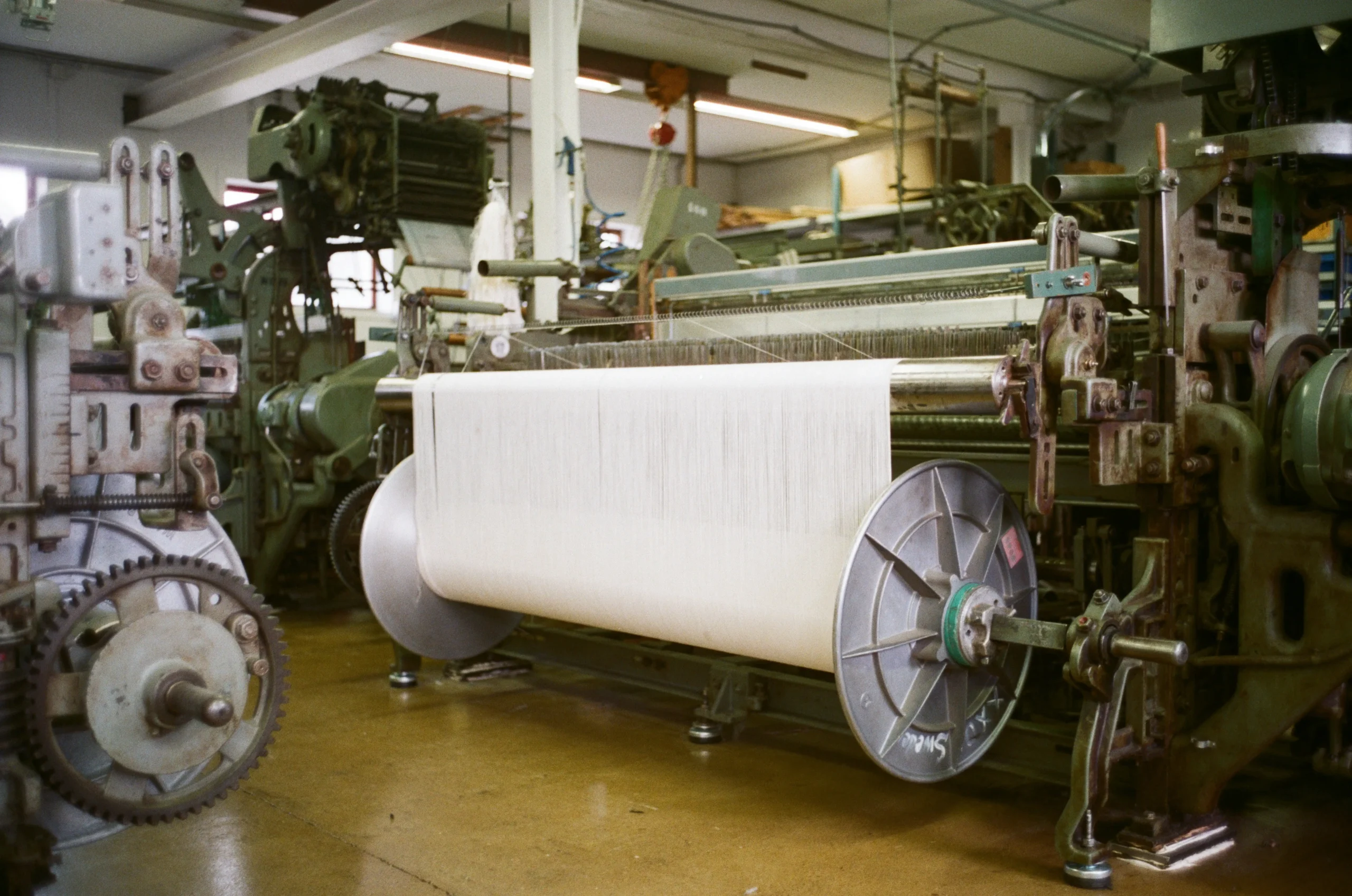
Every order that enters a wenzhou tweed factory with 300 looms follows the same spine:...
Chanel-Style Boucle Fabric: Stop Pilling & Fading Now
chanel style boucle fabric is the first checkpoint buyers should lock before they approve a...