

Single-sourcing a signature fabric feels efficient right up to the season it fails: the mill’s dye house floods, the loom schedule slips, and the brand’s best-selling jacket has no cloth. Second-source qualification, deliberately developing a second mill alongside the primary, is the standard hedge, yet most small brands do it reactively after a failure. This guide lays out a proactive qualification sequence a brand can run in parallel with normal production, without doubling its purchasing workload.
The economics first: qualifying a second mill costs a round of samples, a pilot run and some travel or inspection time, while a failed season on a hero fabric costs reorder panic, air freight and markdown risk. The sequence below follows the same sample-first logic described in our 3-step way to test a new fabric, extended from one fabric to a full supply relationship.
Why single sourcing fails quietly
Mills rarely fail loudly. What happens is capacity drift: the primary mill wins a larger customer, and your 1,000 to 3,000 metre programs slide down the schedule; or a dye recipe ages as the mill’s people turn over, and the cloth drifts season over season. Both failure modes are invisible on a swatch and obvious only in the third season. The buyer-side signal is organizational: if every fabric answer in your company routes through one supplier relationship, that relationship is a single point of failure regardless of how the mill behaves.
The 4-step qualification sequence
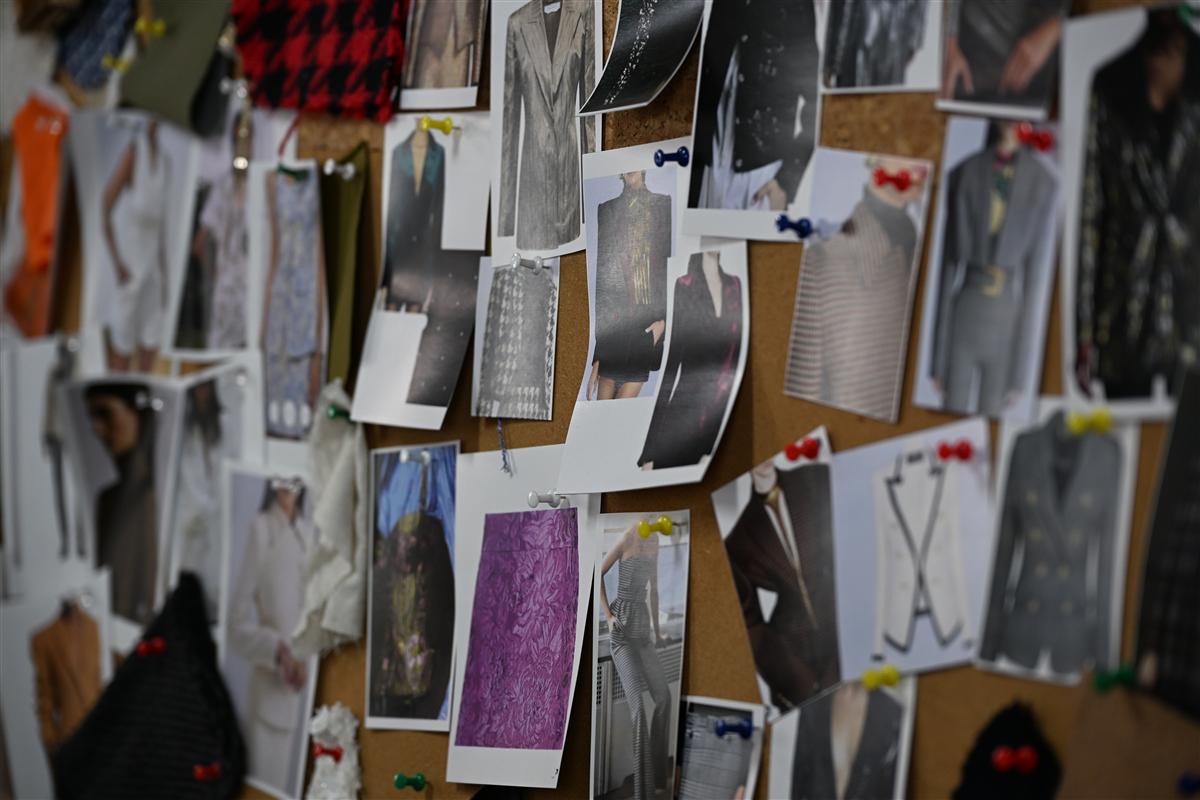
Step 1: parallel sampling. Send the second mill your best-selling construction and ask for a development sample against it; compare on paper weight, hand, pattern repeat and pilling grade side by side, using the comparison fields in our supplier quote comparison guide. Step 2: pilot at production scale. A pilot run from 300 metres, our standard custom MOQ, exposes loom-level consistency that sampling hides. Step 3: split a real order. Place 20 to 30 percent of a season’s volume with the second mill; nothing tests a relationship like a real delivery against a real calendar. Step 4: audit and documentation. Keep both mills’ spec sheets, golden samples and test reports current, so the second source can take volume at any point without re-engineering.
What to verify beyond the swatch
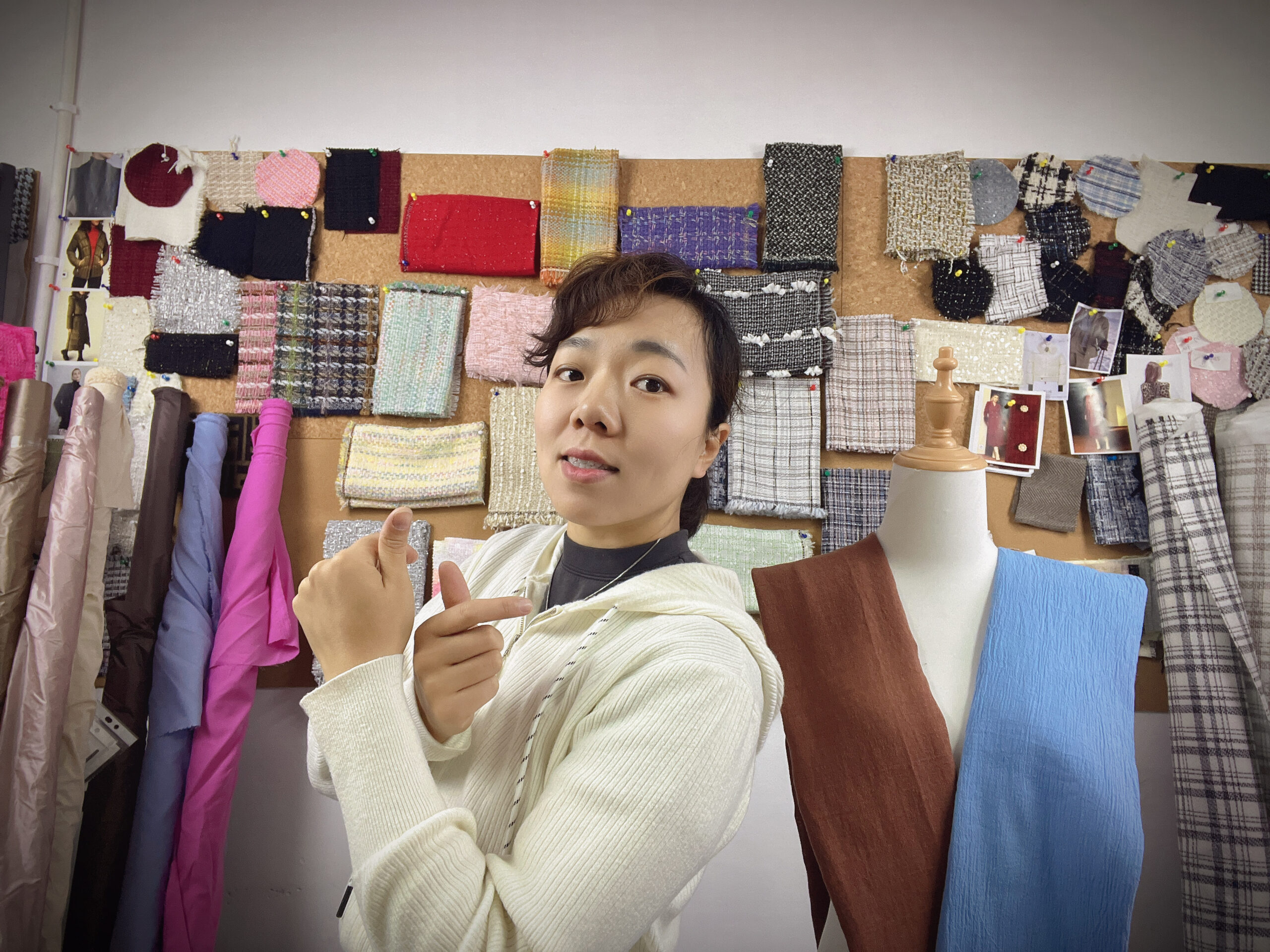
The swatch tells you the mill can make the cloth once; the audit tells you it can make it every week. A working audit covers loom capacity against your program size, dye-house control, lab test capability and financial health, and the 15-point structure we published covers the walk-through item by item. Buyers who cannot travel use third-party inspection instead: organizations such as SGS provide independent inspection services covering pre-shipment checks and factory assessment, which converts a stranger’s promises into documented findings. Stock capability matters here too: a second mill holding 100,000 metres of matching stock, as we do in Wenzhou, doubles as an emergency buffer even before custom production qualifies.
Price comparison discipline across two mills
Two mills quote differently, so compare on structure rather than on the headline number: yarn cost basis, dyeing included or extra, MOQ ladder, sampling charges, payment terms and packing. A mill quoting lower but charging tooling and sample fees twice can end up more expensive across a season; our stock versus custom MOQ case study shows how the ladder affects a small brand’s real cost. Keep both quotes on the same incoterm before comparing, and re-quote annually: yarn markets move and a two-year-old price sheet is fiction. For the reference construction to qualify against, start from our Chanel-style tweed line.

Video: tweed trends and mill capability
The video shows the range a qualified mill must hold across constructions and finishes, the capability depth a second source is being vetted for.
Frequently asked questions
Is qualifying a second mill worth it for a small brand?
For hero fabrics, yes: the pilot run from a 300 metre MOQ is a bounded cost, and the alternative is an unrecoverable season. For secondary fabrics, a stock-capable mill is a lighter hedge.
Won’t the primary mill react badly?
Professional mills expect dual sourcing at brand level. The relationship risk runs the other way: quietly moving volume after a failure damages trust more than a transparent qualification program announced upfront.
How much volume should the second source carry?
A common pattern is 20 to 30 percent of the season with room to flex to 50 percent, sized so the second mill stays warm on your programs without idling your primary relationship.
Can stock fabric serve as a second source?
Partially. Stock covers emergency continuity on close constructions but not exact custom color and hand. The durable answer is a qualified second mill plus a stock buffer.
See also our tweed accessories program guide.
Related Insights

How to Compare Fabric Quotes from Three Mills: A Side-by-Side Method
Three mills return three quotes for the same fabric brief, and the spread between them...

CNY Capacity Planning: Booking a Fabric Mill Around Chinese New Year
Every year, fabric buyers lose the same three weeks to the same event: Chinese New...
AQL Sampling for Fabric Rolls: What Buyers Should Know
AQL Sampling for Fabric Rolls: What Buyers Should Know AQL stands for acceptable quality limit,...