
Every year, fabric buyers lose the same three weeks to the same event: Chinese New Year. Mills stop for two to three weeks, but the real disruption runs six to eight weeks around the holiday, because yarn suppliers wind down earlier, workers travel further than they did a decade ago, and post-holiday restart climbs a learning curve. Buyers who treat CNY as two lost weeks enter March with late bulk; buyers who plan the mill calendar land their spring programs on time and often at better prices, since pre-holiday capacity gets booked, not negotiated.
Our Wenzhou floor runs on this calendar, and the bookings that work follow a pattern worth copying. This guide lays out the timeline: when to place orders relative to the holiday, what to produce before shutdown, how stock programs absorb the gap, and what to confirm about your own forwarders, who have their own pre-CNY crunch. Hong Kong’s trade promotion body, which has tracked mainland trade rhythms for decades, keeps practical guides for the holiday period on the HKTDC platform, and the dates shift every year because the holiday follows the lunar calendar, so no two seasons are identical.
The six-week window, mapped
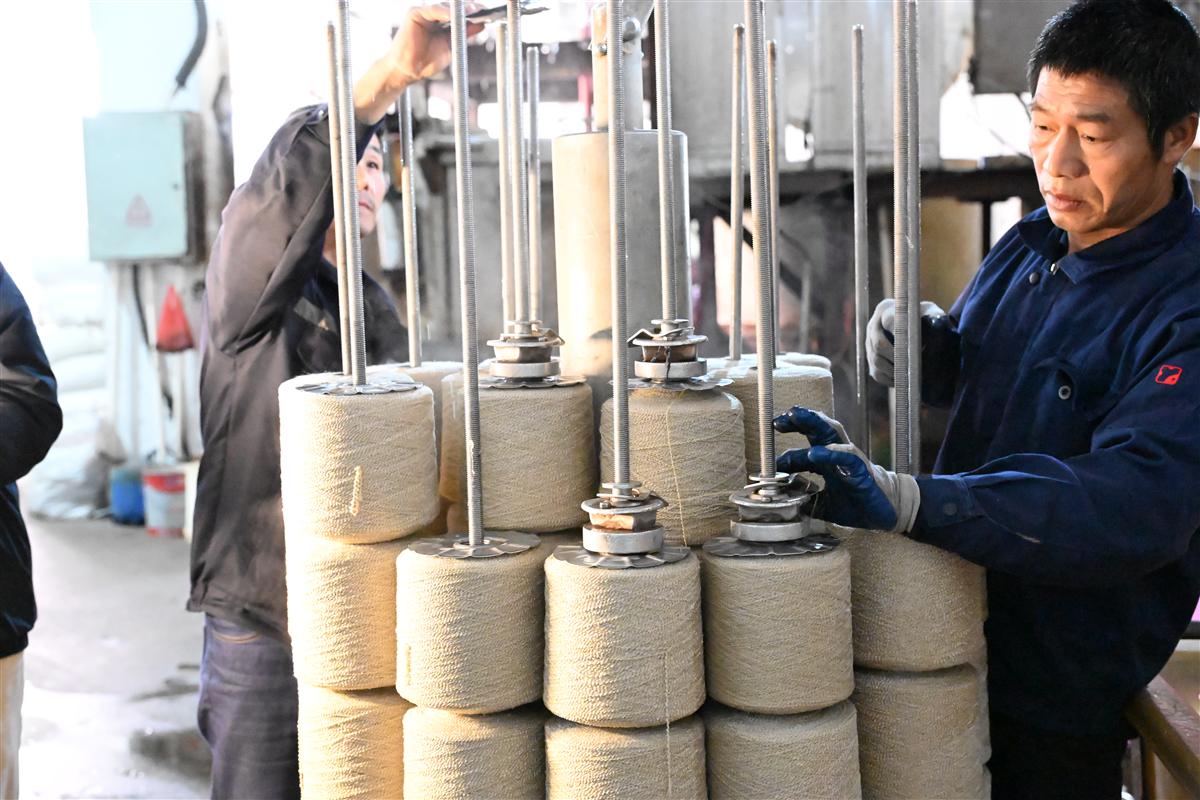
Work backward from shutdown day. Two to three weeks before, yarn spinners and dye houses cut off new lots, which means any custom color not already in production will wait until restart; that is why the custom-color cutoff sits four to five weeks before the holiday for most constructions. The final two weeks run down existing lots: mills finish loom programs that need no new dye input and bank them as finished roll stock. Shutdown itself lasts about two to three weeks depending on province and year. The first week back is retraining and re-tuning: looms re-threaded, dye lots re-matched, quality drifting slightly until settings stabilize, the reason first-post-holiday production carries a wider tolerance. Weeks two and three after restart run at full speed on everything banked before the break.
| Weeks before/after CNY | Mill status | Buyer action |
|---|---|---|
| 6-5 weeks before | Custom dye lots in production | Lock custom color orders |
| 4-3 weeks before | Weaving at full speed | Place stock-replenishment orders |
| 2-0 weeks before | Finishing banked lots, then shutdown | Approve pre-holiday shipments |
| Restart week | Re-threading, dye re-matching | Avoid first-week critical cuts |
| 2-3 weeks after | Full speed on banked work | Ship banked stock, resume custom |
Three scheduling strategies that work
First, pull custom color forward. A program that usually orders six weeks before cutting moves its custom-color decision eight to ten weeks before cutting in CNY seasons. The fabric rests in roll form, which has a side benefit: the extra relaxation and dwell time before cutting fits the dimensional discipline described in our relaxation guide. Second, switch the gap to stock-supported constructions: our ready stock program exists precisely for this window, because rolls banked before the holiday ship from the 100,000-meter floor while looms are cold. Third, split programs: bulk quantity in stock-supported constructions shipped pre-holiday, custom constructions scheduled for post-holiday production with a pre-agreed restart slot, so the mill calendar holds the place instead of the buyer hoping for one.

The freight layer: forwarders close before mills do
The hidden half of CNY planning is logistics. Container space tightens two to three weeks before the holiday as every factory in the coastal belt pushes shipments, carriers add congestion surcharges, and booking cut-offs arrive earlier each year. A fabric lot finished three weeks before shutdown can still miss the boat if space was booked late. Confirm with your forwarder: vessel cut-off dates against the mill’s finishing dates, whether they hold pre-CNY space allocations, and what happens to a container that misses its vessel. Buyers running door-to-door programs through us get the same answer chain documented in our air freight guide: for decisions that slip past the sea window, sample-size and urgent bulk lots move by air at the price premium stated there.
Customs adds one more calendar layer. Both Chinese export desks and destination import teams thin out around the holiday, so a document query that takes a day in February can idle a container for a week. The clearance documentation set described in our customs clearance guide should be complete and pre-checked before the last pre-holiday vessels, not assembled after them.
What buyers should confirm with the mill, in one email
Five items settle a CNY season. The shutdown and restart dates for the actual year, since lunar dates move. The custom color cut-off for your construction and dye route. Which of your SKUs are stock-supported across the window. The restart production slot your program holds, in writing. And the last vessel date your forwarder can commit against the mill’s finishing plan. Programs that close these five items before November enter the holiday with a schedule; programs that close them in January enter March with explanations.
Sampling for post-holiday slots reopens with the restart week and runs on the standard 7-day pre-production flow; stock orders ship through the break except for the shutdown days themselves. Inquiries about a specific season’s calendar reach the sales desk within one working day.
Video: capacity you can bank
The clip shows cloth moving through our floor at production speed. Pre-holiday capacity works the same way: banked as finished rolls, ready to ship while the looms rest.
Frequently asked questions
How long is the actual mill shutdown?
About two to three weeks depending on province and the lunar date, but plan around six to eight weeks of disruption: dye cut-offs before, re-tuning after, and the freight crunch on both ends.
Can I get custom colors made during CNY?
No new dye lots run through the break. Custom color orders placed after the cut-off join the restart queue, which is why the pre-holiday color decision matters more than the holiday dates themselves.
Is post-holiday quality worse?
First-week production runs with wider tolerance while looms re-tune and dye lots re-match. Programs with critical dimensional targets should schedule their first post-holiday cuts from banked stock rather than fresh production.
When should I book freight for pre-CNY shipment?
As soon as the mill’s finishing date is confirmed, typically four to five weeks before the holiday. Space tightens early and carriers impose cut-offs that arrive before the mills stop.

Related Insights

How to Compare Fabric Quotes from Three Mills: A Side-by-Side Method
Three mills return three quotes for the same fabric brief, and the spread between them...

Second-Source Strategy: How Brands Qualify a Second Tweed Mill
Single-sourcing a signature fabric feels efficient right up to the season it fails: the mill’s...
AQL Sampling for Fabric Rolls: What Buyers Should Know
AQL Sampling for Fabric Rolls: What Buyers Should Know AQL stands for acceptable quality limit,...