
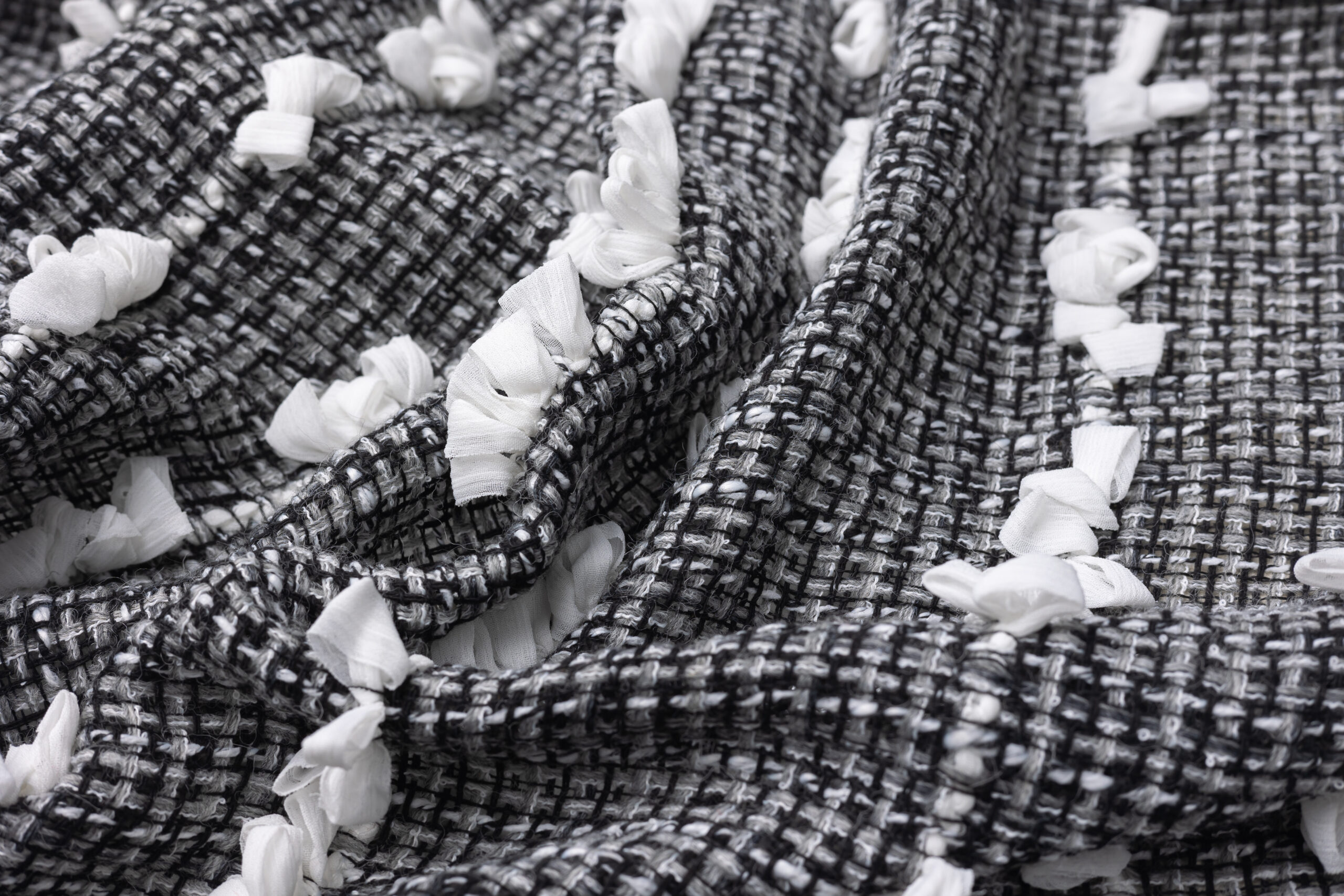
How to Clear Fabric Through Customs Without Delay
A fabric shipment that stalls in customs can cost more than the duty itself: delayed production, missed launch windows and a frustrated client. Most fabric customs delays are preventable, and they are nearly always caused by the same few mistakes in documentation, classification and valuation. This guide walks through what customs officers actually check on a fabric shipment and how to prepare so the goods clear as fast as possible.
The three things customs checks on fabric
Customs checks three things on every textile import: the commodity code (HS code), the declared value, and the origin. The HS code determines the duty rate and, for textiles, the correct heading is surprisingly specific. A tweed and a knit can sit in different headings even when they feel similar to a buyer. Getting the code wrong is the single most common cause of a fabric shipment being held.
Origin matters because it drives tariff treatment and any preferential rate a trade agreement allows. The declared value must match what you actually paid, because an understated value triggers an audit.
If you import fabric regularly, working with a fabric wholesaler partner that provides complete export documentation can remove most of the customs risk before the goods ever ship.
Documentation that prevents a hold
Have the commercial invoice, packing list and bill of lading match each other exactly. The description on the invoice should give the composition and weight, not just “fabric”. For a wool blend, state the wool percentage, because fibre content and weight affect the duty and can raise a question if it is left vague. A mismatch between the invoice description and the crate contents is what invites a physical inspection.
If you import regularly, build a standard description template. Our import logistics and duty optimization guide lays out the classification and Incoterm steps that keep a shipment moving.

HS codes for common fabrics
Tweed and wool fabrics generally fall under Chapter 51 of the harmonised system, while most knit fabrics sit in Chapter 60. The specific subdivision depends on composition, weight and construction, which is why guessing is dangerous. A wrong code can produce a higher rate than expected and a classification query that stalls the consignment.
Use the official tariff database for your destination country and double-check the code against the fabric composition. If you are unsure, request a binding tariff ruling before you ship. The U.S. International Trade Administration publishes guidance on importing that is a useful first reference for US-bound shipments.
Valuation and duty errors to avoid
The two valuation mistakes that delay fabric are undervaluing the goods and mis-declaring freight and insurance. Customs values the shipment on the transaction value, which includes the cost of the goods, freight and insurance where relevant. Declaring only a portion of the total is a common and easily detected error. Be transparent and your shipment is far more likely to clear on the first pass.
Remember that duty is not the only cost; VAT or sales tax and any anti-dumping duty on certain textile products can apply. Budget for all of them, not just the import duty rate.

The quick checklist before you ship
Verify the HS code against the official tariff, match all three documents, state fleece and composition clearly, declare the true value, and pre-check whether a Certificate of Origin is needed. Send this pack to your freight forwarder before the goods sail, so any error is caught before it reaches the port.
For related reading on duty and VAT for specific markets, see our UK fabric imports guide and the tweed fabric import duty article.
Video: fabric-to-garment effect from the Fursone mill
FAQ
What most often delays a fabric shipment at customs?
An incorrect HS code or a mismatch between the invoice description and the crate contents. Wrong classification and understated value both trigger an inspection and hold.
Do I need a Certificate of Origin for fabric?
Often yes, depending on the destination and the tariff treatment you are claiming. Pre-check the requirement with your forwarder before the goods sail.
See also our air freight fabric guide. See also our ISPM 15 fabric packing guide.

Related Insights
Short Size Runs Before Seal: Ratio Audit, Carton Marks, Claim Clock
Short-shipped size runs that force day-one markdowns are a size-ratio and carton-marking failure you can...
Care Labels Shrink and Twist: Substrate, Sew Method, Wash Flatness
Care labels that shrink and twist after the first wash on lined coats are a...

Same Yarn Lot Six Weeks Later: Lot Proof, Shade Band, Idle Gate
A mill that quotes “same yarn lot” for a 100-metre reorder six weeks later is...