
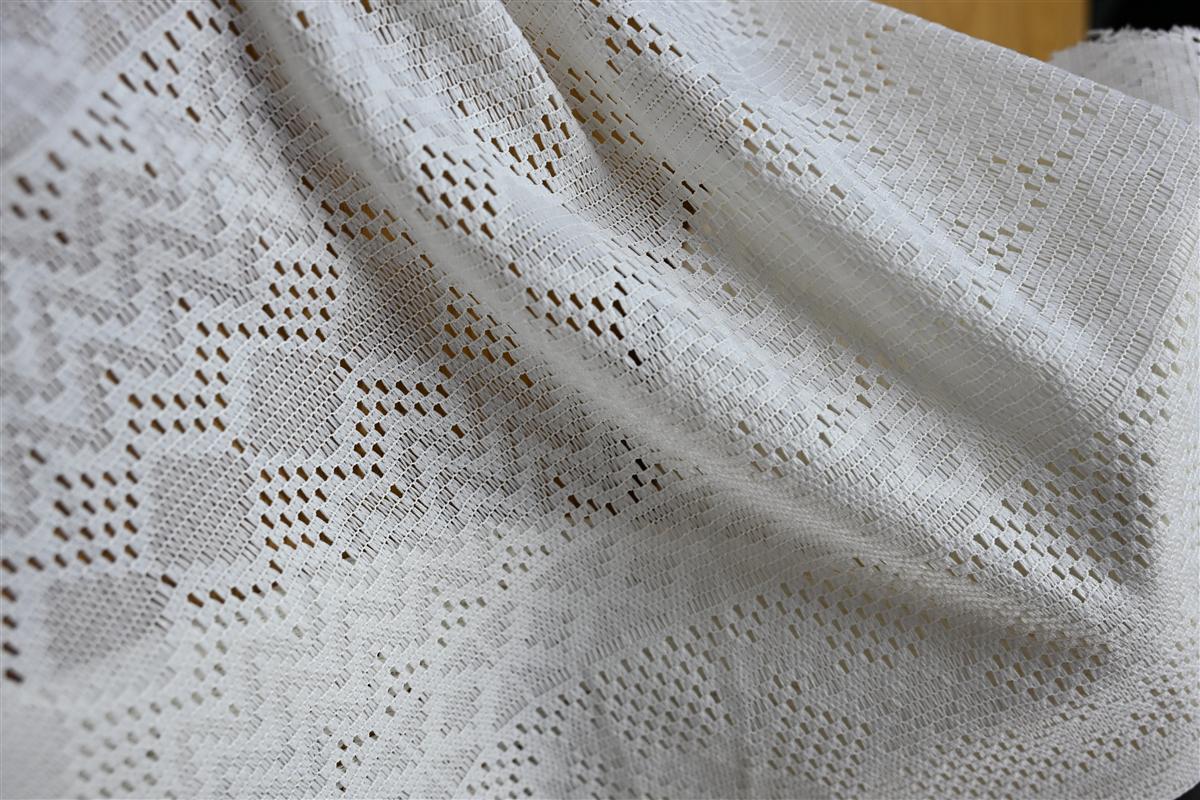
Do not approve bulk against the handloom sample alone. Ask the mill to show you two cloths side by side: your handloom development piece and a pilot length woven on the actual power looms with bulk yarn, then finished through the same route the bulk will take. On both pieces you want the same yarn batch and dye lot, measured ends and picks per inch, matched construction, and identical finishing treatment. The handloom sample only proves that the color composition and the weave pattern are right. It cannot prove how the power-loom bulk will look, feel, or behave across a full run. Approve design on the sample, approve production on the pilot, and put every accepted difference in writing before the looms start.
What a Handloom Sample Cannot Prove About Bulk Tweed
A handloom and a power loom assemble the same yarns under completely different conditions. On a handloom, the weaver sets warp tension by feel and beats each pick by hand, so tension stays low and drifts through the day. A power loom runs a constant, much higher warp tension through a mechanical let-off and drives every pick home with a fast, forceful beat-up. The cloth that comes off it is tighter, flatter, denser, and crisper than the same design woven by hand. When your development sample felt soft, full, and slightly irregular, part of that character came from the loom itself, and it will not survive the move to production machinery.
That leaves four questions the handloom piece cannot answer. First, tension uniformity. Bulk cloth gets its cover, its weight per square meter, and much of its shrinkage behavior from loom tension settings, and only cloth woven under those settings can show what they produce. Second, the surface grain of power-loom cloth. A closer, more regular interlacing changes how light travels across a twill line, so production cloth can look flatter and read harder than the sample even when the yarn is identical. Third, bulk shade variation. Your sample is one small piece, usually woven from sample-room cones; a bulk run passes through many cones of dyed yarn on many looms, which is where side-to-center drift, loom-to-loom shading, and lot-to-lot color movement appear. No handloom swatch can preview that variation. Fourth, ends and picks stability. Handloom density wanders with the weaver’s pace, while a power loom holds whatever pick density is programmed, and that programmed figure may not match what you actually measured on the sample.
Mills offer handloom samples for a fair reason: they are quick, inexpensive, and need no production scheduling. The trouble starts when everyone quietly treats that convenience as an approval standard. The mismatch usually appears in the places buyers rarely think to check at sample stage: the hand after bulk finishing, the weight once the cloth has been milled down, and the shade consistency from one end of a bulk piece to the other. None of these can be judged from a handwoven swatch, however well it was made. Ask the mill which of the two cloths their own quality team would sign against, and you will usually get an honest answer.
The Side-by-Side Checklist to Demand on Both Cloths
Ask the mill to put both cloths in front of you under the same light source, face up, and to confirm each point below in writing, separately for every piece. Reassurances that the bulk is the same quality are not evidence; measured facts are.
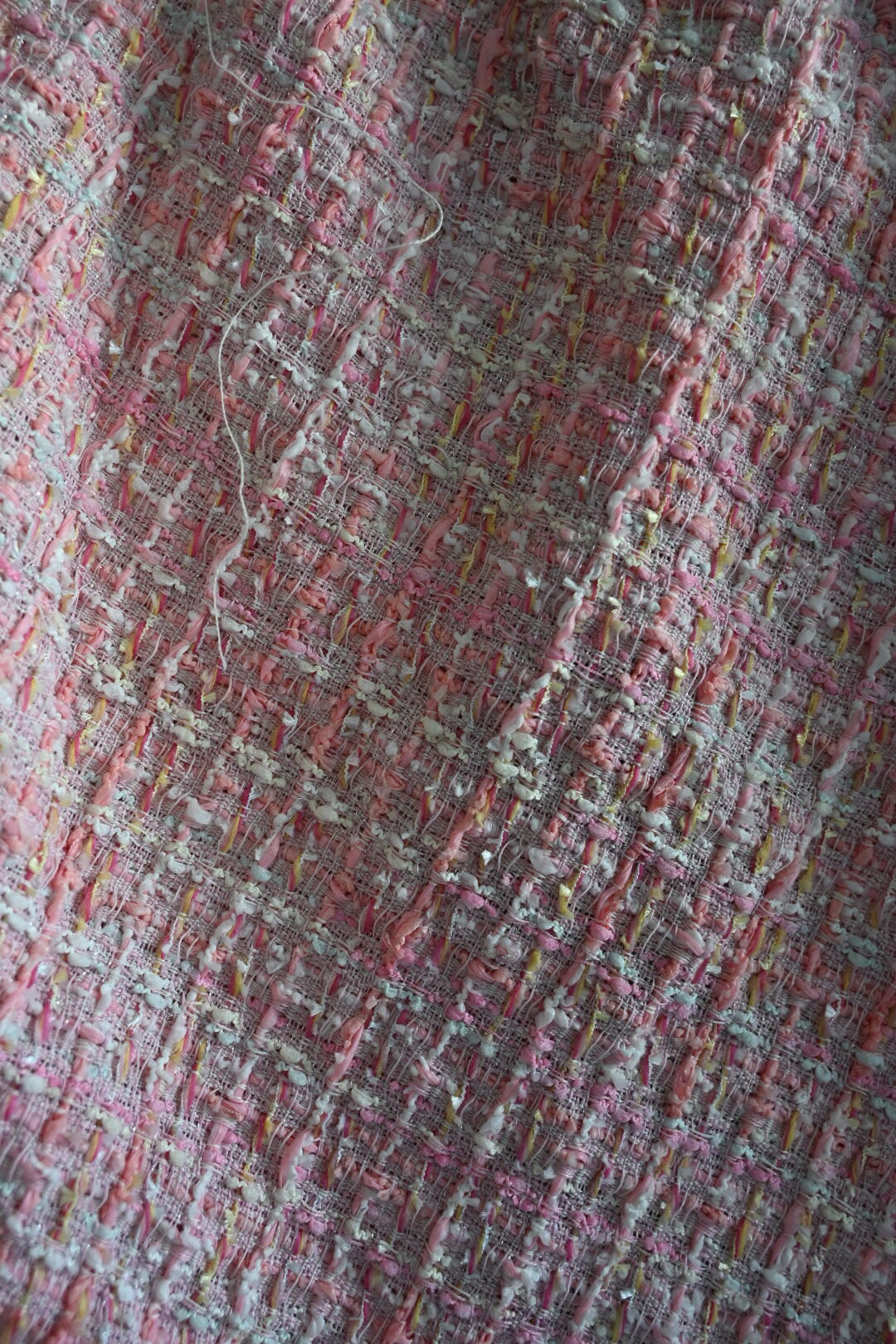
- Same yarn batch and same dye lot. If the sample was woven from sample-room cones, the pilot must come from actual bulk yarn, and both lot references belong on the approval sheet. A fresh dye lot can shift the shade of a melange yarn more than any weaving change will.
- Measured, not quoted, ends per inch and picks per inch on both cloths. If the two fabrics differ, ask which figure the bulk looms will hold, and make that figure the specification.
- The same finishing route. A handloom sample is often washed, milled, and pressed gently by hand, while bulk cloth moves through continuous wet finishing and decating or calendering. Both pieces must go through the bulk finishing sequence before you compare hand and appearance, because finishing changes tweed more than weaving does.
- The same dyeing stage. If bulk will be woven from dyed yarn, the sample must be yarn dyed as well. If you are still deciding between stock dyeing and piece dyeing for this quality, settle it now, because the approval standard changes with the route you pick, as explained in this guide to stock dyeing and piece dyeing for tweed.
- Pattern repeat, twill direction, and check alignment compared face to face on both cloths, plus finished usable width and selvedge behavior on the pilot piece.
Two practical details make the comparison honest. Condition both pieces in the same room before you judge them, because moisture content changes the hand and the measured width of wool cloth. And compare both cloths after finishing, not in loom state, since tweed takes much of its final surface, loft, and shade from finishing. An unfinished sample set against a finished pilot tells you about the finishing line, not about the weaving.
Run a Power-Loom Pilot Before You Release Bulk
A small strike-off woven on a sample loom is a step forward, but it is still not bulk weaving. Ask for a pilot length, several meters or more, woven on the production looms that will run the order, threaded with the same draft, using bulk yarn, and finished through the full bulk route. The point is to let the real machine settings, the real tension, and the real finishing line show you what the mill can repeat, not what a sample room can produce once. The difference is structural rather than a matter of care, because power looms and handlooms work under fundamentally different tension and beat-up mechanics, which is why cloth from each never looks quite the same off the same yarn.
Inspect the pilot across its whole length: beginning, middle, and end. Look for shade change along the piece, width variation, reed marks or weft-insertion streaks, mispicks, and how the pattern meets at the joins between fabric widths. Once you accept the pilot, it becomes the bulk standard, and the handloom sample steps back into a supporting role as the design reference. Any later bulk inspection then judges cloth against the pilot and the written specification, which is a standard the mill can actually hit every day. Date and seal a cutting of the pilot the same way you keep the handloom piece, so both references stay traceable.
If the pilot misses, treat it as information rather than a failure. Most gaps have mechanical causes that a mill can fix between pilots: tension settings that need rebalancing, a pick density programmed from a quoted figure instead of the sample’s measured one, a finishing sequence shortened to save time. Ask for the corrected settings in writing and a second pilot if the change is large. What you should not do is approve on faith that the bulk run will drift back toward the sample, because it will drift toward the loom settings instead.
Write Every Accepted Difference Into the Approval Record
When the pilot differs from the handloom sample, and it usually will, the differences need a home in writing. Your approval sheet should carry the sample number and date of both cloths, the measured construction of each, the finishing route, and a short line for every difference you accept: a flatter grain, a firmer hand, a slightly higher pick density, a widened shade tolerance. This is not paperwork for its own sake.
Without that record, two things go wrong. The factory can be measured against a handwoven standard it can never reach, so every shipment looks like a failure even when it matches the pilot perfectly. Or the opposite happens: differences that were discussed and tolerated in emails resurface as claims once the goods land. A signed record with both swatches sealed and dated closes both doors. Ask for a cutting from the first bulk roll as well, so the start of production is checked against the pilot before the whole order is cut and sewn.
The record also protects the design itself. Months later, when someone asks which cloth the original approval covered, the sheet answers in seconds: design intent from the handloom sample, production execution from the pilot, and tolerances for everything in between.
What the Handloom Sample Is Actually For
Strip the process back and the handloom sample has two honest jobs. It confirms the color composition: the melange blend, the overcheck colors, the balance of ground and contrast that makes the design yours. It also confirms that the weave pattern is drawn correctly: the twill line, the herringbone breaks, the houndstooth scale, the way pattern names in tweed become interlacing on the loom. Hand weaving is a fast, inexpensive way to answer both questions before anyone threads a production loom.
What it should never be asked to do is certify hand, drape, physical performance, or shade at bulk scale. Those answers live in the pilot cloth and its test results, compared against your own sealed references under real light. Keep both samples, approve each one for what it can actually show, and the move from development to bulk becomes a controlled comparison instead of a gamble.
There is a useful habit in this split. Give every new tweed quality two approvals from day one: a design approval on the development sample and a production approval on the first power-loom pilot. Buyers who keep the two separate stop arguing about whether bulk looks like the sample and start checking whether bulk matches the pilot, which is the only comparison a production loom can win.

Powiązane spostrzeżenia
Shrink vs Stretch Returns: Separating Cloth From Care
A shrink-versus-stretch attribution is a controlled comparison that separates cloth change from care change on...
Lab Dip Close to Pantone: What to Sign Before Bulk Dye
A lab dip approval is a signed colour standard that freezes dye recipe, substrate, illuminant,...
Merino Is Not a Fibre Name: Labelling a Wool Coat for Two Markets
A wool coat sold in both markets needs two different fibre lines, and the words...