

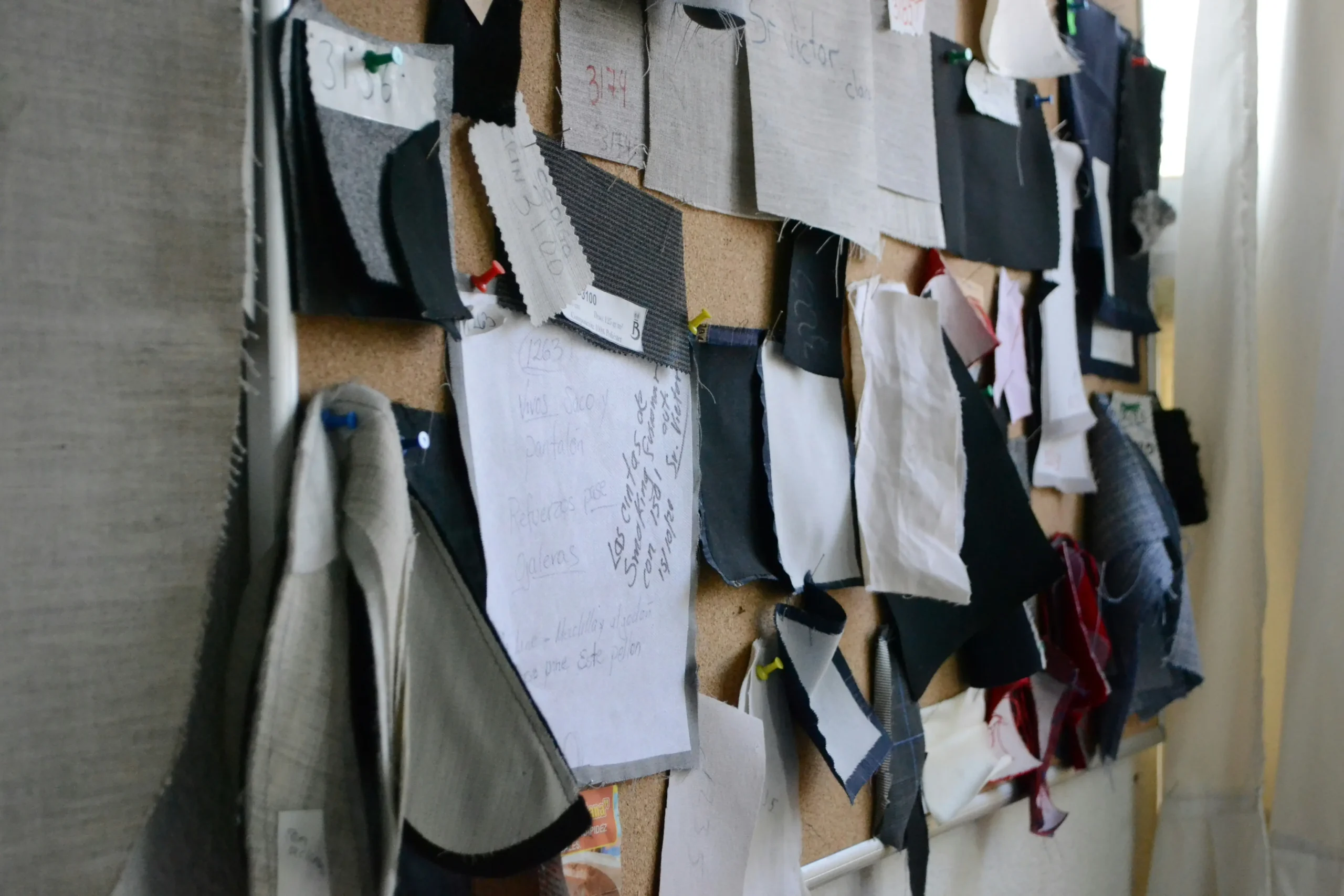
Dostawca tweedu mała partia to pierwszy punkt kontrolny, który kupujący powinni sprawdzić przed zatwierdzeniem dostawcy, budżetu lub slotu produkcyjnego. Znalezienie odpowiedniego dostawcy tweedu do garniturów w małych partiach nie jest ćwiczeniem biurowym – to moment, w którym otwierasz duże zamówienie i zdajesz sobie sprawę, że tkanina w ilości hurtowej nie zgadza się z próbką przedprodukcyjną zatwierdzoną osiem tygodni wcześniej. Waga jest inna, partia barwnika się zmieniła, a nagle proces zatwierdzania próbki, który pospiesznie przeszedłeś, wygląda drogo. Przeprowadzałem audyty dostawców w wielu krajach, a najdroższa rozmowa zawsze zaczyna się od słów: “ale próbka wyglądała idealnie”. Dla początkujących projektantów margines błędu w przypadku małych partii tweedu do garniturów nie istnieje. Potrzebujesz partnera, który rozumie, że 100 metrów tkaniny na stanie to nie zamówienie próbne – to twoja cała kolekcja kapsułowa.
To, co zmienia zasady gry, to sposób, w jaki wykorzystujecie szybkość próbkowania i programy zapasów, aby zmniejszyć ryzyko zakupu. Przędzalnia oferująca 7-dniowe próbkowanie tweed fabric daje ci decydującą przewagę nad każdym, kto wciąż czeka cztery do sześciu tygodni. Ten szybki czas realizacji pozwala przetestować 100 m faktury z zapasów, ocenić reakcję nabywców i dopiero potem zobowiązać się do programu custom tweed development 300 m, gdy popyt zostanie udowodniony. To przekształca twoją relację z jednorazowego hazardu w ustrukturyzowaną linię dostaw. Mój benchmark dla każdego projektanta pozyskującego affordable luxury tweed mills: nalegaj na startową ilość 100 m z wysyłką w ciągu tygodnia, jasny FOB pricing sheet that separates yarn cost from finishing charges, and a written quality tolerance—especially around weight variance and dye lot consistency. If a supplier can’t give you those three things on the first call, you’re not dealing with a real small-batch partner. You’re just another single order in their pipe.
Jak rozumieć wymagania zakupu tweedu w małych partiach
Przestańcie pytać o najniższe MOQ.
Pierwszym błędem początkujących projektantów jest pogoń za najniższą możliwą Minimalna ilość zamówienia (MOQ). This is a trap. The real question isn’t how low you can go, but what that specific quantity unlocks. In professional sourcing, we look at MOQs in two distinct categories: strategic testing and proprietary development.
For a capsule collection or a market test, you need an in-stock program. This is where a supplier offers finished fabric, ready to ship. A Chinese tweed mill MOQ of 100m is the gold standard here. It lets you produce a small batch of suits, gauge customer reaction, and prove your concept without tying up tens of thousands in dead inventory if the color or style doesn’t hit.
Once you have a winner, you shift to custom development. This is where higher MOQs, typically starting around 300m, come into play. A custom tweed development of 300m allows you to create an exclusive fabric—your specific yarn blend, your unique color melange, your signature weave. This is how you build a defensible brand asset that fast-fashion players can’t easily replicate.
Now, let’s talk weight. For suiting, you’re typically looking in the 350–500 g/m² range. But this number on a spec sheet is almost useless without context. Any mill can make a heavy fabric. The challenge is achieving that weight while maintaining a sophisticated drape and hand-feel, which comes from the quality of the yarn, not just its thickness.
- The Red Flag: A supplier agrees to your target weight without asking about the intended garment, desired drape, or yarn composition. They’re likely a trader or will use cheap, coarse yarns to hit the number, resulting in a stiff, board-like fabric.
- The Green Light: A potential partner asks follow-up questions. ‘For a 450 g/m² jacket, have you considered your tweed suit lining matching weight? A heavier lining might be needed to support the structure.’ This shows they understand garment construction, not just weaving.
You also need to discuss quality tolerance for weight. An acceptable variance is typically +/- 5%. If a supplier’s tolerance is wider, say 10% or more, you could receive fabric that’s noticeably different from your approved sample, compromising the consistency of your collection. This is a non-negotiable technical point to clarify before any FOB pricing is finalized.

Ocena dostawców tweedu do tkanin garniturowych przy niskim MOQ
Użyj 100 m tweedu z magazynu do testu popytu na rynku, zanim zdecydujesz się na customowe partie 300 m.
Kiedy weryfikujesz dostawców tkanin tweedowych z niskim MOQ do małych serii garniturów, zacznij od pytania o programy z gotowego magazynu. Chińska tkalnia tweedu, która trzyma 100 m gotowych do wysyłki, pozwala przetestować warianty kolorystyczne przy minimalnych nakładach — zamawiasz w poniedziałek, odbierasz do piątku. Ten model magazynowy zmniejsza ryzyko przy pierwszej kapsule; sprzedajesz serię, a potem przechodzisz na niestandardową partię rozwojową tweedu o długości 300 m dla wyłączności. Sprawdź, czy tkalnia przędzie własną przędzę, a nie korzysta z ogólnodostępnych zapasów rynkowych. Zastrzeżone przędze slub lub bouclé skutecznie blokują podróbki.
7-dniowy cykl próbkowania tkanin tweedowych to twoja broń na czas wobec tradycyjnego oczekiwania 4–6 tygodni. Wymagaj, żeby próbka przyszła przypięta do karty specyfikacji: skład przędzy, gęstość splotu i klasa trwałości koloru ISO. Te dane pozwalają natychmiast porównać się z europejskimi tkalniami. Pomijany szczegół: dobierz do ciężkiego tweedu (350–500 g/m²) oddychającą podszewkę — bemberg jedwabno-bawełniany unika efektu łaźni parowej taniego acetatu. Jak sprawdzić jakość tkaniny tweedowej? Sprawdź krajkę pod kątem uciekania i prześwietl dzianinę pod światło w poszukiwaniu mikro-dziurek.
Przystępny cenowo zakład tkacki produkujący luksusowy tweed pokaże ścieżki pochodzenia surowców: poproś o dowód pochodzenia australijskiego merino lub japońskiego włókna Lurex, a nie o ogólnikowe stwierdzenie "importowany". Dla dye lot consistency, pobierz próbniki z trzech różnych partii produkcyjnych i obejrzyj je w świetle D65. Tweed z certyfikatem GRS w małych ilościach wymaga świadectwa transakcji, a nie tylko metki. Sprawdź precyzję splotu na całej rolce – brakujące nitki osnowy w przodzie marynarki psują krój.
Jak poruszać się po warunkach handlowych z zakładami tkackimi produkującymi małe partie
Pricing at 100m is not just a smaller 300m order—it’s a different negotiation entirely.
Most mills quote a 100m order with a steep surcharge because the fixed costs of warping the loom and dyeing a batch don’t scale down linearly. You are paying for the mill’s downtime risk. A 100m run of a custom tweed from our partner mills in Wenzhou might carry a 35–45% premium per meter over the same fabric at 300m. The raw material cost barely changes; the margin difference is entirely about machine setup and labor allocation.
Your leverage at 100m comes from being fast and flexible. Don’t haggle on per-meter price directly—ask for the setup charge to be waived if you commit to a repeat order within 90 days. Or request that the first 100m be priced at the 500m break if you provide a deposit for the next batch. Mills value forward visibility more than a few extra dollars on a tiny run.
- Poproście Państwo o rozbicie kosztów FOB: Separate the base fabric cost from the surcharge line items. If the surcharge includes ‘yarn dyeing minimum’ and you are using an in-stock color, strike it out. Insist on FOB pricing so you control freight and customs—middlemen hide margin in CIF quotes.
- Ustalcie warunki zatwierdzenia próbki: Nalegaj na zapis w umowie, że produkcja seryjna musi odpowiadać próbce przedprodukcyjnej pod względem chwytu, gramatury i koloru. Jeśli dostawa seryjna odbiega poza uzgodnioną tolerancję jakościową — zwykle ±5 % masy i Delta E ≤1.5 dla koloru — masz podstawy do rabatu lub odrzucenia towaru.
- Określcie Państwo termin ponownego zamówienia: Przy 100 m testujesz rynek. Wynegocjuj stałą ważność ceny na 6 miesięcy dla dokupienia 300 m. To chroni Cię przed wahaniami cen surowców, gdy Twoja kapsuła się wyprzeda i musisz szybko skalować.
Certifications are not wallpaper. OEKO-TEX Standard 100 is the bare minimum for any fabric touching skin—it guarantees no harmful substances. For a small brand, it is your legal shield if a customer asks, ‘Is this safe?’ GRS (Global Recycled Standard) goes further: it traces recycled content from source to finished roll. If your marketing claims ‘sustainable tweed,’ you need a valid certyfikat transakcyjny GRS for that specific batch. Ask for the certificate number and verify it on the issuing body’s online database before paying the deposit.
Zakład tkacki, który nie potrafi w ciągu 24 godzin przedstawić aktualnego certyfikatu OEKO-TEX, nie jest tym, któremu chcesz przelać pieniądze. To samo dotyczy raportów z trwałości koloru i wytrzymałości na rozciąganie. W przypadku bouclé w stylu Chanel poproś o wynik testu ścieralności metodą Martindale'a. If the fabric pills below 20,000 cycles, your jacket will look tired before the first dry clean. Establish the expectation early: ‘We need your lab report from an AATCC-accredited facility, not an in-house printout.’ It costs the mill nothing to provide it if they are legitimate, and it tells you everything about their quality culture.

Logistyka i obsługa posprzedażowa dla zamówień na niewielkie partie tweedu
Don’t let a crushed bolt of tweed sink your launch.
Widziałem, jak duże zamówienie tweedu z metaliczną nitką przyjechało z trwałymi zagnieceniami, ponieważ młyn wysłał je złożone w polietylenowej torbie. W przypadku małych partii tweedu – 100 metrów bouclé lub mieszanki przędzy fancy – uszkodzenia w transporcie to najbardziej możliwy do uniknięcia sposób na spalenie budżetu. Zawsze wymuszaj wytrzymałe opakowanie: tkanina nawinięta na rdzeń o średnicy 3 cali, owinięta folią chroniącą przed wilgocią i zapakowana w karton z odpornymi na uderzenia zaślepkami. Jeśli pozyskujesz od chińskiego młyna tweedu z MOQ 100m, określ Ceny FOB on the proforma invoice. That way the mill loads the container, but you control the freight forwarder and don’t get hit with surprise destination charges.
- Packaging specification: Żądaj tekturowych rur odpornych na zgniecenie, a nie składanych kawałków. Przy tweedach garniturowych dla projektantów z przędzami metalicznymi dodaj miękką papierową przekładkę, która zapobiegnie zaczepianiu podczas wibracji.
- Freight terms: Wybierz formułę FOB w porcie (zakład ładuje towar, Ty organizujesz transport), jeśli zależy Ci na przejrzystości. Jeśli nie masz spedytora, negocjuj CIF do najbliższego portu, aby zakład zajął się wyceną frachtu.
- Duties and insurance: Wool-blend tweeds często objęte są 8–12 % cła przy wejściu na rynki zachodnie według kodu klasyfikacyjnego 5112 lub 5515. Ubezpiecz na pełną wartość faktury plus 10 %, żeby pokryć straty dodatkowe — przesyłki kurierskie wymagają ochrony all-risk, a nie standardowej odpowiedzialności.
- Próbka wzorcowa zablokowana dla zamówień powtórnych: Poproś o zapieczętowaną próbkę z datą i podpisami obu kontrolerów jakości na krajce. Każda powtórzona seria musi przejść fizyczne porównanie obok siebie przed wysyłką.
- Tolerancja jakościowa i protokół postępowania z wadami: Agree an AQL of 2.5 for major defects (zaciągnięcia, zerwane oczka, smugi koloru) i 4,0 za wady drobne. Przy zamówieniu na 100 m nawet 1 % wad może zepsuć kolekcję kapsułową, więc wynegocjuj procedurę noty kredytowej przed wystawieniem P/O.
- Reorder turnaround: Materiały z zapasu magazynowego wysyłamy w 3–7 dni, ale dolicz jeden dzień na weryfikację QC. Przy ponownych zamówieniach na tkaniny na zamówienie z użyciem zatwierdzonej próbki pomiń pełne nowe próbkowanie — wystarczy potwierdzić spójność partii przędzy i uruchomić produkcję.
Gdy pierwsza dostawa bezpiecznie trafi już do twojego studia, proces posprzedażowy decyduje, czy będziesz w stanie skalować projekt, czy utkniesz z jednorazową partią. Powtarzalne zamówienie zaczyna się od próbki przedprodukcyjnej, którą zachowujesz jako bazową tolerancję jakości. Początkujący projektant stojący za tą dużą stratą nie miał zapieczętowanej próbki – tylko zdjęcia telefonem oryginalnej partii. Teraz przy każdym zamówieniu wymagamy, aby młyn przysłał podpisaną, 1-metrową próbkę dokładnie odpowiadającą tkaninie hurtowej. Ta fizyczna referencja staje się standardem zatwierdzania. Jeśli jakiekolwiek ponowne zamówienie odbiega, odrzucasz je na podstawie próbki, a nie pamięci.
Wnioski
Weryfikacja nowego zakładu partnerskiego dla tweedu z małych partii sprowadza się do jasności ustaleń i zaangażowania. Zanim przejdziesz od próbek tkanin do zamówienia, skorzystaj z tej trzyczęściowej listy kontrolnej, aby ocenić ich proces pod kątem Twojej kolekcji.
Najpierw zapytaj, czy produkcja seryjna dokładnie pokryje się z zatwierdzoną próbką i jaka jest ich udokumentowana tolerancja jakościowa dla ewentualnych odchyleń. Następnie potwierdź, czy możesz złożyć małe zamówienie z magazynu, aby przetestować rynek przed zobowiązaniem się do większej partii customowej. Na koniec zażądaj pełnej karty danych technicznych ze wszystkimi specyfikacjami, zanim etap zatwierdzenia próbki finalnej zostanie zamknięty.
The answers will reveal a supplier’s true capabilities. Use this framework to evaluate your options and review the technical specifications for fabrics that align with your brand’s standards.
Często zadawane pytania
What’s the actual MOQ for small-batch tweed?
Możesz zacząć od 100 m tweedu z magazynu. Programy custom mają minimalną wielkość zamówienia 300 m. Wybierz 100 m z magazynu, aby zweryfikować popyt przed skalowaniem.
Jak szybko mogę otrzymać próbki tweedu na zamówienie?
Nasz zespół ds. rozwoju dostarcza fizyczne próbniki w ciągu 7 dni. Ten czas realizacji pozwala porównać chwyt i kolor, zanim zdecydujesz się na produkcję masową. Zamów próbniki wcześnie, aby ustalić harmonogram swojej kolekcji.
Czy tweed bezpośrednio od producenta jest naprawdę tańszy?
Tak, zwykle oszczędzasz 30–50% w porównaniu z najlepszymi europejskimi zakładami. Przewaga cenowa wynika z przędzenia w zakładach partnerskich i niższych kosztów ogólnych produkcji. Porównuj koszty po dostawie, a nie tylko cenę za metr.
Jak uniknąć niezgodności tkaniny z partii produkcyjnej z próbkami?
Sprawdź, czy zakład stosuje standardy próbek wybarwień laboratoryjnych i odporności koloru przed produkcją. Poproś o próbkę do zatwierdzenia partii z wybarwienia produkcyjnego. Przed krojeniem zawsze zatwierdź próbkę z partii produkcyjnej.
Czy mogę połączyć tweed z magazynu i tweed na zamówienie w jednym zamówieniu?
Tak, możesz łączyć dostępne od razu jednorazowe partie 100 m z programem custom od 300 m lub więcej. Pozycje magazynowe wysyłamy w 3–7 dni, a realizacje custom podlegają standardowym terminom developmentu. Łącz stany magazynowe i custom, aby zachować równowagę między szybkością a ekskluzywnością.
Autorytatywne odniesienia

Powiązane spostrzeżenia
Stock Rolls Versus Custom Runs: Choosing Between 100 Metres and 1,000
The choice between buying from a mill’s stock range and commissioning a custom run is...

How to Compare Fabric Quotes from Three Mills: A Side-by-Side Method
Three mills return three quotes for the same fabric brief, and the spread between them...

Planowanie mocy produkcyjnych na CNY: jak rezerwować fabrykę tkanin wokół chińskiego Nowego Roku
Every year, fabric buyers lose the same three weeks to the same event: Chinese New...