calculate tweed yardage collection is the first checkpoint buyers should lock before they approve a supplier, budget, or production slot. Ever had that sinking feeling when you unroll the first bolt from a bulk order and it just doesn’t match the swatch from your sample approval? It’s a quiet disaster that happens more than you think, and it’s especially painful when you’ve meticulously tried to calculate tweed yardage for a collection and now face a shortage or dead stock. I’ve seen designers get burned on this, stuck with thousands of dollars of fabric that doesn’t meet their quality tolerance, all because the initial order math was based on a perfect-world scenario.
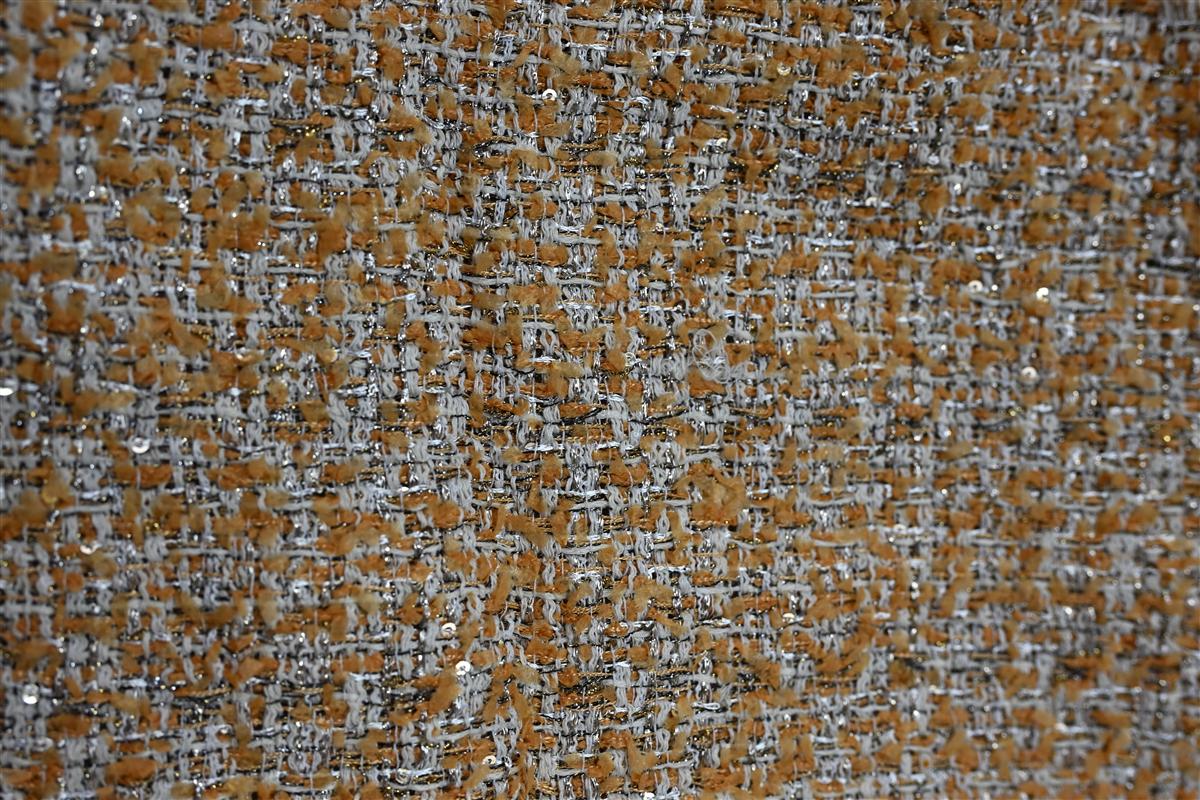
The problem is that tweed isn’t a simple poplin. Most online calculators treat all fabric the same, and that’s where the budget gets blown. They don’t account for the aggressive fraying on a loose weave that demands a wider seam allowance, the pattern matching waste for a large bouclé, or the 5-7% shrinkage that can happen during production pressing. Getting the fabric yardage formula for a collection right isn’t just about multiplying garment consumption by unit count; it’s about pre-empting the material’s behavior on the cutting table.
Why Precision Matters for Small Collections
Online fabric calculators don’t account for tweed’s most expensive flaw: fraying.
Pare de usar aquelas calculadoras genéricas de metragem. Elas são projetadas para algodões estáveis, não para as tramas abertas e soltas do tweed. Estive em pisos de corte em vários países e posso lhe dizer que fraying and ravelling edges alone can create a 10% material loss that calculators completely ignore. On a 100-meter order, that’s 10 meters of your budget gone before a single garment is cut.
For a small capsule collection of 50 units, this isn’t a rounding error—it’s the difference between profit and loss. An extra 20cm of waste per jacket doesn’t sound like much, but multiply it by 50 and you’ve just paid for 10 extra meters of fabric you can’t use. This is precisely how the fabric budget for a small batch production spirals out of control.
Accurate calculation is what makes small-run manufacturing cost-effective. It’s not about being cheap; it’s about being a professional. This is why a detailed sample approval process is critical. You must confirm exactly how your pattern lays out on the fabric’s true width to establish a reliable consumption figure. This number is the foundation of your entire collection’s profitability.
Tweed Widths: 150cm vs 140cm Impact
The real issue isn’t 140cm vs 150cm.
Don’t get fooled by the spec sheet. That 10-centimeter difference between a 140cm European tweed and a 150cm Asian tweed isn’t a minor detail. For a small batch of 50 jackets, this mistake can easily lead to a surprise re-order and a dye lot that doesn’t match.
Here’s the cutting room reality. Your pattern maker can often nest two jacket fronts side-by-side on a 150cm width. On a 140cm width, they can’t. Worse, that 140cm roll might only have a usable width of 135-138cm, forcing a less efficient layout and creating significantly more waste.
For the same 50-piece collection, this forces you to order 8% to 12% more material. That’s wasted cash. This is why our standard tweed production is on a true 150cm width. When you’re doing sample approval, always confirm the bulk production width, not just the sample swatch dimensions.
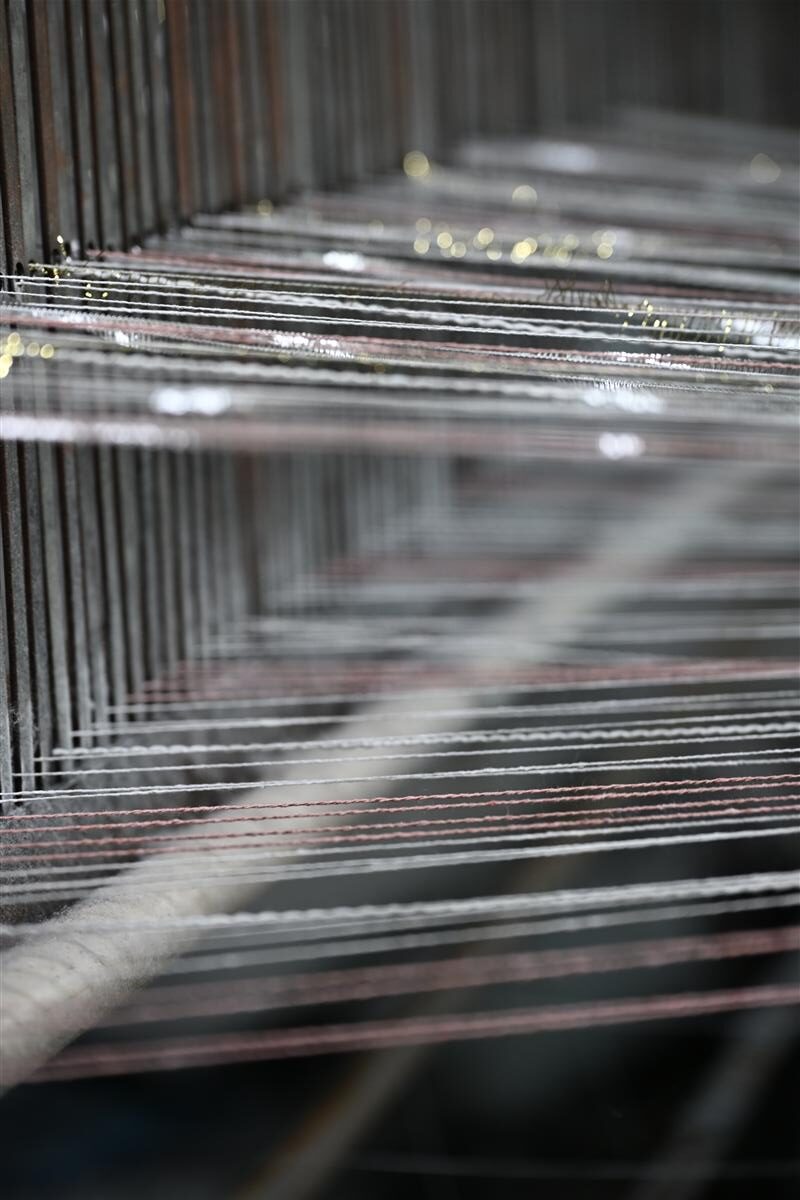
Step-by-Step Calculation for 50 Pieces
Your calculator app is wrong.
Let’s use a real-world example: a classic tweed jacket, size medium. On a standard 150cm width fabric, your pattern will consume about 1.8 linear meters. For your 50-piece capsule collection, the simple math is 1.8m x 50 = 90 meters. This is the number most novices use, and it’s where the financial pain begins.
Agora, a primeira dose de realidade: eficiência de corte. A textura rica do tweed e sua trama mais solta impedem um layout de padrão 100% eficiente. Sua sala de corte não pode encaixar peças borda a borda como com um algodão simples. Como padrão de compras, orçamos 80% de utilização de material em tecidos como este. Seus 90 metros de tecido agora exigem um pedido de 112,5 metros (90 ÷ 0,80).
Finally, we add the non-negotiable buffers that protect your production run. We build in 5% for potential shrinkage during pressing and finishing, and a further 3% to cover any minor weaving flaws that might fall outside the agreed quality tolerance. This isn’t waste; it’s your production insurance policy.
- Base Consumption: 1.8 meters/garment × 50 pieces = 90 meters.
- Factor for Cutting Efficiency: 90 meters ÷ 0.80 = 112.5 meters.
- Add Production Buffers: 112.5m × 1.05 (Shrinkage) × 1.03 (Defects) ≈ 121.7 meters.
- Final Order Quantity: Round up to 122 meters. This is the real number you need to order to safely produce 50 garments.
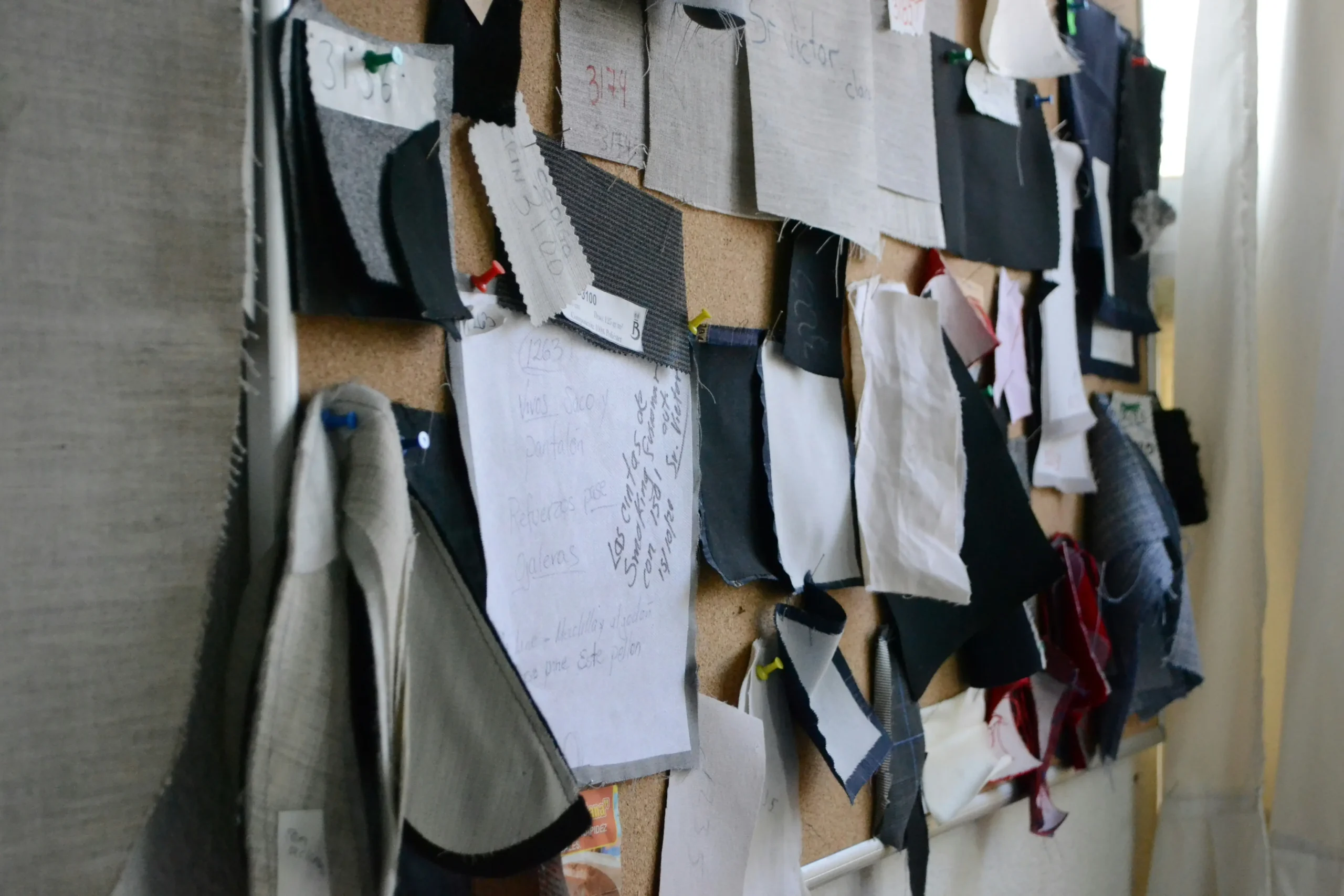
Buffers That Save You Money: Shrinkage & Pattern Repeat
Your biggest fabric costs aren’t on the invoice; they’re in the cutting room waste bin.
Don’t get burned by online fabric calculators. They use a generic 3% waste factor that’s fine for stable cottons, but dangerously wrong for tweed. The loose, open weave of a classic bouclé tweed can easily shrink 5-7% after its first encounter with a production steam iron. On a 100-meter order for your 50-piece collection, that’s 7 meters of fabric gone before your cutter even lays out a pattern.
- The Proactive Fix: Specify ‘pre-shrunk’ or ‘steam-stabilized’ fabric in your purchase order. This forces the mill to perform this step, delivering you dimensionally stable yardage.
- The Backup Test: If you can’t get it pre-shrunk, you must test it. Cut a 1×1 meter swatch from your sample approval roll, steam it thoroughly, let it rest for 24 hours, and remeasure. This is your true shrinkage rate. The industry standard test is AATCC 135, but a steam iron gives you a good-enough proxy.
The second budget killer is pattern repeat. This isn’t a defect; it’s the cost of aesthetic consistency. If your tweed has a visible plaid or a repeating bouclé texture, your cutter can’t just place pattern pieces anywhere. They must align the pattern across seams, which creates significant, unavoidable waste.
Mismanaging this can easily double your cutting waste from a standard 10% to over 20%. For a large 15cm pattern repeat, your cutter might have to discard huge chunks of fabric just to align the front panels of a jacket. Your quality tolerance for mismatched patterns on a luxury garment is zero, so this buffer isn’t optional.
Para qualquer tweed com um padrão distinto, adicione um buffer dedicado de 10-15% à sua metragem total, sua margem para encolhimento e defeitos. Esta é a fórmula real de metragem de tecido para uma coleção que protege seu orçamento.
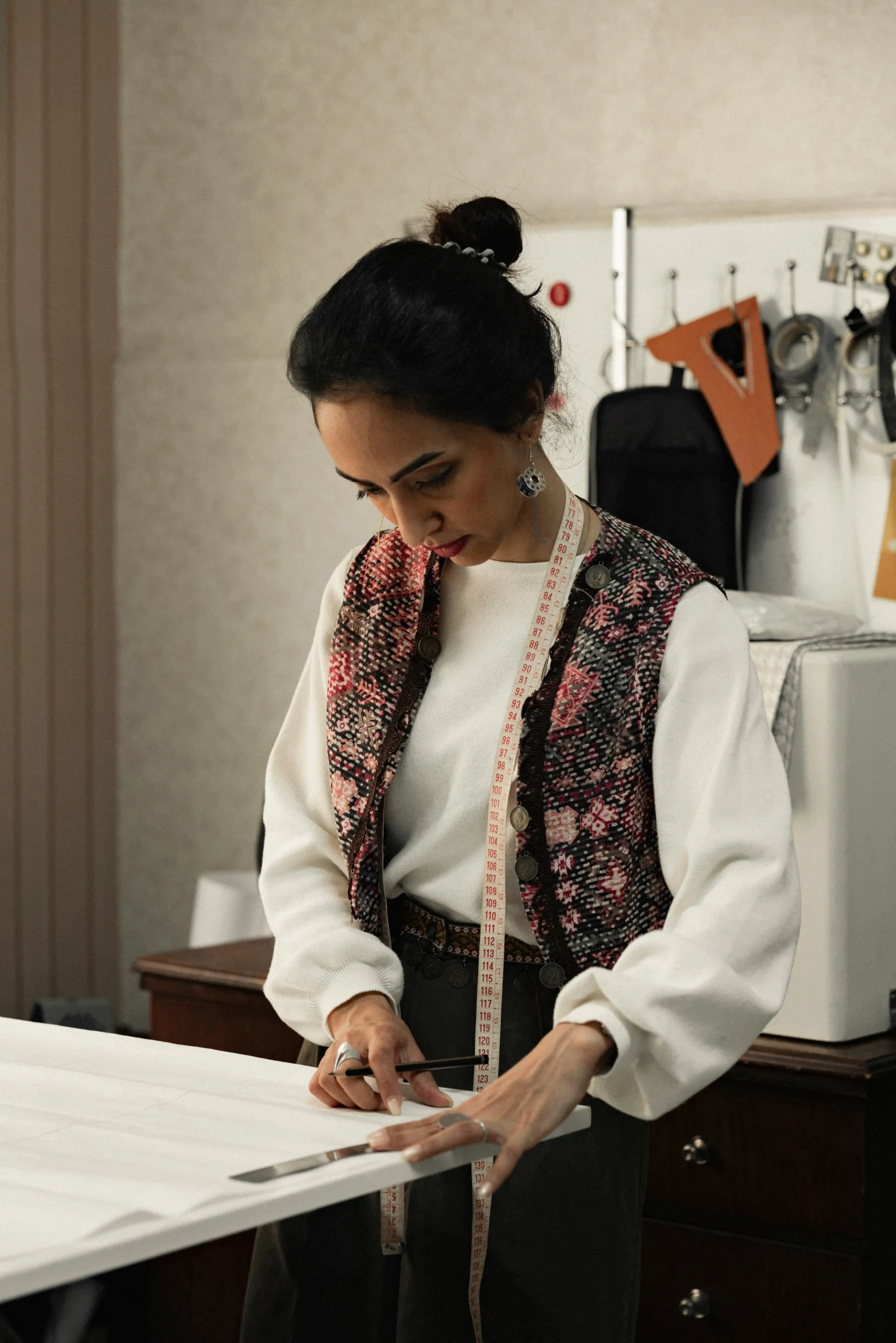
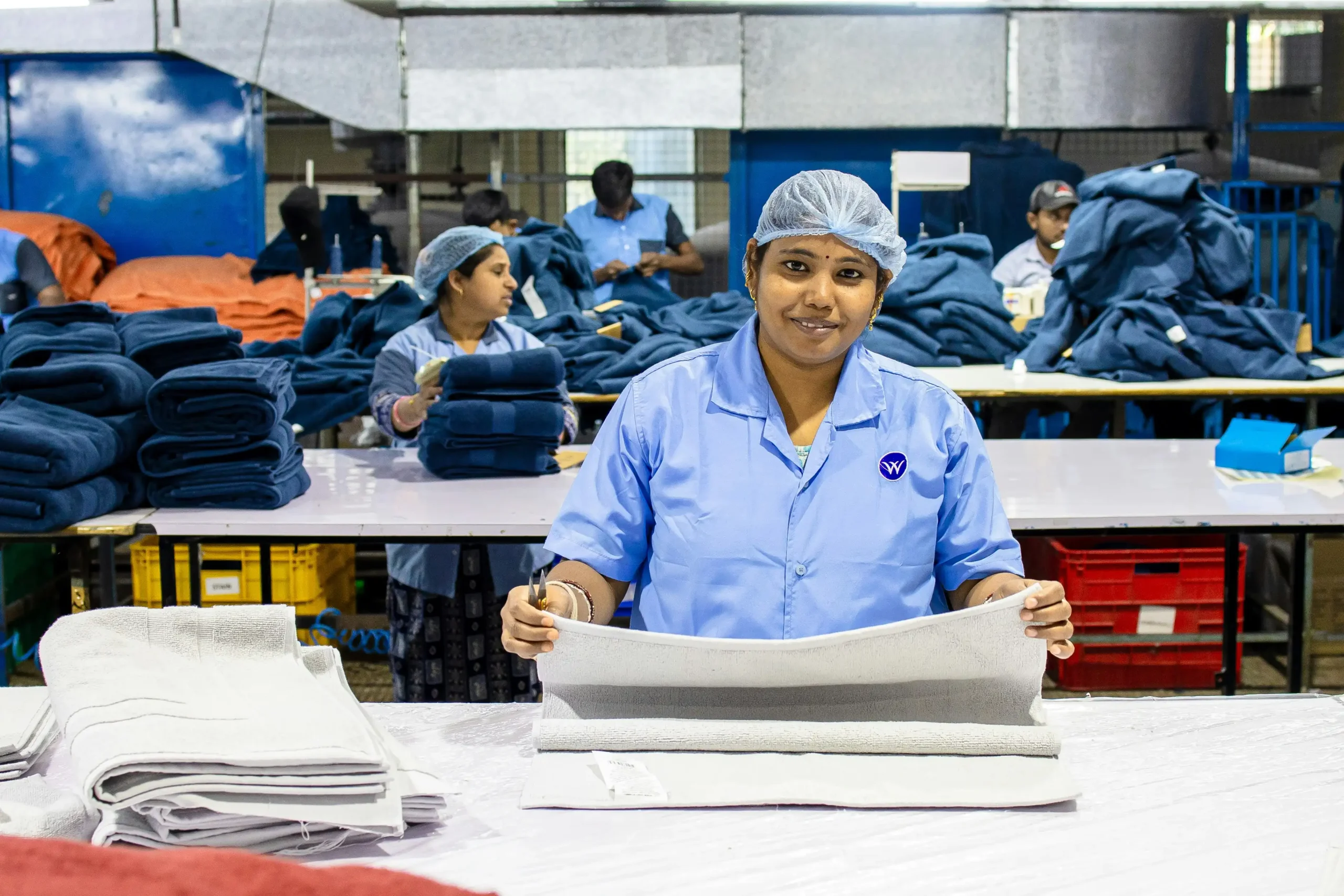
Ordering Smart: When to Buy Extra Rolls
A 120-meter order is not one roll; it’s often two, and they might not match.
Your production yardage is for production only. Designers have been known to cripple a cutting schedule because they needed to
You have to think like the mill. Fabric isn’t cut to your exact meterage from an infinite bolt. It comes off the loom in standard roll lengths, which are typically around 50 meters. If your fabric yardage formula for a collection lands you at 116 meters, ordering that exact number is an amateur move that creates problems for both you and the supplier.
- The Dye Lot Trap: An order for 116 meters will be filled with two rolls (e.g., 50m + 50m + 16m). If those rolls come from different dye batches, your tolerância de qualidade for color is shot. The sleeves on 20 jackets will be a micro-shade different from the bodies—a disaster that’s completely avoidable.
- The Smart Order: For a 116m need, order 120m. More importantly, specify on the purchase order: ‘120 meters required, must be supplied from a single, continuous dye lot.’ This forces your supplier to confirm their stock and guarantees consistency across your entire 50-piece production run.
Conclusão
Moving from an estimate to a firm purchase order requires confidence. Before you commit to a supplier, use this three-point checklist to protect your budget and your production timeline. These are the exact questions I ask when auditing a new mill.
1. Sample Integrity: Does the bulk order explicitly match the weight, finish, and dye lot from the initial sample approval swatch? Get this confirmed in writing. 2. Waste & Tolerance: What is your standard tolerância de qualidade for defects, and does my quote account for a 15% buffer specifically for tweed’s fraying and shrinkage? 3. Final Landed Cost: Is the total yardage in this quote final, and does the FOB pricing include all costs, with no surcharges for cutting specific roll lengths?
Getting clear answers here is non-negotiable. It’s how you ensure the fabric that arrives is the fabric you paid for, in the quantity you actually need. When you’re ready, you can use this framework to evaluate partners and explore low-MOQ tweed programs that align with your collection’s goals.
Perguntas Frequentes
How to calculate yardage needed?
To calculate yardage, determine the fabric consumption per garment from your pattern, then multiply by the number of units and add a buffer. For tweeds, this buffer is. Always create a digital marker layout for the most precise consumption figure before ordering.
How to calculate total yardage?
Calculate total yardage by summing the requirements for each style in your collection, after multiplying consumption-per-garment by unit quantity. A 10-15% buffer should be added to each. Consolidate orders for the same fabric to meet mill MOQs like our 100m in-stock minimum.
How to calculate yardage with a repeat?
To calculate yardage for a fabric with a repeat, you must add the length of one full pattern repeat for each garment cut from. The larger the repeat, the higher the waste, so confirm the exact repeat size from a physical swatch.
How do I figure out how much material I need?
Create a professional marker layout from your patterns for the most accurate consumption figure per garment. For a quick estimate, a standard tweed jacket typically requires 2.2 meters of. This estimate does not include the 10-15% buffer needed for waste and shrinkage.
Qual é a peça de roupa mais difícil de fazer?
From a fabric standpoint, a perfectly tailored and pattern-matched tweed jacket is exceptionally difficult. The loose, textured weave requires expert handling to prevent fraying and distortion during production. Success depends heavily on the fabric’s stability and the skill of your manufacturing partner.
Referências autoritativas

Insights Relacionados
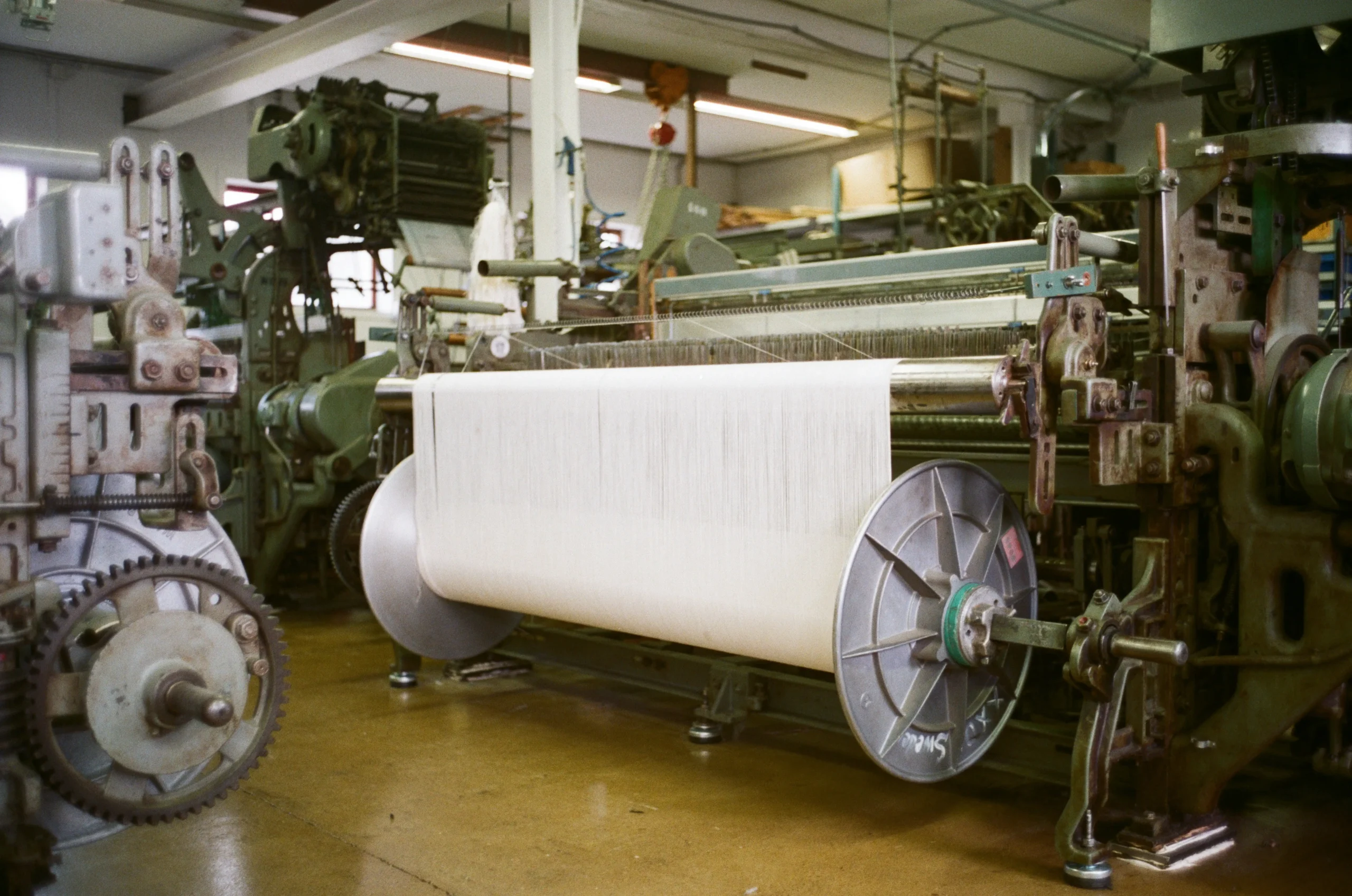
Como Avaliar uma Fábrica de Tweed para Tecido de Qualidade
{ “@context”: “https://schema.org”, “@type”: “Article”, “headline”: “Como Avaliar uma Fábrica de Tweed para Tecido de Qualidade”,...
Fábrica Direta vs Atacadista: Reduza os Riscos na Aquisição de Tecidos
{ “@context”: “https://schema.org”, “@type”: “Article”, “headline”: “Fábrica Direta vs Atacadista: Reduza o Risco de Fornecimento de Tecido”, “author”:...
Tweed Fabric: A Buyer’s Guide to Supplier Vetting
{ “@context”: “https://schema.org”, “@type”: “Article”, “headline”: “Tecido Tweed: Guia do Comprador para Avaliação de Fornecedores”, “author”:...