

calculate tweed yardage collection is the first checkpoint buyers should lock before they approve a supplier, budget, or production slot. Ever had that sinking feeling when you unroll the first bolt from a bulk order and it just doesn’t match the swatch from your sample approval? It’s a quiet disaster that happens more than you think, and it’s especially painful when you’ve meticulously tried to calculate tweed yardage for a collection and now face a shortage or dead stock. I’ve seen designers get burned on this, stuck with thousands of dollars of fabric that doesn’t meet their quality tolerance, all because the initial order math was based on a perfect-world scenario.
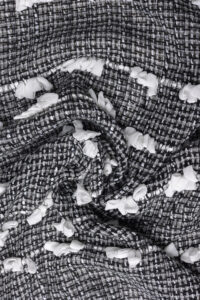
The problem is that tweed isn’t a simple poplin. Most online calculators treat all fabric the same, and that’s where the budget gets blown. They don’t account for the aggressive fraying on a loose weave that demands a wider seam allowance, the pattern matching waste for a large bouclé, or the 5-7% shrinkage that can happen during production pressing. Getting the fabric yardage formula for a collection right isn’t just about multiplying garment consumption by unit count; it’s about pre-empting the material’s behavior on the cutting table.
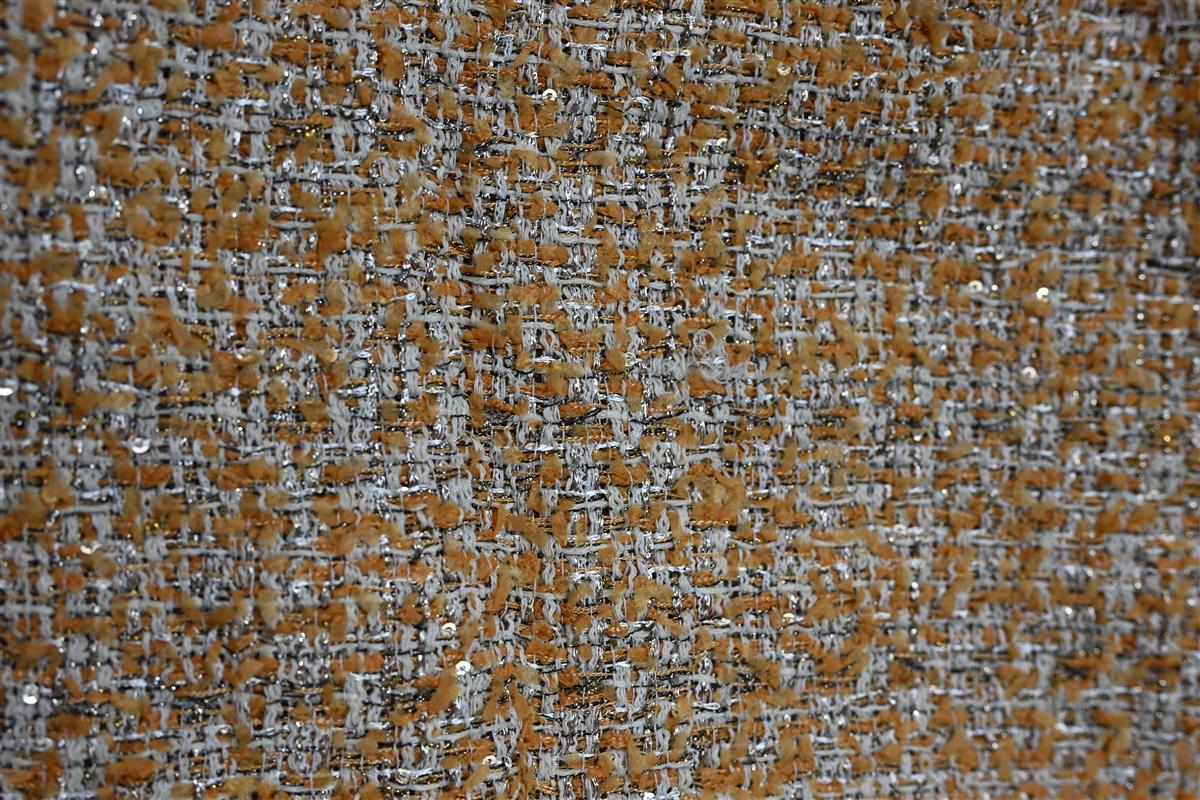
Varför precision spelar roll för små kollektioner
Online fabric calculators don’t account for tweed’s most expensive flaw: fraying.
Sluta använda de generiska tygmängdskalkylatorerna. De är designade för stabila bomullstyger, inte för de öppna, lösa vävarna av tweed. Jag har arbetat på skärgolv i flera länder och kan säga dig att kanter som fransar sig och repar upp sig kan i sig skapa ett materialsvinn på 10 % som kalkylatorerna helt bortser från. På en beställning på 100 meter är det 10 meter av din budget som försvinner innan ett enda plagg klipps.
For a small capsule collection of 50 units, this isn’t a rounding error—it’s the difference between profit and loss. An extra 20cm of waste per jacket doesn’t sound like much, but multiply it by 50 and you’ve just paid for 10 extra meters of fabric you can’t use. This is precisely how the fabric budget for a small batch production spirals out of control.
Noggrann kalkylering är det som gör småskalig tillverkning kostnadseffektiv. Det handlar inte om att vara billig; det handlar om att vara professionell. Det är därför en detaljerad sample approval process is critical. You must confirm exactly how your pattern lays out on the fabric’s true width to establish a reliable consumption figure. This number is the foundation of your entire collection’s profitability.
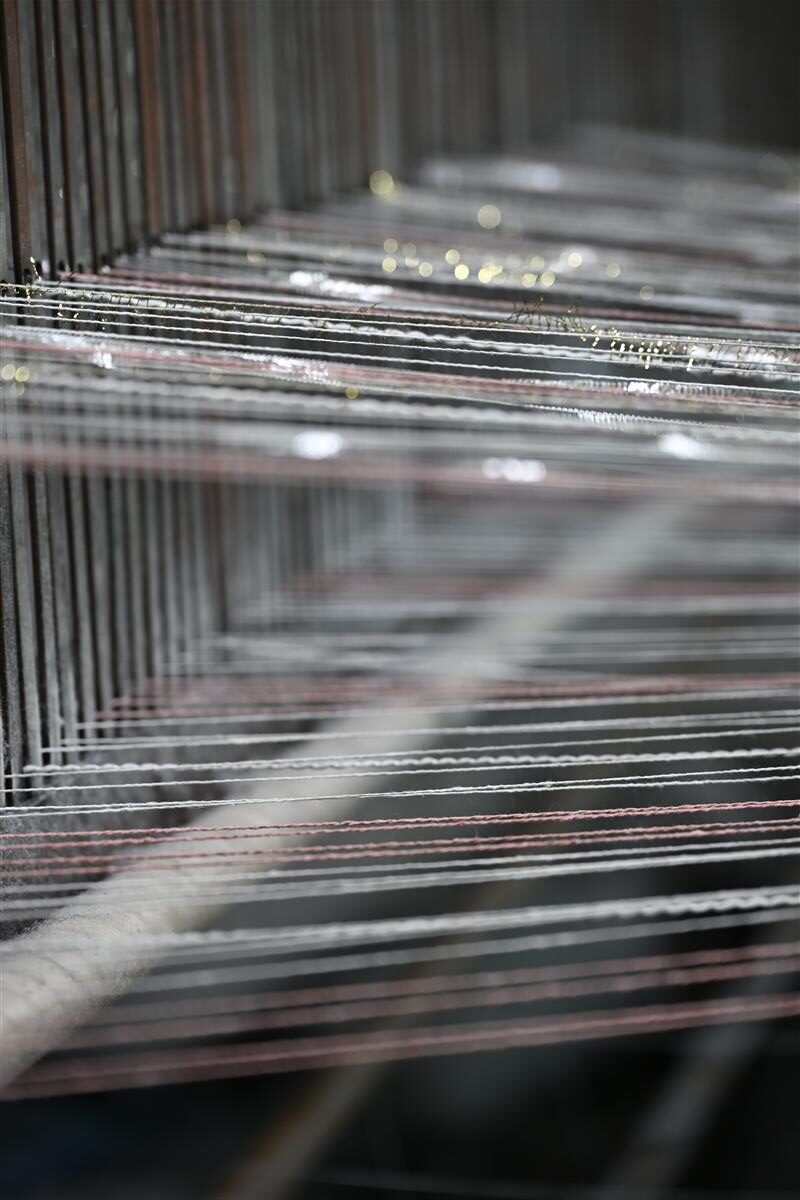
Tweedbredder: effekten av 150 cm vs 140 cm
The real issue isn’t 140cm vs 150cm.
Don’t get fooled by the spec sheet. That 10-centimeter difference between a 140cm European tweed and a 150cm Asian tweed isn’t a minor detail. For a small batch of 50 jackets, this mistake can easily lead to a surprise re-order and a dye lot that doesn’t match.
Here’s the cutting room reality. Your pattern maker can often nest two jacket fronts side-by-side on a 150cm width. On a 140cm width, they can’t. Worse, that 140cm roll might only have a usable width of 135-138cm, forcing a less efficient layout and creating significantly more waste.
For the same 50-piece collection, this forces you to order 8% to 12% more material. That’s wasted cash. This is why our standard tweed production is on a true 150cm width. When you’re doing sample approval, always confirm the bulk production width, not just the sample swatch dimensions.
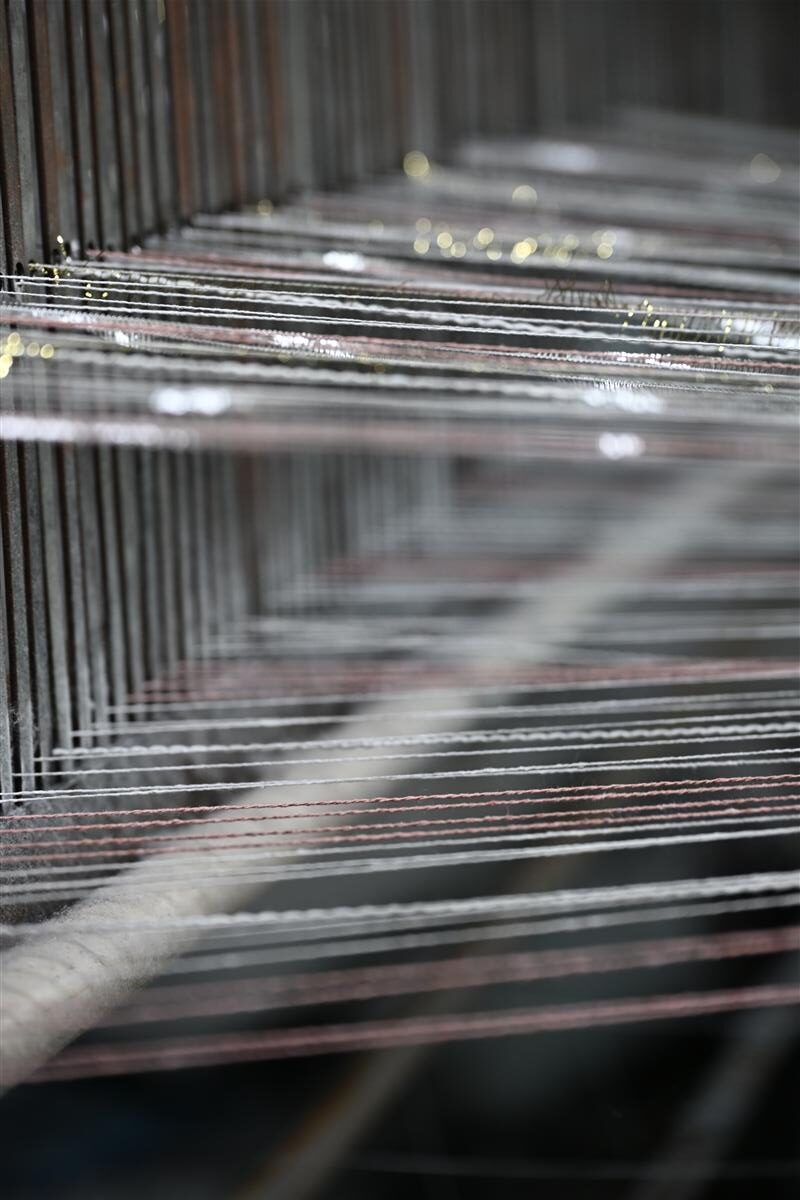
Steg-för-steg-beräkning för 50 plagg
Din kalkylator-app har fel.
Let’s use a real-world example: a classic tweed jacket, size medium. On a standard 150cm width fabric, your pattern will consume about 1.8 linear meters. For your 50-piece capsule collection, the simple math is 1.8m x 50 = 90 meters. This is the number most novices use, and it’s where the financial pain begins.
Nu, den första verklighetsdosen: skäreffektivitet. Tweedens rika textur och lösare väv förhindrar en 100% effektiv mönsterlayout. Ditt skärrum kan inte placera bitar kant i kant som med en enkel bomull. Som inköpsstandard budgeterar vi för 80% materialutnyttjande på sådana tyger. Dina 90 meter tyg kräver nu en beställning på 112,5 meter (90 ÷ 0,80).
Finally, we add the non-negotiable buffers that protect your production run. We build in 5% for potential shrinkage during pressing and finishing, and a further 3% to cover any minor weaving flaws that might fall outside the agreed quality tolerance. This isn’t waste; it’s your production insurance policy.
- Base Consumption: 1,8 meter/plagg × 50 plagg = 90 meter.
- Faktor för skärningseffektivitet: 90 meter ÷ 0,80 = 112,5 meter.
- Add Production Buffers: 112,5 m × 1,05 (krympning) × 1,03 (defekter) ≈ 121,7 meter.
- Final Order Quantity: Avrunda uppåt till 122 meter. Detta är det verkliga antalet du behöver beställa för att säkert producera 50 plagg.
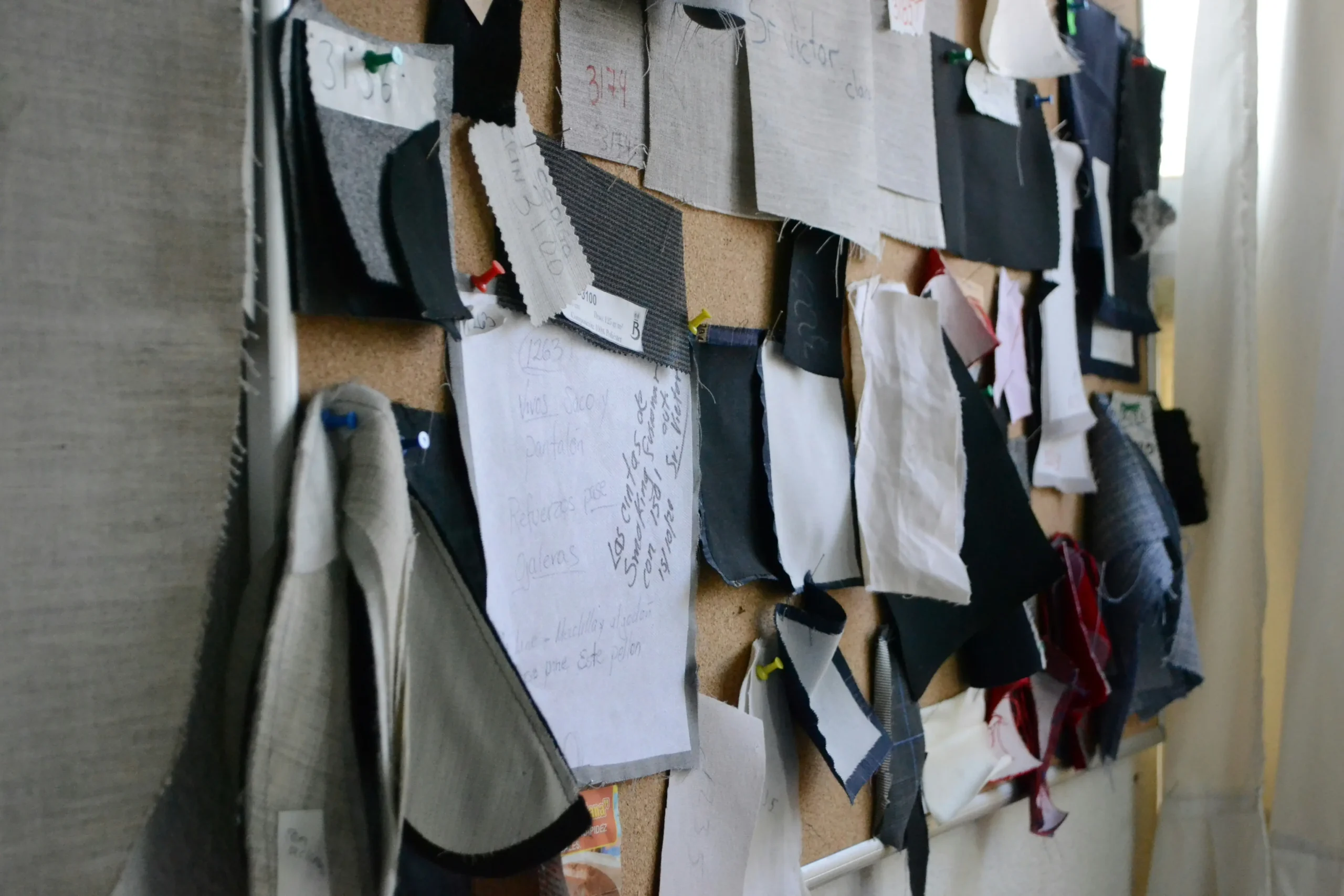
Buffertar som sparar pengar: krympning & mönsterrapport
Your biggest fabric costs aren’t on the invoice; they’re in the cutting room waste bin.
Don’t get burned by online fabric calculators. They use a generic 3% waste factor that’s fine for stable cottons, but dangerously wrong for tweed. The loose, open weave of a classic bouclé tweed can easily shrink 5-7% after its first encounter with a production steam iron. On a 100-meter order for your 50-piece collection, that’s 7 meters of fabric gone before your cutter even lays out a pattern.
- The Proactive Fix: Specify ‘pre-shrunk’ or ‘steam-stabilized’ fabric in your purchase order. This forces the mill to perform this step, delivering you dimensionally stable yardage.
- The Backup Test: If you can’t get it pre-shrunk, you must test it. Cut a 1×1 meter swatch from your sample approval roll, steam it thoroughly, let it rest for 24 hours, and remeasure. This is your true shrinkage rate. Det branschstandardiserade testet är AATCC 135, men ett ångstrykjärn ger dig en tillräckligt bra indikation.
The second budget killer is pattern repeat. This isn’t a defect; it’s the cost of aesthetic consistency. If your tweed has a visible plaid or a repeating bouclé texture, your cutter can’t just place pattern pieces anywhere. They must align the pattern across seams, which creates significant, unavoidable waste.
Mismanaging this can easily double your cutting waste from a standard 10% to over 20%. For a large 15cm pattern repeat, your cutter might have to discard huge chunks of fabric just to align the front panels of a jacket. Your quality tolerance for mismatched patterns on a luxury garment is zero, so this buffer isn’t optional.
För all tweed med ett distinkt mönster, lägg till en dedikerad buffert på 10-15% till din totala längd, din krymp- och defekttillstånd. Detta är den verkliga tygmängdsformeln för en kollektion som skyddar din budget.
Smart beställning: när du bör köpa extra rullar
A 120-meter order is not one roll; it’s often two, and they might not match.
Din produktionsmetrage är endast för produktion. Formgivare har ibland förstört ett skurschema för att de behövde
You have to think like the mill. Fabric isn’t cut to your exact meterage from an infinite bolt. It comes off the loom in standard roll lengths, which are typically around 50 meters. If your formel för tygåtgång i en kollektion landar dig på 116 meter, att beställa exakt det antalet är ett amatördrag som skapar problem för både dig och leverantören.
- The Dye Lot Trap: En order på 116 meter levereras i två rullar (t.ex. 50 m + 50 m + 16 m). Om dessa rullar kommer från different dye batches, your kvalitetstoleransen for color is shot. The sleeves on 20 jackets will be a micro-shade different from the bodies—a disaster that’s completely avoidable.
- The Smart Order: For a 116m need, order 120m. More importantly, specify on the purchase order: ‘120 meters required, must be supplied from a single, continuous dye lot.’ This forces your supplier to confirm their stock and guarantees consistency across your entire 50-piece production run.
Slutsats
Att gå från en uppskattning till en fast beställning kräver trygghet. Innan du binder dig vid en leverantör kan du använda den här checklistan i tre punkter för att skydda din budget och din produktionstidsplan. Det är exakt de frågor jag ställer när jag granskar ett nytt väveri.
1. Sample Integrity: Matchar bulkordern uttryckligen vikten, finishen och färgpartiet från tygprovet vid det första provgodkännandet? Få detta bekräftat skriftligen. 2. Waste & Tolerance: What is your standard kvalitetstoleransen for defects, and does my quote account for a 15% buffer specifically for tweed’s fraying and shrinkage? 3. Final Landed Cost: Är den totala tygmängden i den här offerten slutgiltig, och inkluderar FOB-priset alla kostnader, utan tillägg för skärning av specifika rullängder?
Getting clear answers here is non-negotiable. It’s how you ensure the fabric that arrives is the fabric you paid for, in the quantity you actually need. When you’re ready, you can use this framework to evaluate partners and explore low-MOQ tweed programs that align with your collection’s goals.
Vanliga frågor
Hur räknar man ut tygåtgången?
För att räkna ut åtgången i meter: bestäm tygåtgången per plagg utifrån ditt mönster, multiplicera sedan med antalet plagg och lägg till en buffert. För tweed är den här bufferten. Skapa alltid en digital markörlayout för den mest exakta åtgångssiffran innan du beställer.
Hur beräknar man det totala tygbehovet?
Beräkna den totala tyglängden genom att summera behovet för varje modell i kollektionen, efter att du multiplicerat förbrukningen per plagg med antal enheter. Lägg till en buffert på 10-15 % på varje post. Samla beställningar på samma tyg för att nå väveriernas MOQ, som vårt minimi på 100 m för lagervara.
Hur beräknar man tygåtgång med en mönsterrapport?
För att beräkna tygåtgången för ett tyg med mönsterrapport måste du lägga till längden av en hel mönsterrapport för varje plagg som skärs ut. Ju större rapport, desto mer spill, så bekräfta den exakta rapportstorleken med ett fysiskt tygprov.
Hur räknar jag ut hur mycket material jag behöver?
Ta fram en professionell markeringslayout utifrån dina mönster för den mest exakta åtgången per plagg. För en snabb uppskattning går det vanligtvis åt 2,2 meter till en standardtweedjacka. Uppskattningen innehåller inte bufferten på 10-15 % som behövs för spill och krympning.
Vad är det svåraste plagget att tillverka?
From a fabric standpoint, a perfectly tailored and pattern-matched tweed jacket is exceptionally difficult. The loose, textured weave requires expert handling to prevent fraying and distortion during production. Success depends heavily on the fabric’s stability and the skill of your manufacturing partner.
Auktoritativa referenser

Relaterade insikter
Backup Mill: What to Duplicate, What to Skip?
A backup mill is a second plant, not a second development. A buyer who already...
What Can a 10 cm Cutting Bind a Mill To, and What Not?
A 10 cm cutting is a record of structure, not a record of process. Count...
From One Photo to a Quotable Wool Specification Pack
A photo of a coat fabric can start a conversation with a wool mill, but...