

Een tweedcontract van 3.000 meter kost normaal maanden onderhandelen en weken monstername. Deze order vroeg een monstername van 7 dagen en één revisieronde - en het verschil was geen geluk, het was proces. Dit is het verhaal van hoe een monsternamecyclus van 7 dagen een custom tweedorder van 3.000 meter opleverde voor een Europees outerwear-merk, en welke concrete stappen dat tijdschema mogelijk maakten: een complete spec vooraf, een staal dat op het dessin was afgestemd, één ronde kleurrevisie en productie die pas werd ingepland nadat het monster was goedgekeurd.
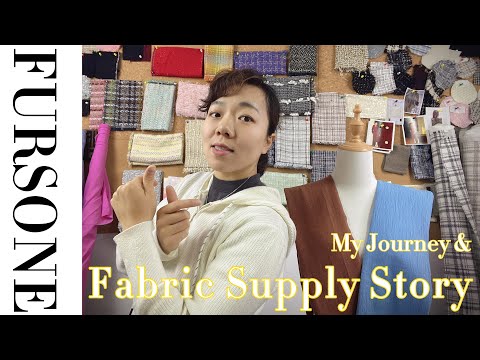
Dag 0: de specificatie die snelheid mogelijk maakte
Het merk had een compleet tech pack: een wolmix bouclé tweed, 420 GSM als doel, een specifieke kleurstelling (drie kleuren in de weving) en een staal van een Europese weverij dat ze wilden matchen. Dat document was het hele verschil tussen een staal in 7 dagen en een van 6 weken. Wanneer een koper met zo'n complete spec komt, besteedt de weverij de eerste twee weken niet aan vragen stellen – dag één gaat naar garens inkopen, dag twee naar het opzetten van de weving en dag drie naar weven. De sectornorm van 6 weken voor een staal is vooral vraag-en-antwoordtijd, geen productietijd. De les voor merken: de staalklok begint te lopen wanneer de spec compleet is, niet wanneer de aanvraag binnenkomt.
Dagen 1–4: Inkoop van garen en instellen van het weefproces
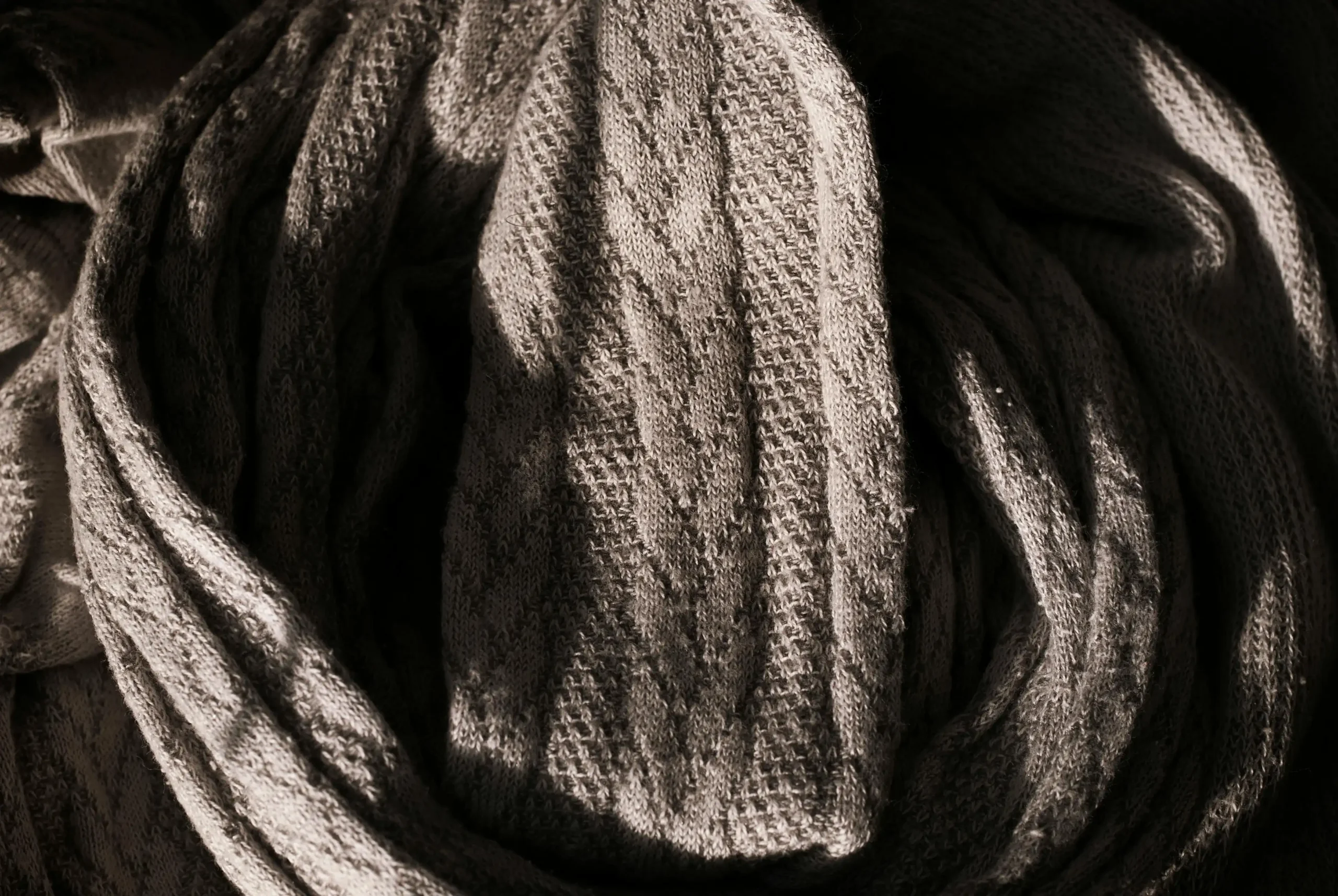
Three yarns went into the sample: a wool blend for the base, a nylon for structure, and a fancy effect yarn for the boucle loops. The yarns had to be matched to the European swatch’s hand and loop density, which meant two rounds of yarn selection on day one and day two. The weave was a boucle construction on a rapier loom, and the warp was prepared to the production spec — not a “sample warp” with different tension. That decision is worth calling out: sample warps that differ from production warps are the classic cause of sample-approved, bulk-rejected fabrics. Fursone’s 7-day sample program weaves the sample under production parameters from day one, which is why approved samples transfer to bulk without a second surprise round — and the same documentation discipline covers the quality and chemical-safety certificates (OEKO-TEX Standard 100 among them) that the brand’s compliance team needed before the PO, verifiable through de zoekfunctie voor OEKO-TEX-certificaten.
Dagen 5–7: afwerking, de eerste revisie en goedkeuring
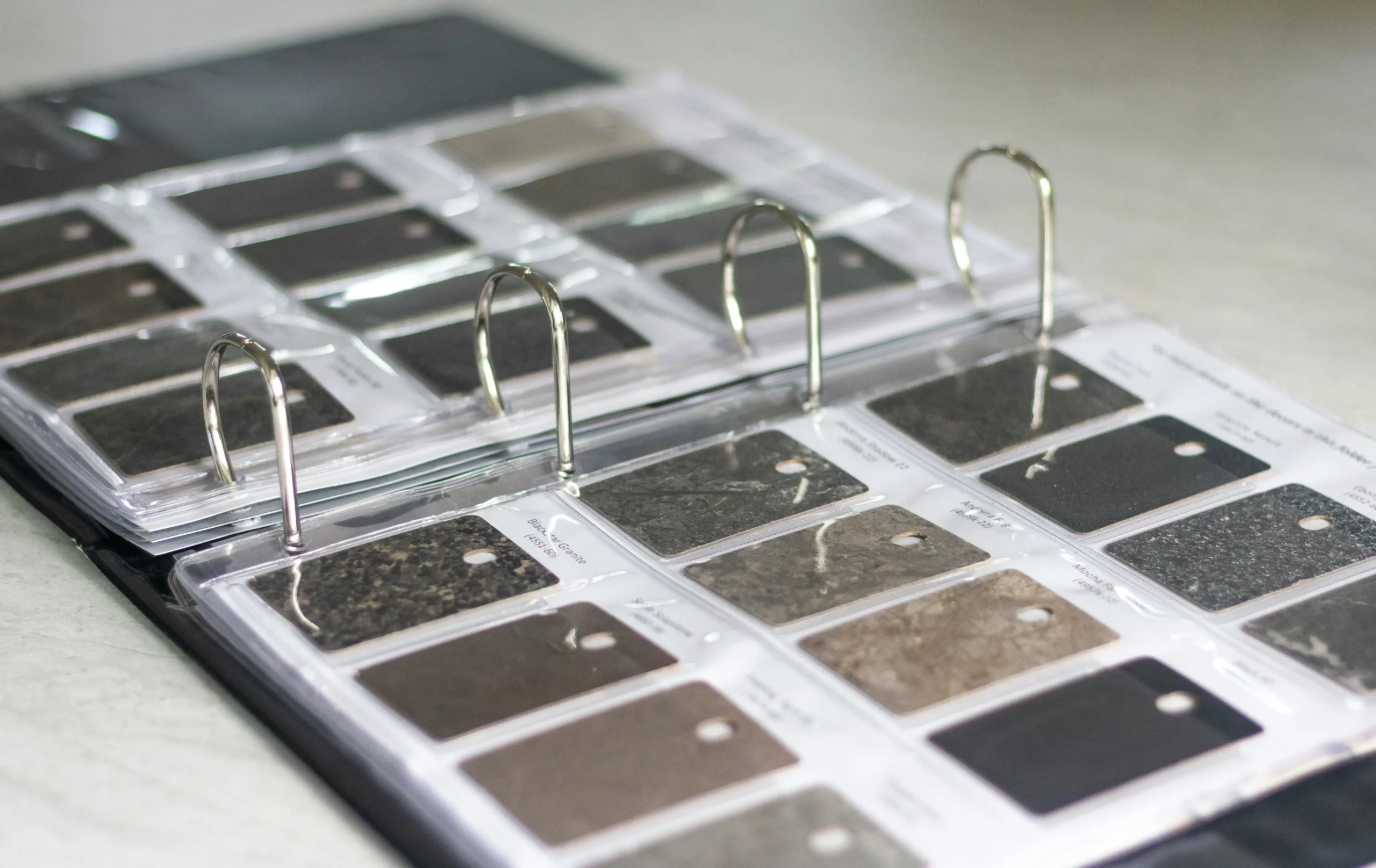
The sample came off the loom on day five, finished on day six, and shipped on day seven — with two meters of fabric, not a single swatch card. The brand’s designer asked for one revision: the effect yarn density was slightly heavier than the European swatch. The revised sample was woven within the same cycle because the yarn was already sourced and the warp was still dressed. A traditional mill would have started a new sample round, adding four to six weeks. The contract for 3,000 meters was signed against the revised sample, with production booked to start the following week — the sample’s production-parameter weaving meant no second approval round was needed before bulk.
Waarom de cyclus van 7 dagen de inkoopberekening verandert
Voor een Europees merk is het verschil tussen een sample van 6 weken en een van 7 dagen geen kwestie van gemak – het is een seizoen. Een sample dat binnen zeven dagen arriveert, kan nog een productievenster halen dat over vier weken sluit; een sample van zes weken mist dat en de order gaat naar het volgende seizoen of naar een andere leverancier. De kostenkant telt ook: in het traditionele model kost een mislukte sampleronde weken; in een model van 7 dagen kost een mislukte ronde dagen. Merken die seizoensprogramma's met strakke planningen opbouwen, moeten de lengte van de samplecyclus als leverancierscapaciteit beoordelen, net als prijs en MOQ. Voor een blik op de volledige workflow achter snelle sampling, onze workflow van schets tot staal in 7 dagen behandelt elke stap in detail.
Wat het merk goed deed (en wat u kunt overnemen)
Four behaviors made this order work. Complete spec on day zero — no open questions; a target swatch — matching is faster than inventing; one revision discipline — the designer consolidated feedback into a single round instead of drip-feeding changes; and production booking on sample approval — the 3,000-meter slot was reserved the day the sample was approved, not “whenever the mill has capacity.” All four are buyer-side decisions; any mill with a fast sample program can execute them. If your brand is running a wool or tweed program and the sample cycle is the bottleneck, the 5.000 meter visgraat casestudy toont hetzelfde patroon op grotere schaal, en onze pagina voor maatwerkproductie legt uit hoe de minimale afname (MOQ) van 300 m voor maatwerk en de bemonsteringscyclus van 7-15 dagen zijn opgebouwd.
Veelgestelde vragen
Hoe kan een stofmonster binnen 7 dagen klaar zijn?
Door de vraag-en-antwoordtijd te verwijderen: een complete specificatie, vooraf ingekochte garens en het weven van het monster onder productieparameters vanaf dag één beperken het werk tot uitsluitend de productiestappen.
Waarom veroorzaken monsterkettingen afkeur bij bulk?
Omdat een monsterketting met andere spanning of garens stof oplevert die in bulk niet kan worden gereproduceerd; door monsters onder productieparameters te weven, vervalt de tweede verrassingsronde.
Wat maakt een spec “compleet” voor monstername?
Vezelsamenstelling, doel-GSM, kleurstelling, een referentiestaal en het eindgebruik; met deze vijf items kan een weverij op dag één beginnen met de inkoop van garen.
Moet ik productie boeken vóór de goedkeuring van het monster?
Reserveer het productieslot op de dag van goedkeuring, niet eerder — en bevestig dat de fabriek capaciteit kan vasthouden voor het goedgekeurde programma terwijl de definitieve PO wordt uitgeschreven.
(function(){ var facades=document.querySelectorAll(‘.yt-facade’); for(var i=0;i<facades.length;i++){ (function(f){ f.addEventListener('click',function() var id=f.getAttribute('data-yt-id'); if(!id||!/^[w-]{6,20}$/.test(id)){return; f.innerHTML='’; }); })(facades[i]); } })();Een 7-daags monster is een procesprestatie, geen wonder: complete specificatie, bijpassende garens, weven onder productieparameters, één revisieronde en capaciteit geboekt bij goedkeuring. Voer je volgende programma op dezelfde manier uit en de kalender is niet langer de vijand. Meer casestudy's: de 3 weken durende nabestelling van stock-bouclé en het boucléprogramma met meerdere fabrieken.
Voor een projectniveau-walkthrough van hetzelfde gebied, zie de atelier stretch tweed casestudy.
Een uitgewerkt voorbeeld van leveranciersconsolidatie op fabrieksniveau, de casestudy over consolidatie naar zes leveranciers doorloopt de cijfers.
Voor een stapsgewijze handleiding: Hoe stof uit China te betrekken voor kleine merken. Eerst monsters nodig? Vraag gratis stalen aan.

Gerelateerde inzichten
Casestudy: Tweedlijn behaalt ISO-graad 4-pillingresultaten in bulk.
A UK outerwear brand came to us with a pilling problem wearing a quality-gate costume:...
Case Study: Startup Brand’s Two-Phase MOQ Strategy: Stock First, Custom Later
A two-person womenswear label came to our desk last year with a collection pinned on...
Case Study: Startup Brand’s Two-Phase MOQ Strategy: Stock First, Custom Later
The most expensive mistake a startup fabric buyer makes is ordering custom fabric for a...