
Harris Tweed is one of the few fabrics whose name is protected by an Act of Parliament, a registered trademark and an inspectorate that visits weavers’ homes. For commercial fabric buyers, it is worth understanding exactly how that system works, because it defines the line between a protected certification and a marketing phrase any mill can use. This guide explains what the Harris Tweed certification actually covers, what a commercial mill in Wenzhou or Biella can legitimately learn from it, and which claims would cross into infringement or greenwashing.
Vores tilgang her er pragmatisk: Fursone væver kommercielt tweed på mere end 300 væve hos partnervæverier i Wenzhou, og købere spørger os jævnligt, hvorfor vores stof ikke må kaldes Harris Tweed, og hvordan den ærlige alternative formulering lyder. Den samme disciplin gælder farvesiden af historien, som vi har dækket særskilt i vores guide til garnfarvet versus stykfarvet tweed.
Hvad Harris Tweed-certificeringen reelt beskytter
Definitionen er usædvanligt specifik. Ifølge the Harris Tweed Authority’s official site, genuine Harris Tweed must be made from 100 percent virgin wool, dyed and blended in the Outer Hebrides of Scotland, handwoven by islanders in their own homes, and finished there, protected by the Orb mark since an Act of the UK Parliament. Every metre of qualified cloth carries the Orb trademark, and the Authority’s inspectors examine the cloth on the loom before stamping it. Three consequences follow for buyers: the name denotes a place and a method, not a weave pattern; the supply is physically capped by the number of licensed home weavers; and any cloth “in the Harris style” made elsewhere is, by definition, not Harris Tweed.
Hvad kommercielle væverier med rette kan lære af modellen
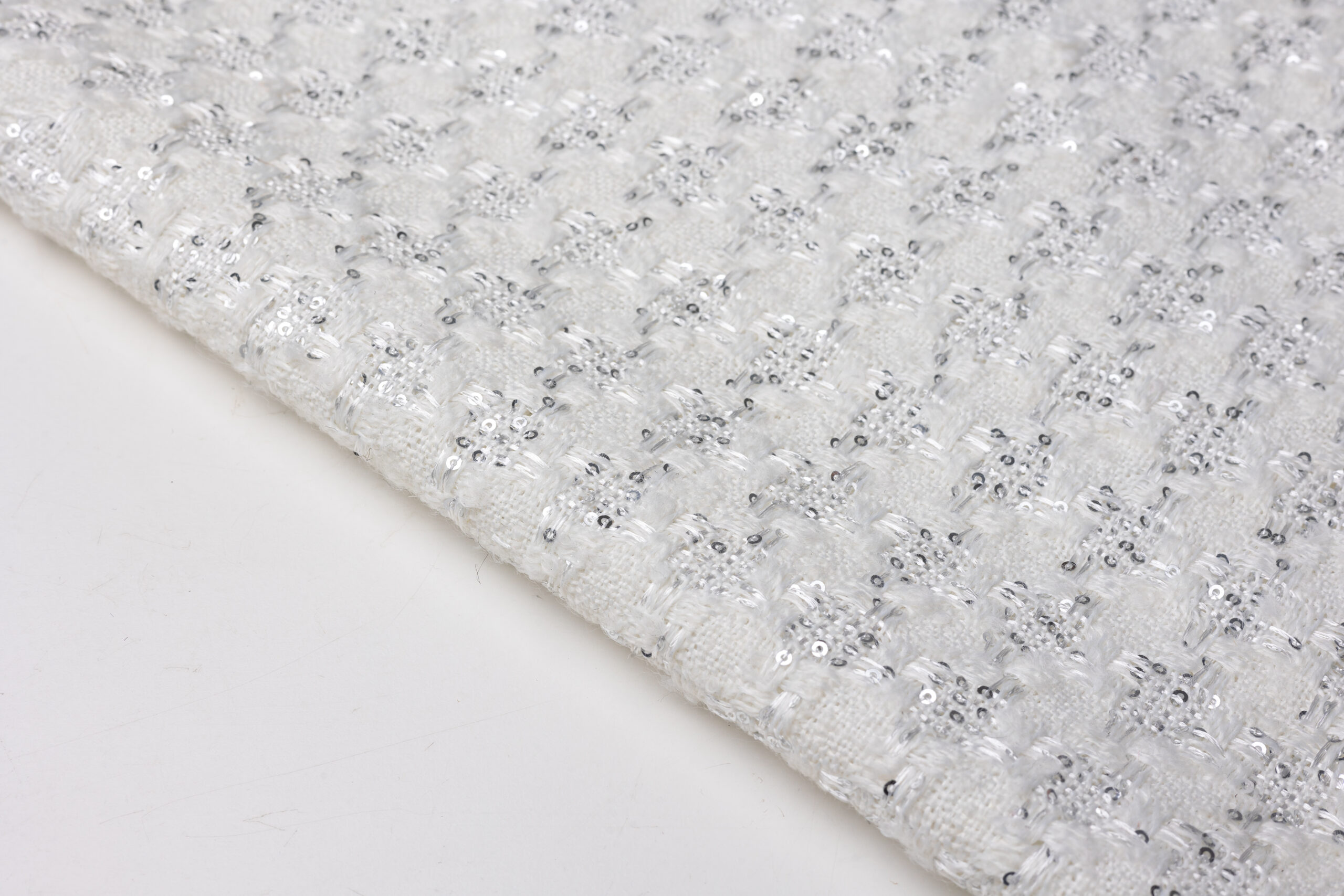
The first lesson is traceability as a product feature. The Orb system works because each stamp is backed by inspection records; a commercial mill can reproduce the mechanism, not the mark, by keeping loom-level weaving records and tying each bulk lot to yarn lots and dye batches. The second lesson is the draft-and-blend discipline: Harris Tweed’s character comes from blending dyed fibers before spinning, which is the same reason our yarn-dyed constructions hold pattern integrity across a 300 metre custom run. The third lesson is finishing consistency, where loom tension and finishing settings interact, a topic we document in our weaving parameters guide. Købere, der forstår disse mekanismer, vurderer væverier ud fra dokumentation frem for adjektiver, og vores guide til merino versus almindelig uld er et godt eksempel på den slags sammenligning på specifikationsniveau.
Hvor grænserne for jura og etik går
What a mill cannot do is use “Harris Tweed”, the Orb mark, or lookalike devices on any cloth woven outside the Outer Hebrides. The trademark is enforced, and fashion brands have faced takedowns for mislabeled marketing. Honest commercial wording describes the construction instead: “Hebrides-style woven tweed”, “home-weave aesthetic”, or simply naming the yarn, weight and weave. The same honesty rules apply to certification claims generally; our greenwashing claims guide gives brands a phrase-level checklist. If a supplier’s spec sheet says “Harris-like quality” without naming the actual fiber content, weave and finishing data, treat the vagueness as a warning sign.
Sådan briefes et kommercielt tweed op mod en Harris-reference
Buyers who want Harris Tweed’s character at commercial pricing should brief the mill on measurable attributes rather than the name: yarn count and blend, whether the dyeing happens at fiber stage or yarn stage, target weight in gsm or oz, the nub and check structure, and pilling grade (our lines are engineered to ISO grade 3-4). With those fields, a 300 metre custom program can be quoted, sampled in 7 days and compared line by line against any reference cloth. That is the honest version of the story the Orb tells, and it is the version that survives a compliance review. Development programs of this kind run through our Udviklingsservice for Chanel-style tweed.
Video: skjult håndværk i tweedvævning
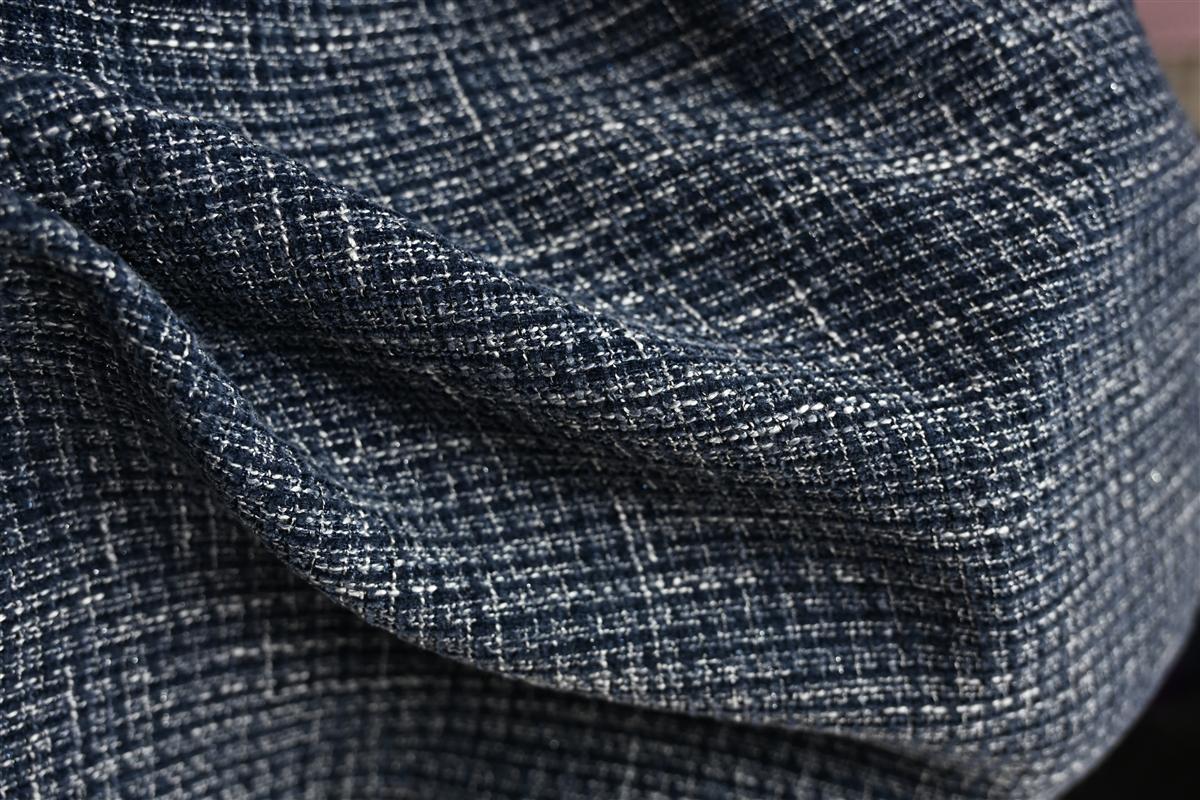
Videoen gennemgår de konstruktionsdetaljer, der adskiller et veludført kommercielt tweed fra et generisk, de samme egenskaber, som et certificeringssystem findes for at beskytte.
Ofte stillede spørgsmål
Kan et væveri i Kina lovligt væve tweed, der ligner Harris Tweed?
It can weave tweed of any construction, but it cannot call it Harris Tweed or use the Orb mark. The protection covers the name, the mark and the defined origin-and-method combination, so descriptive wording such as “in the Harris tradition” on non-Hebridean cloth is a compliance risk brands should avoid.
Hvorfor koster ægte Harris Tweed mere end kommercielle alternativer?
Licenseret hjemmevævning er langsom, kapaciteten på øen er begrænset, og inspektions- og stemplingsprocessen tilføjer omkostninger pr. meter. Kommerciel produktion på kraftvævestole opnår lignende visuelle effekter til en lavere pris, fordi vævestolene kører hurtigere og i stor skala.
Er ny uld det samme i begge tilfælde?
Jomfruuld betyder ny uld, der kommer fra fårets fleece frem for genbrugt uld. Harris Tweed er defineret som 100 % jomfruuld; kommercielle tweeds kan - og bliver ofte - produceres med blandinger, der omfatter genbrugsuld eller polyamid for at nå mål for pris og holdbarhed.
Hvad bør jeg bede et væveri dokumentere i stedet for et varemærke?
Bed om vævningsjournaler knyttet til dit parti, garn- og farvebatch-numre, testrapporter for pilling og farveægthed samt den fysiske guldprøve. De fire ting giver dig den sporbarhed, Orb-mærket signalerer, verificeret på dit eget stof.
Relaterede indsigter

Stofbredde og selvedge-linjer: Planlæg skæreeffektivitet, før du bestiller tweed
Buyers compare tweed by weight, color and price, and then discover at the cutting table...
Reading Fabric Selvedge: Markings, Width and Quality Signals
The selvedge, the finished edge running along both sides of a fabric roll, is the...

Garnnumre i tweed: Hvad 2/8 NM betyder for greb, vægt og pris
Ask three suppliers to quote “a 400 gsm tweed for overcoats” and you will often...