
Harris Tweed is one of the few fabrics whose name is protected by an Act of Parliament, a registered trademark and an inspectorate that visits weavers’ homes. For commercial fabric buyers, it is worth understanding exactly how that system works, because it defines the line between a protected certification and a marketing phrase any mill can use. This guide explains what the Harris Tweed certification actually covers, what a commercial mill in Wenzhou or Biella can legitimately learn from it, and which claims would cross into infringement or greenwashing.
Vår hållning här är praktisk: Fursone väver kommersiellt tweed i 300+ vävstolar hos partnerväverier i Wenzhou, och köpare frågar oss regelbundet varför vårt tyg inte får kallas Harris Tweed och hur en ärlig alternativ skrivning ser ut. Samma disciplin gäller färgsidan av historien, som vi tog upp separat i vår guide för garnfärgat kontra styckfärgat tweed.
Vad Harris Tweed-certifieringen faktiskt
Definitionen är ovanligt specifik. Enligt the Harris Tweed Authority’s official site, genuine Harris Tweed must be made from 100 percent virgin wool, dyed and blended in the Outer Hebrides of Scotland, handwoven by islanders in their own homes, and finished there, protected by the Orb mark since an Act of the UK Parliament. Every metre of qualified cloth carries the Orb trademark, and the Authority’s inspectors examine the cloth on the loom before stamping it. Three consequences follow for buyers: the name denotes a place and a method, not a weave pattern; the supply is physically capped by the number of licensed home weavers; and any cloth “in the Harris style” made elsewhere is, by definition, not Harris Tweed.
Vad kommersiella väverier med fog kan lära av modellen
The first lesson is traceability as a product feature. The Orb system works because each stamp is backed by inspection records; a commercial mill can reproduce the mechanism, not the mark, by keeping loom-level weaving records and tying each bulk lot to yarn lots and dye batches. The second lesson is the draft-and-blend discipline: Harris Tweed’s character comes from blending dyed fibers before spinning, which is the same reason our yarn-dyed constructions hold pattern integrity across a 300 metre custom run. The third lesson is finishing consistency, where loom tension and finishing settings interact, a topic we document in our weaving parameters guide. Köpare som förstår dessa mekanismer jämför väverier utifrån dokumentation snarare än adjektiv, och vår guide: merino kontra vanlig ull är ett bra exempel på den typen av jämförelse på specifikationsnivå.
Var de juridiska och etiska gränserna går
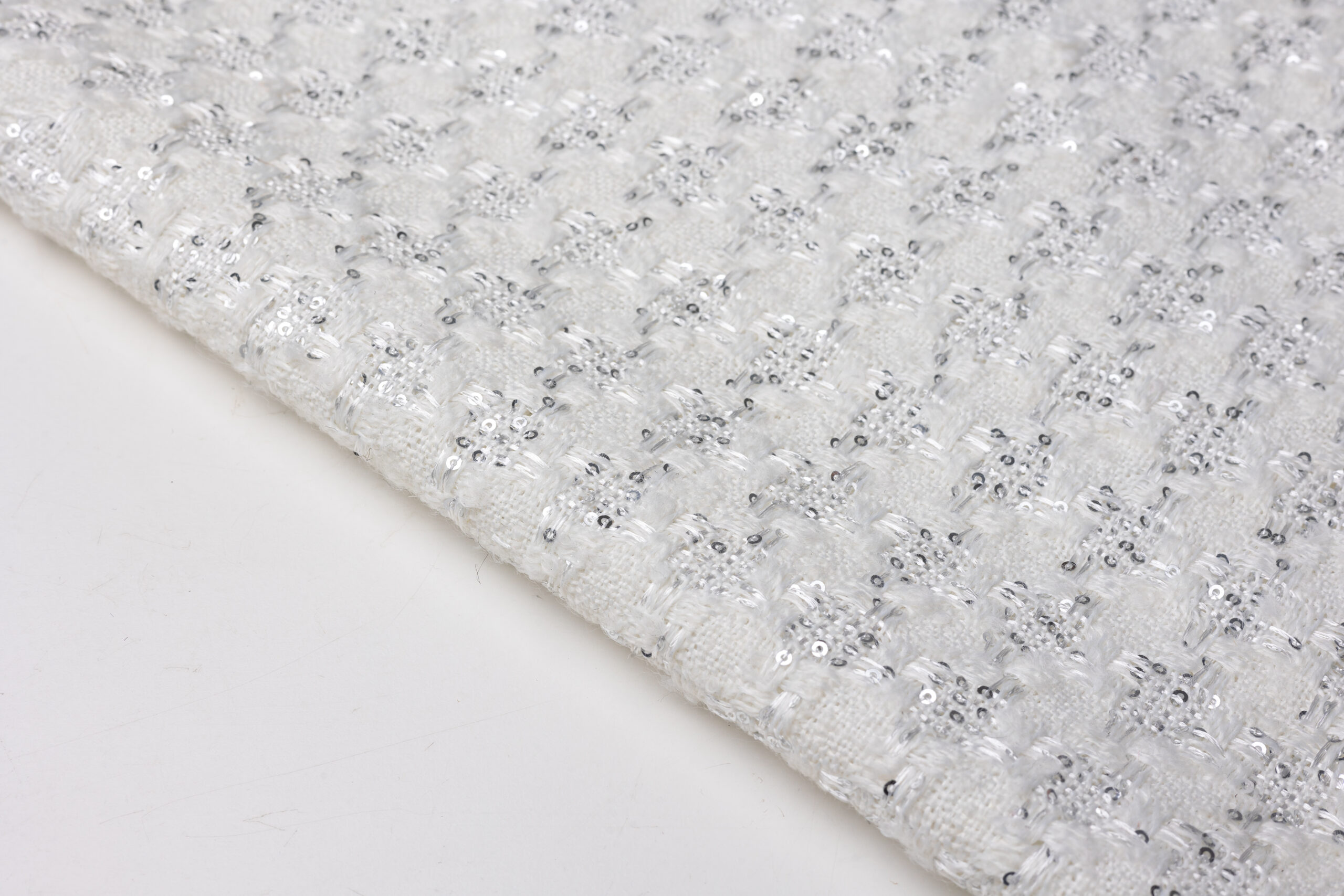
What a mill cannot do is use “Harris Tweed”, the Orb mark, or lookalike devices on any cloth woven outside the Outer Hebrides. The trademark is enforced, and fashion brands have faced takedowns for mislabeled marketing. Honest commercial wording describes the construction instead: “Hebrides-style woven tweed”, “home-weave aesthetic”, or simply naming the yarn, weight and weave. The same honesty rules apply to certification claims generally; our greenwashing claims guide gives brands a phrase-level checklist. If a supplier’s spec sheet says “Harris-like quality” without naming the actual fiber content, weave and finishing data, treat the vagueness as a warning sign.
Så briefar du en kommersiell tweed mot en Harris-referens
Buyers who want Harris Tweed’s character at commercial pricing should brief the mill on measurable attributes rather than the name: yarn count and blend, whether the dyeing happens at fiber stage or yarn stage, target weight in gsm or oz, the nub and check structure, and pilling grade (our lines are engineered to ISO grade 3-4). With those fields, a 300 metre custom program can be quoted, sampled in 7 days and compared line by line against any reference cloth. That is the honest version of the story the Orb tells, and it is the version that survives a compliance review. Development programs of this kind run through our Utvecklingstjänst för Chanel-style tweed.
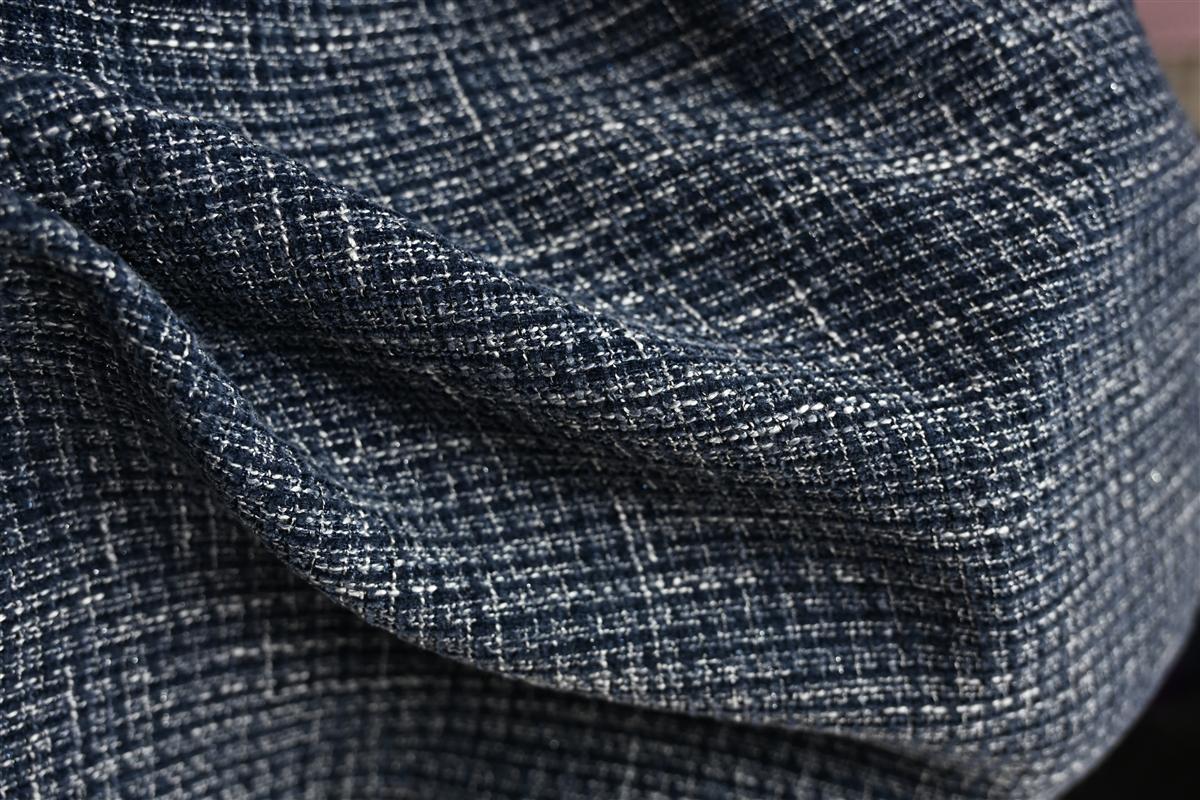
Video: dolt hantverk i tweedvävning
Videon går igenom de konstruktionsdetaljer som skiljer ett välgjort kommersiellt tweed från ett generiskt, samma egenskaper som ett certifieringssystem finns för att skydda.
Vanliga frågor
Kan ett väveri i Kina lagligt väva tweed som liknar Harris Tweed?
It can weave tweed of any construction, but it cannot call it Harris Tweed or use the Orb mark. The protection covers the name, the mark and the defined origin-and-method combination, so descriptive wording such as “in the Harris tradition” on non-Hebridean cloth is a compliance risk brands should avoid.
Varför kostar äkta Harris Tweed mer
Licensierad hemvävning är långsam, kapaciteten på ön är begränsad, och inspektions- och stämplingsprocessen tillför kostnad per meter. Kommersiell produktion i maskindrivna vävstolar uppnår liknande visuella effekter till ett lägre pris eftersom vävstolarna går snabbare och i stor skala.
Är jungfrulig ull samma sak i båda fallen?
Jungfrulig ull betyder ny ull som tas från ullfällen och inte återvunnen ull. Harris Tweed definieras som 100 procent jungfrulig ull; kommersiella tweedtyger kan, och görs ofta, i blandningar som innehåller återvunnen ull eller polyamid för att nå kostnads- och hållbarhetsmål.
Vad bör jag begära att ett väveri styrker i stället för ett varumärke?
Begär vävprotokoll kopplade till ditt parti, garn- och färgbatchnummer, testrapporter för noppbildning och färghärdighet samt det fysiska originalprovet. De fyra delarna ger dig den spårbarhet som Orb-märket signalerar, verifierad på ditt eget tyg.
Relaterade insikter

Tygvidd och stadkanter: Planera skärningseffektivitet innan du beställer tweed
Buyers compare tweed by weight, color and price, and then discover at the cutting table...
Reading Fabric Selvedge: Markings, Width and Quality Signals
The selvedge, the finished edge running along both sides of a fabric roll, is the...

Garnnummer i tweed: vad 2/8 NM betyder för känsla, vikt och kostnad
Ask three suppliers to quote “a 400 gsm tweed for overcoats” and you will often...