
Harris Tweed is one of the few fabrics whose name is protected by an Act of Parliament, a registered trademark and an inspectorate that visits weavers’ homes. For commercial fabric buyers, it is worth understanding exactly how that system works, because it defines the line between a protected certification and a marketing phrase any mill can use. This guide explains what the Harris Tweed certification actually covers, what a commercial mill in Wenzhou or Biella can legitimately learn from it, and which claims would cross into infringement or greenwashing.
A nossa posição aqui é prática: a Fursone tece tweed comercial em mais de 300 teares nas tecelagens parceiras em Wenzhou, e os compradores perguntam-nos regularmente porque é que o nosso tecido não pode ser chamado Harris Tweed e qual é a formulação alternativa honesta. A mesma disciplina aplica-se ao lado do tingimento desta história, que abordámos separadamente no nosso guia do tweed tingido no fio versus tingido em peça.
O que a certificação Harris Tweed protege realmente
A definição é invulgarmente específica. Segundo the Harris Tweed Authority’s official site, genuine Harris Tweed must be made from 100 percent virgin wool, dyed and blended in the Outer Hebrides of Scotland, handwoven by islanders in their own homes, and finished there, protected by the Orb mark since an Act of the UK Parliament. Every metre of qualified cloth carries the Orb trademark, and the Authority’s inspectors examine the cloth on the loom before stamping it. Three consequences follow for buyers: the name denotes a place and a method, not a weave pattern; the supply is physically capped by the number of licensed home weavers; and any cloth “in the Harris style” made elsewhere is, by definition, not Harris Tweed.
O que as tecelagens comerciais podem legitimamente aprender com o modelo
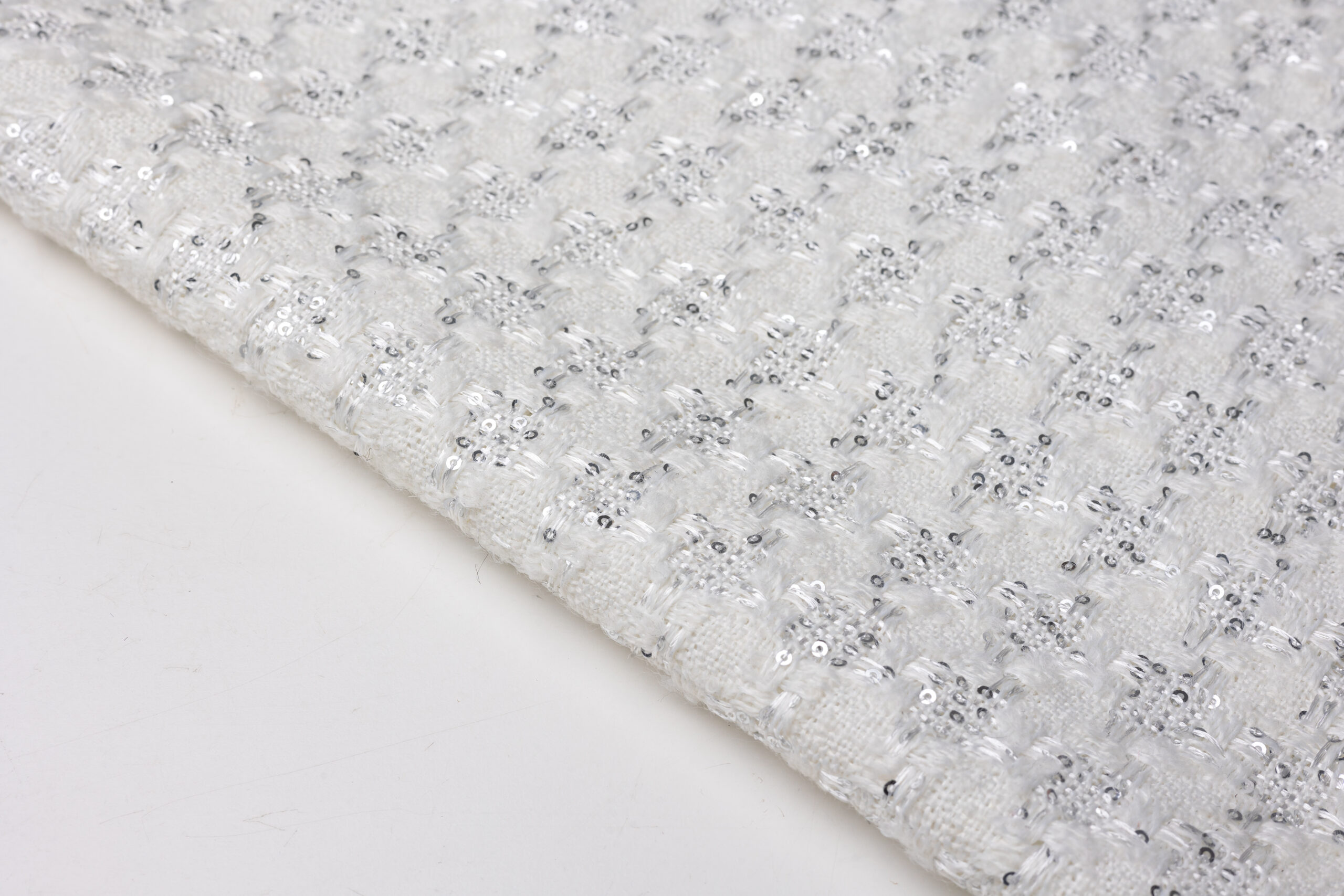
The first lesson is traceability as a product feature. The Orb system works because each stamp is backed by inspection records; a commercial mill can reproduce the mechanism, not the mark, by keeping loom-level weaving records and tying each bulk lot to yarn lots and dye batches. The second lesson is the draft-and-blend discipline: Harris Tweed’s character comes from blending dyed fibers before spinning, which is the same reason our yarn-dyed constructions hold pattern integrity across a 300 metre custom run. The third lesson is finishing consistency, where loom tension and finishing settings interact, a topic we document in our weaving parameters guide. Os compradores que compreendem estes mecanismos comparam as tecelagens pelo registo de dados, e não por adjetivos, e a nossa guia de merino versus lã normal é um bom exemplo desse tipo de comparação ao nível das especificações.
Onde ficam as linhas legais e éticas
What a mill cannot do is use “Harris Tweed”, the Orb mark, or lookalike devices on any cloth woven outside the Outer Hebrides. The trademark is enforced, and fashion brands have faced takedowns for mislabeled marketing. Honest commercial wording describes the construction instead: “Hebrides-style woven tweed”, “home-weave aesthetic”, or simply naming the yarn, weight and weave. The same honesty rules apply to certification claims generally; our greenwashing claims guide gives brands a phrase-level checklist. If a supplier’s spec sheet says “Harris-like quality” without naming the actual fiber content, weave and finishing data, treat the vagueness as a warning sign.
Como especificar um tweed comercial tendo como referência um Harris
Buyers who want Harris Tweed’s character at commercial pricing should brief the mill on measurable attributes rather than the name: yarn count and blend, whether the dyeing happens at fiber stage or yarn stage, target weight in gsm or oz, the nub and check structure, and pilling grade (our lines are engineered to ISO grade 3-4). With those fields, a 300 metre custom program can be quoted, sampled in 7 days and compared line by line against any reference cloth. That is the honest version of the story the Orb tells, and it is the version that survives a compliance review. Development programs of this kind run through our Serviço de desenvolvimento de tweed Chanel-style.
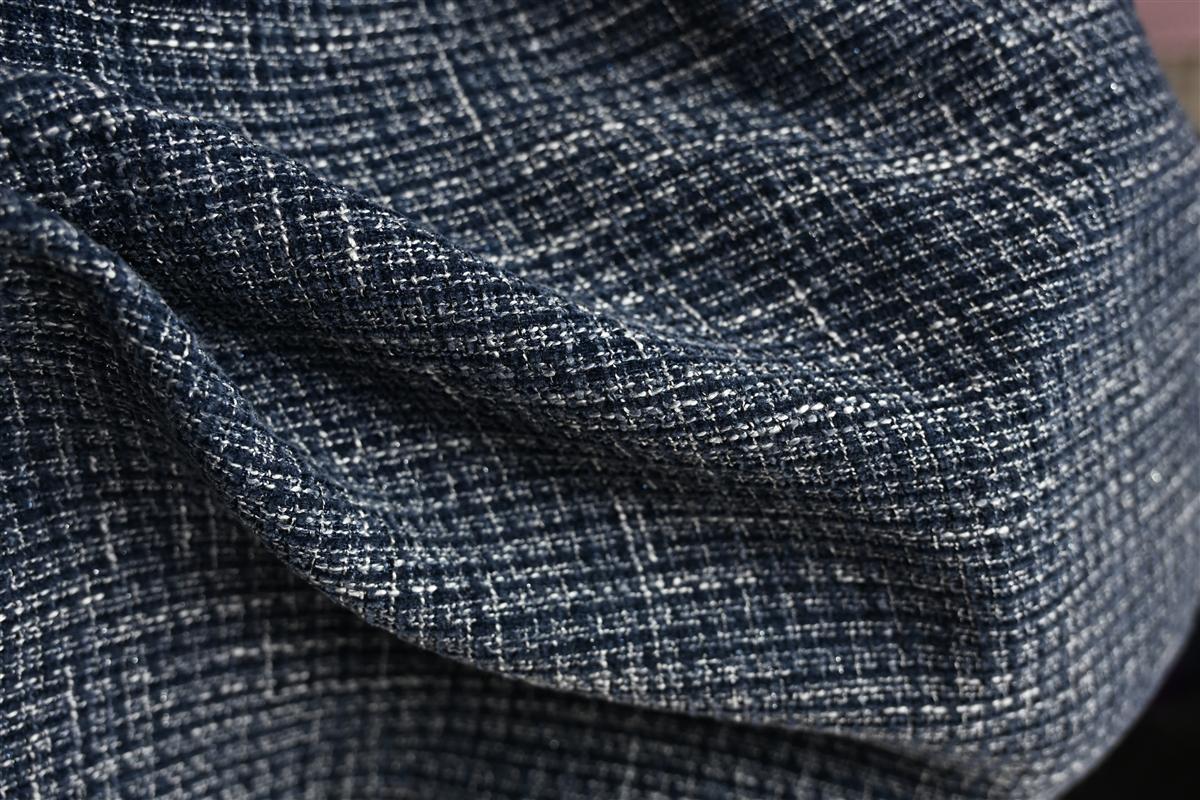
Vídeo: artesanato oculto na tecelagem do tweed
O vídeo percorre os detalhes de construção que distinguem um tweed comercial bem feito de um genérico, os mesmos atributos que um sistema de certificação existe para proteger.
Perguntas frequentes
Pode uma tecelagem na China tecer legalmente tweed com o aspeto do Harris Tweed?
It can weave tweed of any construction, but it cannot call it Harris Tweed or use the Orb mark. The protection covers the name, the mark and the defined origin-and-method combination, so descriptive wording such as “in the Harris tradition” on non-Hebridean cloth is a compliance risk brands should avoid.
Porque é que o Harris Tweed genuíno custa mais do que os equivalentes comerciais?
A tecelagem doméstica licenciada é lenta, a capacidade das ilhas é limitada e o processo de inspeção e selagem acrescenta custos por metro. A produção comercial em tear mecânico alcança efeitos visuais semelhantes a um preço mais baixo, porque os teares trabalham mais depressa e à escala.
A lã virgem é a mesma coisa nos dois casos?
Lã virgem significa lã nova retirada do velo, e não lã reciclada. O Harris Tweed é definido como 100 % lã virgem; os tweeds comerciais podem ser – e são frequentemente – produzidos com misturas que incluem lã reciclada ou poliamida, para cumprir objetivos de custo e durabilidade.
O que devo pedir a uma tecelagem para provar, em vez de uma marca registada?
Peça registos de teares associados aos números do seu lote, do fio e do banho de tingimento, relatórios de ensaio de borboto e de solidez da cor e a amostra de ouro física. Esses quatro elementos dão-lhe a rastreabilidade que a marca Orb sinaliza, verificada no seu próprio tecido.
Insights Relacionados

Largura do Tecido e Linhas de Ourela: Planejando a Eficiência de Corte Antes de Encomendar Tweed
Buyers compare tweed by weight, color and price, and then discover at the cutting table...
Reading Fabric Selvedge: Markings, Width and Quality Signals
The selvedge, the finished edge running along both sides of a fabric roll, is the...

Títulos de Fio no Tweed: O Que 2/8 NM Significa para o Toque, a Gramagem e o Custo
Ask three suppliers to quote “a 400 gsm tweed for overcoats” and you will often...