
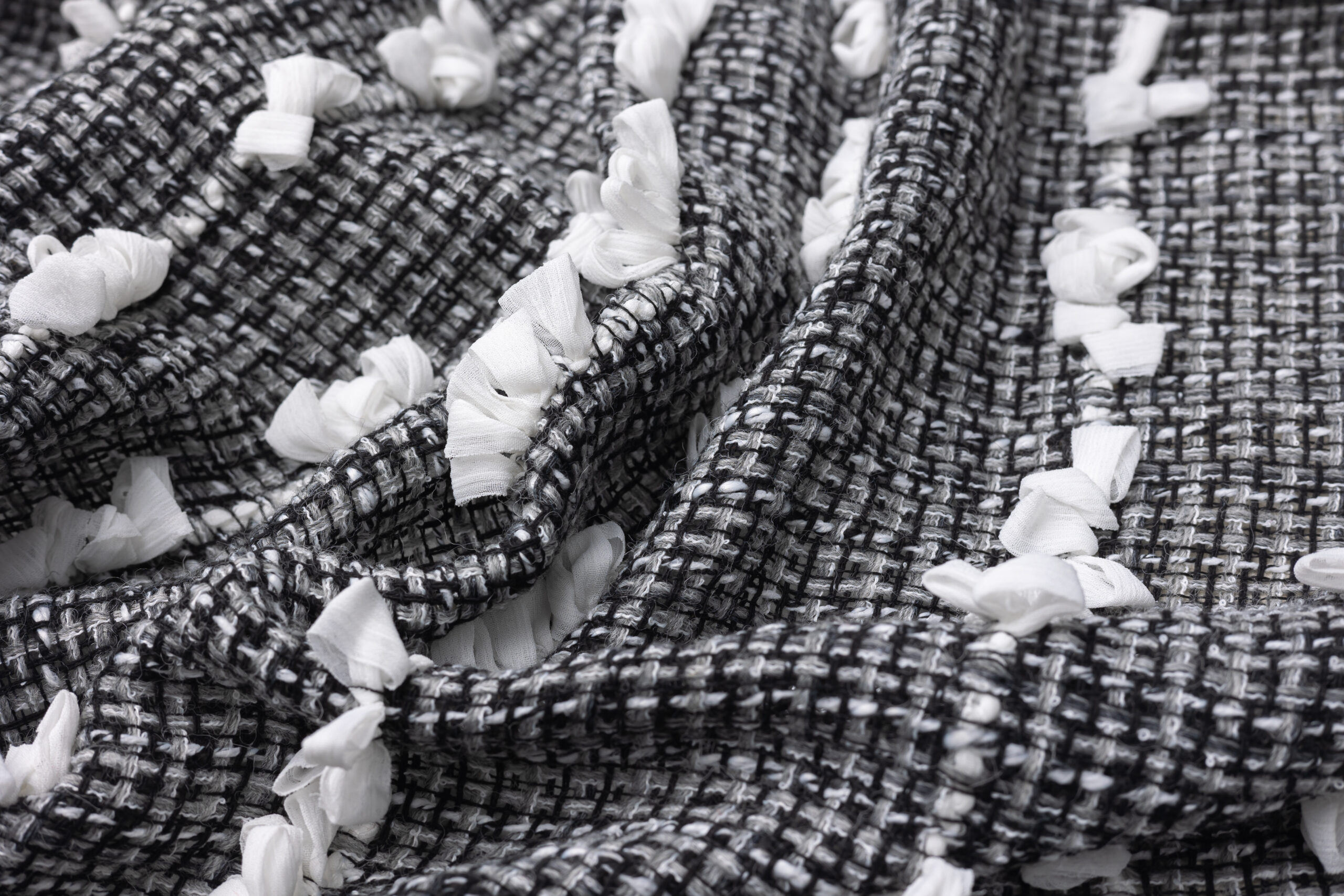
High-traffic living rooms and boutique furniture lines demand materials that mask wear without losing their visual appeal. Tweed remains a top choice for 2026 because its multi-tonal weave naturally hides pet hair and dust while the dense construction prevents the mechanical breakdown common in thinner, flat-weave fabrics.
This guide explores how to match specific tweed types to different lifestyles, from low-traffic seating to active households requiring 50,000-turn Martindale ratings. We also detail essential technical benchmarks for small brands, including why a fabric weight of 450+ gsm is necessary to maintain cushion shape and prevent stretching over years of continuous use.
Is Tweed a Good Idea for Your Main Sofa?
Pair this with our guide to Shrinkage Control in Knit Manufacturing
Tweed is a superior choice for main sofas in 2026 due to its dense, tight weave and high wool content. It provides exceptional abrasion resistance, with Martindale ratings often reaching 50,000 cycles, while its mottled texture naturally masks soil and wear in active households.
Natural Durability and Soil Masking Capabilities
A high wool content ranging from 80% to 100% combined with tight yarn twisting—typically 7 to 9 times—creates a dense structural barrier. This physical construction resists the mechanical wear that often degrades thinner fabrics in high-traffic living areas.
The multi-tonal weaves and mottled patterns inherent to tweed offer a functional advantage by camouflaging pet hair, dust, and minor stains. These complex textures hide everyday debris much more effectively than flat-weave fabrics, keeping the furniture looking clean between deep cleanings.
Natural wool fibers provide built-in odor resistance and humidity regulation. This breathability ensures the sofa stays comfortable throughout changing seasons, while the fiber’s natural oils help repel moisture and prevent the accumulation of household allergens.
Performance Specs and Martindale Testing Standards
Technical testing highlights tweed’s resilience through Martindale abrasion ratings. While standard domestic fabrics require only 15,000 cycles, upholstery-grade tweeds frequently reach 50,000 cycles, meeting the same rigorous standards as heavy-duty commercial furniture.
Fabric weights of 450+ gsm (15-17oz) provide the necessary tension to prevent seam slippage and fabric stretching. This density ensures that large sofa cushions maintain their shape and tautness even after years of continuous daily use.
Pilling resistance ratings of 4 to 5 guarantee that the surface remains smooth over time. High-quality tweed resists the formation of fiber knots caused by friction, ensuring the texture retains its original integrity despite frequent movement and cleaning.
Matching Tweed Type to Your Lifestyle (Single, Family, Kids, Pets)
Matching tweed to your lifestyle requires looking at Martindale abrasion ratings and fiber composition. Single adults can opt for standard weaves at 15,000–25,000 turns, while families with children or pets need high-density blends rated at 50,000 turns or higher to resist pilling and snagging.
| Lifestyle Profile | Recommended Martindale Rating | Recommended Composition |
|---|---|---|
| Single / Low-Traffic | 15,000 – 25,000 Turns | Pure Wool (Harris or Donegal) |
| Family with Kids | 50,000+ Turns | Wool-Polyester or Olefin Blends |
| Households with Pets | 50,000 – 70,000 Turns | Tight Nubby Weave (Wool-Nylon) |
Evaluating Fabric Durability Against Household Foot Traffic
Single-person households and formal seating areas generally function well with a Martindale rating between 15,000 and 25,000 turns. These environments experience less friction, allowing for the use of traditional pure wool options like Harris Tweed. This fabric offers a heavy-weight, dense structure that provides significant longevity when the risk of heavy abrasion remains low. For those seeking a lighter feel, Donegal tweed serves as a medium-weight alternative that balances a soft texture with enough resilience for daily use. The naturally mottled appearance of these weaves also hides minor surface marks, which reduces the frequency of professional cleaning.
Technical Specifications for High-Activity Environments
High-traffic homes with children or pets require a minimum Martindale rating of 50,000 to prevent the fabric from thinning over time. Blending wool with nylon or polyester increases tensile strength, often reaching ratings between 40,000 and 70,000 turns. These blends withstand the specific stresses of jumping and scratching that occur in busy living rooms. Pet owners should specifically look for tight, nubby weaves to prevent claws from snagging loops or pulling the yarn. Choosing a fabric with a pilling resistance score of 4 or 5 keeps the sofa surface smooth throughout its service life. Additionally, synthetic additions like olefin or microfiber improve stain resistance, making it easier to manage spills.
Comfort, Touch and “Itchiness” – What to Expect
Modern tweed sofas balance structural weight with a softer hand-feel through improved fiber blends. While heritage wools can feel coarse, domestic upholstery typically uses medium-weight fabrics between 330 and 450 GSM, designed to pass Martindale durability tests without sacrificing skin comfort.
Tactile Profile and Fiber Texture Irritation
Modern textile engineering creates a distinct tactile experience compared to traditional heritage fabrics. While historic tweed relies on pure wool fibers that often produce a coarse or prickly surface, current upholstery versions integrate synthetic blends to soften the hand-feel. These blends reduce the “prickle” factor significantly, making the surface suitable for prolonged skin contact without the irritation common in heavy-duty outerwear.
The sensory perception of the fabric depends largely on its weight and fiber composition. Domestic seating typically utilizes materials in the 13 to 14 oz range. This weight provides a sense of substance and structural integrity while offering a much smoother finish than the bouclette loops found in textured accent pieces. Choosing a medium-weight blend ensures the sofa feels substantial yet remains comfortable for daily use.
Technical Performance and Martindale Standards
Durability metrics influence the long-term comfort and surface stability of the fabric. Standard domestic applications require a Martindale rating of 15,000 turns to ensure the weave holds its shape. For high-traffic areas or intensive use, ratings of 25,000 turns provide the necessary resistance to abrasion. These benchmarks ensure the fabric does not thin out or lose its texture over years of service.
Material density plays a critical role in maintaining surface smoothness. Most high-quality tweed upholstery stays within the 330 to 450 GSM range. This density allows for a tight weave that prevents fiber migration, which occurs when individual threads shift and create a fuzzy, irritating surface. A tight, well-constructed weave keeps the fabric surface consistent and comfortable while preventing the breakdown of the primary fibers during regular use.
Your Global Partner for Precision Tweed & Flexible Supply
Planning for Cleaning and Small Accidents
Tweed sofas, particularly those using Harris Tweed, benefit from natural water-resistant properties found in virgin wool. Effective maintenance involves weekly low-suction vacuuming with soft-bristle attachments and immediate blotting of spills using mild, diluted detergents. Regular cushion rotation and occasional professional specialist cleaning help preserve the fabric’s integrity and appearance over time.
Routine Maintenance and Fiber Preservation
Routine care centers on preventing debris from becoming embedded in the textured weave. Vacuum the sofa weekly using a soft brush attachment to extract dust, pet hair, and crumbs. Using a low suction setting protects the wool fibers from being pulled or damaged during the process, ensuring the fabric remains smooth and intact.
Physical placement and usage patterns also impact the longevity of the material. Rotate and flip cushions every two to three weeks to distribute weight evenly and prevent localized wear. Keeping the furniture away from direct sunlight protects the natural wool dyes from fading and prevents the fibers from becoming brittle over time.
Spot Cleaning and Deep Treatment Protocols
Spills require immediate action to prevent the liquid from wicking into the wool. Blot liquid spills instantly with a clean, dry absorbent cloth. Avoid rubbing the area, as friction causes wool to felt and can spread the stain further into the weave. For more persistent marks, apply a solution of mild detergent diluted in water, but always test this on a hidden fabric patch first to ensure colorfastness.
Managing moisture levels is vital for the structural health of the sofa. Avoid using harsh chemicals or over-wetting the fabric, as excessive moisture can lead to mildew or damage the internal frame. For thorough hygiene and refreshing the fibers, consult professional cleaners who specialize in wool or Harris Tweed for a deep thermal clean every 18 to 24 months.
Choosing Safe Colours and Patterns for Daily Use
Opt for multi-tonal weaves like salt-and-pepper or heathered patterns to naturally mask soil and spills. Ensure the chosen fabric meets UFAC Class 1 or BS 5852 fire safety standards and maintains high GSM ratings for structural integrity in high-traffic 2026 homes.
Selection Strategies for Soil Hiding and Pattern Longevity
Multi-tone yarns create heathered effects that effectively camouflage pet hair and small particles. These complex visual textures hide daily debris better than solid colors by breaking up the surface plane and reducing the contrast of surface contaminants.
Mid-tone palettes such as charcoal, oatmeal, or olive minimize the visibility of water marks and dry soil. These specific hues bridge the gap between light stains and dark dust, providing the most practical aesthetic for frequently used living spaces.
Tighter weave patterns prevent snagging while maintaining the classic tweed texture. For heavy-use family sofas, we prioritize fabrics with 15-17oz or 450+ GSM ratings to ensure the pattern does not distort or stretch over time.
Performance Metrics for Color Retention and Fire Safety
We verify color fastness ratings against ISO 105 or ASTM D2244 standards to prevent fading from sunlight exposure. This technical verification ensures the fabric retains its original visual depth even when placed near large windows or in bright environments.
All upholstery choices must comply with UFAC Class 1 and California Technical Bulletin 117 fire safety regulations. These standards guarantee the material meets rigorous smolder resistance requirements for domestic furniture safety.
Abrasion ratings exceeding 175,000 double rubs guarantee the fabric maintains its structural integrity under constant friction. We apply stain-resistant treatments that do not compromise the BS 5852 flammability requirements to provide a balance of cleanliness and physical safety.
For Small Brands: How to Test Tweed Sofas Before Going All‑In
Small brands should validate tweed performance by prioritizing Martindale abrasion tests and fire safety compliance. For active family use in 2026, aim for a minimum of 25,000 rubs and a fabric weight of at least 320 g/m². Ensuring certification under BS 5852 or EN 1021-1/2 standards protects the brand from regulatory risks and ensures product longevity.
| Testing Metric | Technical Benchmark | Target Application |
|---|---|---|
| Martindale Abrasion | 25,000 – 50,000 rubs | Intensive daily family activities |
| Fabric Weight | 320 – 450+ g/m² | Structural upholstery integrity |
| Fire Safety Compliance | BS 5852 / EN 1021 | Regulatory market access |
Martindale Abrasion Scores for Durability Validation
The Martindale rub test serves as the industry standard for evaluating how well a fabric resists wear. Small brands should use 15,000 turns as the baseline for classic domestic use. If the sofa targets families with intensive daily activities, verify that the fabric reaches at least 25,000 turns. To market pieces as commercial-grade or heavy-duty for 2026 living environments, seek fabrics with 30,000+ rubs.
While pure wool provides a premium feel, polyester-based alternatives often reach 50,000 rub ratings while maintaining a traditional tweed aesthetic. Beyond simple abrasion, identify seam slippage and pilling resistance as secondary metrics. These tests ensure the weave stays tight and the surface remains smooth under constant pressure from sitting and moving.
Weight Benchmarks and Fire Safety Certification
Fabric weight indicates the density and structural strength of the upholstery. Specify a weight of at least 320 g/m² for standard tweed sofas. Moving to 450+ GSM (roughly 16-17oz) provides the thickness required for premium heavyweight wool. These heavier weights generally offer better resistance to stretching and sagging over time, supporting the long-term shape of the furniture.
Legal compliance is a non-negotiable step for brand protection. Verify ignitability assessments against BS 5852 British Standards and EN 1021-1/2 European Standards to ensure the product meets safety regulations. If planning distribution to North American markets in 2026, check for NFPA 260 certifications. High-quality pure new wool variants also provide natural humidity regulation and odor resistance, which helps justify higher price points for consumers focused on indoor air quality.
Our Suggested Starter Tweed Sofa Packages
Successful starter packages for 2026 rely on polyester-based blends featuring a minimum weight of 15.9 oz per yard and 40,000 double rubs. These options prioritize CA TB 117-2013 flammability compliance and stain-resistant, PFAS-free finishes to ensure durability in high-traffic family environments while maintaining cost-effective 54-inch production widths.
Synthetic Performance Blends for Versatile Residential Use
Standard family sofa lines benefit from blends combining 41% acrylic with 59% polyester. This specific ratio provides a weight of 16 oz per linear yard, creating the structural density required for long-term shape retention. These Tweed Multi materials allow manufacturers to maintain a heavy hand feel while managing costs through synthetic production cycles.
100% polyester upholstery provides a robust alternative for heavy-duty domestic wear. Technical specifications for these textiles include a 370 GSM thickness and a 1.28 mm gauge. These measurements ensure the fabric resists thinning at high-pressure points like seat cushions and armrests over years of use.
Production efficiency depends on selecting standard widths between 54 and 57 inches. This range maximizes pattern yield and reduces scrap waste during the upholstery process. Manufacturers should choose PFAS-free stain-resistant finishes compatible with both water-based and solvent (WS) cleaning codes. These finishes support the use of 70% isopropyl alcohol for sanitization without degrading the textile fibers.
High-Abrasion Technical Specifications for Intensive Wear
Premium seating and crossover commercial-residential projects require higher durability benchmarks. Technical blends incorporating nylon, polyester, and olefin reach 40,000 double rubs and 25,000 Martindale cycles. These ratings exceed basic residential requirements and satisfy the demands of intensive wear environments.
Safety compliance serves as a primary requirement for any 2026 starter line. Selected fabrics must meet CA TB 117-2013 and UFAC Class I flammability standards. These certifications ensure the sofa packages meet legal safety thresholds for both private homes and public commercial spaces.
ASTM D751-06 breaking strength tests verify the physical integrity of the weave, with ratings of 197 lbs in the warp and 369 lbs in the fill preventing seam slippage. Furthermore, Pilling Class 3 ratings and AATCC-8 Class 4 dry crocking performance maintain the surface texture. These metrics ensure the fabric avoids fiber bunching and color transfer during frequent contact, preserving the aesthetic value of the furniture piece.
Final Thoughts
Tweed serves as a resilient foundation for any high-traffic living room. Its textured weave naturally conceals daily wear, while modern fiber blends provide a soft surface that avoids the scratchiness of traditional wool. By selecting fabrics with appropriate rub counts and density, families gain a piece of furniture that stays looking fresh despite the challenges of pets and active children.
Small brands can build trust with their customers by prioritizing technical certifications and weight benchmarks. Focusing on multi-tonal patterns and fire-safe materials ensures the product meets safety standards and aesthetic expectations. This practical approach to fabric selection creates durable, comfortable seating that stands up to real-world use.
Frequently Asked Questions
Does tweed feel scratchy or uncomfortable for daily lounging?
High-quality tweed maintains tactile comfort despite its textured surface. For regular family use, choosing a fabric with at least 25,000 Martindale rubs ensures the weave stays soft enough for bare skin while providing the durability needed for intensive lounging.
Is tweed sofa fabric safe for homes with kids and frequent spills?
Tweed is a practical choice for families because its dense weave naturally masks minor soil and resists stains. Most spills lift away by dabbing with a damp cloth. For active households, select fabrics that meet 15,000 Martindale cycles or heavy-duty ratings exceeding 500,000 Wyzenbeek rubs.
Which patterns and colors work best for hiding pet hair and scratches?
Mid-tone colors like gray and taupe effectively conceal fur and dirt. Multicolored weaves, herringbone, and small geometric patterns break up the visual surface, making pet hair and minor claw snags less noticeable. Tightly woven, heavyweight fabrics prevent fur from becoming trapped in the fibers.
What is the minimum maintenance required for a tweed sofa?
Weekly vacuuming with a soft brush attachment on a low setting is the most effective way to prevent dirt from embedding in the fibers. For spills, blot the area immediately with a dry cloth. This routine keeps the fabric looking new and limits the need for professional cleaning to once every 12 to 18 months.
How should a small brand test tweed sofa styles before a full launch?
Small brands can reduce risk by producing a trial run of 5 to 10 units using heavyweight wool blends (450+ GSM). Ensure the fabric hits a pilling rating of 4-5 and between 30,000 and 50,000 Martindale cycles. Testing these technical standards before scaling protects the brand’s investment and ensures customer satisfaction.
Authoritative References
Related Insights

Performance Knits in Luxury Outerwear: The Athluxury Trend
The jacket that sold luxury knitwear for a century met the fabric technologies of sportswear,...

Quiet Luxury and the Texture Economy: Positioning Tweed and Boucle in 2026
The quiet luxury cycle has moved the fashion signal off logos and onto material. Customers...

Tweed and Boucle for Spring 2026: Lighter Weights and Softer Palettes
Tweed’s migration out of the winter wardrobe is now a settled pattern: buyers who once...