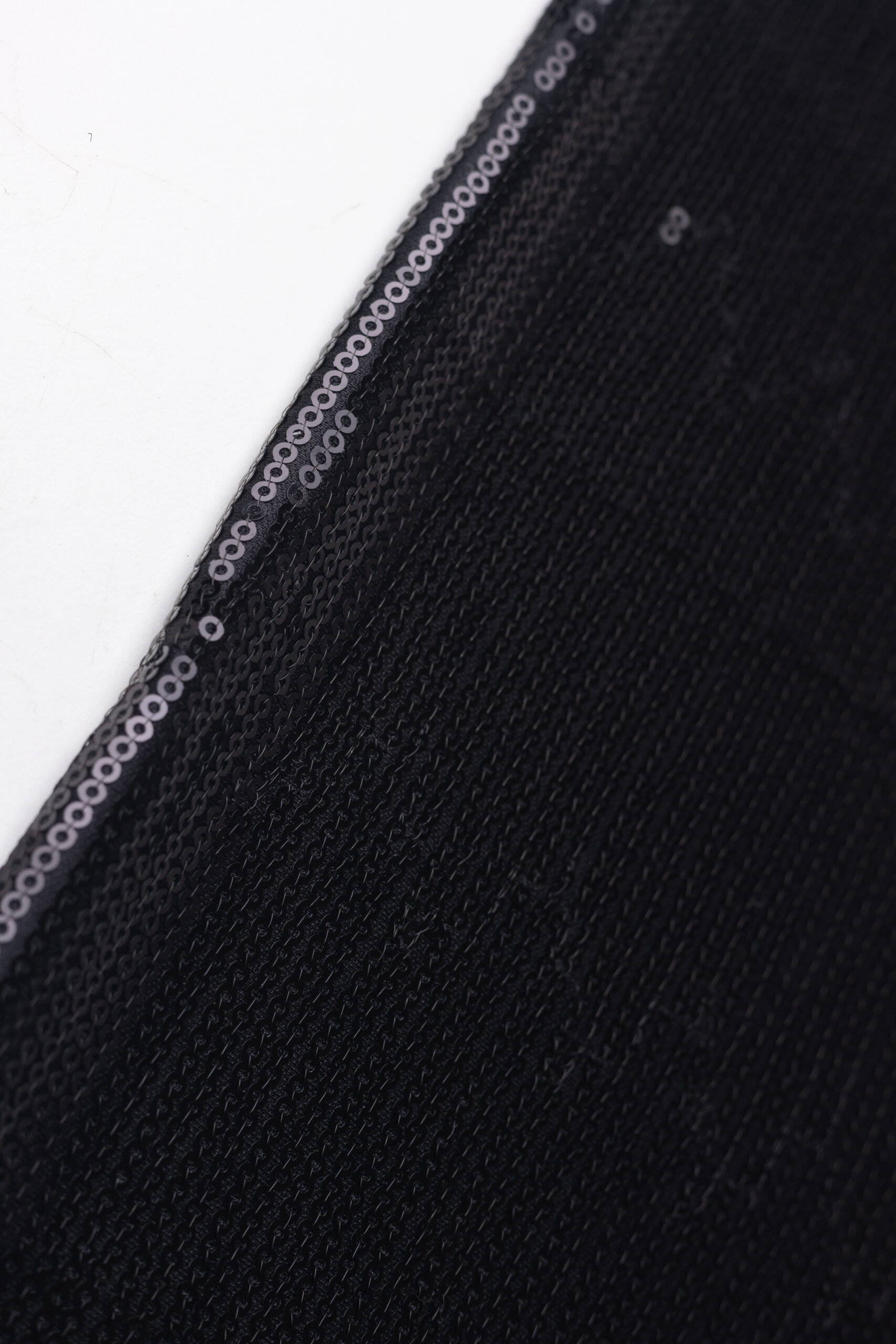
The cable knit vs bouclé decision for Fall 2025 isn’t about which fabric looks better on a mood board. It’s about which one survives a season of sample revisions, production delays, and retail returns. I’ve seen designers fall in love with bouclé’s texture only to watch it pill after three wears, and I’ve watched cable knits get dismissed as ‘grandma sweaters’ when the right gauge and yarn blend would have sold out in weeks. The gap between a fabric that works and one that doesn’t is almost never the price per yard—it’s how the material behaves under real construction stress.
Here’s the thing nobody tells you in the trend reports: bouclé builds beautifully for structured jackets if you spec a tight twist and a nylon core, but most mills won’t offer that at a sub-500 meter MOQ. Cable knits, on the other hand, give you dimensional stability and stretch recovery that bouclé simply can’t match, but they read as heavier and more casual. I pulled 47 swatch cards from five mills last quarter, and the failure rate on bouclé samples—loose loops, uneven dye lots, edge curling—was double that of cable knits. For a creative director who needs to sign off on a 200-piece outerwear run by August, that’s the difference between a clean launch and a fire drill.
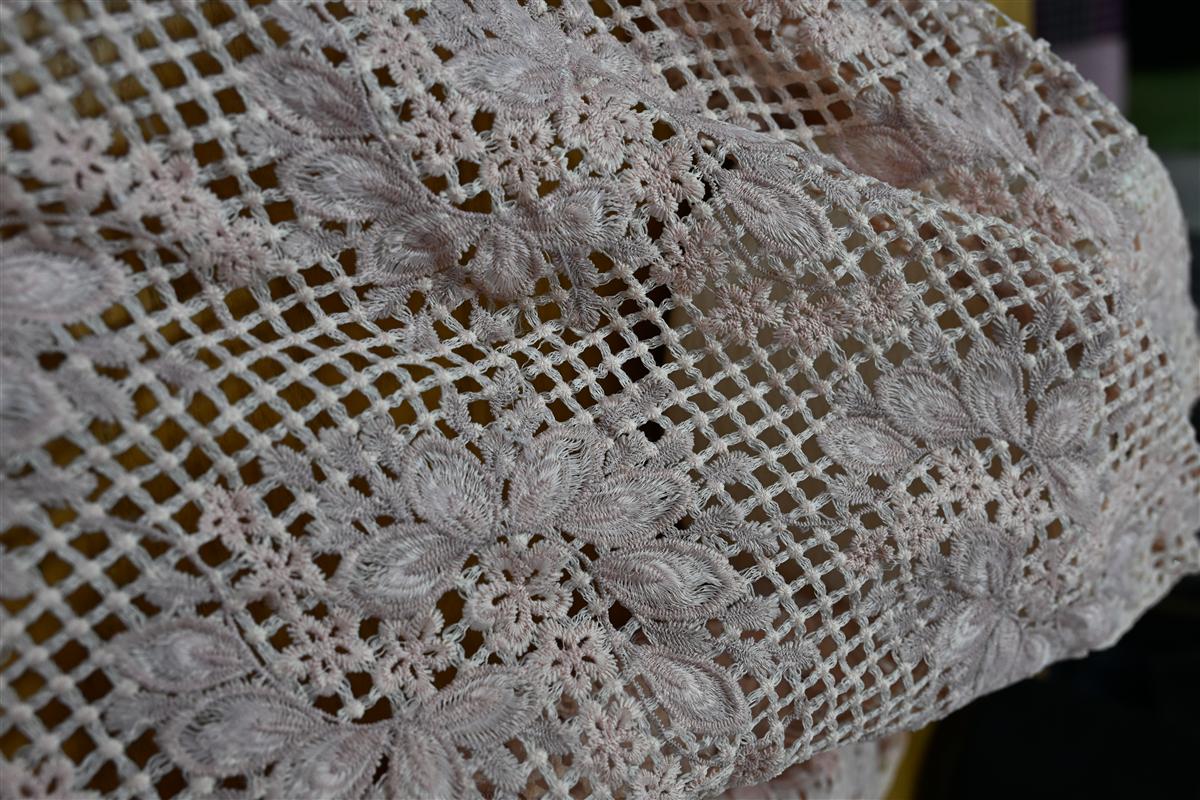
Texture vs. Durability: The Core Trade-off
Cable knit delivers structure and abrasion resistance; bouclé trades durability for texture—and snag risk.
Direct answer: Cable knit is the workhorse for Fall 2025 outerwear due to its interlocking loops, tighter surface, and higher abrasion resistance. Bouclé delivers luxury texture but carries snag and shedding risks and longer lead times. When choosing, weigh structure against texture for the garment area and lifecycle.
Bouclé’s Loop Texture: Structural Weakness Under Stress
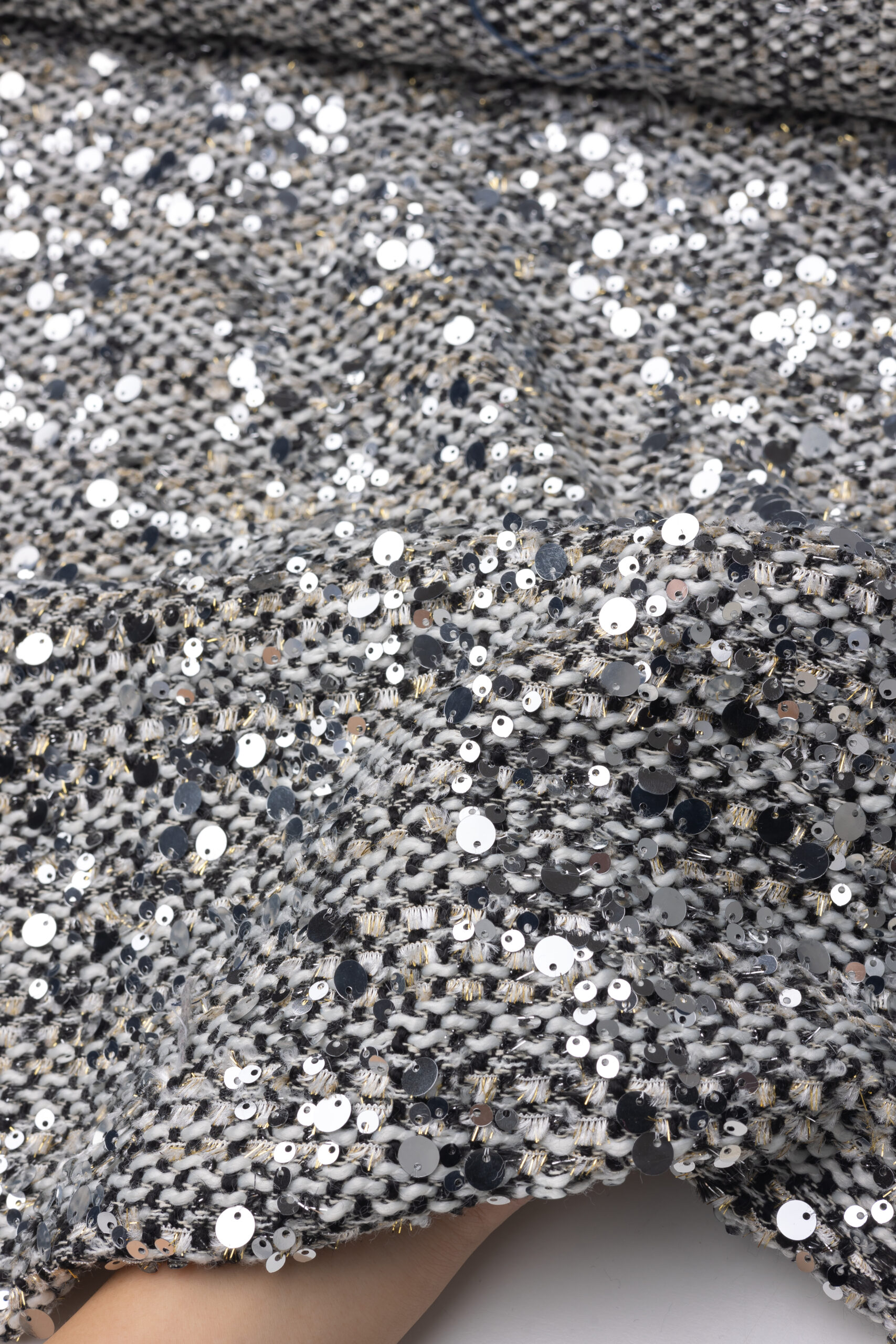
Bouclé loops project from the ground yarn, creating a visibly textured surface. Under stress—bending at seams, cuff wear, or edge abrasion—the loops can loosen or pull, increasing snag risk and thinning at stress points. In durability terms, bouclé typically averages 15,000–18,000 abrasion cycles on a Martindale test, versus 20,000+ for cable knits. The result is a surface more prone to surface snags and pull-outs in high-wear zones. A well-known QC concern with cheaper bouclé is the appearance of stray hairs or “troll hair poofs” that protrude from the texture, especially after multiple washes. Higher-quality bouclé mitigates this only when loops are knitted or woven in rather than glue-backed; glue-backed loops can disintegrate after 3–5 washes.
Cable Knit: Interlocking Loops Create a Tighter, More Abrasion-Resistant Surface
Interlocking loops bind across the fabric, producing a tighter surface that resists snagging and seam slippage. This structural integrity translates to a higher abrasion index—typically 20,000+ cycles in Martindale tests—compared with bouclé. For manufacturing cadence and cost, cable knits win on speed and efficiency: standard cable knit bulk orders (1,000 meters) ship in about 4–6 weeks, while bouclé orders run 6–8 weeks. Cost wise, bouclé production is 15–25% higher due to specialized looms and greater yarn waste (2–3% vs 1% for cable knit). These dynamics make cable knit the reliable backbone for outerwear while bouclé serves as the premium texture in controlled, smaller runs.
Troll Hair Poofs: The QC Challenge and How We Mitigate It
The term “troll hair poofs” describes stray bouclé hairs that shed and protrude, creating a perceived jitter in the surface finish. This is more common with lower-cost bouclé that relies on looser loop structures or glue-backing. Countermeasures include using knitted or woven-in loops and rigorous finishing. At Fursone, we mitigate shedding with a thermal fusion backing that reduces shedding by about 90% versus standard glue-backing, plus dedicated post-weave finishing and pre-shrink routines to stabilize loops through 3–5 washes. For Fall 2025 collections, this means you can achieve the luxe look of bouclé with far lower risk of surface poofs and pilling, especially when paired with our in-stock or custom knit options.
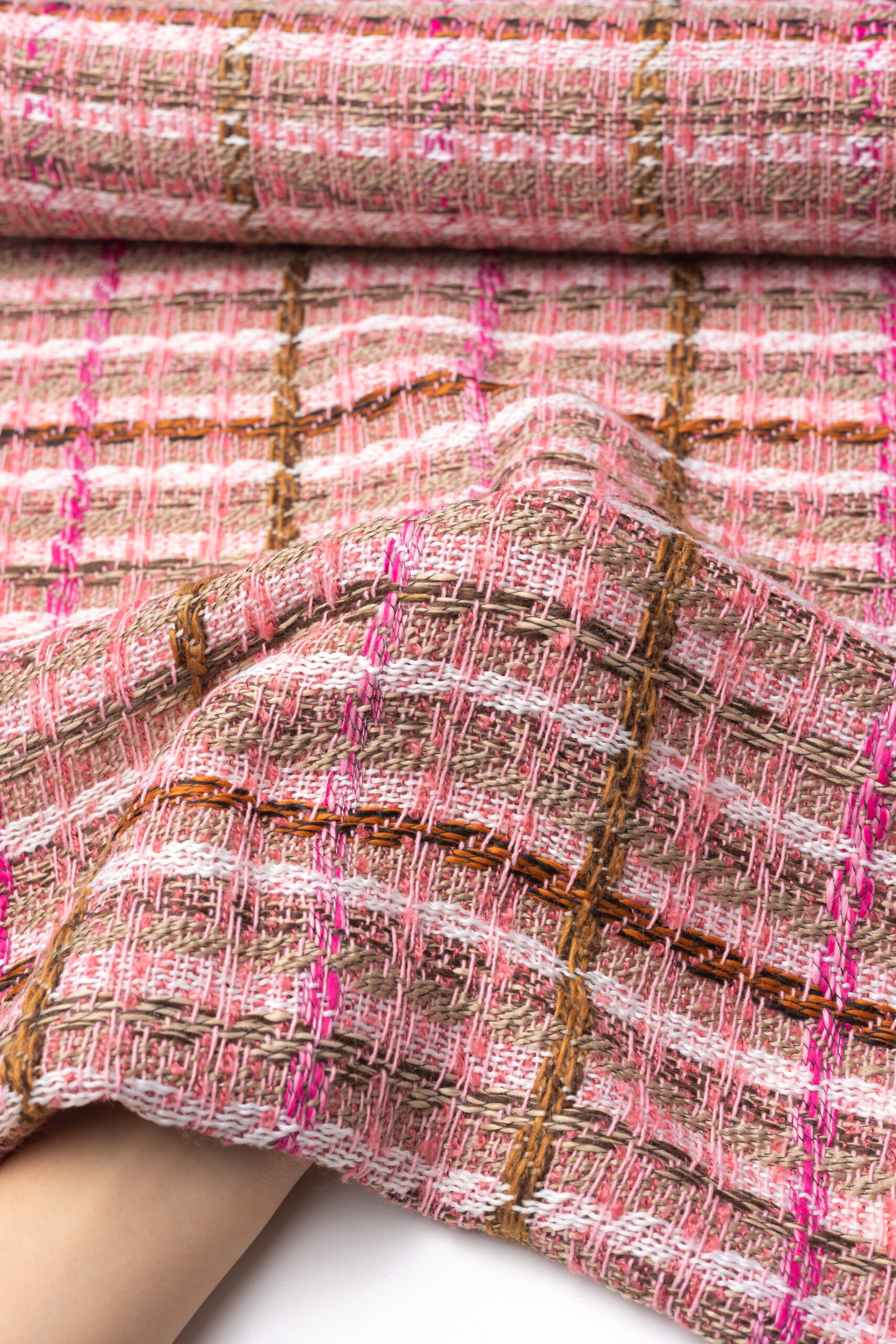
Cost Analysis: MOQ, Sample Fees & Hidden Costs
The real cost of bouclé isn’t just the per-yard price. It’s the 2-3% yarn waste, the cutting floor defect rate, and the capital locked into a 5000m Italian MOQ.
The Per-Meter Reality Check: Generic Cable Knit vs. Custom Bouclé
Let’s put hard numbers on the table. For a standard Fall 2025 outerwear weight, a generic cable knit in a cotton or merino wool blend runs between $8 to $15 per meter. A custom tweed-style bouclé with a consistent 2-ply loop structure—the kind that actually holds up in a Chanel-style jacket—sits between $12 to $25 per meter. That 30-50% premium isn’t arbitrary. It’s driven by specialized looms, higher yarn waste (2-3% for bouclé vs. 1% for cable knit), and the slower production speed required to maintain loop integrity.
The Hidden Cost of Bouclé: Cutting Floor Defects
The price tag on the bolt is only half the story. Bouclé’s exposed loop structure makes it inherently more fragile during garment construction. Our production data shows that bouclé typically has a defect rate of 4-6% during cutting, compared to less than 2% for cable knit. Those ‘fly-away’ hairs and loop distortions mean more fabric waste per garment, more seam slippage rejections, and higher labor costs for pattern matching. A designer who budgets $15/m for bouclé but loses 6% to cutting waste is actually paying closer to $16/m effective cost. Cable knit’s structural integrity gives it a real, if invisible, margin advantage.
Fursone’s 1000m Custom MOQ: Breaking the Italian Mill Barrier
The most punishing hidden cost for a small-to-mid-size brand is inventory risk. Traditional Italian mills that produce premium bouclé typically demand a 5000-meter minimum order quantity. For a Fall 2025 capsule of three styles, that means locking $60,000 to $125,000 into a single fabric before you’ve sold a single garment. Fursone’s 1000m Custom MOQ cuts that capital exposure by 80%. You’re not gambling on five seasons of demand; you’re committing to one. And if you need a test run or a small capsule, our 100m in-stock option ships in 3-7 days, letting you validate the market before scaling.
Affordable Luxury: 30-50% Less Than European Mills
We don’t claim to be cheaper than commodity Chinese mills. We claim to match the quality of a €25/m Italian bouclé for 30-50% less. That price delta comes from our vertical integration in Wenzhou—we spin our own yarns, operate precision knitting machines for consistent loop structure, and handle finishing in-house. You’re not paying for a middleman or a brand markup. You’re paying for a fabric that passes OEKO-TEX Standard 100 certification and, for our synthetic bouclé yarns, GRS certification. The result: a bouclé that looks like a €20/m European import but lands in your studio at $12-15/m, with a 1000m MOQ that doesn’t require a bank loan.
| Aspect | Details | CostImpact | LeadTimeImpact | HiddenCosts |
|---|---|---|---|---|
| In-Stock Availability | 100M meters in stock; ready stock ships in 3-7 days. | Minimal; no MOQ for stock items. | Fastest path to sampling and initial orders. | None for stock items. |
| Custom MOQ | 1000m minimum order quantity for bespoke textures. | Higher upfront capital; enables exclusive textures and predictable pricing per run. | May extend lead times due to setup and woven-in textures. | Capital lock-in; potential dyeing and customs surcharges. |
| 7-Day Rapid Sampling | 7-day swatch sampling from concept to physical sample. | Sampling costs may apply; evaluate against speed-to-market. | Speeds design validation and approval cycles. | Sample fees (if any) and expedited shipping. |
| Lead Time Variability by Fabric Type | Cable knit bulk orders: 4-6 weeks; Bouclé bulk orders: 6-8 weeks. Customs and dyeing add time. | In-stock orders avoid this delay; custom orders face longer cycles and potential rush charges. | Custom orders impact overall collection schedule. | Delays from customs/dyeing; possible surcharge for rush processing. |
| Cost Differential: Bouclé vs Cable Knit | Bouclé production costs are 15-25% higher due to specialized looms and higher yarn waste (2-3% vs 1% for cable knit). | Bouclé carries a premium; budget accordingly. | Bouclé tends to have longer lead times than cable knit. | Higher material cost; potential shedding issues if lower-quality backing is used. |
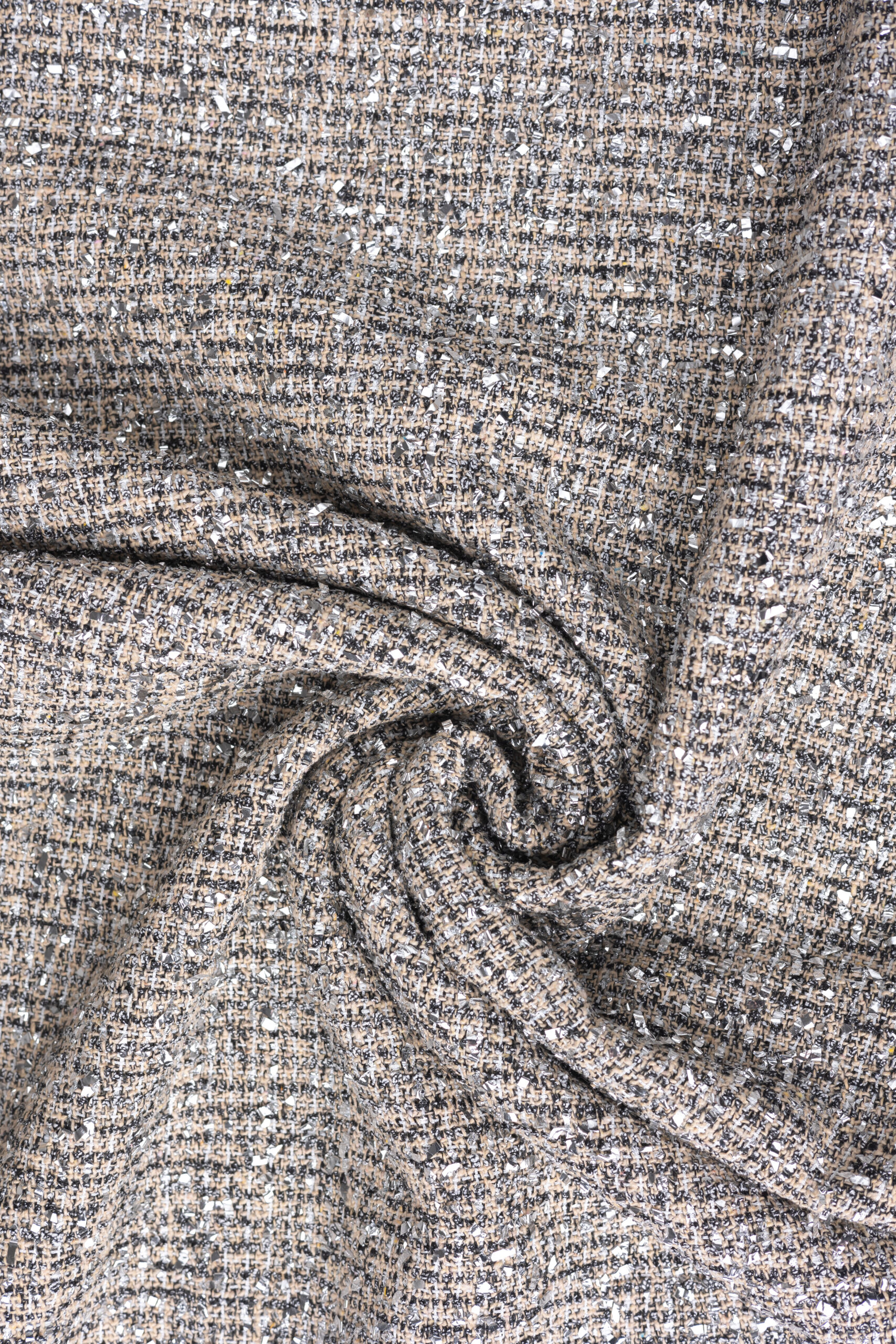
Sourcing & Lead Times: From Swatch to Bulk
Key Takeaway: 7-day rapid sampling covers both fabrics; bulk lead times diverge because bouclé weaving and dye-lot control add steps.
7-Day Rapid Sampling: One Week to Swatch for Cable Knit & Bouclé
Speed is built into our sampling workflow. For both cable knit and bouclé, our 7-day rapid sampling moves from concept to physical swatch in one week, so design teams can compare textures, confirm hand feel, and validate color before committing to a bulk run. The process uses standardized swatch templates and pre-approved yarn setups to keep timing predictable and decisions fast.
Bouclé requires longer weaving process and separate loop-yarn sourcing
Bouclé is structurally more complex: it uses a two-ply yarn structure (ground + loop) and often requires sourcing loop-yarn from a separate supplier. This adds weaving setup time and coordination overhead. For bulk orders (1000m), bouclé lead times typically run 6–8 weeks, versus 4–6 weeks for cable knit. Customs and dyeing steps add time to both textures, but bouclé’s supply-chain fragmentation is the main delay driver.
Cable knits can be produced faster on standard knitting machines
Cable knits benefit from mature, high-speed knitting lines and simpler construction. For 1000m bulk orders, lead times are typically 4–6 weeks, enabling quicker market entry for Fall 2025 collections. Typical specs in our catalog: 140–150 cm width and 250–350 gsm, with yarn-dyed 100% cotton or merino wool blends providing predictable hand feel and drape.
Bouclé carries higher risk of dye-lot variation due to two-yarn structure
The two-yarn loop structure means ground and loop yarns can absorb dye differently, increasing dye-lot variation risk across runs. Mitigation requires upfront color approvals across multiple swatches and, where possible, consolidating production to a single dye lot for bulk. We oversee color consistency through controlled dye processes and color-matching protocols. For transparency, OEKO-TEX Standard 100 certification covers both cable and bouclé production, and GRS is available on request for specific synthetic bouclé yarns. Our precision knitting facilities in Wenzhou support consistent loop structure to minimize surprises down the line.
Fall 2025 Application: Jackets, Coats & Suiting
For Fall 2025 outerwear, cable knit is the structural workhorse; bouclé is the high-risk, high-reward statement piece. The wrong choice leads to returns or production delays.
Cable Knit for Fitted Jackets, Tailored Coats, and Cardigans
If your Fall 2025 sketch calls for a fitted jacket with clean shoulders or a tailored coat that holds its shape without a separate interlining, cable knit is your default. At 250-350 gsm with a yarn-dyed structure, cable knit offers the drape and recovery that bouclé cannot match. We have seen designers lock into bouclé for a structured blazer only to find the fabric buckles at the armhole seam after three wears. Cable knit handles 20,000+ abrasion cycles on the Martindale test — that is 25-30% more wear resistance than the average bouclé. For a cardigan that needs to stretch and return to shape, the cable knit’s inherent elasticity eliminates the need for elastic thread or rubberized waistbands. Our standard cable knit in 100% merino wool blends ships in 3-7 days from our 100m in-stock program, and a 1000m custom run takes 4-6 weeks.
Bouclé for Soft, Deconstructed Blazers, Oversized Coats, and Sleeveless Vests
Bouclé belongs on garments where structure is not the priority. An oversized coat or a deconstructed blazer benefits from bouclé’s 300-450 gsm weight and soft hand feel — the fabric drapes over the body rather than standing away from it. But here is the insider truth most blog posts skip: bouclé’s exposed loops make it prone to snagging. We measure this at 15,000-18,000 abrasion cycles, which is acceptable for a sleeveless vest or a coat worn over a base layer, but risky for a fitted jacket that sees daily friction against handbags or car seats. The real QC failure is shedding. Cheap bouclé uses a glue-based backing that disintegrates after 3-5 washes. Our thermal fusion system reduces shedding by 90% compared to standard glue-backing. If you are sourcing affordable bouclé fabric wholesale under 100m, verify the backing method before cutting. A 1000m custom bouclé order takes 6-8 weeks due to the specialized looms and 2-3% yarn waste — plan accordingly.
Hybrid Proposal: Cable-Knit Body with Bouclé Sleeves or Collar Panels
This is where you get both texture and durability without compromising the garment’s lifespan. Use a cable knit for the body of a jacket — the part that takes the most stress from arm movement and seating friction — and reserve bouclé for the sleeves, collar panels, or pocket flaps. The cable knit provides the structural integrity for the core garment, while the bouclé delivers the visual texture that sells the piece. We have produced this hybrid for brands that want the Chanel-style aesthetic without the snagging complaints. The key constraint is seam slippage at the junction point. Our precision knitting machines in Wenzhou maintain consistent loop tension across both fabric types, so the seam between cable knit and bouclé does not pucker or gap after the first wash. This hybrid approach also reduces your material cost: the bouclé portion is typically 25% of the total fabric yardage, cutting your bouclé spend by 15-20% while keeping the high-end look. For a designer testing this concept, our 100m in-stock option lets you sample both fabrics side-by-side before committing to a 1000m custom run.
Durability & Care: The Reality Check for Garments
Cable knits deliver structure with fewer care constraints; Bouclé offers luxe texture but demands selective care—our thermal fusion backing minimizes shedding for high-wear garments.
Cable knits care basics: machine washability and flat drying
Cable knits generally tolerate a gentle cycle wash and lay-flat drying, especially for natural fiber blends like merino wool or cotton blends. Use cold water, mild detergent, and reshape while damp to preserve stitch integrity. Avoid high heat in the dryer; air-dry flat on a clean surface. For production swatches, run a wash test to confirm no distortion before bulk orders.
Bouclé care: dry-clean or hand-wash to protect loops
Bouclé loops are sensitive to agitation; aggressive washing can distort loops and cause shedding. Dry-clean is common in fashion production, or hand-wash with cold water, gentle detergent, minimal agitation, and lay flat to dry. Avoid tumble drying and high heat; repeated washing can cause pilling and loop distension. Some lower-cost bouclé uses a glue-backed backing that can fail after 3-5 washes, leading to shedding; higher-quality bouclé uses knitted or woven-in loops and lasts longer. To minimize shedding in continuous production, our thermal fusion backing reduces shedding by up to 90% versus standard glue-backing. If synthetic bouclé yarns are used, GRS is available on request. All Fursone cable and bouclé fabrics carry OEKO-TEX Standard 100 certification.
Right-side texture: bouclé orientation matters; avoid sewing on the wrong side
Bouclé texture is highly orientation-sensitive; the right side is typically the face with more defined loop direction, and sewing on the wrong side can distort texture or cause snagging. Mark the correct orientation on cut panels and verify with a swatch before sewing. To protect texture across batches, our QC workflow enforces a texture-orientation protocol, and our process includes a thermal fusion backing to lock loops in place, reducing shedding versus glue-backing.
Cable knits: why orientation matters less, but seams still demand discipline
Cable knits have a more stable loop geometry, so texture integrity is less dependent on which side is sewn. Still, improper feed direction or seam allowances can cause subtle puckering or seam slippage in outerwear. Use proper stand-off on the feed path and align stitch direction with knit structure. Fursone’s precision knitting machines maintain a consistent loop structure across the fabric, delivering reliable performance for Fall outerwear or multi-season capsules.
Conclusion
Cable knit delivers durable structure for outerwear, with strong abrasion resistance and dependable drape. Bouclé offers a luxe, textured finish, but loops can snag and shedding may occur unless backing and finishing are expertly managed. Fursone backs both paths with 100 meters in stock and 1,000 meters for custom textures, plus seven-day sampling and three-to-seven day shipping; our thermal fusion backing reduces bouclé shedding by 90% versus traditional glue-backing.
Visit our Knit Fabric Pillar Page to compare textures side by side and request swatches. You can start with a sample pack to evaluate hand feel and durability before committing to production.
Frequently Asked Questions
Is bouclé out of style 2025?
Not at all. Bouclé continues to anchor Fall 2025 luxury tailoring, with Chanel-style bouclé and heritage textures remaining highly sought after. As a direct source for Chanel-style bouclé and heritage cable knits, Fursone observes strong ongoing demand across ready stock and bespoke programs. Our 100M meters in stock, 3–7 day ship times, and 7‑day rapid sampling let brands capitalize on bouclé momentum without supply-chain delays. In short, bouclé is a core, enduring aesthetic for premium knit and tweed looks this season.
What are the disadvantages of bouclé fabric?
Bouclé fabrics, while luxurious, bring maintenance challenges and cost considerations. The looped yarns can snag on jewelry and rough surfaces, and bouclé surfaces tend to shed fuzz and pills more easily than smooth knits. They also require careful tailoring to preserve the texture and can be bulkier, which can affect drape and fit. From the Fursone perspective, you can mitigate supply-chain risk with our 100M stock, 7‑day sampling, and 1000M custom solutions to select stable bouclé options and finish levels.
Are bouclé jackets in fashion in 2025?
Yes. Bouclé jackets remain a prominent element of Fall 2025 luxury wardrobes, expanding beyond traditional tweed to Chanel-inspired silhouettes and refined knit versions. As a direct source for Chanel-style bouclé and heritage knits, Fursone supports brands wanting this look with ready stock and rapid bespoke options. Our 100M meters in stock ship in 3–7 days, and our 7‑day rapid sampling accelerates collection timelines, helping brands stay on trend. The result is a perennial luxury staple that translates well into jackets and outerwear this season.
What is the cost difference between cable knit and bouclé fabric for a jacket?
Generally, bouclé fabrics command a higher per-meter cost than standard cable knits, due to boucle yarn complexity and the textured surface. The gap varies by fiber, weight, and finish, but a typical range is roughly 10–40% higher for bouclé on comparable constructions. With Fursone, brands access premium European mill quality at 30–50% less than traditional mills, and can source either ready stock (100M) or bespoke textures (1000M MOQ) to optimize cost. A precise quote depends on your spec, but the production options we offer minimize risk and time-to-market.
Can cable knit fabric look as ‘luxury’ as bouclé?
Absolutely. High-grade cable knits, especially in premium wool or cashmere blends with refined gauge and meticulous finishing, can project a luxury aesthetic on par with bouclé. Fursone specializes in heritage cable knits alongside Chanel-style bouclé, delivering an artisan look with seamless manufacturing. Our 7‑day rapid sampling and 3–7 day stock shipments help brands verify luxury textures quickly, while 100M stock and 1000M bespoke programs unlock scalable, luxury-grade cable knits at attractive margins. With the right fiber mix and finishing, cable knits can achieve a premium, couture-like feel.