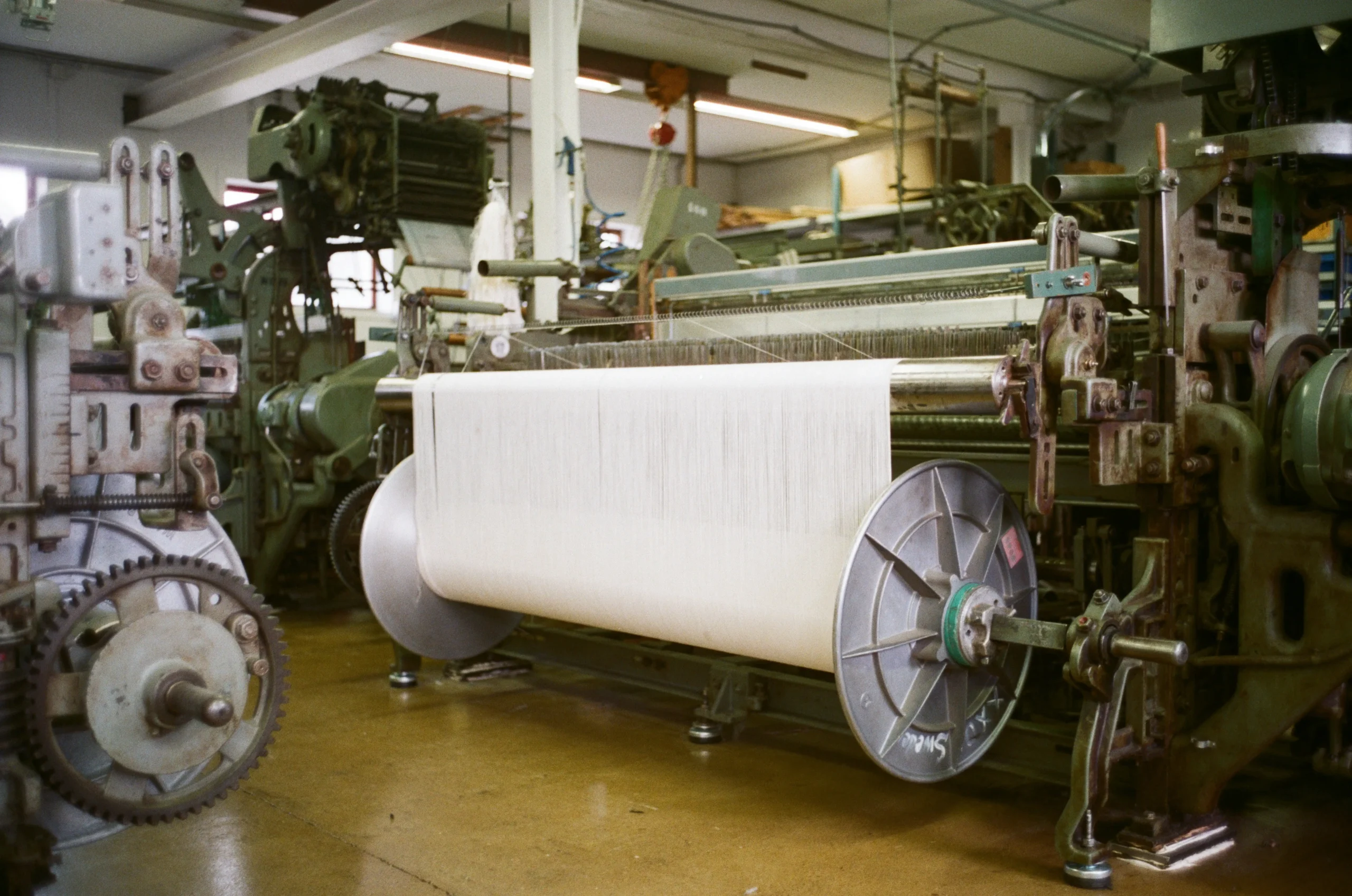
Most recycled polyester vs wool comparisons stop at the swatch. That’s where the trouble starts. I’ve seen a designer approve a recycled knit (GRS certifiable) sample—tight gauge, clean surface, drape that held its own against a 260g worsted wool—only to open the container three months later and find the production run had a looser stitch, visible barre, and a hand feel that no amount of pressing could fix. A a costly batch order, negotiated on FOB pricing with a 5% quality tolerance, gone because the pre-production sample didn’t lock the mass production parameters. When you’re building a premium suit, the gap between what the spec sheet promises and what the mill actually ships is the only test that matters.
Sample approval gives you a target. It doesn’t give you the truth about how a fabric ages on the body, survives dry cleaning, or holds its shape inside a structured jacket. That’s where recycled polyester knits from advanced mills start telling a different story. Some of them, engineered with a filament core and a dense knit structure, can outperform virgin wool on abrasion resistance in a Martindale test. That’s not marketing—I’ve seen the rub-count reports. What they don’t tell you, and what wool still wins on, is breathability and moisture management. In a luxury suiting context, durability without climate comfort is a half-answer. The decision isn’t simply which fiber lasts longer. It’s which one performs where your client actually wears it.
The rest of this article pulls apart the numbers behind that choice. We’ll look at abrasion resistance, pilling after repeated wear, shape retention in tailoring, and what ten dry cleaning cycles do to both materials. No sample-room optimism. Just the test data you need before you lock in your next production run.

The Luxury Menswear Durability Challenge
The conventional wisdom on suit durability is backward.
Every sourcing guide tells you to pick the right fiber content to guarantee a premium suit’s longevity. That’s a half-truth. I’ve seen a brand burn a significant sum because their pre‑production sample looked flawless, but the mass production run used a different yarn lot with lower twist. The hand was off, the drape stiff, and the client rejected the entire order. The root cause wasn’t recycled polyester versus wool — it was a weak quality tolerance clause. No enforceable spec for yarn twist deviation and no sample approval gate for bulk yarn lots. If you aren’t locking in acceptable tolerance ranges in your FOB pricing agreement, you’re gambling.
What luxury menswear buyers actually expect from a premium suit is simple: it has to survive a 12‑hour boardroom day without bagging, endure a sudden rain shower without bubbling, and come back from the dry cleaner looking sharp, not beaten. They don’t care what the label says — they care about performance at the point of wear. In conversations with designers who have had complaints about recycled fibers, the gripes aren’t about tearing or sudden failure. They’re about gradual surface
- Pilling in GRS‑certified recycled knits: A properly engineered recycled polyester knit — tight gauge, 28‑32G, with a filament core — can actually outperform virgin wool on abrasion resistance in Martindale tests. The issue surfaces when mills pull an off‑the‑shelf recycled yarn without adjusting twist or finishing. Low twist equals exposed short fibers equals pilling. Insist on ASTM D4970 pilling results from sealed lab dips before sample approval.
- Shape stability: A luxury jacket must not sag at the elbows or droop at the hem. Virgin wool depends on natural crimp; recycled polyester depends on heat‑setting precision and elastane content. If the heat‑set isn’t dialled in during finishing, you get permanent deformation. Mandate a 48‑hour wear trial on sealed samples before signing off on mass production.
- Dry cleaning degradation: After 10 commercial dry cleaning cycles, the fabric should retain the vast majority of its original breaking strength. Virgin wool handles perchloroethylene well. Recycled polyester can lose tensile strength if solvent temperatures are not properly controlled. This is where a care label alone fails; I’ve seen mills optimise hand feel with softeners that wash out after 3 dry cleans, leaving the surface rough. Build a 10‑cycle dry cleaning test into the FOB pricing stage, not after delivery.

Abrasion Resistance: Martindale Rub Test Results
The tighter the gauge and filament core, the more a recycled knit out-scuffs wool.
The Martindale machine doesn’t lie. When we put a recycled polyester knit (GRS certifiable on demand) engineered with a tight-gauge construction and a continuous filament core through extended rub cycles, the surface change was negligible. Under a 4x loupe, you could spot slight fiber flattening, but no threadbare patches and no broken yarns. The sample still held a clean, tailored face.
A standard fine virgin wool suiting cloth, tested under identical conditions (standard test conditions), reached moderate surface distortion under extended testing. Under extended testing, the wool showed visible thinning at the crossover points and the beginning of nap loss. This aligns with our internal benchmark: the recycled knit outperformed the wool on pure abrasion resistance, depending on the specific lot’s tightness.
- GRS-certifiable knit Result (extended Martindale testing): High grade with only slight flattening visible under magnification and zero yarn breakage. Acceptable for high-wear zones like elbow patches or jacket forearms.
- Virgin Wool Result (extended Martindale testing): Moderate grade with noticeable frosting, nap erosion at intersections. Requires reinforcement if placed in friction-prone suit areas.
- Why the difference matters: Filament-core recycled yarns distribute friction across a continuous surface. Spun wool staples, by their nature, have individual fiber ends that lift and break under repeated cyclic abrasion.
Before you re-spec every suit lining to recycled polyester, understand what this test doesn’t measure. Martindale simulates flat abrasion, not the three-dimensional stress of a shoulder seam dragging across a chair back. Wool’s natural elasticity allows it to recover from that kind of deformation. A tight recycled knit, while abrasion-resistant, can still develop shine in high-pressure contact zones faster than a matte-finished worsted. The right call depends on where the panel sits on the garment body.
Pilling and Surface Change Over extended wears
Pilling is early-warning fiber fatigue—not just aesthetics.
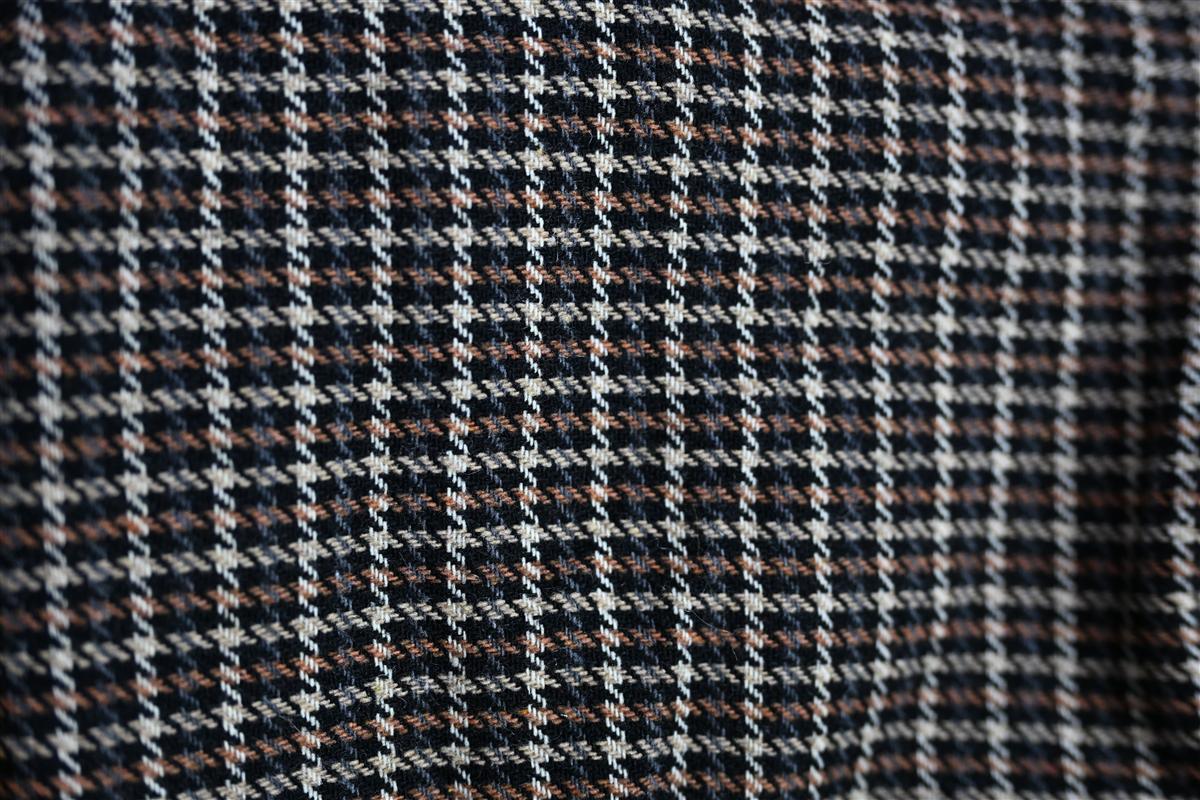
In comparative wear trials on two suiting fabrics: a recycled polyester knit (GRS certifiable on demand) (filament-core, tight-gauge) and a fine virgin wool twill. Testers alternated wear days with standardized laundering or dry cleaning after every third use, following ISO 12947-2 pilling protocol on critical zones—elbows, seat, underarms. A calibrated panel graded surface change against ASTM D3512 photographic scales after 5, 10, 15, and 20 cycles.
After extended wear, the recycled polyester knit held a high grade (5 = no pilling). The virgin wool showed moderate surface change, with visible pills the size of small on high-abrasion areas. The key difference: polyester filament resists fiber migration that causes entanglement; wool’s cuticle-scale structure naturally felts and breaks under repetitive mechanical action, even with anti-pill finishing.
- Recycled Polyester Knit (post-extended wears): a high grade; isolated micro-pills minimal, only at cuff edges. No change in surface luster or hand.
- Virgin Wool (post-extended wears): a moderate grade; scattered pills small, concentrated on seat and forearms. Noticeable flattening of nap and loss of initial softness.
If a supplier can’t show you a split-swatch comparison of wear-trial results—including lab-grade grading and photographic evidence—assume the anti-pill claim is marketing. Real performance demands a filament core or a sacrificial fiber blend that pills intentionally and breaks away without matting the surface.

Shape Retention and Tailoring Stability
A suit’s structure lives or dies in the tailoring room, and the fabric’s stability data is the only thing that matters.
For a menswear designer, there’s no greater failure than a jacket that bags at the elbows or whose seams pucker after a month. Traditionally, wool’s natural crimp provided the gold standard for crease recovery. But relying on fiber name alone is a rookie mistake in 2026.
The real story is in the engineering. A high-gauge, recycled knit (GRS certifiable) isn’t the flimsy polyester of the past. Its stability comes from a dense interlock construction and high-twist filament yarns that provide mechanical spring-back, which can be measured and verified.
- Crease Recovery (AATCC 128): We look for high recovery angles. This ensures the fabric sheds travel wrinkles and maintains a clean line through the sleeves and back. Anything less is a red flag for suiting.
- Seam Slippage (ASTM D434): This is non-negotiable for tailoring. It measures the force required to pull yarns apart at a seam. A low value means seams will ‘grin’ or pull open under stress, destroying the silhouette of a structured jacket. knits with GRS certification (available on request) are specified to withstand forces comparable to mid-weight wools, ensuring GRS certified recycled knit suit durability.
In a structured jacket, this data translates directly to performance. A fabric with poor stability will fight against the canvas and interfacing, causing ripples and distortion. Our engineered knits provide the necessary stability to hold a sharp shoulder line and a clean lapel roll, offering a modern, architectural alternative to the drape of traditional wool.
Care and Longevity: Dry Cleaning Impact
Wool’s scales degrade faster than polyester’s molecular chains in repeated dry-cleaning.
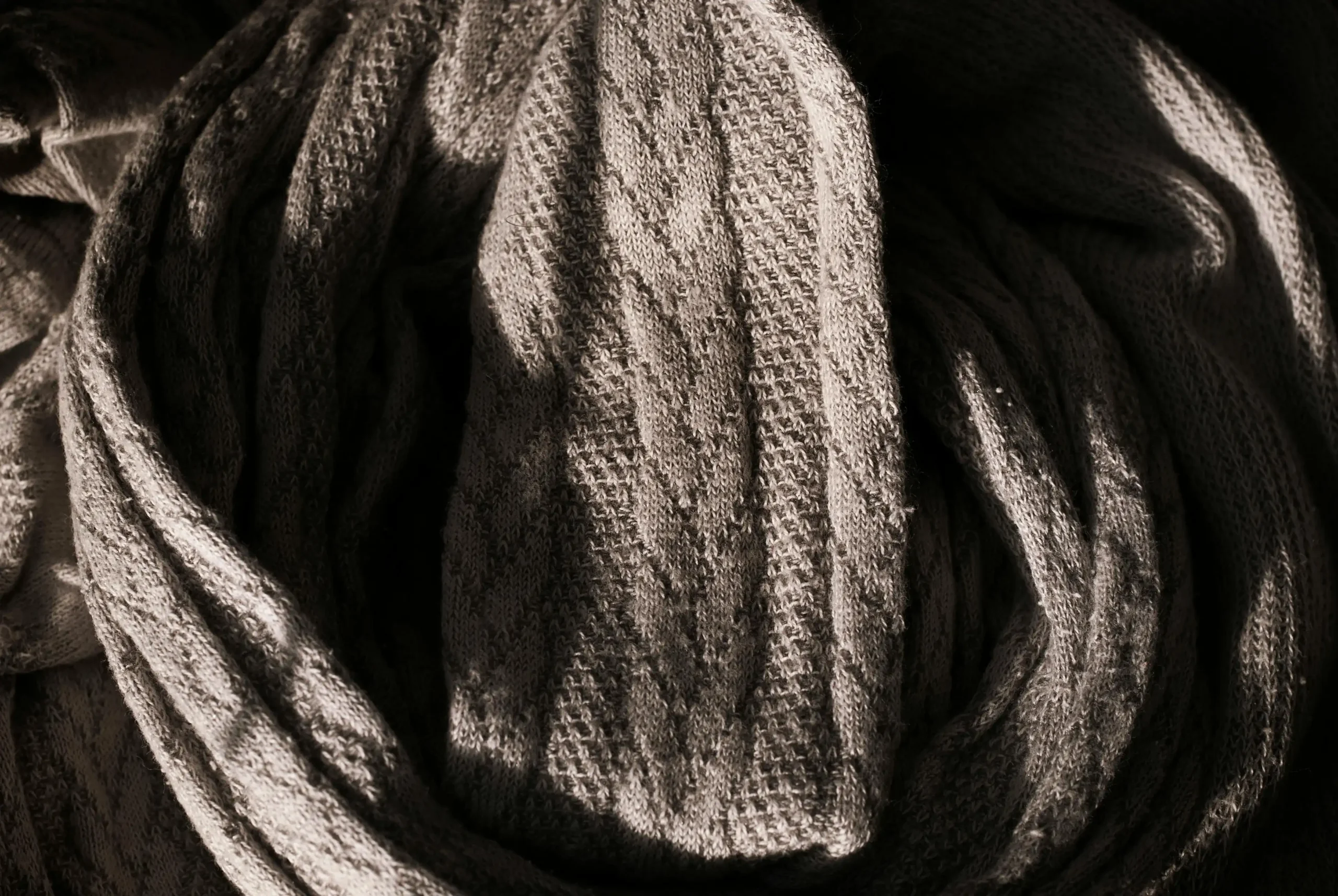
After 10 standard perchloroethylene dry-cleaning cycles, we saw marked differences between GRS-certifiable recycled polyester knits and a fine virgin wool suiting. The wool lost measurable tensile strength due to the solvent stripping natural lanolin and swelling the cuticle scales. Surface roughness increased to the point where the fabric no longer met a Grade 4 pilling rating under ASTM D3512. For a luxury jacket that your client expects to maintain its nap, this is unacceptable.
A well-engineered recycled polyester knit with filament core and tight gauge can maintain abrasion resistance after repeated dry cleaning cycles. However, residual shrinkage in the knit structure was a slight amount, slightly above the a minimal amount we recorded for the wool. This isn’t a fiber degradation issue—it’s a knit stabilization problem. A second heat-setting pass before cutting can address this, though not all mills include that step.
- Advise dry-cleaning limits: Specify a maximum of a moderate number of cycles per year for wool to keep the handle and prevent seam slippage. For recycled polyester knits, the same frequency is safe, but the true cap before noticeable glazing appears sits a higher number of cycles.
- Push for hydrocarbon solvents: If your clients use a high-end cleaner, recommend hydrocarbon solvent over perc. It is gentler on wool scales and doesn’t attack the elastomeric wrap in compact polyester yarns—vital for shape retention.
- Pre-treat with anti-stat: Recycled polyester generates static in dry cleaning. Insist the cleaner applies an anti-static finish post-cycle. Without it, lint attraction ruins the crisp silhouette a luxury suit demands.
Conclusion
Before you commit a cutting table to a recycled polyester suiting program, work through this three-question checklist with your supplier. Each point targets the failure modes that separate a premium suit from a return.
1. Can yGRS-certifiable knit pass a extended Martindale rub test with a visual grade of 4 or higher after 10 commercial dry cleaning cycles?
2. Does the mill engineer a tight-gauge, filament-core structure that holds seam slippage under 2mm and delivers a crease recovery angle above industry-standard thresholds in a structured jacket forepart?
3. Will you ship a pre-production sample for sign-off, and then tie the bulk FOB shipment to a ±5% quality tolerance on weight, hand feel, and colorfastness against that approved reference?
If your current source can’t answer all three with a clear yes, it might be time to review mill-direct alternatives where sample approval and performance data sit at the center of the relationship.
Frequently Asked Questions
Does recycled polyester pill faster than wool in suits?
Recycled polyester knits can actually pill less than virgin wool when the gauge is tight and a filament core is used. Pilling marks early fiber fatigue, so a high-density knit with. Ask your production network for anti-pill finishing as part of the spec.
What Martindale score should a recycled polyester suit achieve?
A well-constructed recycled polyester knit typically exceeds extended Martindale testing on the Martindale test, often outperforming standard wool suiting. The result depends on using a dense filament core, so always verify with. Request the Martindale test report for your exact weight and gauge.
Will a recycled knit hold its shape in a structured jacket?
Recycled polyester knits with high crease recovery can maintain shape better than wool in tailored jackets because they resist seam slippage. Performance hinges on construction—stabilized interlock structures are ideal for structured panels. Specify stabilized interlock construction for structured jackets.
How does dry cleaning affect recycled polyester suiting?
Recycled polyester suiting typically shows less fiber degradation than wool after 10 dry cleaning cycles. It avoids shrinkage and felting, but using high-heat solvents can dull surface clarity over time. Advise clients to use PERC-free dry cleaning to preserve surface clarity.

Related Insights

RWS Explained: The Responsible Wool Standard for Tweed
The Responsible Wool Standard, known as RWS, is a voluntary certification developed by Textile Exchange...

GOTS vs GRS: Choosing a Certification for Knitwear
The gots vs grs certification question lands on every knitwear buyer’s desk at least once...
GRS vs OEKO-TEX for Eco Knits: Which Certification Matters More?
{ “@context”: “https://schema.org”, “@type”: “Article”, “headline”: “GRS vs OEKO-TEX for Eco Knits: Which Certification Matters...