
A recycled plastic bottle becomes knit fabric through six steps: collection, sorting, washing and flaking, melting into chip, melt spinning into fiber, and knitting the yarn into cloth. Traceability is the paper trail that proves every step happened with verified recycled input. The Global Recycled Standard (GRS) is the benchmark buyers use, and it requires products to contain at least 50% recycled content with chain-of-custody documentation behind each shipment what OEKO-TEX Standard 100 covers and what it does not. This article walks the full path from bottle to roll and lists the documents you should request before you approve a recycled knit.
At Fursone, a Wenzhou mill with ISO, GRS, and OEKO-TEX certification, we source boucle, slub, and chenille yarns from 100% post-consumer PET bottle flakes rather than purchased grey yarn. Our sustainable tweed fabric design program builds recycled content into the same production floor. The walkthrough below reflects how that supply chain is organized and what changes at each step. For a deeper look at dye chemistry and the questions to put to your mill, see our guide on low-impact dyes for wool and knits.
Step 1: Collection and Sorting
The chain starts with used PET bottles: water bottles, soft drink bottles, and food-grade containers collected through municipal recycling, deposit schemes, and commercial collection. Sorting is where recycled quality is decided. Bottles must be separated by polymer type, color, and contamination level, because PET bottle grade differs from PET fabric grade in melt properties. A load that mixes PET with PVC or other plastics degrades the fiber and can fail downstream dyeing. Responsible reclaimers sort to food-grade PET only and reject bottles with heavy labels, adhesives, and non-PET caps.
For buyers, the sorting step is invisible but measurable. Ask your yarn supplier where their bottle flake comes from and whether the reclaimer is audited. The EPA recycling resources explain how municipal plastic recycling streams are organized, and the same discipline applies at industrial scale: verified input, documented volumes, no mystery feedstock.
Step 2: Washing, Flaking, and Melting
Sorted bottles are crushed into flakes, washed in hot water with caustic solution to strip labels and residue, then dried. The clean flakes are melted and re-polymerized or extruded into rPET chip, the raw material that fiber plants buy. This is the step where the bottle physically stops being a bottle. One kilogram of clean PET flake yields close to one kilogram of rPET chip, because the process loses little mass once contamination is removed.
Quality control at this stage shows up later in the fabric. Residual impurities in the melt cause spinneret blockages, uneven denier, and dye uptake differences in the finished knit. A mill that buys chip from a verified reclaimer with test reports per batch keeps those risks low. A mill that buys anonymous chip on spot price cannot tell you what the fiber will do on the dyeing frame.
Step 3: Fiber Spinning and Yarn Making
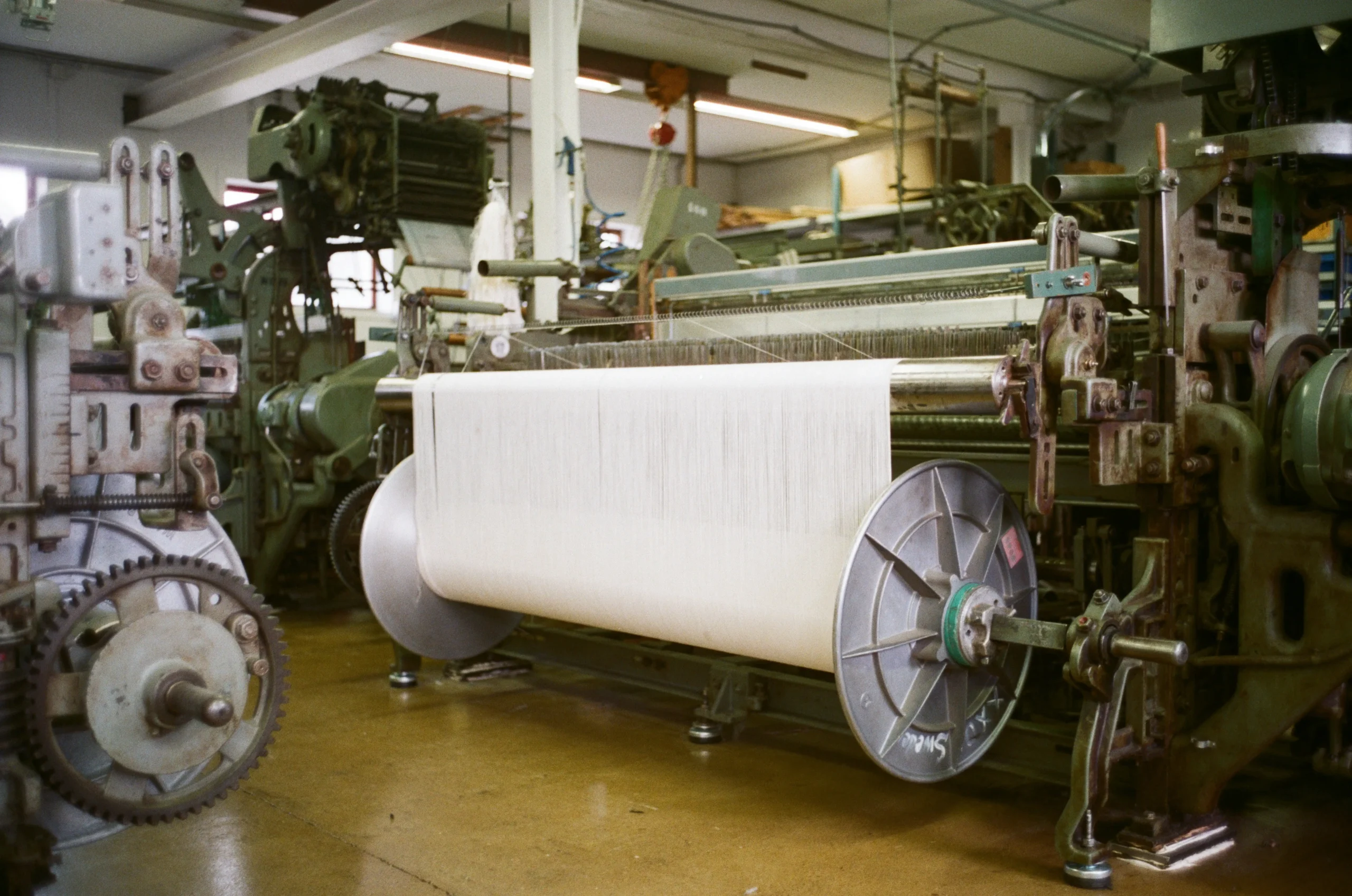
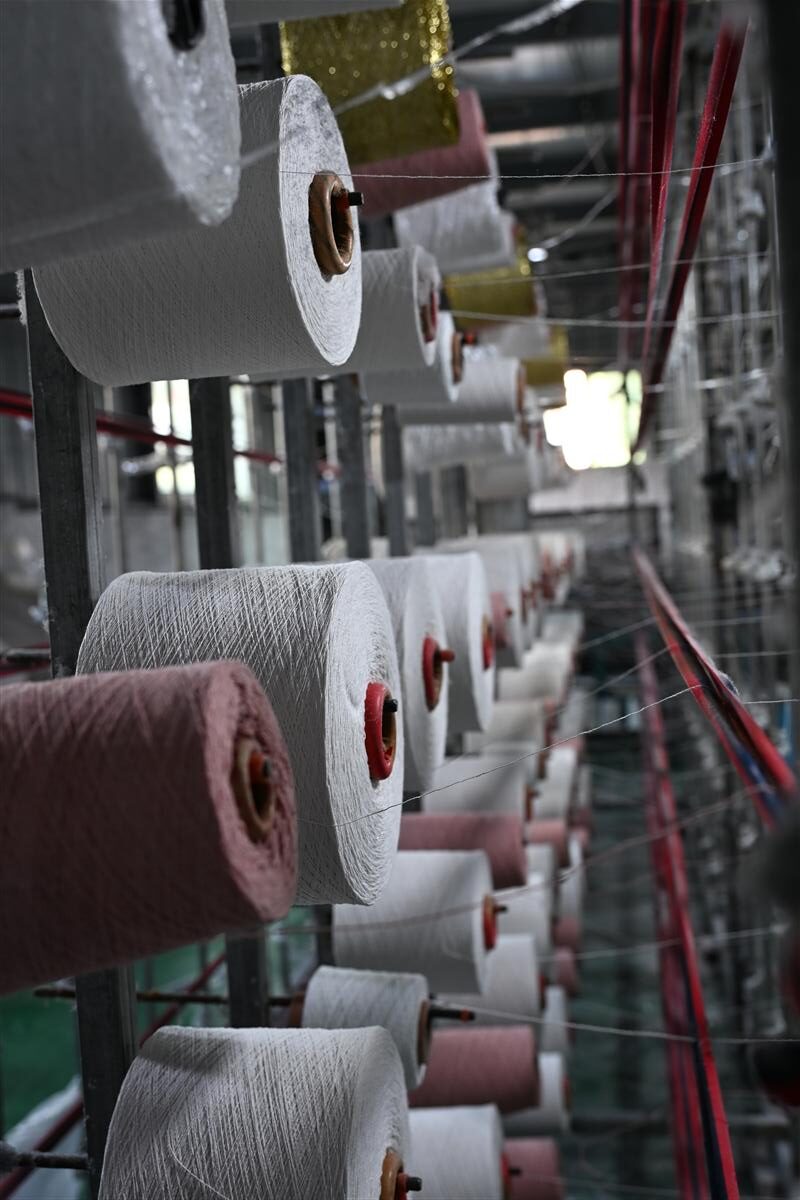
Melt spinning converts rPET chip into fiber. The chip is melted, filtered, and pushed through a spinneret with hundreds of holes, then cooled and drawn. The result is either filament yarn, used directly in knitting, or staple fiber, which is cut into short lengths and spun into yarn on the same machinery that processes cotton and wool blends. For fashion knits, recycled polyester is most often used as filament or as staple in blends where the staple adds bulk and hand.
This is also where the “recycled” claim becomes yarn-level fact. The yarn either contains certified recycled content or it does not, and the percentage is fixed at the spinning stage. Fursone’s GRS certified yarn spinning guide covers how boucle, slub, and chenille constructions are built from 100% post-consumer PET bottle flakes, and how the recycled input is documented from flake to cone.
Step 4: Knitting and Finishing
Recycled yarn goes onto circular or flat knitting machines like any other yarn, then through dyeing and finishing. Dyeing recycled polyester works on the same disperse dye chemistry as virgin polyester, but the dye uptake can vary if the recycled chip has inconsistent intrinsic viscosity. A reputable mill controls this with a test knit before bulk dyeing and holds the fabric to the same colorfastness benchmarks as virgin material.
Finishing also changes the hand. Recycled knit fabric is commonly heat-set, brushed, or napped to remove the slightly stiffer hand that recycled filament can have, and a well-finished rPET knit is indistinguishable from virgin European mill quality by hand feel. The risk in this step is not the fiber, it is the quality tolerance clause. Recycled polyester knit programs fail most often when the pre-production sample does not lock mass production parameters, not because the fiber is inferior.
The Traceability Paper Trail
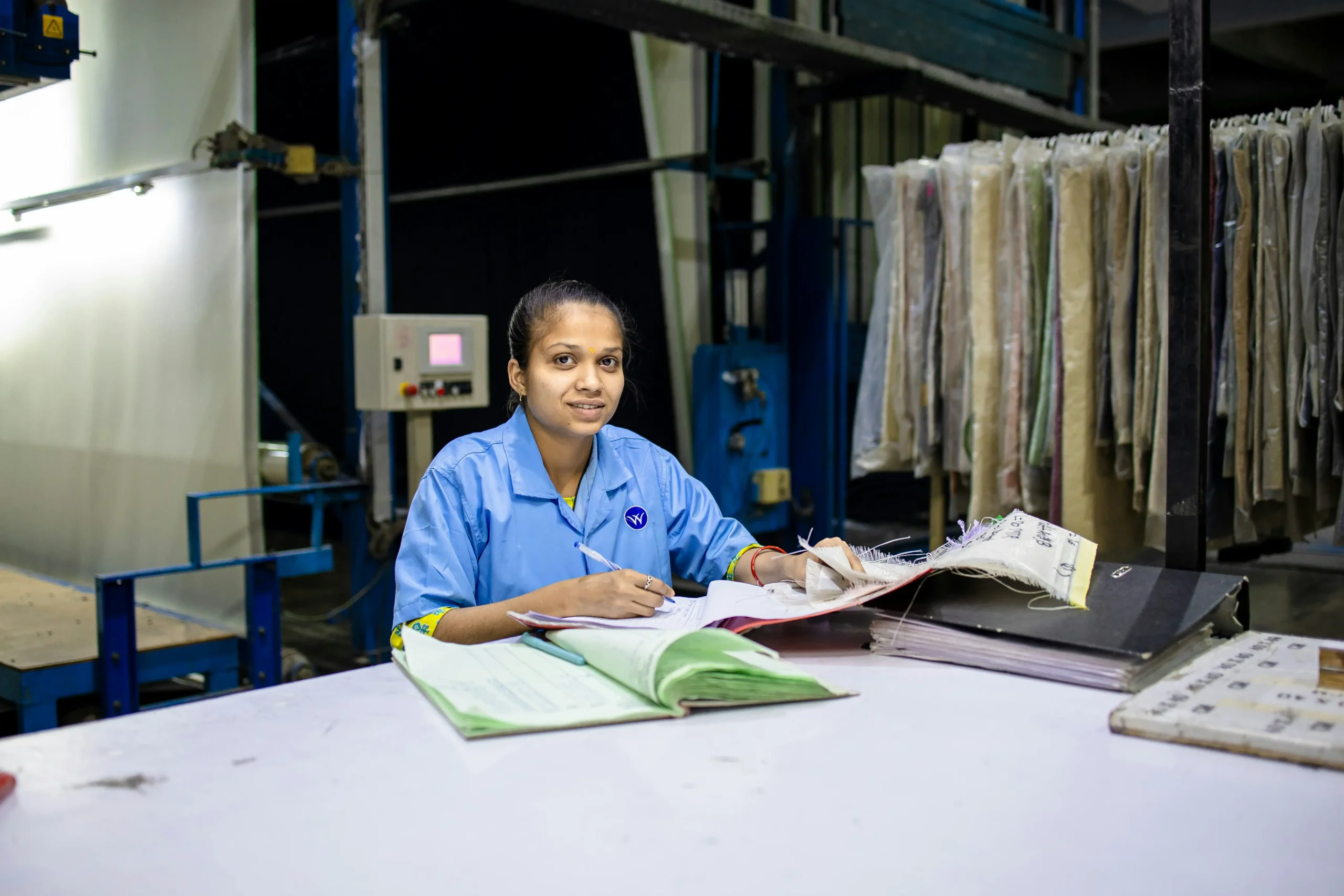
Traceability is not a marketing story, it is a document chain. Under the Global Recycled Standard, every certified company in the supply chain is audited, and every shipment of certified goods carries a transaction certificate (TC) that states the recycled content percentage and the mass balance for that specific delivery. The rule that matters: certified products must contain at least 50% recycled content, and the claim on your fabric label must match the percentage on the TC.
Request these documents before you approve a recycled knit program:
- Scope certificate. Proves the yarn spinner, knitter, or mill holds GRS certification and what processes it covers.
- Transaction certificates. One per shipment, stating recycled content percentage and linking input material to output fabric.
- Reclaimer audit report. Confirms the flake supplier was audited for the GRS chain-of-custody requirements.
- Test reports. Fiber tests, colorfastness, and restricted substance reports for the dye batch used.
- Mass balance statement. Shows the certified input volumes versus certified output volumes for the order period.
A supplier who can produce all five is running a traceable chain. A supplier who offers a certificate photo and a vague “recycled content” line is not. The GRS certified knit fabrics guide details how to verify scope and validity of certificates before you commit.
What Buyers Should Request
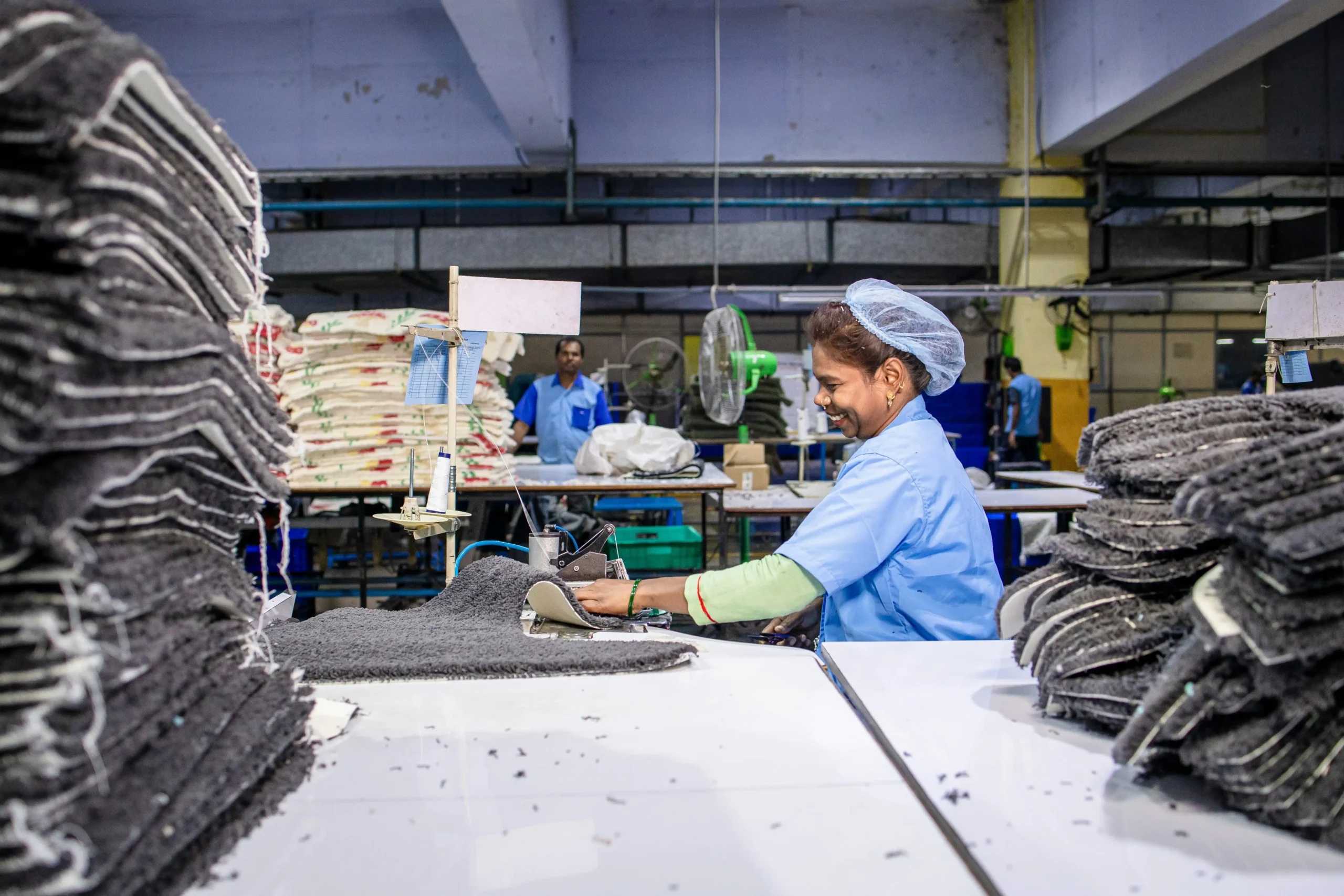
Add three clauses to your purchase contract for recycled knit fabric. First, the recycled content percentage must be stated on the invoice and match the TC. Second, the mill must provide the scope certificate number and TC for the specific shipment with the shipping documents. Third, colorfastness and shrinkage test reports must come from the bulk dye lot, not from the sample development lot.
Ordering strategy matters too. A first sustainable collection does not require a 1,000-meter gamble. Fursone ships 100 meters of in-stock sustainable fabric within a week, so a brand can validate hand, drape, and dye consistency at capsule scale, then scale into the 300-metre custom program where GRS chain-of-custody documentation is provided on demand. For the fiber-level comparison that affects your decision, our recycled polyester vs wool guide lays out durability and hand data side by side.
Recycled Content Percentages and Blends
The percentage on the label is a contract number. A fabric labeled “100% recycled polyester” must carry a TC stating 100% recycled content for that specific shipment, while a fabric labeled “GRS certified” only needs to cross the 50% threshold and state the actual percentage in the chain-of-custody documents. Read the label and the TC together: the label is the marketing, the TC is the math. A brand running a retailer compliance program usually needs a minimum percentage above the GRS floor, because retailers set their own thresholds for “recycled” claims.
Blends change both the claim and the performance. Recycled PET filament is commonly blended with wool, cotton, or virgin polyester to tune hand, drape, and cost. In a wool-rich tweed construction, recycled polyester adds durability and shape retention while keeping the wool character in the face, at blend levels the TC states precisely. The blend percentage must appear on the TC with the recycled share stated separately, and the dyeing behavior follows the dominant fiber: polyester disperse dyes for the recycled share, wool dyes for the wool share, in a two-bath or one-bath-compatible sequence that a mill with in-house dyeing controls tightly.
For buyers, the practical rule is to request the fiber composition, the recycled share, and the TC percentage as three separate lines in the approval. Fursone’s pre-consumer vs post-consumer recycled yarn guide explains how the feedstock type changes the label, and our recycled polyester vs wool comparison covers the performance trade-offs before you finalize the blend.
Recycled Knit Performance and Care
Recycled polyester knit fabric performs close to virgin polyester when the chip quality and dyeing are controlled, and the differences that matter are measurable. Dye uptake depends on the intrinsic viscosity of the recycled chip, which is why a mill should run a test knit before bulk dyeing and hold the same colorfastness benchmarks as virgin material. Shrinkage follows the heat-setting process: recycled knits are heat-set to stabilize the fabric, and the care label should instruct low-heat machine washing and no high-heat drying, the same rules that protect any polyester garment.
The failure pattern to guard against is not the fiber, it is the contract. Recycled polyester knit programs fail most often when the pre-production sample does not lock mass production parameters: gauge, GSM, width, and dye recipe. A 50-gram-per-square-meter drift between sample and bulk changes the garment fit and the hand, and no traceability document fixes that. Write the tolerance into the order and inspect the bulk against the sample’s numbers, not against a photograph.
For brands positioning on sustainability claims, keep the care label and the recycled claim separate in the marketing copy. The GRS certificate proves recycled content; the care label protects the garment’s life. Both belong in the tech pack, and both are cheaper to get right before production than after.
FAQ
How many plastic bottles does it take to make fabric?
The count varies with bottle weight and fabric weight, so the reliable number is the recycled content percentage on the transaction certificate, not a bottle count. Buyers should verify the percentage and the TC, which is what retailers audit.
How are plastic bottles turned into fabric?
Bottles are sorted, washed, and flaked, melted into rPET chip, melt-spun into fiber, spun or drawn into yarn, and knitted into fabric. Every step must be documented for a certified claim.
How much recycled content does GRS require?
The Global Recycled Standard requires certified products to contain at least 50% recycled content, verified through chain-of-custody audits and transaction certificates per shipment.
Is recycled polyester from plastic bottles sustainable?
It replaces virgin polyester feedstock and is audited under GRS, but the claim is only as strong as the document chain. Check the scope certificate, TC, and recycled percentage before approving.
What is the difference between pre-consumer and post-consumer recycled yarn?
Post-consumer recycled yarn comes from used garments and collected textiles, including PET bottles. Pre-consumer recycled yarn comes from factory waste such as spinning noil and cutting scraps.
What is the minimum order for GRS-certified knit fabric from Fursone?
In-stock sustainable fabric starts at 100 meters shipped within a week. Custom GRS programs start at 300 meters with chain-of-custody documentation provided on demand.
Conclusion
The path from bottle to knit fabric is mechanical, and the traceability is documentary. Sorting, flaking, melt spinning, and knitting each have a quality checkpoint, and GRS chain-of-custody ties the recycled percentage on your label to a transaction certificate on your desk. A supplier that cannot produce the five documents above is selling you a story, not a certified chain.
If you are validating recycled knit options for a sustainable line, start with 100 meters of stock fabric and test hand, dye consistency, and the document set before scaling. Send your target weight and color references to Fursone, and we will confirm the recycled content route, GRS documentation, and lead time. Request a quote to begin.
For the construction-level detail, see our biodegradable knit fabric reality check.
Related Insights

Fiber Content Labels for Tweed and Knit: Reading Composition Percentages Right
A composition label is a legal document, a marketing claim and a care instruction all...
Fabric Waste in Cutting: How Much Your Collection Throws Away
Every collection throws away fabric twice: once in the cutting room, where markers never fit...

Lyocell Knit Blends: Sourcing, Blend Ratios and Verification for Buyers
Lyocell has moved from a niche fiber to a standard line item on knit buyers’...