

How to Reduce Fabric Cost for a Small Brand
For a small or emerging brand, fabric is often the single biggest cost in a garment, and it is also the one you can most easily waste if you get the procurement wrong. The good news is that a small brand does not have to pay European-mill prices. There are several levers to reduce fabric cost without sacrificing the quality that your design depends on. Here is where to look.
Buy from a factory that lets you buy small
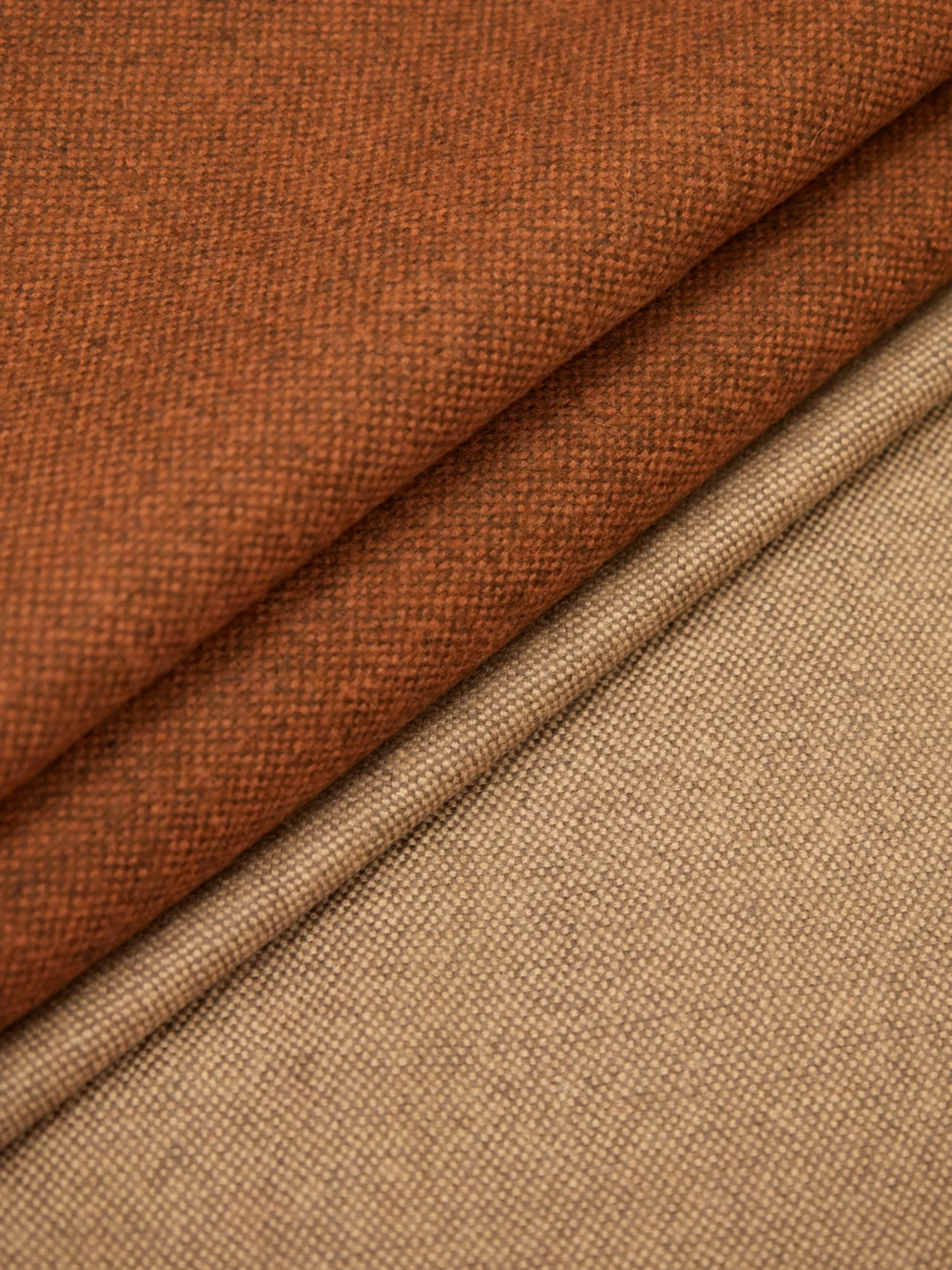
The biggest cost trap for a small brand is a mill that forces a huge minimum order. If you have to buy 3,000 metres to get a price, you tie up cash and end up with dead stock. A factory that offers ready stock with no minimum order, like Fursone’s 100M stock service, lets you buy exactly what a small collection needs. That turns a big capital commitment into a manageable one, which is often the real saving.
Cost the fabric the right way, not just per metre
Per-metre price is only part of the picture. A fabric that looks cheap but wastes width, shrinks a lot or has a high cutting loss can end up costing more than a slightly pricier fabric with a better yield. Look at usable width, shrinkage allowance and how efficiently you can cut it. A quality fabric that cuts cleanly is often cheaper in the end. Our tweed price per yard vs meter article explains the unit mismatch that confuses many buyers.

Focus on the hidden costs
Sampling, sampling delays, rework and colour rejection are where a small brand bleeds money. A fabric that looked right but fails at a seam means you re-cut and lose fabric and time. A shorter, more reliable sample cycle and a clear quality standard prevent these hidden costs. This is why a mill with a 7-day sample cycle is worth more than a cheaper one with a 6-week wait. Our custom fabric hidden costs guide lists what to watch for.
Use stock fabric for the basics, custom for the hero
A smart way to reduce cost is to mix sourcing. Use ready stock for high-volume, low-risk basics, and reserve custom manufacturing for the hero fabric that defines the collection. That way you avoid paying a custom MOQ for every colourway, and you keep the unique piece that makes the collection stand out. This balances cost against identity. Our custom vs stock fabric cost comparison walks through the decision.
Design for yield
Fabric cost is also a design problem. A pattern that uses a wide fabric efficiently, a plot that reduces waste, and a garment designed around a standard width all cut the cost per garment. Think about yield when you design, not after. This is a lever no price negotiation can match, and it costs nothing.
Consider import and duty
If you buy direct from a factory, account for freight and any import duty. Factory-direct pricing from a region like China can be significantly cheaper, but you need to factor logistics. Reference sources like the U.S. International Trade Administration explain the import and duty landscape, which helps you cost the landed fabric accurately.
Build a relationship, not a transaction
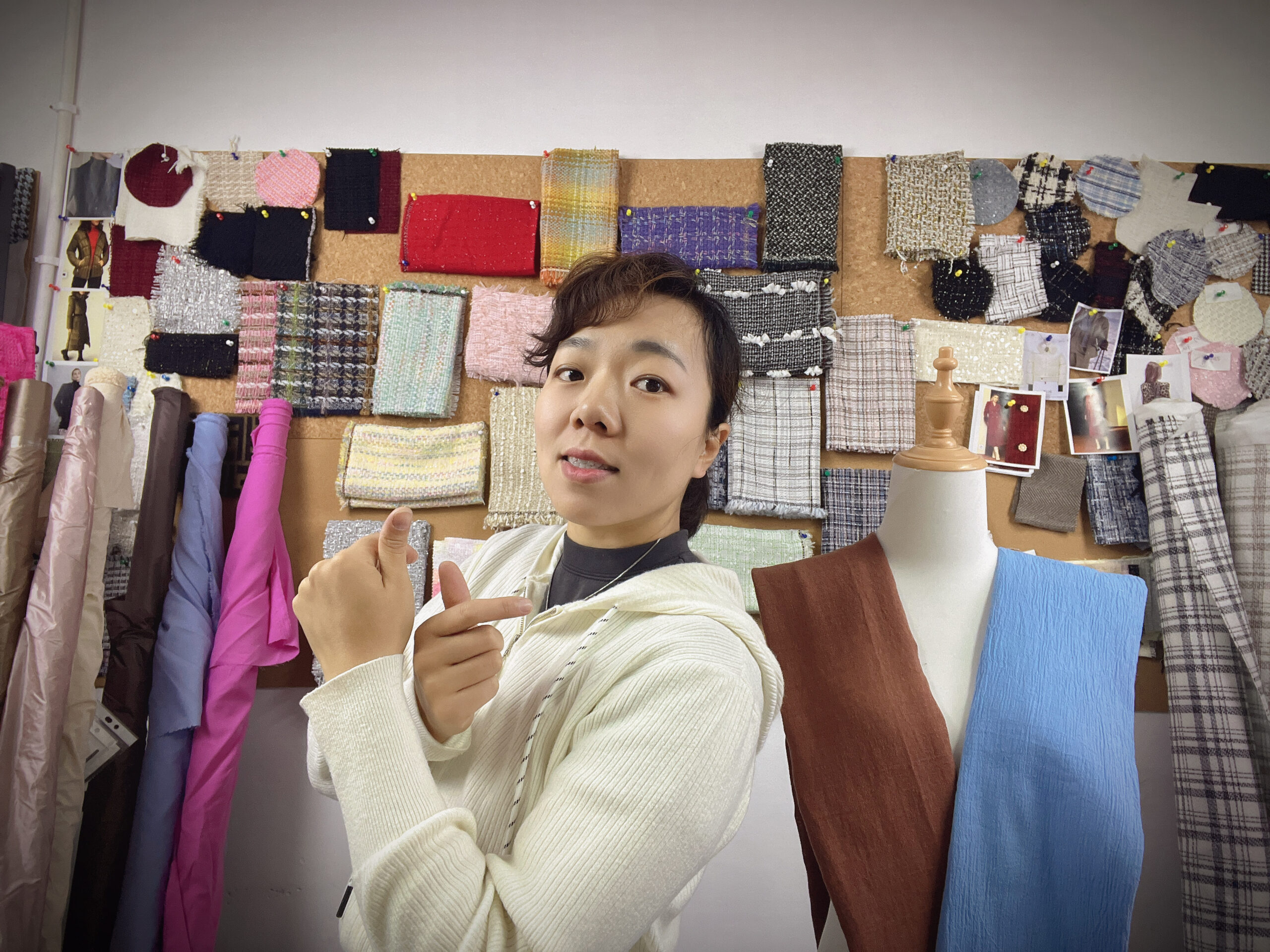
The cheapest fabric deal is rarely the best. A mill that understands your collection, holds your spec and can reorder accurately is worth more over time than a one-off low bid. When you find that partner, a small brand can grow without the cost of re-sourcing every season. Fursone aims to be exactly that: a custom manufacturing partner for designer brands, garment factories and fabric wholesalers.
Reducing fabric cost is not about buying the cheapest fabric; it is about buying the right amount, the right way, from a partner who lets you scale. Get that right and your margin improves without your design compromising.
Video: high-quality fabrics for designers
FAQ
How can a small brand save on fabric cost?
Buy small from a factory with no minimum order, cost the fabric on yield not just per metre, avoid hidden rework costs, use stock fabric for basics, and design for yield.
What is the cheapest way to source fabric in small quantities?
Use a ready-stock service with no minimum order. It avoids a large MOQ and dead stock, and it lets you buy only what a small collection needs.
Related reading: sample vs bulk fabric pricing
Related Insights

Why Tweed Fabric Prices Move: Wool Auctions, Dye Lots and Mill Capacity
Buyers who quote a tweed program in March and reorder in October are sometimes surprised...

Pros and Cons of Buying Fabric in Bulk: Price Gains Against Real Risks
Buying fabric in bulk cuts unit price, but the discount is a payment for taking...

The Real Landed Cost of Fabric from China
The invoice price of fabric from China is where buyers start and where the misunderstandings...