
A knit jacket sits between two fabric traditions that pull against each other. Tailoring wants structure: a jacket should hold a shoulder line, keep a clean front, and recover from sitting. Knitting wants comfort: stretch, softness, and movement. Getting a knit fabric to serve a jacket means deciding, deliberately, where on that spectrum the garment lives, because the knit structure that gives stretch is the same structure that surrenders shape. This guide covers the engineering levers — gauge, structure, stabilization and recovery — and how to specify them so the finished jacket behaves.
Gauge and structure set the personality
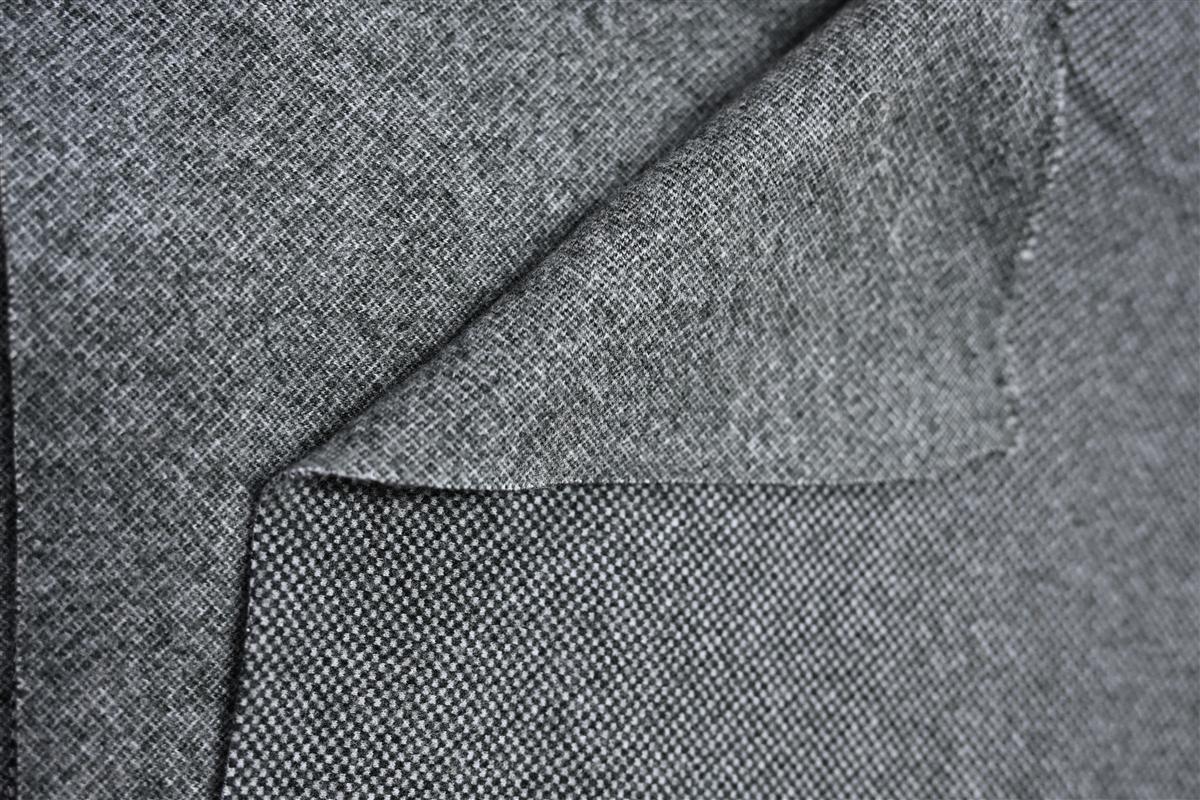
Two decisions do most of the work. Gauge first: coarse-gauge knits read chunky and casual, hold visual weight, and forgive body movement but fight clean tailoring lines; fine-gauge knits read refined, take pressed seams, and suit blazer silhouettes. Structure second: a double knit or ponte-style construction lies flat, resists curling at cut edges, and behaves almost like a woven, which is why it dominates tailored knit jackets. Single knits stretch more and feel softer, but they curl, they grow at stress points, and they need stabilization everywhere a garment is assembled. The same physics explains why knitted coating fabric works at all for outerwear — our overview of knitted overcoat warmth and structure shows how mills build knit fabrics heavy and stable enough for coats, and the comparison carries directly down to jacket weights.
Stabilization and recovery: where knit jackets fail
Knit jacket failures almost always show up in three places: shoulders that grow, fronts that sag open, and elbows that bag. The countermeasures are known and boring, which is why they work. Interfacing decisions get made per zone rather than per garment — fusible weft-insertion interfacings with stretch matched to the knit keep fronts stable without stiffening them. Seams that carry load get sewn with techniques that preserve stretch recovery rather than lock it out. And the fabric itself must be specified for recovery, not just stretch: a fabric that stretches 30 percent but returns poorly will bag no matter how well the jacket is engineered. Testing pilling matters here too, because jacket sleeves see constant abrasion; the ISO grade 3-4 pilling standard we hold our tweeds to in our pilling grades guide is the same reference knits are judged against. Bouclé-style surface knits add one more constraint: loop structures snag, so a jacket that will live on public transit needs a tighter surface than a jacket that lives in a car, a trade-off mapped in bouclé for coats versus jackets.
Specifying it with a mill
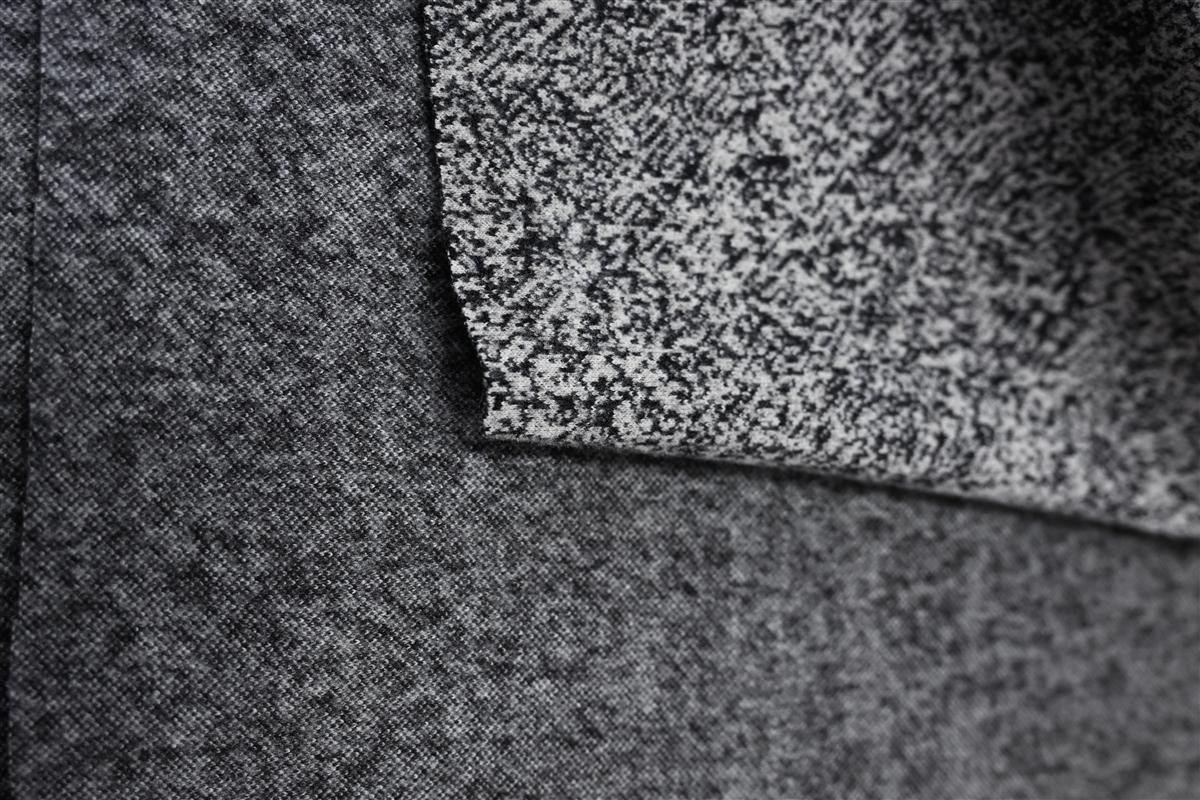
When you bring a knit jacket to a mill, the spec conversation should land on five items: gauge, construction type, weight, blend, and recovery target. Weight for jackets typically runs heavier than dress knits and lighter than coating; blend decisions trade recovery and hand — a small synthetic percentage usually buys the recovery a jacket front needs. Sampling then settles what theory cannot: our custom program takes weight, color and composition per order from a 1,000-meter minimum, with sampling that runs 7 days rather than the six-week industry norm, so the stabilization and recovery questions get answered on real yardage before a production commitment. Designers deciding between a full custom development and buying from stock can pilot from the ready inventory the way we describe on the Chanel-style tweed collection page. Physical testing standards for stretch and recovery are documented by ASTM D2594, the standard test method for stretch properties of knitted fabrics, and citing it in the spec sheet keeps the recovery target measurable.
Video: fabric-to-garment effect
A knit jacket succeeds when the fabric decision matches the tailoring ambition. Pick the gauge and structure that fit the silhouette, stabilize the zones that carry load, and specify recovery as a number, not a hope. Do that, and the jacket keeps the comfort that justified choosing knit while behaving like the tailored garment it is.

Related Insights

Reading Knit Gauge: What 7gg, 12gg and 14gg Mean for Sweater Programs
Gauge numbers appear on every sweater knit quotation, 7gg, 12gg, 14gg, and too many buyers...

Moisture-Wicking Knits: Sources, Test Methods and Durability
Moisture-wicking is one of the most quoted claims in knitwear and activewear sourcing, and one...

Does Knit Fabric Shrink After Washing? Relaxation, Felting and What to Specify
Yes, knit fabric shrinks after washing, and the question is never whether but how much...