
Color is the most common reason a tweed bulk run disappoints. Not because mills cannot match color, but because the approval chain between the pantone reference and the finished cloth has more steps than buyers realize, and every step can shift the shade. The lab dip is the tool that makes those shifts visible while they are still cheap to fix. This article walks through what a lab dip actually is, why dyed tweed adds complications that flat fabrics do not have, and the light-booth discipline that keeps the signed sample and the bulk delivery speaking the same language.

What a Lab Dip Is and What It Is Not
A lab dip is a small hand-produced sample of the exact dye recipe intended for bulk, submitted for your written approval before any production dyeing happens. It is not a random swatch and it is not a rendering: the dip carries the actual dyestuff recipe at lab scale, and its job is to surface the gap between the color in your head, the color on your screen, and the color the dye bath can physically reach. On solid fabrics the dip is straightforward. On tweed, where multiple yarn colors are blended in the weave, the dip process splits in two: yarn-level dips for each component color, then a small loom trial that combines them, because a blend that looks balanced on yarn cards can read entirely different once interlaced. Our breakdown of why tweed prices move touches the dye-lot economics behind this process; here the focus is the approval discipline itself.
Loom State and Why Dyed Tweed Shifts
Tweed is often dyed in the yarn stage, and yarn changes dimension and luster through dyeing and finishing, which is why the color you approve on a finished dip can drift on bulk cloth. The fabric at loom state, before washing, fulling and setting, has a different surface geometry than finished cloth, and the same dye reads darker or duller depending on how much the fibers bloom in finishing. Professional practice closes this gap by approving color on finished hand samples rather than raw loom state cloth, and by having the mill confirm that the bulk will run the identical finishing recipe as the approved sample. The chemistry and measurement standards behind color matching are maintained by bodies such as the Society of Dyers and Colourists, whose colourage references most mill labs work from when a dispute needs an arbiter.
The Light Booth Discipline
Most color approvals fail not at the dye bath but at the evaluation step, because color judged under the wrong light source is not a judgment at all. Metamerism, the effect where two fabrics match under one light and diverge under another, is exactly why approvals happen inside a light booth under defined illuminants rather than by a window at two in the afternoon. The working routine is to evaluate the dip against the standard under daylight and under a store-style artificial source, check for metamerism between the two, and sign only under the condition your customer’s fitting rooms actually resemble. Write the light source into the approval note, because an approval without a stated illuminant is an approval that can be argued with later. Teams choosing seasonal palettes can see how our tweed color story for collections is built shade family by shade family under the same discipline.
Building the Approval Trail into the Order
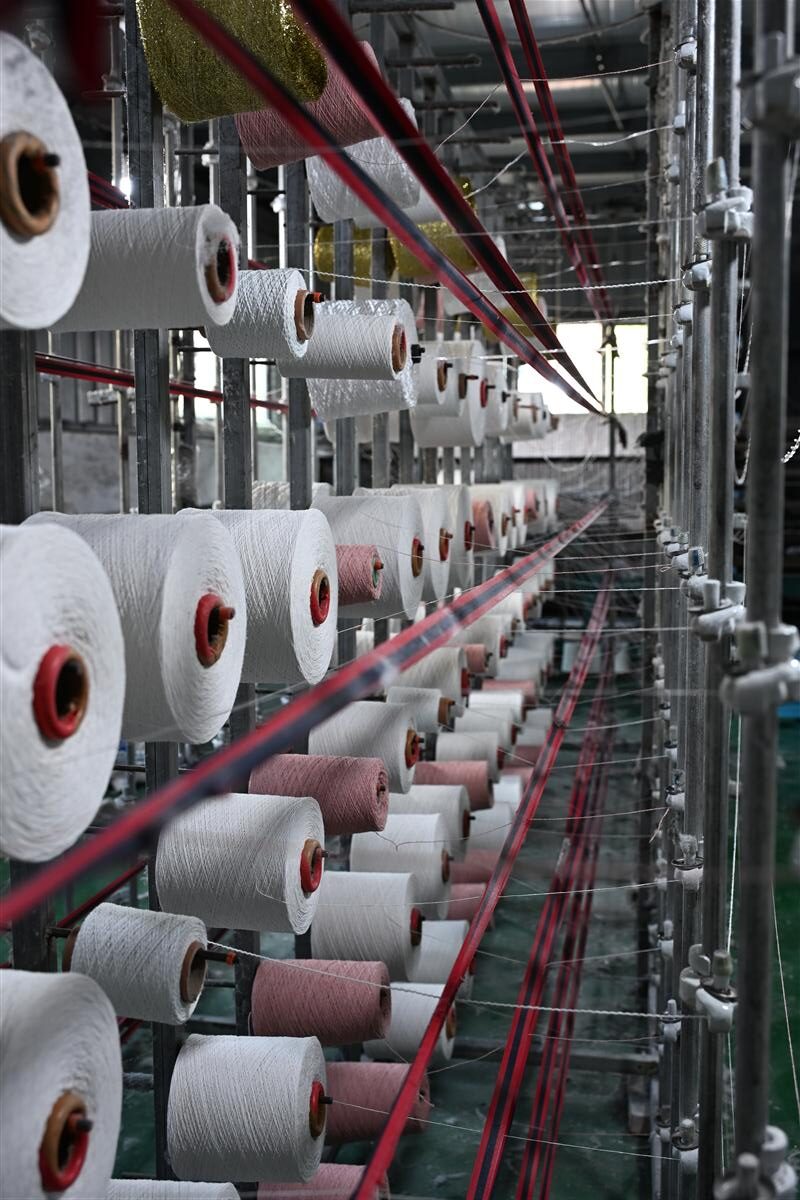
The lab dip earns its value when it becomes part of the shipment file. The sequence we run: yarn dips approved in writing, a small loom trial combining the approved yarns, a finished hand sample signed under a stated light source, and a reference swatch retained by both sides that bulk is compared against at final inspection. Each step has a number attached, the recipe code and the batch it was run under, so when a bulk roll looks off, the question is a comparison against the retained standard rather than an argument from memory. On custom programs this trail is standard; buyers working from stock colors skip the dip stage entirely and take the shade as woven, which is a legitimate trade when speed matters more than a bespoke shade. Either way, the record travels with the goods, and color disagreements end at the retained swatch instead of at the claim desk.
FAQ
What is the difference between a lab dip and a swatch?
A lab dip carries the actual bulk dye recipe at lab scale and requires written approval; a swatch is an existing fabric sample with no recipe commitment behind it.
Why does tweed need two approval steps?
Because blended-color tweeds are approved at yarn level per component, then again on a small loom trial, since interlaced colors read differently from yarn cards.
Why did my bulk shade differ from the approved dip?
Common causes are finishing drift, a different dye batch, or evaluation under different light. The retained standard swatch settles which one happened.
What light should I approve color under?
Defined illuminants in a light booth, checking daylight and a store-style source for metamerism, with the light source written into the approval note.
Can I skip lab dips on a stock program?
Yes. Stock colors are taken as woven with no dip stage, a reasonable trade when speed matters more than a bespoke shade.
Video: From Designer Brief to Fabric
Developing a bespoke shade for next season? Our custom manufacturing line runs yarn dips, loom trials and finished hand samples as a standard approval trail, signed under a stated light source.

Related Insights

Fulling and Finishing: The Mill Steps That Change Tweed’s Hand Feel
Two tweeds can leave the loom with identical yarn, identical weave and identical weight, and...

Garment Dyeing vs Piece Dyeing: Cost, Color Control and When Each Wins
Garment dyeing, dyeing the finished garment instead of the fabric roll, has quietly become a...

Lab Dips Explained: The Approval Step That Prevents Bulk Color Disasters
Bulk color disasters almost always trace back to a skipped or rushed approval step. The...