
Fall delivery windows do not move, but fabric calendars are planned backwards from them, and the brands that miss windows almost always started late. Working backwards from a floor set is simple arithmetic: shipping time, bulk production time, sampling time, and the decision date for each. This guide lays out the calendar for spring and fall lines, then shows where stock fabric and custom runs change the math.
Working Backwards from the Delivery Window
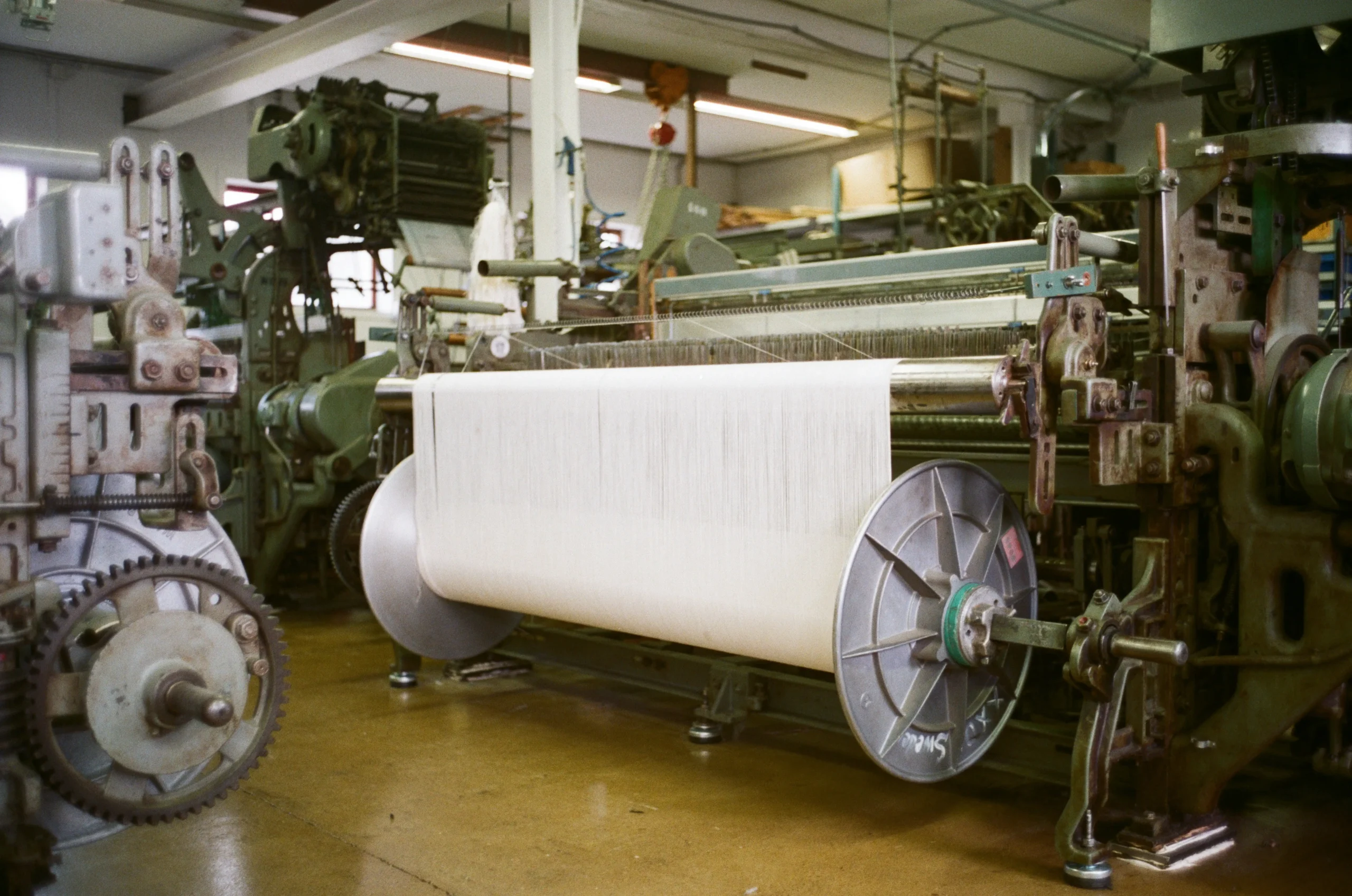
Take a fall line with an August delivery into a European warehouse. Ocean freight to port plus clearance runs four to six weeks, so bulk must ship by early July. Bulk production on a custom fabric runs four to six weeks after yarn and approval, so the approved sample needs to exist by late May. Sampling and development then start in March or April: swatch selection in early March, lab dips and handlooms in April, approval by end of May. Spring lines mirror this: delivery in February means samples approved by late July, with development from May. The European textile industry body EURATEX publishes the trade context behind these cycles, and every brand’s calendar compresses or stretches around its own shipping mode.
Where Stock Fabric Changes the Math
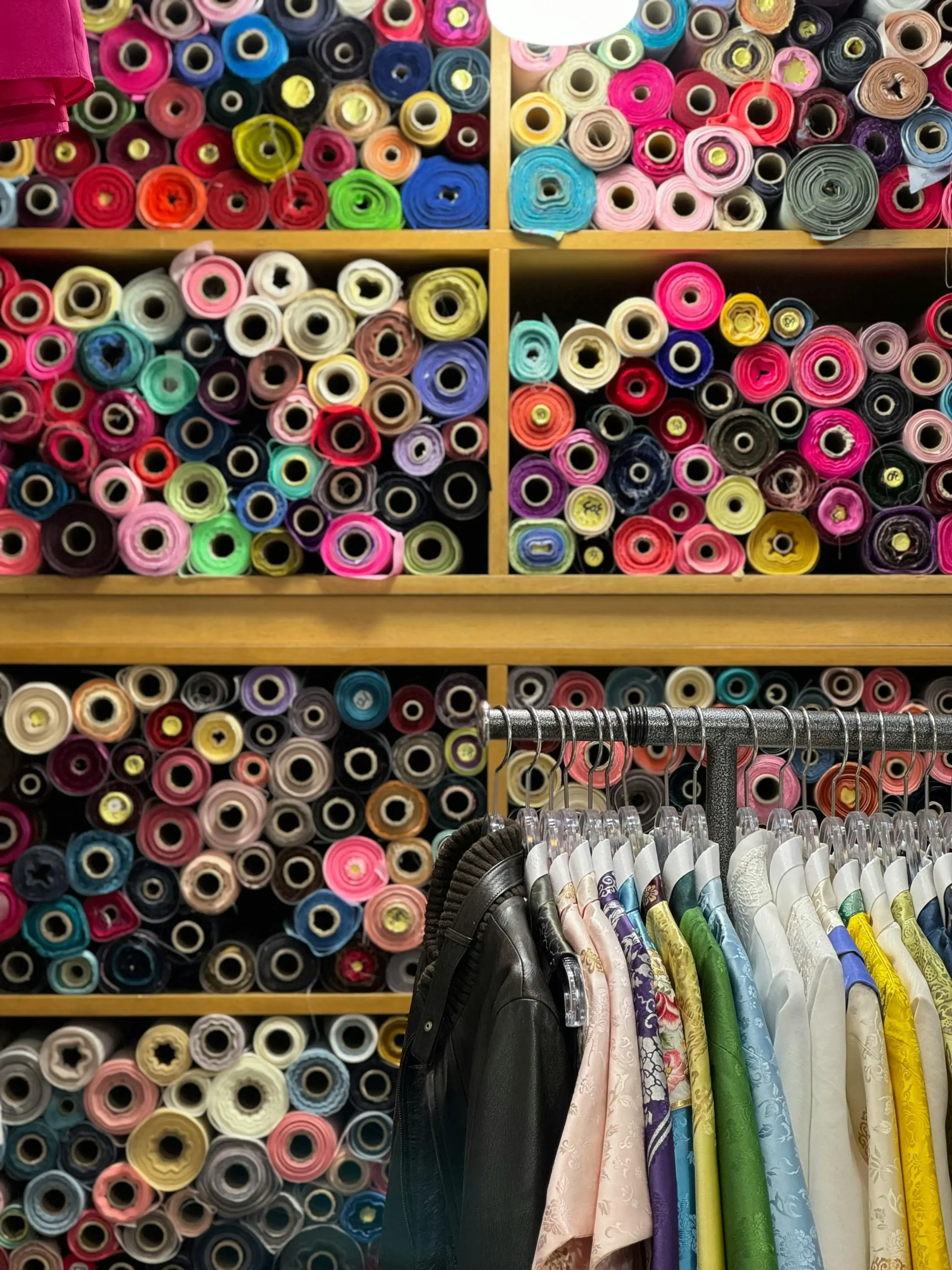
Stock removes the front half of the calendar. Rolls on the shelf ship in three to seven days, so a fall capsule decided in June can still be cutting in July. The trade-off is narrower choice: you buy the color and construction that exists rather than one developed to your brief. That trade is often right for capsules, replenishment programs and market tests, and wrong for signature fabrics a brand will repeat for seasons. Our comparison of stock rolls versus custom runs breaks the decision by program type, and the swatch book reading guide helps teams shortlist from stock fast.
The Custom-Run Calendar
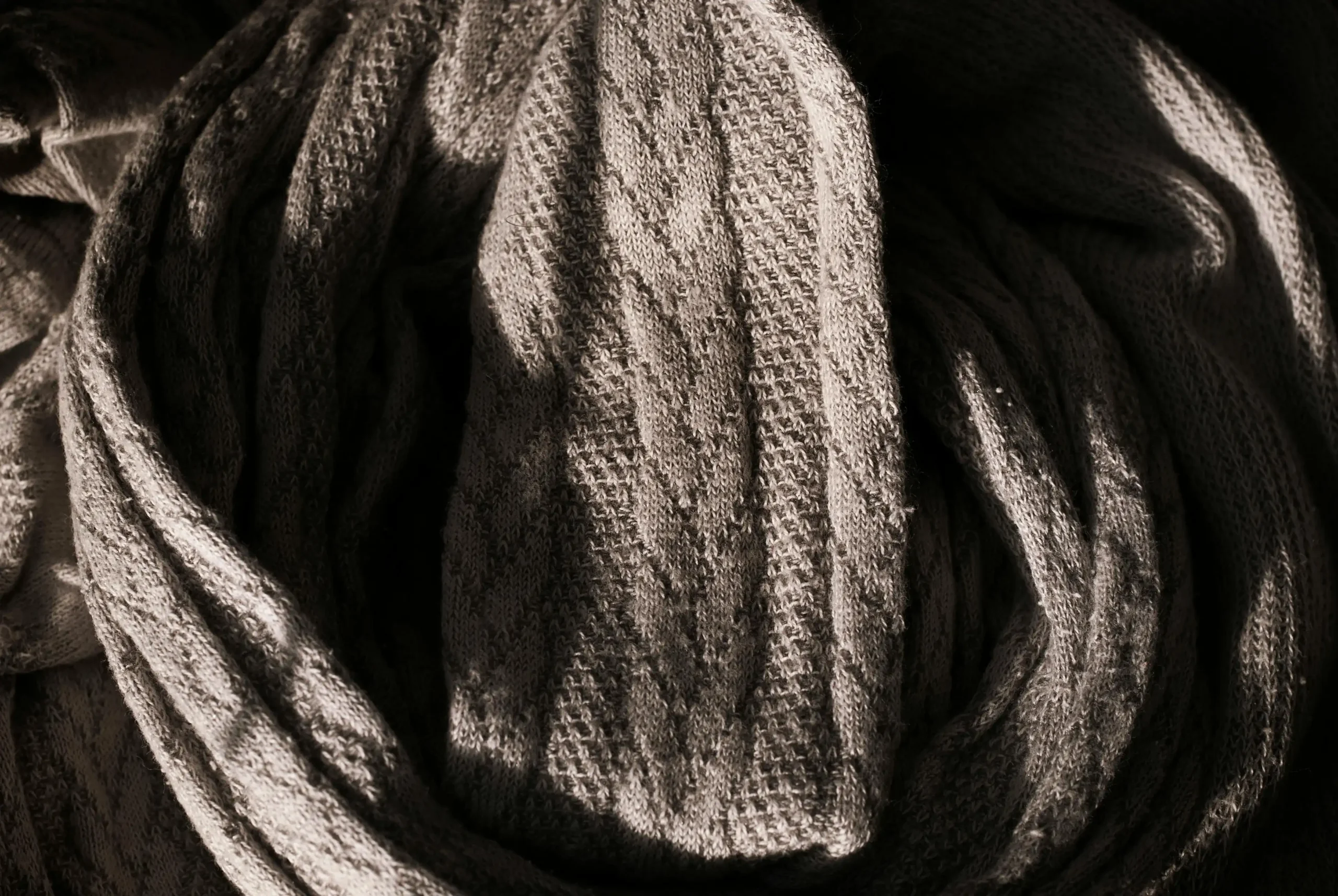
Custom fabric needs its own milestones. Yarn selection and lab dips in weeks one to two, handloom or first sample by week three on a 7-day sampling cycle at our Wenzhou mill, bulk approval and deposit in week four, and four to six weeks of weaving and finishing from a 1,000-meter minimum. Add two buffer weeks for color approvals on melange and boucle yarns, where the second dip is common. Planned this way, a custom fall fabric decided in April ships in July without heroics; decided in June, it becomes an air-freight conversation. The custom manufacturing route page lists what we need from you at each milestone.
Three Calendar Rules That Prevent Late Lines
First, anchor to the ship date, not the delivery date; the port and customs weeks belong in the plan. Second, put the second lab dip in the calendar by default; single-dip approvals on fancy yarns are the exception. Third, decide stock-versus-custom per program, not per season, and read the roll ends and remnant sourcing options before writing off a late window entirely. Buyers who send their delivery windows to info@fursone.com or WhatsApp +86 134 5607 1339 get a backwards calendar per fabric within a day, sampling in 7 days, and a straight answer on whether the window closes.

Related Insights

What a Mill Visit Tells You That a Sample Box Cannot
Every mill can produce a beautiful sample. The sample is handled by the best operator,...

Roll Ends and Remnant Stock: Buying Mill Leftovers Without Buying Problems
Every mill has a corner of short rolls: the last fifteen metres of a dye...
Stock Rolls Versus Custom Runs: Choosing Between 100 Metres and 1,000
The choice between buying from a mill’s stock range and commissioning a custom run is...