
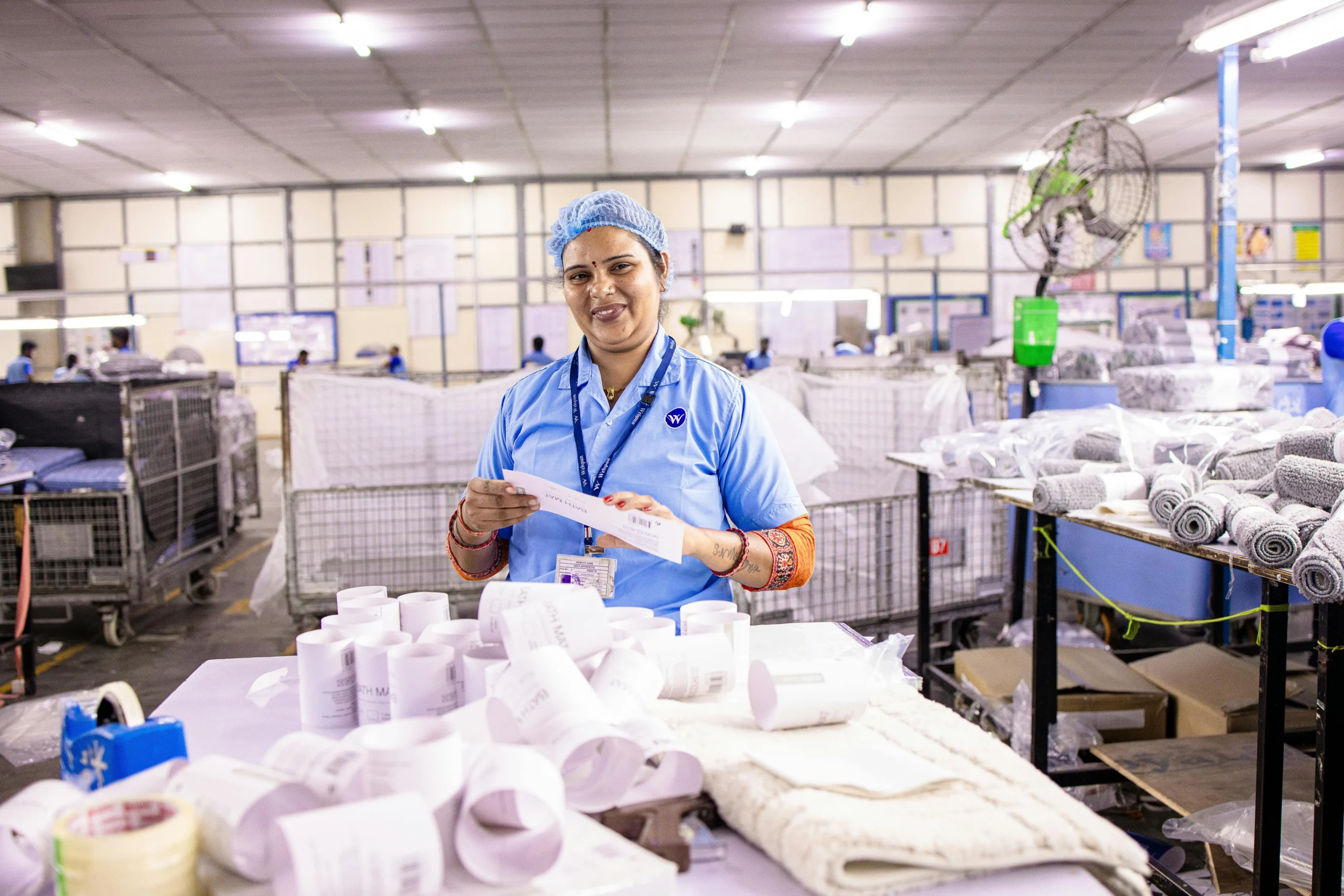
Tweed fabric factory verification in Wenzhou used to mean a plane ticket and a translator. For an emerging designer working on a tight budget, that’s rarely practical. But there are remote checks that separate real mills from middlemen — and they don’t require an on-site visit.
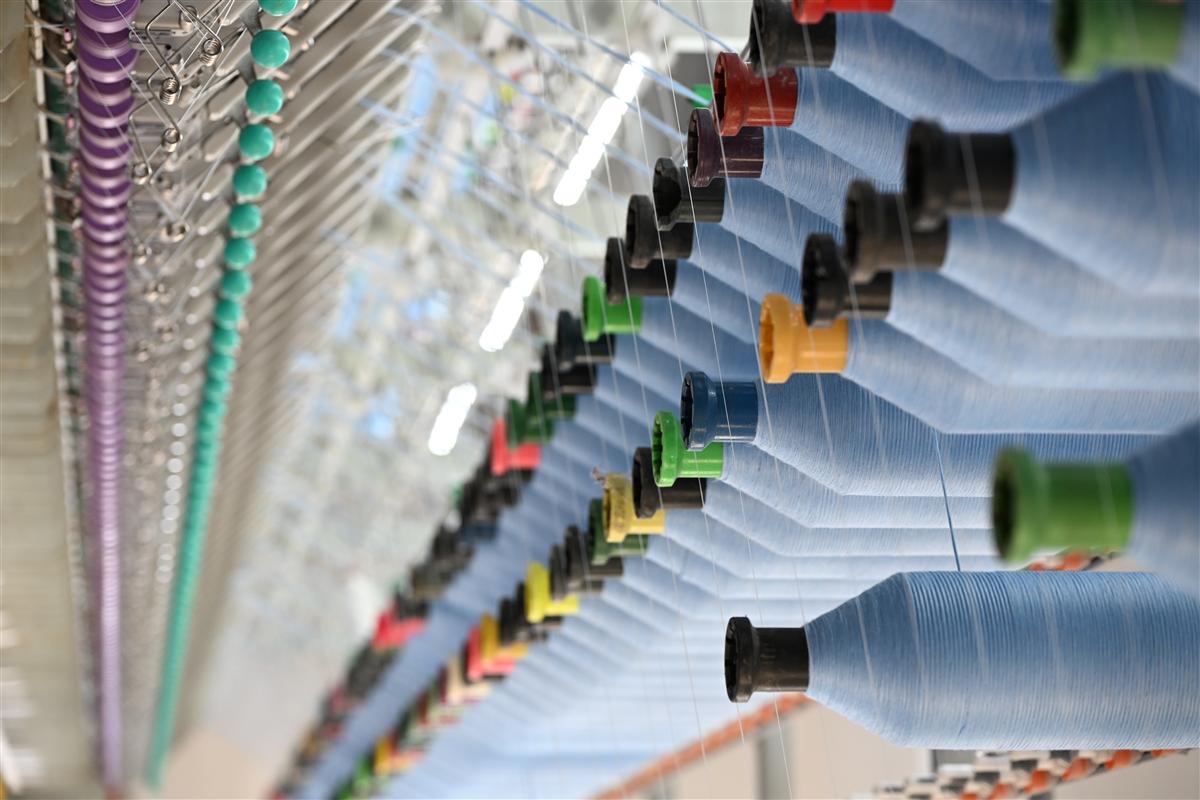
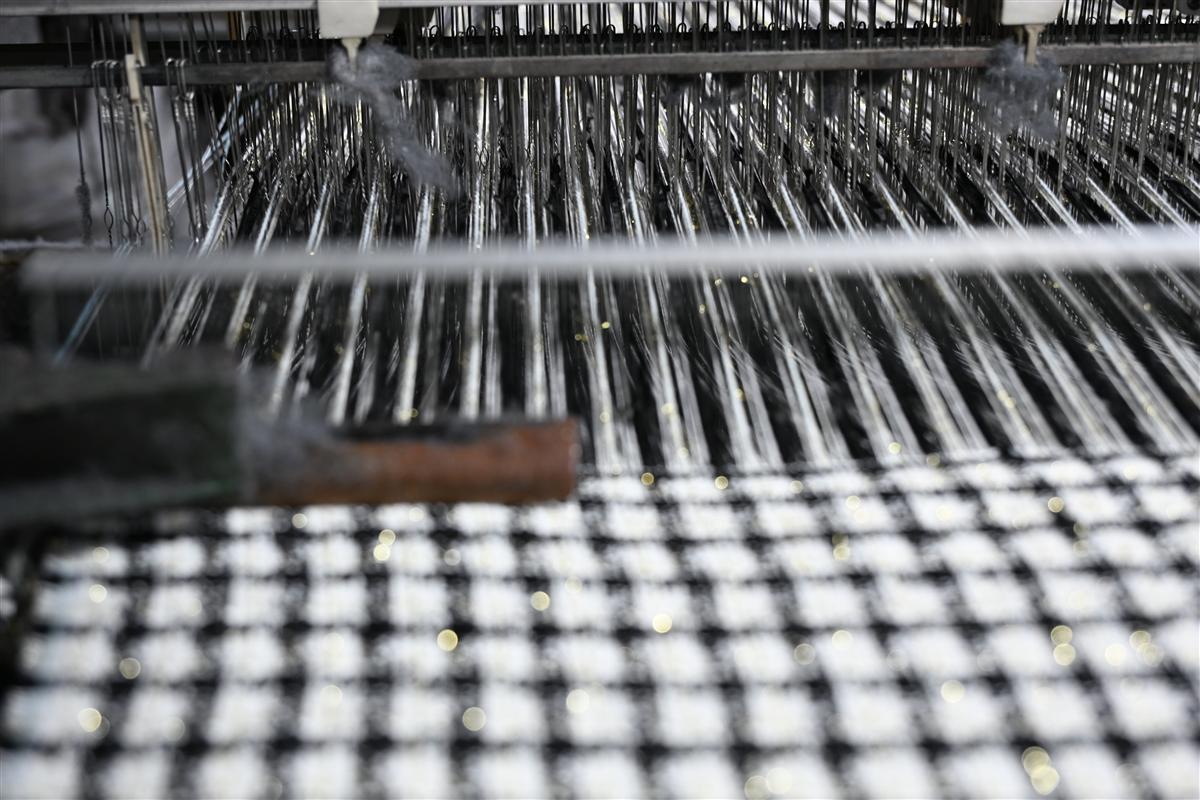
One reliable indicator is the factory’s willingness to show you their dye lot records for the past three seasons. Genuine tweed producers keep those. They also maintain a physical color card archive you can request photos of. Trading companies won’t have either — they’ll try to redirect you to generic fabric images. Ask for a short video of the loom floor in operation. If they hesitate, you’ve already found the answer.
Why Verify a Wenzhou Tweed Factory?
An estimated 70% of suppliers listed as “manufacturers” on Alibaba are trading companies. A five-minute video call to a weaving floor can save you 40% per meter and three weeks of production delay.
The Wenzhou Tweed Market: 70% Are Middlemen Posing as Mills
Wenzhou’s tweed industry has a genuine manufacturing base, but it’s buried under an avalanche of resellers. Many suppliers you find online are not mills — they are Shaoxing-based traders who rent a booth in Wenzhou and subcontract everything. The real production happens in Ouhai District, where facilities run decades-old rapier looms and employ specialists who understand bouclé loop structure and knit tension. When you are sourcing tweed from Wenzhou, the first red flag is a supplier who cannot show you the weaving floor with machines operating. A showroom tour proves nothing. A video call to the actual production floor proves everything.
Three Risks That Wipe Out Small Brand Margins Before Delivery
Skipping factory verification exposes you to three specific failure modes that hit small buyers hardest. First, delayed deliveries: a trading company must coordinate with a separate mill, and if that mill’s production line is full, your order slides. Second, inconsistent hand feel: sample quality from intermediaries routinely comes from a different dye lot or construction than the bulk. Industry data shows sample-to-bulk color deviation at ≥ ΔE 3.0 is common among unverified suppliers, while certified mills maintain ΔE < 1.5. Third, counterfeit batch labels: traders relabel fabric from multiple sources, making traceability impossible. When a defect appears in 30% of your order, you have no recourse because you do not know who actually wove it.
Verification Is the Lowest-Cost Insurance Policy in Textile Sourcing
A proper tweed fabric supplier audit takes one hour and costs nothing but a phone call. Start with the wenzhou textile factory business license check: the scope must explicitly state “Manufacturing” (制造), not “Trading” or “Sales.” Require a Customs Registration Certificate — only direct exporters hold one. Ask for the specific loom type that will produce your fabric, such as a Stäubli or Toyota rapier loom, and verify it on a live video feed. Request OEKO-TEX Standard 100 certification, which is mandatory for childrenswear tweed and valid for 12 months; some mills also carry GRS for recycled content. Finally, perform a tweed sample quality test before bulk order: run a shrinkage test targeting ≤3% after three wash cycles at 40°C, and confirm the AQL (Acceptable Quality Level) is 2.5 major defects per 100 meters or better. A verified direct mill, like those operating in Wenzhou since before 2000, will provide these documents without hesitation — and will offer a small order of 100 meters at significant savings than what a trading company quotes.
Step 1: Check Business License and Registration
70% of “manufacturers” on Alibaba are trading companies. The first verification step most buyers skip costs them a 20-40% markup.
Why “Manufacturing” vs. “Wholesale” Is the Only Line That Matters
A Chinese business license (营业执照) lists the company’s registered business scope. The exact Chinese character you need is 制造 (zhìzào), meaning “manufacturing.” If the scope says 批发 (pīfā, wholesale) or 贸易 (màoyì, trade), you are dealing with a trading company, not a mill.
This distinction matters because a wholesaler cannot control dye lots, maintain loom consistency, or manage the full quality chain. When your bulk order arrives with color deviation above ΔE 3.0, a trader simply blames the factory and offers a discount. A manufacturer fixes the dye formula and re-weaves. This is the difference between “how to verify wenzhou tweed factory” and actually getting a reliable supplier.
Cross-Checking: SAMR Records and the “Rental Booth” Trap
Request the supplier’s 统一社会信用代码 (Unified Social Credit Code) and cross-check it on China’s State Administration for Market Regulation (SAMR) public database at gsxt.gov.cn. This is free and publicly accessible. Verify the following:
- Registered Address: Real mills in Wenzhou are in Ouhai District. If the address is a commercial building in Shaoxing or a shared office tower, that is a trading company leasing a desk.
- Registration Date: A registration history of several years, verifiable in the business registry, signals a genuine mill. Companies registered less than 3 years ago are often shell entities for traders.
- Scope Consistency: The scope must explicitly include “fabric weaving” or “textile manufacturing.” Generic wording like “sales of textile products” is a red flag.
This step alone eliminates 90% of fake leads. The unique insight here is the “rental booth” scam: many suppliers pay for a short-term booth at a real factory in Wenzhou’s industrial zone, then claim it as their own. A SAMR check against a video call showing the actual weaving floor with running looms (Stäubli or Toyota rapier looms, specifically) confirms the address matches. This is a core part of any serious “chinese tweed manufacturer credentials checklist.”
Customs Registration Certificate: Your Guarantee of Direct Export
A legitimate factory that exports directly holds a Customs Registration Certificate (报关单位注册登记证书). This proves they are registered with Chinese Customs to export goods under their own name. A trading company cannot legally issue this certificate under its own name — they must export through a third-party agent or use a factory’s license.
Request a scanned copy and verify the customs code (10 digits). Cross-check with the supplier’s business license to ensure the company name matches exactly. If they refuse or claim they “only work through an agent,” you are not dealing with a direct mill. For a “small order tweed mill verification steps,” this document is non-negotiable because it directly impacts your ability to negotiate net pricing and avoid intermediary markups.
Verified factories like Fursone provide both the business license showing “Manufacturing” and the Customs Registration Certificate upfront. When you land on their pillar page, you will see these documents alongside workshop images and OEKO-TEX certificates, confirming the full chain from loom to export.
Step 2: Request Third-Party Audit Reports
If a mill refuses to share a third-party audit report, stop negotiating. That’s your biggest red flag.
What a Legitimate Audit Looks Like
When verifying a Wenzhou tweed factory, a genuine mill will provide a recent audit from SGS, Bureau Veritas, or Intertek. The report must be dated within the last 12 months. This is non-negotiable. Trading companies typically cannot produce one because they don’t own production facilities. As part of your tweed fabric supplier audit guide, always check the issuing body and the date. A self-declaration or a photocopy of an expired certificate is not evidence.
Real tweed manufacturers in Wenzhou’s Ouhai District run rapier looms (Stäubli or Toyota) and can show a video call of the weaving floor with machines operating. That level of transparency is part of how they operate. A supplier that deflects or offers showroom tours only is likely a Shaoxing trader renting a booth. This is one of the clearest signals in spot trading companies vs real tweed factories.
What the Audit Must Cover
- Production Capacity: Number of looms, monthly output in meters, and factory floor area. A verified tweed mill will quote specific numbers. For example, a typical mid-size factory runs 20–40 rapier looms and produces 50,000–100,000 meters per month. Ask for the loom make and model.
- Quality Control: In-line and final inspection processes, AQL targets. Industry standard for fabric is 2.5 major defects per 100m; premium mills aim for 1.0. The audit should include defect categories and inspection sampling plans.
- OEKO-TEX Standard 100 Certification: Mandatory for childrenswear and often required by global fashion brands. Validity is 12 months. Cross-check the certificate number on the official OEKO-TEX website. Some mills also hold GRS for recycled content — note that this is an additional certification, not a substitute.
If a mill cannot produce an audit covering all three areas, move on. This is a core step in your chinese tweed manufacturer credentials checklist. Self‑declared “quality inspection reports” from the supplier themselves are not acceptable.
The Insider Warning: Refusal Is the Deal Breaker
Any refusal to share a recent third-party audit, or an offer to provide a “summary” or “overview” instead of the full document, is a major red flag. Trading companies cannot be audited because they have no production lines. Even some factories that claim to be manufacturers will refuse out of fear that the audit reveals low capacity or subcontracting.
Another trap: sample quality from a trading company often comes from a different dye lot or a different construction. Lock the bulk production to the sample by requiring a digital spectrophotometer report (ΔE < 1.5). That guarantee only comes from a mill that owns the data from their own audit and production floor. When you follow this how to verify wenzhou tweed factory process, you eliminate 90% of unreliable suppliers before you place your first order.
Step 3: Evaluate Heritage and Specialization
A mill that has survived 25+ years in Wenzhou has a track record of consistency and a product library you cannot replicate overnight.
Why a Verifiable Track Record Filters Out Most Fakes
Real mills don’t appear out of thin air. A factory that has operated since 2020—through economic downturns, raw material price spikes, and shifting fashion cycles—has proven its production can hold steady. Trading companies, by contrast, rarely survive more than five years before rebranding under a new name.
But the deeper value of an established mill is its product archive. A fabric house with a long operating record has physical samples of thousands of tweed structures—bouclé loops of varying thicknesses, herringbone weaves, and color-combination trials that are logged and reproducible. A three-year-old operation simply does not have this depth. When a designer asks for a specific colorway that was popular in 2018, a long-standing mill can pull the exact yarn card. A new entrant will quote you a completely different construction.
Ask for the Portfolio: 5 Years of Custom Development Projects
This is the single most revealing request you can make. Any supplier can show you five generic swatches. A genuine mill will show you a list of branded collaborations and custom exclusives developed over the last five years. If the supplier hesitates or only shows you product shots from trade shows, you are likely dealing with a trader.
When you review that portfolio, look for the following:
- Client diversity: Were the projects for multiple brands, or is it the same three garment labels recycled?
- Technical notes: Are there records of fiber blends (wool-nylon ratios, percentage of recycled content) and specific loom settings used?
- Iteration history: Did the factory provide three or more rounds of color/lab dip revisions for a single project? That signals real R&D capacity.
If the supplier cannot produce a documented custom development trail with at least three clients over five years, they are not the manufacturing partner you need for season-after-season consistency.
The Warning: “Factory Tours” at Friend’s Facilities
There is a well-known trick in Wenzhou. A trading company rents a booth, but for serious inquiries, they offer a “factory tour” at a friend’s weaving facility. The strategy is common enough that it has a local name. The fix is simple: during the video call, ask to see the specific loom model that runs your tweed structure. Ask the operator to zoom in on the brand plate (Stäubli, Toyota, or Picanol). If the guide looks confused or the camera suddenly cuts to a different building, you have your answer.
→ Browse Verified Wenzhou Tweed Mills – See Factory Credentials & Inventory
Step 4: Test Sample Quality and Consistency
A single sample proves nothing. Three samples from separate dye lots reveal whether a mill controls its production or just controls its sample room.
Why One Sample Is Never Enough
Most novice buyers order one swatch, approve it, then panic when the bulk shipment looks different. That color shift isn’t bad luck — it’s a pattern. Unverified suppliers regularly ship bulk with a color deviation of ΔE 3.0 or higher from the sample. Among certified direct mills, the internal target is ΔE < 1.5. The only way to know which type of supplier you are dealing with is to order at least three samples of the same SKU, each from a different dye lot. If those three samples arrive looking like three different fabrics, walk away.
What to Check on Every Sample
Line all three samples up on a cutting table under the same lighting. You are checking three things side by side:
- Hand feel: The touch should be identical across all three. Bouclé that feels softer in one sample and coarser in another signals inconsistent yarn tension during weaving.
- Loop density: Count the loops per square inch on each sample. A variance of more than 5% between lots means the mill cannot hold its weave structure.
- Color (ΔE): A spectrophotometer reading is the only reliable method. Anything above ΔE 2.0 is visible to the naked eye. At Fursone, we provide a digital spectrophotometer report with every sample that locks bulk production to that same reading — a practice most mills avoid because their batch variance is too wide to guarantee.
The Two Tests That Reveal Construction Quality
Surface appearance is only half the story. Two physical tests separate real tweed mills from pretenders:
- Pinch test for loop retention: Pinch a loop between your thumb and forefinger and pull gently. If the loop pulls out or the adjacent loops loosen, the weave is too loose. That fabric will snag within weeks of wear. A well-constructed bouclé holds every loop tight under moderate tension.
- Wash test for shrinkage: Cut a 30cm x 30cm square from each sample. Run it through three wash cycles at 40°C. Measure again. Industry standard allows up to 3% shrinkage. Premium tweed mills hold shrinkage under 3% after three washes. If a sample shrinks more than that, your final garment will distort shape after the first dry clean. Some mills skip this test entirely — you should not.
A supplier that cannot pass these two tests on three separate dye lots cannot deliver consistent quality at bulk scale. Period. That is not negotiable.
Step 5: Compare MOQ and Pricing Transparency
A trading company’s hidden markups can cost you 20-40% more per meter. Real mills show their MOQ tiers and itemised costs upfront.
Real Mills Offer Transparent MOQ Tiers A genuine tweed manufacturer like Fursone publishes two clear MOQ tiers because we own the looms. You get 100 meters ready stock for immediate shipping in 3-7 days, and a 300 meter custom bespoke minimum for exclusive textures. No grey area. No “depends on the design” excuses.
This is not charity — it’s capacity planning. A mill with rapier looms running in Ouhai District, Wenzhou, knows exactly how many meters a shift produces. If your supplier cannot state their MOQ in writing within one email, that’s your first red flag. Trading companies operate on margin, not production schedules.
Trading Companies Hide MOQ or Demand High Minimums
When you ask a trading company for small yardage, two things happen. They either stall by saying the factory requires “at least 3,000 meters” or they quote a price so high it makes you think twice. The goal is to push you into a larger order so their margin stays intact after splitting it with the actual mill.
Compare that to a genuine factory. We stock 100 meters of our standard bouclé and heritage knits exactly because we know emerging designers cannot park 3,000 meters of cash. If a supplier cannot accommodate a 100m test run, they are not the manufacturer — they are the middleman.
Demand an Itemised Cost Breakdown: Yarn + Weaving + Finishing
This single question filters out 90% of trading companies. Ask for three line items: yarn cost per meter, weaving cost per meter, and finishing cost per meter. A real mill can break this down because they buy the raw yarn in bales and track hours on the loom. A trading company will give you one lump sum and call it a “factory price.”
- Yarn cost: Typically 40-50% of the total for a Chanel-style bouclé using premium wool-poly blends. If they cannot name the yarn supplier or weight, pause.
- Weaving cost: This is labour and machine time. A rapier loom in Wenzhou produces roughly 30-50 meters per shift. Ask how many shifts your order requires — a real mill will tell you.
- Finishing cost: Scouring, raising, and steaming. This is often the line item where trading companies inflate. Standard finishing for bouclé runs about $1-2 per meter; any higher and you are paying mark-up, not process cost.
If the supplier hesitates or says “that information is internal,” do not proceed. You are speaking to a trading company that does not control any of those three steps. A direct mill will offer this breakdown willingly — some even include it in the initial quote to prove there is no hidden margin.
This is not about micromanaging their pricing. It is about verifying that the person on the other end of the email knows where the fabric actually comes from. A sourcing manager who cannot separate yarn cost from finishing cost cannot guarantee your colour match or your delivery timeline either.
Conclusion
Verifying a Wenzhou tweed factory isn’t optional. It cuts 20–40% from your bill and locks in color consistency below ΔE 1.5. Skip this step and you risk paying trading company markups for mismatched dye lots.
Review your current supplier’s credentials against the checklist above. Or browse Fursone’s verified mill page to see audit reports, OEKO-TEX certificates, and in-stock bouclé ready to ship in 3–7 days.
Frequently Asked Questions
How to know if a Chinese manufacturer is legit?
Verify a manufacturer’s legitimacy by checking their operational history, such as Fursone’s established presence since 2020 in Wenzhou. Request factory audit reports, business licenses, and third-party certifications like ISO or OEKO-TEX. Legitimate suppliers offer transparent communication, rapid sampling (e.g., Fursone’s 7-day turnaround), and clear stock documentation—such as our 100,000 meters ready inventory that ships in 3-7 days. A credible partner also provides low MOQs (300M custom) to minimize your risk, demonstrating confidence in their production capability.
How can I check if the products from China are real?
Request physical samples before committing—Fursone’s 7-Day Rapid Sampling lets you validate texture, color, and quality firsthand. Insist on material certifications or test reports from accredited labs to confirm fiber composition and dye fastness. A reputable manufacturer like Fursone provides full traceability, from raw material sourcing to finishing, and maintains 100,000 meters of in-stock inventory that can be inspected. Avoid suppliers who refuse third-party inspections or cannot guarantee consistent production standards across bulk orders.
How to search for manufacturers in China?
Leverage industry-specific platforms like Alibaba, Global Sources, or Made-in-China, filtering by years in business and verified supplier tags. For specialized textiles, attend trade fairs such as Intertextile Shanghai or search for established hubs like Wenzhou, known for tweed and knit expertise. Prioritize manufacturers with transparent online presence, clear MOQ policies (e.g., Fursone’s 300M custom minimum), and rapid sampling capabilities. Cross-reference their claimed history—like Fursone’s since-2020 track record—with independent reviews or client references from global fashion brands.
How to tell if a manufacturer is legit?
A legitimate manufacturer offers verifiable credentials: a registered business license, physical factory address, and long operational history—Fursone has operated in Wenzhou since 2020. Legitimacy is also shown through inventory transparency (e.g., our 100,000 meters ready stock) and the ability to provide swift sampling within 7 days. Demand a video tour or on-site audit, and confirm they can scale from small custom runs (1000M) to bulk orders without compromising quality. Responsive, professional communication and clear contract terms further distinguish trusted partners from intermediaries.
Which city is famous for the textile industry in China?
Wenzhou is a premier hub for specialty textile manufacturing, particularly tweed and knit fabrics—home to Fursone since 2020. Other renowned cities include Shaoxing for printed fabrics, Guangzhou for garment production, and Hangzhou for silk. However, for premium bouclé and heritage cable knits, Wenzhou offers deep expertise and infrastructure, enabling rapid sampling and low MOQs (300M custom). Fursone leverages this ecosystem to deliver European-mill quality at 30-50% lower cost, with 100,000 meters of ready stock for global brands.
Authoritative References
Related Insights

How to Compare Fabric Quotes from Three Mills: A Side-by-Side Method
Three mills return three quotes for the same fabric brief, and the spread between them...

CNY Capacity Planning: Booking a Fabric Mill Around Chinese New Year
Every year, fabric buyers lose the same three weeks to the same event: Chinese New...

Second-Source Strategy: How Brands Qualify a Second Tweed Mill
Single-sourcing a signature fabric feels efficient right up to the season it fails: the mill’s...