
For a small label, tweed fabric sample turnaround is the line between a season’s moodboard and a delay. In daily practice, the risk isn’t a single misstep; it’s a jumble of slow replies, misfitted color codes, and late fabric deliveries that stall the sample stage. You feel it in every board meeting when a chosen tweed shade shifts after a call with a supplier.
A plan like this makes the 7-day target believable by tying every step to a clear agreement. Insist on a formal 7-day SLA. That SLA should ride on a pre-approved color bank and a precise fabric spec with guaranteed capacity. Ask for a compact sample package. The package must include a 10×10 cm swatch, a 50×50 cm test cut, weight in gsm with tolerance, loom type or weave, finish, dye lot, and a color code. Add colorfastness data. Attach lab-tested results for lightfastness, crocking, and rubbing, plus a calendar-bound delivery estimate that matches the SLA. If any item stalls, walk away.
7‑Day Sampling Workflow—Step by Step
Right path to 7-day sampling: start with ready-stock yarns and base weaves, lock the spec early, verify feasibility, then ship via express courier.
Pre-stocked supplier requirement (yarns and base weaves)
To hit a 7‑day target, partner with a supplier that pre-stocks both yarns and base weaves. At Fursone, 100 meters of in-stock tweed are available for immediate sampling, with 20+ standard colors, weight range 400–550 g/m², and width 150 cm. This stock eliminates dyeing/setup bottlenecks that extend lead times and helps you move from concept to swatch in days, not weeks. For wholesalers and design teams, consistent stock supports predictable sampling calendars and margin control. The approach also delivers 30–50% cost savings versus European mills on ready-stock textures.
- In-stock availability: 100m tweed ready for sampling, 20+ colors
- Specification consistency: Same weights (400–550 g/m²) and width (150 cm) across stock
- Lead-time impact: Pre-stocked yarns/base weaves remove dyeing and setup delays
Submit a clear spec sheet (yarn type, color reference, weight)
Provide a precise spec sheet before you request a swatch. Include:
- Yarn type: fiber composition, twist, ply, and any blends
- Color reference: Pantone code or internal color number for exact shade
- Weight: target g/m² and tolerance; e.g., 420–470 g/m²
- Sample size: Minimum 0.5 linear meter for a custom strike-off
A clear spec minimizes back-and-forth and accelerates the 7‑day sampling window. Internal data targets color accuracy at ΔE ≤ 1.5 under D65 light, helping you lock the look early.
Feasibility confirmation using existing raw materials
We perform a feasibility check against current stock before weaving. If an exact match exists, we proceed with minimal lead time; if not, we propose the closest stock alternative and quantify any impact on color/weight tolerance. With Wenzhou partner mills’ textile expertise, the stock check is rapid and reliable.
- Stock match: Confirm yarn type, color, and weight are covered by existing stock
- Closest alternative: Propose the nearest match from stock with a plan to adjust color/finish if needed
- Time impact: Exact-match feasibility keeps the window to 0–1 days extra
Sample woven and finished in 3–5 days
Once spec and feasibility are confirmed, we weave and finish the sample on stock materials. Typical timing is 3–5 days for weaving, finishing, and preparing a swatch for approval. The color and weight are verified against the agreed spec, with color accuracy targeted at ΔE ≤ 1.5 under D65.
- Weave plan: Base on stock weave from the approved spec
- Finish/verification: Scour, pre-shrink if requested, and QC to ΔE ≤ 1.5
- Documentation: Color & weight recorded with batch details
Express courier shipping (2 days)
We ship by express courier, typically delivering within 2 days after sample completion. This is paired with real-time tracking and delivery confirmation so you can align samples with your collection calendar.
- Transit time: 2 days by express courier
- Tracking: Real-time tracking and delivery signature
Factory vetting tips (tweed fabric factory verification; internal guide)
To ensure you’re partnering with a reliable mill, use a factory vetting checklist before bulk orders. Our internal guide covers color consistency, finish quality, and compliance. With Wenzhou partner mills’ textile expertise, we maintain a rigorous factory verification process. Expect to see:
- Color & finish specs: ΔE ≤ 1.5 under D65; shrinkage ≤ 3% (pre-shrunken available)
- Certifications: OEKO-TEX Standard 100 available on request
- Commercial terms: Sample fee credit toward first bulk order when offered (not always advertised)
- Internal guide: Factory verification checklist from Fursone
Swatch vs. Sample—Which Do You Need?
In fast-turnaround sourcing, swatches confirm color and texture; strike-off samples validate production readiness before bulk runs.
Swatch: Definition and Size
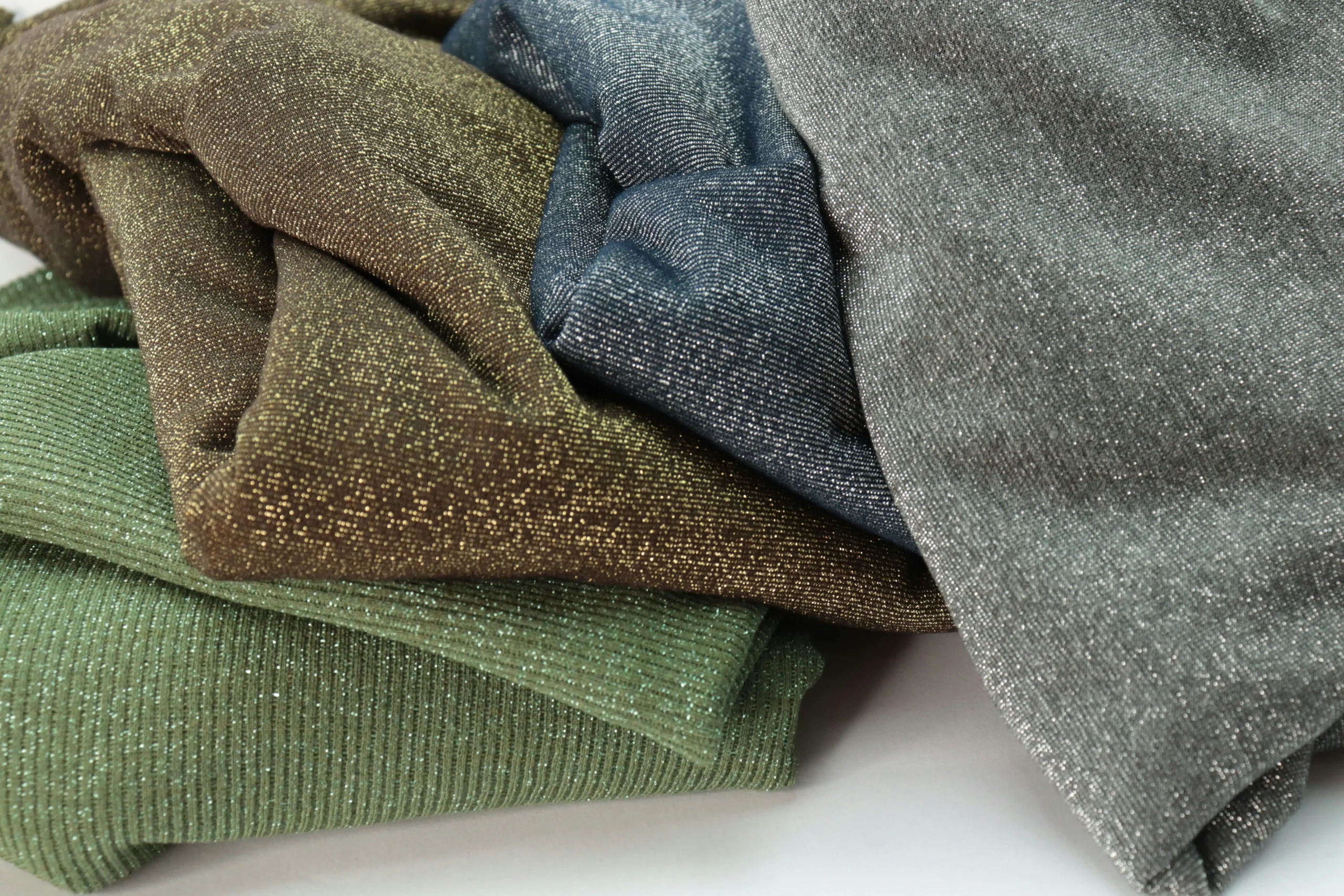
A swatch is a small fabric sample used to verify color, texture, and overall appearance before production. For tweed, the standard swatch size is 10 cm by 7 cm (roughly 4 x 2.75 inches). Fursone provides in-stock tweed swatches in 20+ colors to speed early evaluation.
Sample: Definition and Size
A sample is a larger fabric piece produced for draping and production testing. A typical sample size ranges from 0.5 to 1 meter, allowing you to validate pattern alignment, seam finishes, and fabric behavior in a prototype.
Uses: draping and production testing
Swatches are ideal for quick visual checks on color accuracy and texture for mood boards. Samples support draping, prototype fitting, and early production validation. With Fursone’s 7‑day rapid sampling program, you can move from concept to physical fabric in about one week.
Bulk orders: request strike‑off sample first
For bulk runs, start with a strike-off sample to confirm texture, color across dye lots, and repeatability. Strike-off samples are typically produced in the 0.5–1 meter range for custom textures. Internal guidelines specify a minimum 0.5 meter strike‑off for custom textures, so you can validate before committing to a larger order.
MOQ implications (reference: custom tweed fabric MOQ)
Custom tweed textures start with a 300 metre MOQ, balancing design exploration with supply risk. If you need faster testing, 100 meters of in-stock tweed are available for immediate sampling, helping you de-risk decisions before a bulk purchase. Decision: for rapid evaluation with minimal risk, begin with an in-stock swatch; for texture/color verification at production scale, request a strike-off sample and plan toward the 300 m MOQ.
What a 7‑Day Sample Must Include
Colour Card Inclusion
Each 7‑Day Tweed sample includes a color card with 20+ standard hues, enabling quick color decisions and rapid cross-checks against Chanel‑style bouclé references. The color card ensures you can compare color depth and finish before bulk color development.
Fabric Piece Included
The sample arrives with a fabric piece of at least 0.5 linear meters, sized for hands‑on texture and hand feel testing in early design reviews. This length supports multiple tests without delaying evaluation.
Datasheet: composition, weight (g/m²), care instructions
- Composition: Refer to the internal datasheet for exact composition per variant.
- Weight (g/m²): 400–550 g/m²
- Care Instructions: See datasheet; includes guidance on care and handling. Shrinkage ≤ 3% after first wash; pre‑shrunk options available.
Bouclé hand feel verification
Bouclé hand feel verification ensures the tactile experience matches the intended bouclé loop structure. The 7‑Day sample includes a defined hand‑feel check against a bouclé loop map to confirm loop density, loop tightness, and overall texture before bulk production.
Common flaws
- Loose loops: Visible loose loops indicate under‑twisting or yarn slippage; addressed by tightening twist and rechecking during weaving.
- Uneven twist: Inconsistent twist along the width causes irregular boucle texture; corrected by standardizing twist angle during lay.
Chanel‑style bouclé reference
This section anchors the sample to Chanel‑style bouclé aesthetics. The included reference compares loop density, yarn twist, and color depth to premium Chanel heritage bouclé standards, helping you decide on textures and colors for your collection.

Cutting Sampling Risks Before You Commit
Fast, transparent sampling reduces risk. Daylight photos and color-accurate swatches align samples with collection deadlines.
Pre‑shipment photo under daylight
Request a daylight photo package before shipment to confirm color, texture, and finish. The package should include a full-width shot, close-ups of the weave, and a color reference card. Include both fabric faces and a visible selvage to verify edge quality. Provide the photo under natural daylight (5500K–6500K) with a neutral white background to ensure consistent color interpretation.
- Deliverables: Daylight photo of full width and both sides, neutral background, color reference card, weave close-ups, and edge details.
Video of fabric stretched
Request a concise video (15–30 seconds) showing a gentle stretch to reveal elasticity and drape. The clip should include a scale reference and a color-matched frame to enable precise texture and color evaluation. Include a secondary shot that compares the face and reverse to verify consistency across the roll.
- Deliverables: 15–30s video, clear stretch action, scale reference, and a color frame for accurate comparison.
Deadline clause: reshipment cost if sample arrives after 10 days
Set a strict 10-day window from the sample request to shipment. If the sample arrives later than 10 days, the supplier covers the reshipment cost or provides a credit toward the first bulk order. This ensures alignment with collection timelines and minimizes schedule risk for the designer.
- Proposed clause (example): “If delivery exceeds 10 days from approval, the supplier will reimburse express shipping costs and reship the sample at no additional charge, or credit the amount toward the first bulk order.”
Cost–quality comparison reference: European-mill quality at a fraction of the cost
Use internal benchmarks to compare in-stock, 7‑day sampling with European mills. Internal data shows a 30–50% cost advantage versus European mills, with a typical midpoint around 40%. Combine this with a 7‑day rapid sampling workflow and 100m of in‑stock tweed to reduce upfront risk while maintaining perceived European‑mill quality. Color matching accuracy is ΔE ≤ 1.5 under D65 light, and shrinkage ≤ 3% after first wash (pre‑shrunk options available).
- Key comparative data: Internal data indicates 30–50% cost advantage vs European mills; sample turnaround targets 7 days; color matching ΔE ≤ 1.5; shrinkage ≤ 3% (pre‑shrunk available).
From Sample to Bulk—Next Steps
Dye‑lot continuity after approval
Once a dye lot is approved, we lock the recipe and run it against a live dye‑recipe database to maintain consistency across future production. We pre‑dye 200+ colors so bulk orders can start from an existing palette, reducing shade drift. Our color control achieves color matching within ΔE ≤ 1.5 under D65 light, ensuring the approved swatch remains faithful in bulk. Each bulk order is linked to the approved dye lot with traceability documentation on request. In-stock tweed options range 400–550 g/m² and 150 cm width, with 100 meters ready for sampling and quick fulfillment.
Decision: Confirm the approved dye lot and color code so the same recipe can be reproduced for subsequent bulk runs.
Reorder lead time
For reorders of colors already in stock, orders ship in 3–7 days, leveraging our 100m Ready Stock and standard widths. If a new dye‑lot or bespoke texture is required, lead times follow the bulk production workflow and the 300m custom MOQ. To maintain continuity, specify the exact dye‑lot and color code so the same recipe is used for repeat orders.
Decision: Provide the exact dye‑lot and color code to trigger a stock‑to‑bulk reorder, or select a new dye‑lot for a bespoke texture and we’ll align timing accordingly.
Bulk sealing sample (1 meter from actual production run)
We provide a 1-meter bulk‑sealing sample cut directly from the active production run to ensure the bulk’s weight, finish, and color match. This exceeds the internal minimum strike‑off of 0.5 linear meters and includes dye‑lot traceability for audit purposes.
- Sample Size: 1 meter from the current production run
- Source: Actual bulk weave, weight, and finish
- Traceability: Dye‑lot and batch number documented
- Turnaround: Shipped after approval, within standard 3–7 days
Decision: Approve the 1-meter bulk sample from the current run to validate color and texture before bulk commitment.
Consistency guarantees from long‑standing mills (long-standing Wenzhou tweed mills)
Our partner mills in Wenzhou deliver a proven track record of repeatable textures and reliable supply. Rigorous QA, standardized processes, and strong vendor relationships ensure the same hand feel and color across runs. Color matching remains ΔE ≤ 1.5 under D65, and dye‑lot traceability is provided with bulk orders.
- Heritage: deep Wenzhou tweed development experience
- Consistency: Repeatable texture and color across lots
- Traceability: Full dye‑lot traceability for every bulk order
Decision: Confirm ongoing supplier assurance for long‑term volume and request dye‑lot traceability documentation with the first bulk run.
Conclusion
Fursone demonstrates a fast, reliable path to tweed swatches by pairing ready-stock yarns with a streamlined sampling workflow. You gain access to 100 meters of in-stock tweed and a seven-day turnaround, enabled by live yarn inventory, pre-dyed color banks, and on-site weaving. Custom textures come with a modest minimum and pricing that beats typical European mill quotes by 30–50%.
Compare your current sampling timeline against a seven-day path and consider our in-stock tweed options. Open a sample request on the Tweed Fabric page to see fast-track results for your next collection.
Frequently Asked Questions
Does Hobby Lobby do free fabric samples?
Hobby Lobby’s fabric-sample policies vary by location and are primarily consumer-focused. Some stores may provide small, free swatches in person, while online requests or bulk sampling are not standardized. For professional fashion development, Hobby Lobby is not structured to support rapid, scale-ready sampling. By contrast, Fursone offers 7-day rapid sampling, 100m ready stock, and 300m custom MOQ to streamline tweed development.
When should you stop wearing tweed?
Tweed is a timeless fabric with a strong foothold in fall and winter wardrobes, especially in Chanel-style bouclé and heritage knits. There is no hard rule to stop wearing tweed; adjust by climate, occasion, and garment condition. If the tweed shows heavy wear, pilling, or the color palette feels outdated, you can refresh with new textures using Fursone’s 7-day sampling and 100m stock. For ongoing collections, tailored tweed pieces remain relevant across seasons.
What is the best way to test fabric samples?
Begin with a clear end-use profile and testing plan that covers weight, hand feel, colorfastness, drape, and durability. Request swatches or a 7-day sample from a supplier like Fursone to assess texture and color under real lighting. Conduct practical tests including laundering or dry cleaning, seam stress, abrasion, and pilling checks on a prototype. Record results and iterate with additional textures and the option of larger custom runs via the 300m MOQ.
What is the difference between a swatch and a sample of fabric?
A swatch is a small patch used to evaluate color, texture, and pattern at a glance. A fabric sample is a larger, functional piece used to test performance, drape, and sewing quality in a real production context. In Fursone’s process, you can move from swatch to a substantive sample quickly with 7-day rapid sampling. When ordering, specify the length and tests you need to ensure you receive the right evaluation piece.
What are the disadvantages of tweed fabric?
Tweed offers a timeless look but has tradeoffs: it is heavier and warmer, limiting use in hot climates or summer collections. Bouclé tweed can pill or snag, and it typically requires careful care, often dry cleaning, to maintain its finish. Breathability can be limited and the texture can feel bulky for certain silhouettes. Those considerations can be mitigated by choosing materials from 100m in-stock options or developing targeted textures with 300m custom MOQ from Fursone.
Authoritative References
For a step-by-step guide: How to Source Fabric from China for Small Brands. Need samples first? Request free fabric swatches.

Related Insights

How to Compare Fabric Quotes from Three Mills: A Side-by-Side Method
Three mills return three quotes for the same fabric brief, and the spread between them...

CNY Capacity Planning: Booking a Fabric Mill Around Chinese New Year
Every year, fabric buyers lose the same three weeks to the same event: Chinese New...

Second-Source Strategy: How Brands Qualify a Second Tweed Mill
Single-sourcing a signature fabric feels efficient right up to the season it fails: the mill’s...