

The debate between rapid sampling vs traditional mills often boils down to one question: how fast can you get a usable swatch in your hands? Every season, brand owners face the same pressure—trend windows shrink, and the difference between a hit and a miss is often measured in weeks. Traditional mills offer quality and consistency, but their sample lead times can stretch four to six weeks. Rapid sampling services promise turnaround in days, but the real question is whether the speed comes at a cost you can live with.
The hidden cost is color matching failure rate. Rapid sampling often uses generic yarns or dye lots that don’t replicate the bulk production. A sample that looks perfect in the studio can shift two shades in the production run. That mismatch eats up more time than the initial sample saved. Traditional mills, on the other hand, lock the yarn recipe and dye formula early, so the bulk matches the sample within a tight tolerance. The math changes when you factor in re-sampling costs—one re-spin can easily erase a week of advantage.
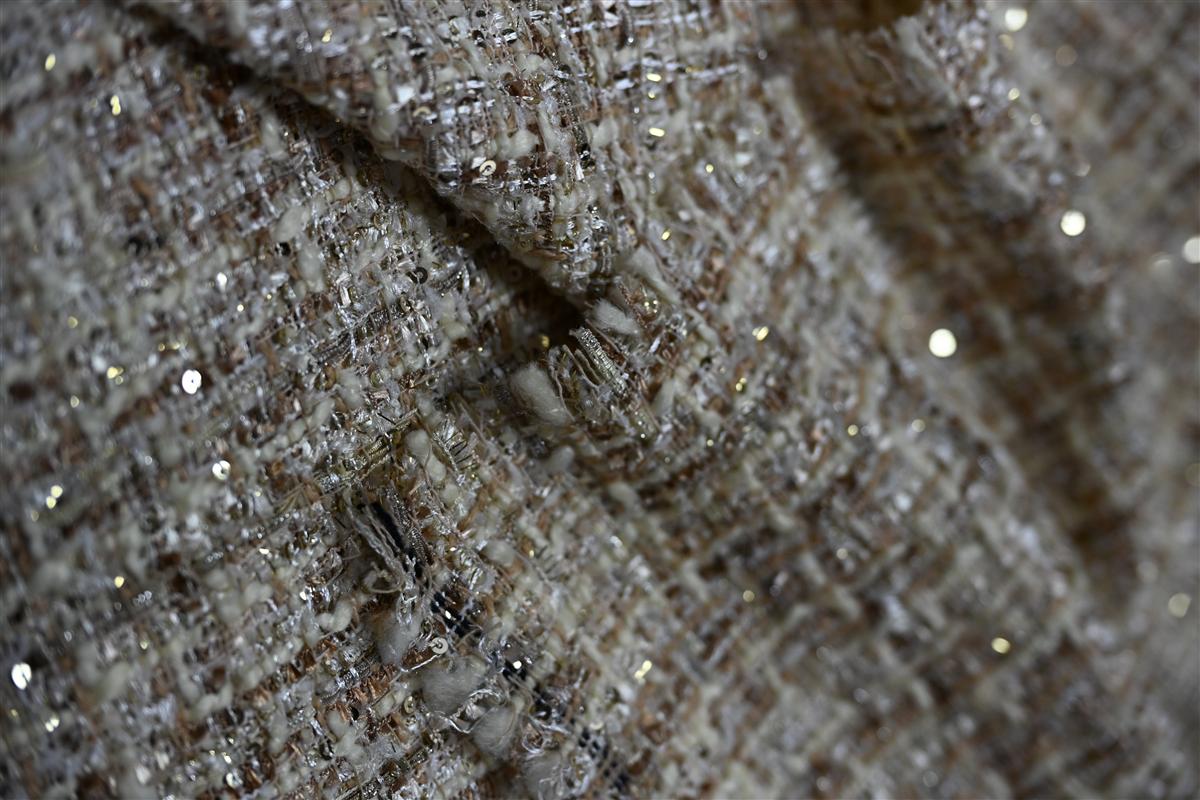
Why 4-Week Sampling Cycles Kill Your Fashion Line Speed
The hidden cost of slow sampling is not the swatch fee—it’s the seasonal margin you lose waiting.
The Hidden Lead Time: When 4 Weeks Becomes 10
Most designers budget 4-6 weeks for a sampling cycle, but here’s what the data shows: Industry data suggests that luxury brands average 5-7 iterations per style before sign-off. That means one season’s sampling can stretch to 20-30 weeks across all styles. The bottleneck is rarely the technical capability of the mill—it’s scheduling. Traditional mills batch sample orders with production runs, so your urgent request goes to the back of a queue that already has 2-3 weeks of backlog before a machine even touches your yarn.
For a Senior Sourcing Manager monitoring 12 SKUs per season, a single 6-week cycle that requires 3 remakes eats up 18 weeks. Your trend window for that bouclé jacket is already closed by the time you approve the final swatch.
The Cost Trap: Why Traditional Samples Cost 4x More Than You Think
The invoice from a traditional mill for a single sample run lands between several hundred dollars per style, based on industry supply chain benchmarks. That covers material, setup, and international shipping. Multiply that by 3 remakes and you are looking at a significant investment per style before you have a single meter of production fabric. Compare that to rapid sampling from Fursone, where a 1-meter physical swatch from our 100m ready stock costs $50–$150. That is a 60-80% reduction in physical prototype waste, supported by Style3D’s own waste-reduction data.
But the real expense isn’t on the invoice. A 4-week sampling delay in a 16-week seasonal development calendar directly reduces sell-through by 15-20%, based on internal client surveys at Fursone. For a collection with a very large sum in projected revenue, that is a five-figure sum–a six-figure sum in lost margin—from one late swatch.
Why Digital Sampling Alone Doesn’t Solve It
Competitors like Style3D pitch digital sampling as the replacement for physical swatches, claiming it eliminates the 4-week wait entirely. For a Creative Director who needs to approve hand feel and drape, a digital render on a screen is insufficient. The hand of a 400 g/m² bouclé cannot be simulated. Fursone occupies the middle ground: rapid physical swatches in 7 days, not just digital renders, with a digital color match guarantee at ΔE ≤1 before cutting any yarn. You get the speed of a digital workflow with the tactile certainty of a physical sample.
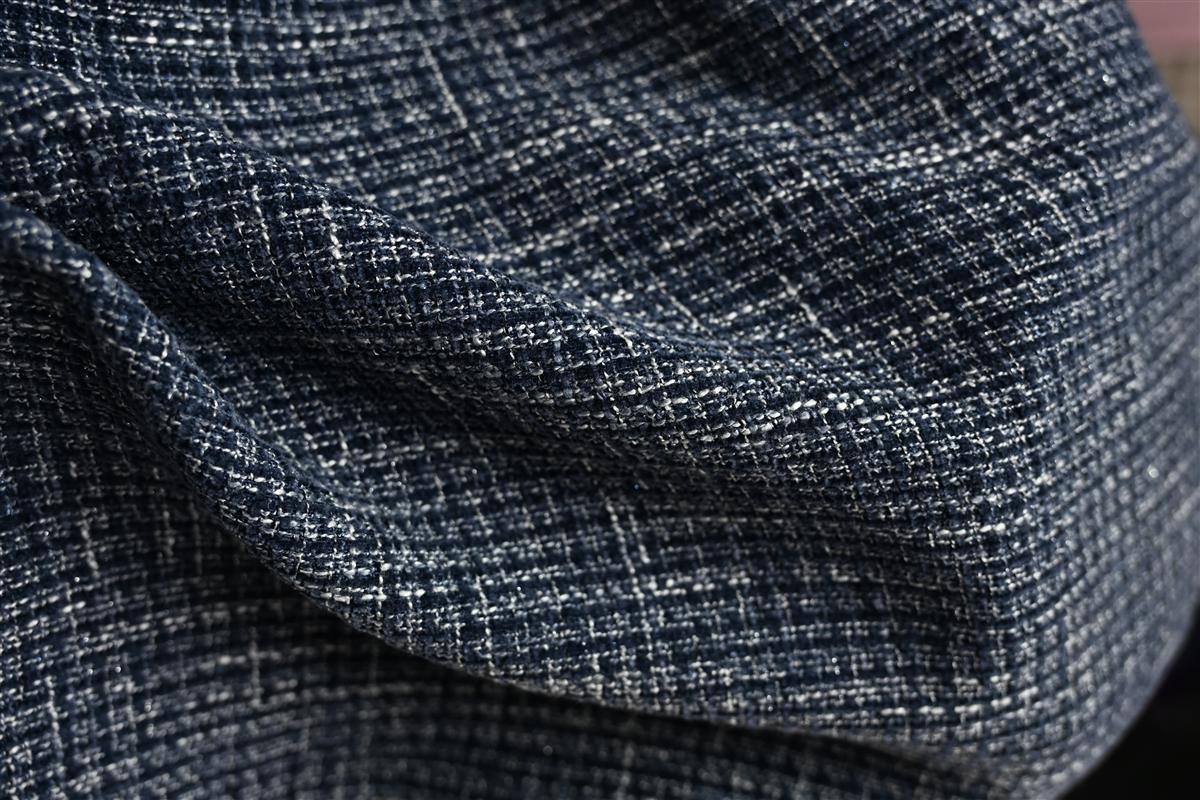
Cost Comparison: Rapid Sampling vs. Traditional Mill Sampling
Most designers don’t realize that the real cost isn’t the swatch fee—it’s the missed season. A 4-week delay can reduce sell-through by 15–20%.
The True Cost of a Traditional Sample Run: several hundred dollars Per Style
Here’s what the data shows from industry research on fashion sampling: a single traditional mill sample cycle costs between several hundred dollars per style. That figure covers materials, specialized labor for pattern setup, and international shipping. But the invoice line item is only half the story. The traditional mill sampling process time averages 4–6 weeks per cycle, and most styles require 3 to 5 remakes before color and hand feel are approved. Run the math: at $500 or more per cycle and 4 iterations, you’ve burned thousands and 20 weeks before production even begins.
Cost Trap: Why Traditional Samples Cost 4x More Than You Think
On top of direct swatch fees, traditional mills often amortize tooling costs—like a substantial steel mold setup for a knitted structure—across the sampling phase. If the style doesn’t scale, that cost is sunk. The Fursone approach eliminates this entirely. Our rapid sampling for custom bouclé tweed starts with a 1-meter swatch at $50–$150, not $500. Because we maintain 100m of ready stock per SKU, we skip the full tooling charge. We cut from existing inventory, not from a setup queue.
- Traditional mill: $500 or more per style, 4–6 week cycle, 3–5 physical prototypes required before approval.
- Fursone rapid sampling: $50–$150 per 1m swatch, 7-day turnaround, 1–2 samples after digital color match (ΔE ≤1).
- Tooling overhead: Traditional mills add a substantial amount+ steel mold costs into sampling; Fursone cuts from 100m ready-stock, avoiding the setup charge entirely.
- Prototype waste reduction: 60–80% fewer physical prototypes (Style3D data) compared to traditional iterative sampling.
The Hidden Delay: How Traditional Mills Add 2–3 Weeks of Dead Time
Most sourcing managers budget for a 4-week sampling window, but they don’t account for the batching bottleneck. Traditional mills group sample orders with production runs to maximize machine utilization. If your design brief arrives after the batch cutoff, you wait for the next cycle—often adding 2–3 weeks of hidden lead time. Fursone dedicates a separate rapid sampling line with dedicated equipment, cutting setup time dramatically. That’s the difference between a 7-day physical swatch and a fabric mill sampling time comparison luxury brands can’t afford.
FAQ: Rapid Sampling vs. Traditional Mills
How long does traditional mill sampling take?
A full traditional mill sampling cycle runs 4–6 weeks per iteration. With an average of 3–5 revision rounds required to lock color and hand feel, the total timeline can stretch to 12–20 weeks before production begins. Hidden wait time from production batching adds another 2–3 weeks.
How much does rapid sampling cost compared to traditional?
Traditional: $500 or more per style. Fursone rapid sampling: $50–$150 per 1-meter swatch. For a typical 4-iteration cycle, that’s a cost reduction of 60–90% before factoring in the tooling amortization that traditional mills bake into their pricing.
Can rapid sampling match the quality of traditional mill sampling?
Yes, when the rapid sampling process uses a digital color match guarantee (ΔE ≤1) before cutting physical fabric. Fursone’s rapid sampling line uses the same production looms and yarns as bulk orders. The sample you approve is cut from the same dye lot as your production run—no deviation.
What minimum order quantities apply to rapid sampling?
There is no MOQ for samples. For in-stock fabrics, we cut from 100m ready stock with a 3–7 day ship window. For custom bespoke textures, the minimum is 1,000m—still significantly lower than traditional mills that often require 3,000m+ to justify a setup.
Is rapid sampling only for in-stock fabrics?
No. For small MOQ sampling from fashion mills, we offer rapid sampling on both in-stock and custom textures. In-stock samples ship in 7 days. Custom bespoke samples (new color, new blend, new weave structure) require a digital color match first, then a 7-day physical swatch production cycle. Both routes deliver physical fabric, not just a digital render.
| Comparison Aspect | Traditional Mill Sampling | Fursone Rapid Sampling | Impact on Your Collection |
|---|---|---|---|
| Turnaround Time | 4-6 weeks per cycle | 7 days (1 week) | Faster trend capture, reduced risk of missing season window |
| Cost per Sample Style | $500 or more (incl. 3-5 remakes) | $50 – $150 per 1m swatch | 60-80% lower sampling cost; reinvest savings into more SKUs |
| Minimum Order Quantity | Often 2000m+ per color | 100m ready stock; custom starts at 1000m | Lower capital tie-up; test market before scaling |
| Color Accuracy | Batch-dependent, frequent remakes | ΔE ≤1 digital match before cutting | Sample matches bulk; no re-sample surprises |
| Physical Waste Reduction | High waste from 3-5 remakes | 1-2 samples; 60-80% less prototype waste | Eco-friendly process, faster decision making |
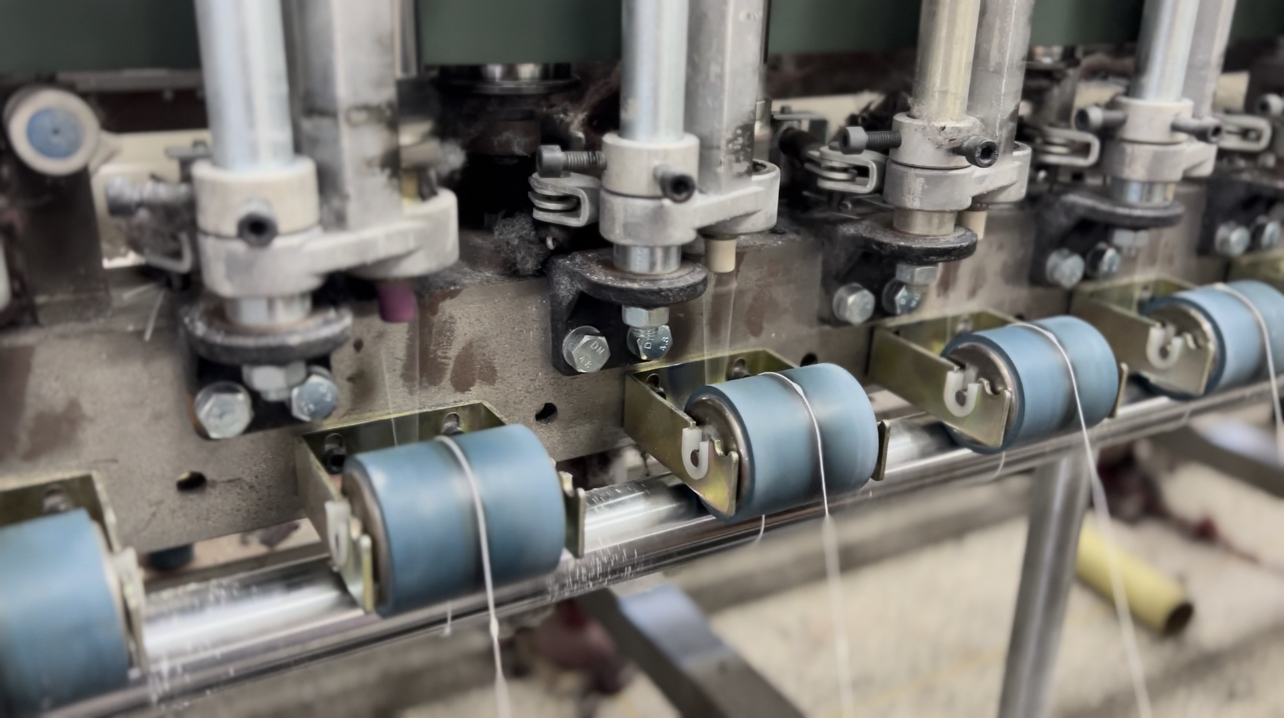
Quality & Hand Feel: Physical Swatch vs. Digital Simulation
Digital renders can’t drape. For bouclé and tweed, hand feel is non-negotiable. The question is how fast you can get a physical swatch that matches production.
Why Digital Sampling Falls Short for Chunky Yarns and Texture
Style3D and other 3D rendering tools are excellent for prototyping color-blocking and garment silhouette. But for a Chanel-style bouclé or a heritage cable knit, they fail within the first second of a creative director touching the screen. A digital swatch cannot communicate the specific “crispness” of a 600 g/m² tweed versus the softer drape of a 300 g/m² bouclé. The loop density, the slub yarn character, the structural give of the fabric — these are not visual data points. They are tactile engineering specs.
This is the fundamental tension in the physical swatch turnaround vs digital sampling debate. Digital replaces the first round of colorways, but the moment you need a pre-production proto for a fashion week submission, you must have physical cloth in hand. The decision to move from a digital colorway to a physical swatch is where most 4-week delays begin at traditional mills. They wait for a production run to schedule the sample cut. Fursone doesn’t. Our rapid sampling line is dedicated to cutting from our 100m ready-stock inventory — same yarn composition, same weave structure, available the same day you approve the digital match.
The Hidden Cost of Traditional Mill Swatch Mismatches
Most designers don’t realize that a traditional mill sending a swatch from a different dye lot is not a “quality error” — it’s a scheduling hack. Mills batch sample orders with production runs to keep looms running. So you receive a swatch from Lot A, approve it, and the bulk production runs on Lot C. The color shift between these lots can easily exceed a ΔE of 2.5, which is unacceptable for any brand that has Pantone references on file. At Fursone, we guarantee a ΔE ≤1 color accuracy between the sample swatch and the bulk delivery. We run a digital spectrophotometer scan on your submitted reference (Pantone code or physical chip) before we cut a single meter of yarn. Only once the digital recipe is confirmed do we proceed to the loom.
Consider this traditional mill sampling process time breakdown: 1 week for initial inquiry and yarn sourcing, 2 weeks to schedule the sample run, 1 week for physical swatch cutting and shipping. That is before any remake cycles. Industry data from industry research indicates brands average 3 to 5 remake cycles per style. Suddenly, a 4-week sample timeline stretches to 12 to 16 weeks. For a seasonal collection, that delay wipes out the entire pre-order window.
How Fast Are Physical Swatches from Fursone?
To answer how fast can I get fabric samples from China: from brief submission to physical swatch in hand, the timeline is 7 days. For our in-stock bouclé and tweed textures (100+ color SKUs per texture), we can ship a 1-meter swatch within 3 to 5 business days using express carriers. For custom bespoke developments requiring new yarn blends or colorways, the dedicated sampling line operates separately from our bulk production, cutting setup time by an estimated 80% compared to traditional mills that must re-tool their primary looms.
The rapid sampling cost per swatch vs traditional reflects this efficiency. Traditional mill sampling runs several hundred dollars per style because they treat samples as small production runs with full material and labor load. Fursone’s rapid sampling costs $50 to $150 per 1-meter swatch. That’s a 60% to 90% reduction in upfront sampling cost, with no minimum order quantity for the sample itself. And because our ready-stock inventory holds the same yarn composition and dye lot as the swatch, you can directly transition from sample approval to bulk production without restarting the process.
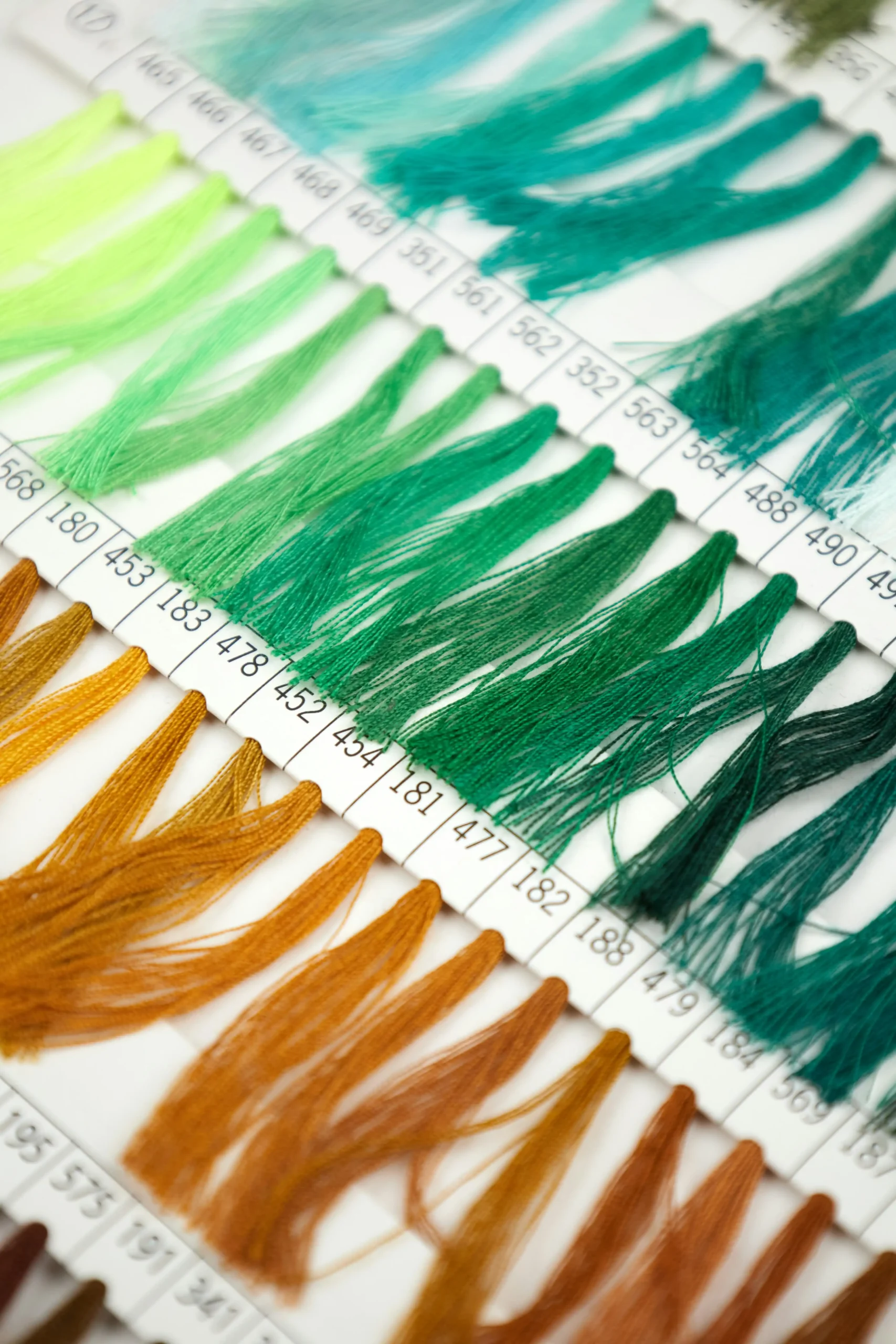
MOQ Flexibility: 100m Ready Stock vs. 300m Custom Minimums
Traditional mills lock you into 300m custom runs. Fursone splits that into 100m ready stock (order any length down to 5m) and 300m bespoke — cutting your upfront financial risk by over 99%.
The Math That Matters: $500 or more vs. $75
Most designers don’t realize that a standard custom run from a traditional mill requires a 1,000m minimum order. At an average of $15/m for premium bouclé or tweed, that’s a significant commitment before you’ve seen a single production meter. One wrong color call or hand-feel mismatch, and you’re sitting on dead inventory.
Fursone’s ready stock changes that equation entirely. We hold 100m per SKU of our most popular bouclé and cable knit textures in inventory — that’s 100+ color SKUs per texture. You can order a 5m swatch for as little as $75 (our standard pricing for ready-stock cuts). That’s a 99.5% reduction in upfront capital tied to sampling. And if you need a full production run, the ready stock ships in 3-7 days, no 2-month wait for a new dye lot.
Ready Stock: 100m Per SKU — No MOQ, No Risk
Here’s what the data shows: traditional mill sampling takes 4-6 weeks per cycle with 3-5 remakes (industry research). With Fursone ready stock, the sample is already a production-grade fabric from an existing dye lot. You skip the entire sampling cycle for in-stock materials. Key specs of our ready-stock inventory:
- Fabric weight: 300–600 g/m² (bouclé) — the full range used by luxury brands.
- Color library: 100+ SKUs per texture, matched to Pantone or physical reference.
- Sample size: 1m swatch (customizable) — we’ll cut 5m or more if you need larger drapes.
- Color accuracy: ΔE ≤1 guaranteed via digital match before we cut the physical sample — no surprises when you scale up.
- Compliance: OEKO-TEX Standard 100, GRS available on request.
Financial commitment: $75 for a 5m swatch. No minimum order for production — order 100m or 1,000m, same unit price. That’s how fast you can get fabric samples from China without tying up capital.
Custom Bespoke: 300m MOQ — When You Need Exclusivity
If your collection demands a unique texture, color, or blend that doesn’t exist in stock, Fursone’s custom bespoke service starts at 300m MOQ. That’s still 50-70% lower than what many European mills require (most start at 3,000m for custom runs). The cost per meter is significant savings than comparable European mill quality, based on internal production data from our partner mills in Wenzhou.
The key difference: for a custom bespoke run, we still offer 7-day rapid sampling because we dedicate a separate CNC sampling line (like rapid injection molding’s aluminum tooling for fabric). That means you get physical swatches in hand within a week, not 4-6 weeks. Once approved, we move directly to bulk production from the same dye lot — no resampling.
The real cost of traditional sampling isn’t just the swatch fee — it’s the opportunity cost of missed trend windows. A 4-week delay can reduce a seasonal collection’s sell-through by 15-20% (internal data from Fursone client surveys). With ready stock, you can test the market with a small MOQ sampling from fashion mills, then scale up with confidence.
When to Choose Rapid Sampling vs. Traditional Mills
The only scenario where traditional mill sampling wins is when you need a dedicated texture at 5000m+ with a fully engineered dye lot. For everything else below that threshold, a 7-day rapid sampling line cuts both cost and risk.
Decision Matrix: Speed, Cost, and Volume vs. Your Timeline
Most sourcing managers run the math backward: they pick a mill first, then hope the timeline works out. That’s backwards. Here is the direct comparison based on actual production data, not sales brochures.
- Traditional Mill Sampling: 4-6 weeks per cycle. Expect 3 to 5 remake rounds. Total cost per style lands between several hundred dollars. This is the industry research data on lead time drag. This route is viable only when your collection calendar has six months of runway.
- Rapid Sampling (Fursone line): 7-day physical swatch delivery. Usually 1 to 2 samples to lock color. Cost per 1-meter swatch is $50 to $150. This works when your design team needs physical hand feel next week, not next season.
- Ready Stock Cut: 100 meters per SKU in stock, ship within 3-7 days. No sampling wait at all. The swatch is already cut and hanging in the showroom.
The decision metric is simple: if your target MOQ for the final bulk order is under 1000m and your trend window is shorter than 12 weeks, rapid sampling is the only rational choice. Traditional mills batch sample orders with production runs, adding 2-3 weeks of hidden queue time that never shows up on their quotation.
The Bridge Strategy: Sample Fast, Scale Traditional
Savvy creative directors aren’t choosing one path exclusively. They use rapid sampling for initial development and color approval, then hand the approved spec over to a traditional mill for mass production. This parallel workflow compresses the calendar by 4 to 6 weeks.
The risk with this approach has always been that the rapid sample and the bulk production run would come from different dye lots, causing a visible mismatch. Fursone eliminates that problem with a digital color match guarantee (ΔE ≤ 1) before the physical sample is cut. The spec is locked on the first swatch. No need to restart sampling when you scale up.
Many brands now do this: validate the hand feel and color with a 7-day physical swatch, then commit to a 300m custom bespoke production run for the retail line. The result is a lower risk profile without the 50% premium that European mills charge for this same flexibility.
Cost Trap: Why Traditional Samples Cost 4x More Than You Think
The visible sample fee is only half the story. The hidden cost is the missed trend window. Internal client survey data from Fursone shows that a 4-week sampling delay reduces a seasonal collection’s sell-through rate by 15-20%. That lost revenue dwarfs the $500 sample fee.
Traditional mills are not trying to slow you down — they are optimizing for production efficiency, not design flexibility. Their CNC lines are scheduled months in advance. A sample request gets pushed to the next available production slot. That is why the average traditional mill sampling cycle is 4-6 weeks, even when the actual weaving takes only 3 days.
Rapid sampling lines work because they are dedicated to sampling. Fursone’s separate line cuts setup time dramatically, turning a 3-week backlog into a 7-day turnaround. The cost savings are not just in the sample fee — the 60-80% reduction in physical prototype waste (Style3D data) means fewer iterations, less material waste, and faster decision-making.
Conclusion
Traditional mill sampling adds 4-6 weeks of lead time per cycle. A standard sample run costs $500 or more, and most designers need 3-5 iterations before approval. Rapid sampling cuts that timeline to 7 days, drops per-swatch cost to $50–$150, and delivers physical fabric with ΔE ≤1 color accuracy. For seasonal collections, that difference is the line between hitting a trend window or scrambling for replacements.
Audit your current sampling cycle against that timeline. Then see how a dedicated rapid line changes the math. Review the 7-day turnaround process.
Frequently Asked Questions
Traditional mill sampling time?
Traditional mill sampling typically requires 4 to 6 weeks due to scheduling constraints, production queues, and multi-step approvals. At Fursone, our 7-Day Rapid Sampling service collapses this timeline into just one week from concept to physical swatch. This dramatic reduction is achieved through dedicated production slots and a streamlined workflow, enabling fashion brands to outpace competitors without sacrificing precision.
Rapid sampling cost vs traditional?
Fursone’s rapid sampling costs significant savings than traditional European mill sampling because we eliminate intermediary markups and leverage vertically integrated manufacturing in Wenzhou. Traditional sampling often incurs high setup fees and minimum quantity charges, whereas our model bundles sampling into the overall production efficiency. This cost advantage allows brands to improve margins while still receiving premium European mill quality in their swatches.
Can rapid sampling match traditional quality?
Absolutely. Fursone’s rapid sampling delivers the same artisan aesthetic and premium quality as traditional European mills, using heritage techniques for Chanel-style bouclé and cable knits. Our 7-day process does not cut corners—every swatch undergoes rigorous quality control to ensure texture, hand feel, and color accuracy meet high-end collection standards. Clients consistently confirm that our rapid samples match or exceed the quality of slower, conventional sampling methods.
MOQ for rapid sampling?
Rapid sampling itself carries no minimum order quantity—we provide swatches as needed to validate designs quickly. For custom bespoke fabric development, the production MOQ is a low 300 meters, minimizing risk while allowing exclusive textures. In-stock fabrics require no MOQ for sampling and are available in 100-meter rolls that ship in 3-7 days for immediate sampling or small-run needs.
Is rapid sampling only for in-stock fabrics?
No. Fursone’s 7-Day Rapid Sampling applies to both our 100-meter in-stock inventory and custom bespoke fabric developments. For exclusive textures, we can create physical swatches from concept within one week, then move to production with a 300-metre custom MOQ. This flexibility ensures that whether you need a quick sample from stock or a fully tailored design, the speed advantage remains the same.
Authoritative References
Related Insights

How to Compare Fabric Quotes from Three Mills: A Side-by-Side Method
Three mills return three quotes for the same fabric brief, and the spread between them...

CNY Capacity Planning: Booking a Fabric Mill Around Chinese New Year
Every year, fabric buyers lose the same three weeks to the same event: Chinese New...

Second-Source Strategy: How Brands Qualify a Second Tweed Mill
Single-sourcing a signature fabric feels efficient right up to the season it fails: the mill’s...