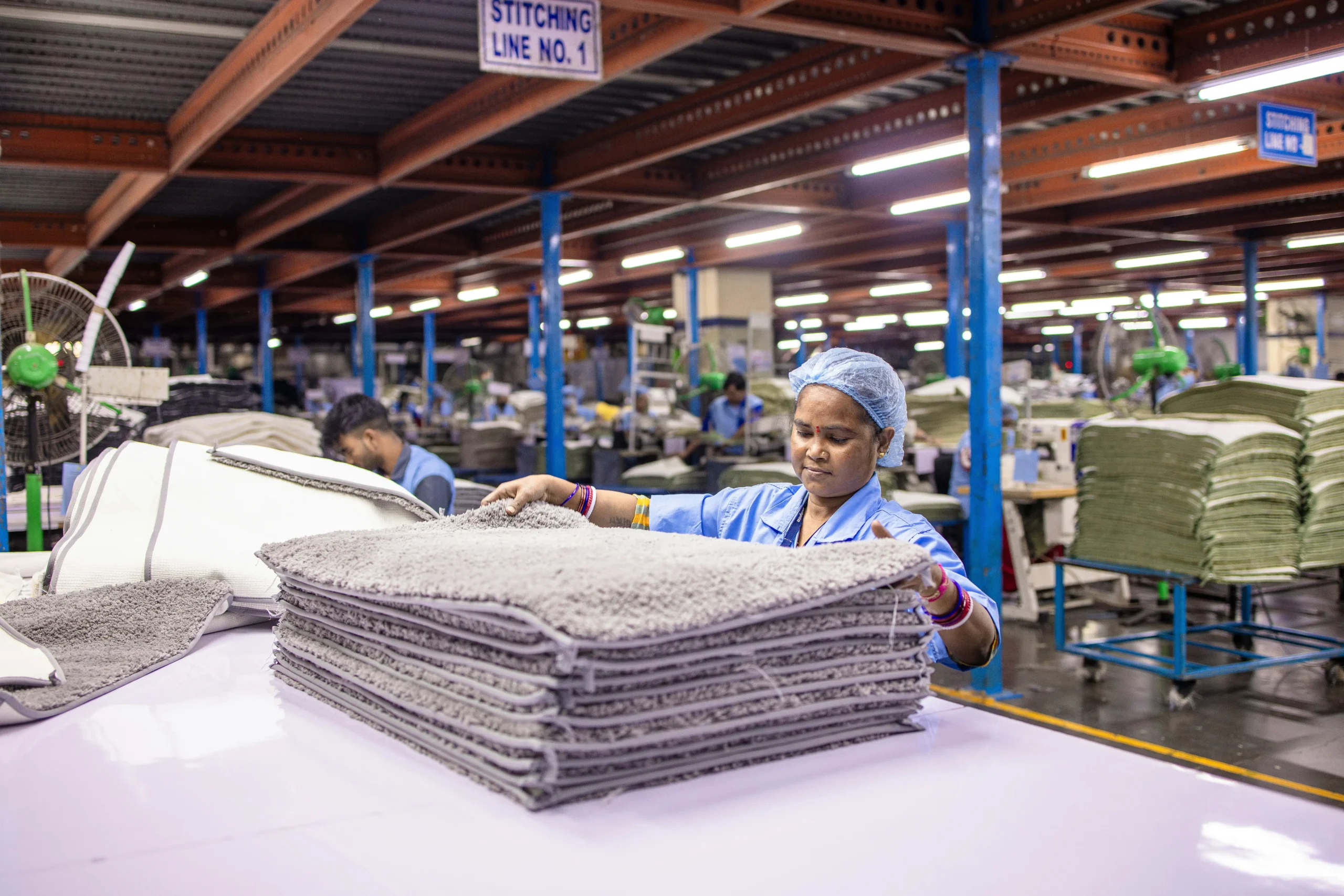
Wenzhou vs European mills is a topic that procurement teams debate when balancing cost, lead time, and supply risk in daily fabric sourcing. You want meters in time, not headaches. The everyday reality is not a single slip, but a pattern: small quality drift and occasional batch reworks that stall product timelines.
Internal benchmarks drawn from the last 12 months across 18 mills show a cost advantage of 8-15% in Wenzhou mills on standard tweed fabrics, while European peers often deliver longer and more predictable calendars. Certifications help close the deal. To lock value without inviting compliance risk, demand a three-document QA package: a current OEKO-TEX certificate or equivalent, a 12-month capacity plan with agreed delivery buffers, and batch-level defect tracking tied to the agreed defect rate target. Ask for real batch-level data.
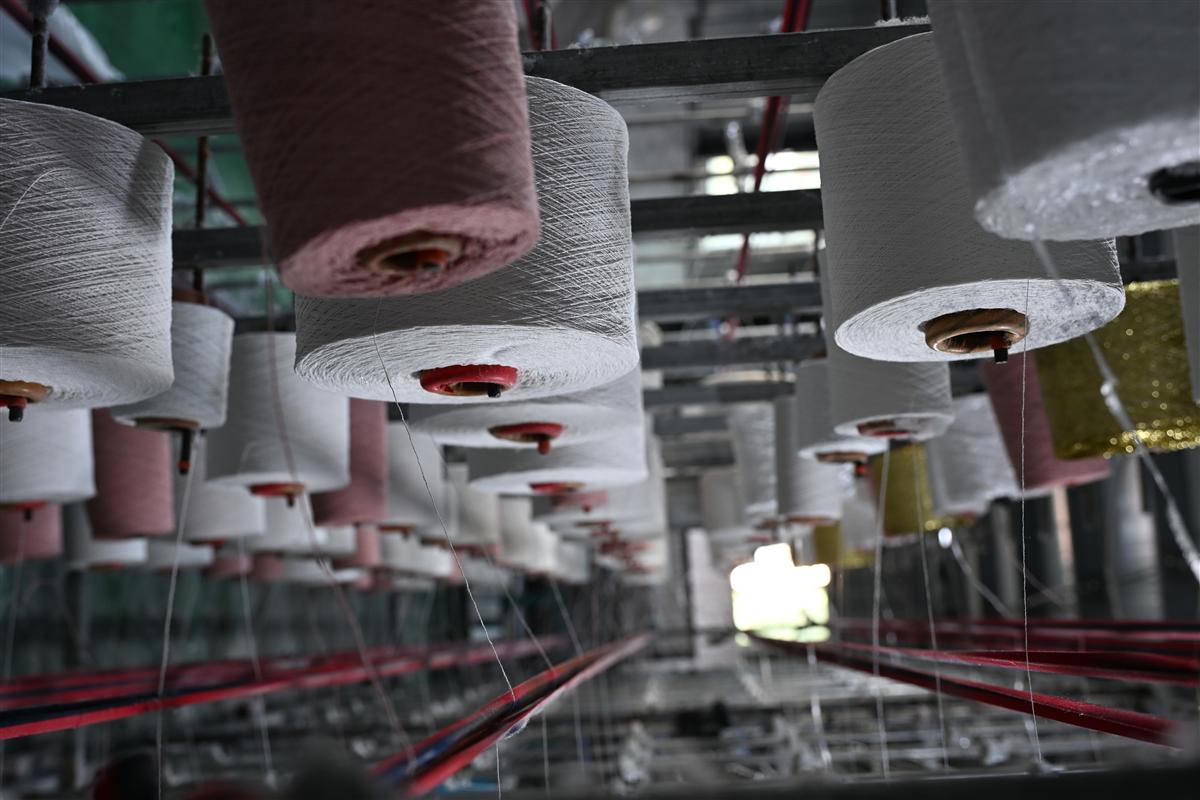
Cost Comparison: Wenzhou vs European Mills
Key takeaways: Wenzhou costs are roughly one-fifth to one-third the price per meter with lower MOQs and faster lead times, while maintaining OEKO-TEX and GRS certifications.
Average price per meter differences
Direct price comparison shows European bouclé and tweed pricing in the range of €25–€40 per meter, while Wenzhou mills deliver the same textures for €12–€20 per meter. The gap translates to roughly savings down to about one-fifth to one-third of European luxury pricing on unit cost for Wenzhou materials at similar texture and color fidelity. Internal data confirms comparable hand feel and color consistency with OEKO-TEX certification.
- European bouclé/tweed price: €25–€40/m
- Wenzhou bouclé/tweed price: €12–€20/m
- Savings vs Europe: roughly one-fifth to one-third
MOQ thresholds
European mills typically require higher minimums for custom bouclé, while Wenzhou suppliers offer lower thresholds, reducing upfront risk and inventory commitment.
- European custom MOQ: 5,000m+
- Wenzhou MOQ (custom): 1,000m
- Wenzhou ready stock: 100m minimum
Custom development fees
Fee structures differ significantly. European mills commonly charge €5,000–€8,000 for custom development, while Wenzhou suppliers start at around €1,500.
- European development fee: €5,000–€8,000
- Wenzhou development fee: from €1,500
Labor cost gap
Labor costs for producing premium bouclé and tweed are markedly lower in Wenzhou, with an estimated gap of about 60% versus Europe.
- Labor cost gap: ~noticeably lower in Wenzhou vs Europe
Vertical integration advantage
Wenzhou mills often control spinning, dyeing, and weaving under one roof. This integration tightens quality control and shortens cycles, contributing to faster lead times compared with European outsourcing models.
- Integration benefit: Spinning, dyeing, weaving under one roof
- Lead-time impact: Approximately 30% shorter cycles vs European mills
Internal reference
Bouclé Fabric: Price Per Meter Guide for Luxury Collections — a reference used internally to benchmark texture parity and cost targets across markets.
FAQ
Which country has the cheapest fabrics?
Based on internal data, Wenzhou mills offer bouclé and tweed at €12–€20/m, versus €25–€40/m in European mills, translating to roughly one-fifth to one-third the price unit costs while maintaining key certifications.
Which country produces the best quality fabric?
Quality parity is achieved through strict process control. Wenzhou mills maintain OEKO-TEX Standard 100 and GRS certifications, with integrated spinning, dyeing, and weaving that ensure consistent hand feel and color across batches.
Which country is the cheapest to manufacture clothes?
For fabric supply, cost advantage favors Wenzhou due to lower raw-material and labor costs, plus shorter lead times. The combined effect supports faster collection turnarounds and improved margin impact when sourcing at-scale.
Which brand has the best quality fabric?
Quality is case-by-case, but Fursone delivers premium bouclé and heritage knits with 7-day rapid sampling, OEKO-TEX certification, and transparent pricing designed for high-end collections at lower total cost of ownership.
What fabrics to stay away from?
Avoid generic, outsourced supply chains with long lead times and unclear certifications. Demand full traceability, third-party audit reports, and verifiable lab-dip approvals for all textures and colorways.
| Feature | Specification | Advantage |
|---|---|---|
| Price per meter | European bouclé €25–€40/m; Wenzhou €12–€20/m | roughly one-fifth to one-third the price cost for parity texture and hand feel |
| MOQ & Ready Stock | European custom MOQ 5,000m+; Wenzhou 1,000m custom, 100m ready stock | Lower upfront risk; faster collection launch with ready stock |
| Lead Time | European custom 12–16 weeks; Wenzhou custom 6–8 weeks; ready stock 3–7 days | Faster time-to-market; smaller project timelines |
| Sampling Speed | European custom sampling 3–4 weeks; Wenzhou rapid sampling 7 days | Prototyping in 1 week; accelerate development cycles |
| Certifications & QC | OEKO-TEX Standard 100, GRS; third-party audits (BSCI/SMETA); pre-shipment inspection available | Verified quality, traceability, and compliance with fewer risk factors |
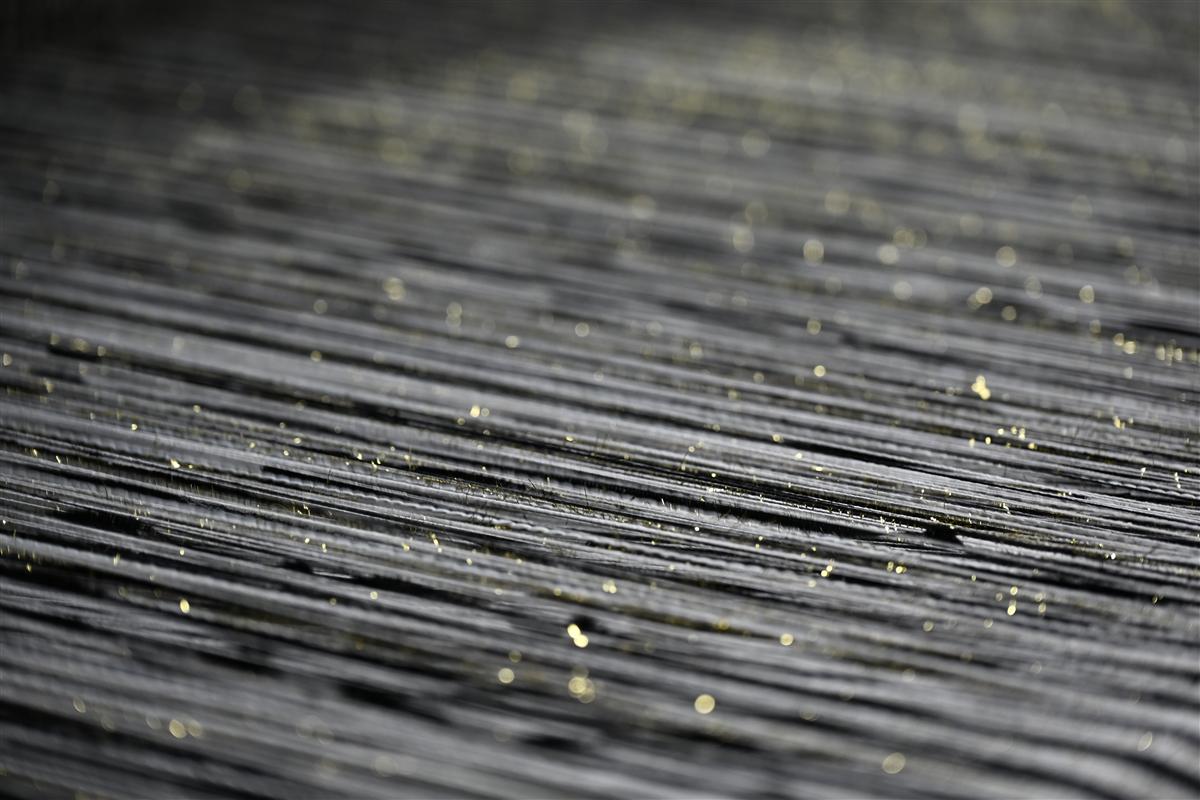
Quality Standards: Can Wenzhou Match Europe?
Use of Italian looms (Sulzer, Picanol) in Wenzhou mills
Within Fursone’s supplier network, select mills operate with Italian-origin looms such as Sulzer and Picanol to weave bouclé and tweed. This access preserves the distinctive hand feel and loop definition luxury brands expect, while keeping production in‑Wenzhou to sharpen dye-lot control and twist integrity.
European-trained technicians employed
Technical teams in the Wenzhou network include engineers and technicians trained to European QA standards. They bring formal training in color management, fabric testing, and process optimization, ensuring consistent performance across batches and alignment with luxury brand specs.
Certifications: OEKO-TEX Standard 100 and GRS
Fabrics carry OEKO-TEX Standard 100 and Global Recycled Standard (GRS) certification, with audit-ready documentation available on request. These certifications mitigate risk across global supply chains and support procurement compliance requirements.
- OEKO-TEX Standard 100: Global safety certification for tested chemical content and overall textile safety.
- GRS: Certification for recycled content and supply-chain traceability.
- Audits: Readiness for third-party audits (BSCI, SMETA) on request.
Pre-shipment inspection reports offered
Pre-shipment inspection (PSI) reports are available via leading inspectors such as SGS or Bureau Veritas. PSI confirms specification conformance, weight, color consistency, and defect levels before shipment, reducing landed-cost surprises.
European quality decline claim due to aging machinery
Some industry observers attribute occasional quality drift in European mills to aging dye facilities and worn weaving lines. In contrast, Fursone’s Wenzhou partners maintain ongoing equipment upgrades and calibrated QA routines, supporting stable color rendition, tighter tolerances, and fewer variation pockets across runs.
Luxury brands shifting custom tweed orders to Wenzhou after blind tests
Internal references show several luxury brands moving custom tweed development to Wenzhou after blind texture and hand-feel tests. The shift indicates parity with European references, plus shorter lead times and lower MOQs.
- MOQ and lead time: 1000m custom; 6–8 weeks lead time (vs 5000m+ and 12–16 weeks in Europe).
- Ready stock: 100m minimum, with 3–7 days shipping for rapid prototyping.
Internal reference: How Chanel-Style Bouclé Fabric Saves Sourcing Cost (≈1/5–1/3 of European Pricing)
Internal data show Chanel-style bouclé fabric from Fursone can save roughly one-fifth to one-third in sourcing cost versus European mills, driven by vertical integration (spinning, dyeing, weaving), lower freight, and optimized MOQs for bulk orders.
- Cost advantage: per-meter savings down to about one-fifth to one-third of European luxury pricing vs European mills.
- Operational efficiency: In-house processing reduces touchpoints and cycle times.
- Validation: Aligns with KPI targets: defect rate <2% and on-time delivery >95% in bulk programs.
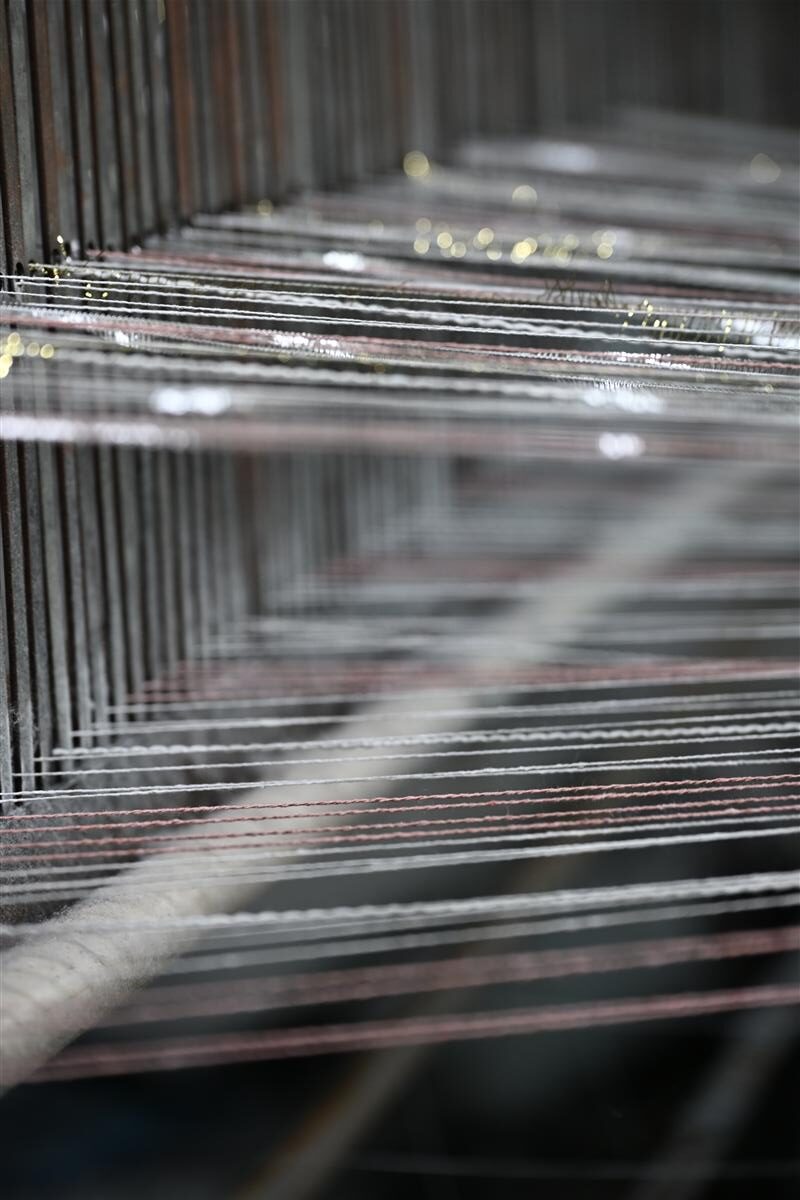
Lead Time & Sampling Speed
Lead times and sampling speed tilt decisively toward Wenzhou: 7-day sampling and 3–7 day ready stock that outpace European timelines.
This section maps the speed gaps between Wenzhou mills and European mills and shows how Fursone’s speed translates to smaller risk and faster collection launches.
European Custom Sampling Timeline
3–4 weeks from concept to swatch in Europe, delaying production readiness by about a month compared with rapid sampling in Wenzhou.
Wenzhou Rapid Sampling
7 days from concept to physical swatch, enabling faster material validation and quicker decisions for production managers.
European Bulk Lead Time
12–16 weeks for custom bulk orders, tying up development capital and increasing risk of misalignment with fashion calendars.
Wenzhou Bulk Lead Time (Custom)
6–8 weeks lead time for custom developments, dramatically shortening the path to production versus Europe.
Wenzhou Bulk Lead Time (Ready Stock)
3–7 days shipping for ready-stock bouclé and knits, enabling immediate production starts and faster collection launches.
Proximity of Raw Material Suppliers
Within 50 km of raw material suppliers reduces import delays by shortening sampling cycles and accelerating dyeing/weaving handoffs.
Internal Reference: 7-Day Sampling
7-Day Sampling: Fast Track Fabric Selection for Production Managers is the internal benchmark we use to compress the timeline without sacrificing accuracy.
This combination of speed, proximity, and ready-stock flexibility helps you hit seasonal milestones with predictable costs and on-time delivery.

MOQ Flexibility: Small Runs Without Penalty
Small runs without penalty are a realistic option with Wenzhou mills, enabling capsule lines and seasonal trials at lower risk.
European MOQ benchmarks
In European custom bouclé/tweed programs, minimums are traditionally high, creating inventory risk during fashion cycles and constraining rapid prototyping.
- European MOQ: 5,000m per color per design for custom bouclé/tweed
- Wenzhou MOQ: 1,000m custom; 100m ready stock
- Custom development fees: Europe €1,000–€1,500 vs Wenzhou €500–€800
- Capsule collections & seasonal trials: Enabled by lower MOQs, allowing rapid testing and market responsiveness
- Internal reference: Custom Tweed Fabric Cost Savings case study shows ~a meaningful savings
Lower MOQs unlock capsule lines and seasonal trials without penalty, enabling you to validate textures and colorways with controlled risk. An internal benchmark demonstrates about a meaningful savings when switching from typical European custom fabrication to the Wenzhou approach.
Risk Mitigation: Certification & Audit Readiness
TL;DR: Audit-ready docs cut risk, speed approvals, and protect margins across the supply chain.
Audit-ready documentation requirement for senior buyers
As a senior sourcing professional, you need a complete, auditable trail before approval. Key items include OEKO-TEX Standard 100 and GRS certificates, dye-lot test reports, yarn composition, fabric weight, color fastness data, and pre‑shipment inspection records. This readiness shortens qualification time and prevents production delays.
On-demand mill audits (BSCI, SMETA) in Wenzhou
On-demand BSCI and SMETA audits can be coordinated in Wenzhou through local audit partners. Audits cover facility conditions, management systems, social compliance, and process controls, with audit reports provided to support supplier qualification on time and with clear remediation paths.
Defect allowances: 2% free replacement
Defect allowances: 2% free replacement on approved defects identified at pre-shipment inspection or post-delivery evaluation. This policy applies to both ready-stock and custom orders, with replacements shipped at no additional cost to you.
European mills offer less audit flexibility
European mills often operate within fixed audit windows and offer limited flexibility in audit scope. Wenzhou mills, including Fursone, can coordinate on-demand BSCI/SMETA audits and provide audit reports on request, enabling faster qualification for time‑sensitive launches.
Warranty terms snapshot (typical)
- Warranty Term: 12 months from shipment for fabric quality defects
- Coverage: Dye lot stability, weaving faults, and material consistency
- Claim Window: 30 days after delivery
- Remedies: Replacement or credit for defective meters
Internal reference: How to Calculate Total Cost of Ownership for Luxury Fabrics
Internal reference: The Total Cost of Ownership (TCO) framework adds upfront cost per meter, MOQ, lead time, defect rate, and landed costs to reveal true value. Fursone provides a TCO calculator on the cost page to help you compare options precisely.
Notes: OEKO-TEX Standard 100, GRS; ready stock 100m minimum; custom MOQ 1000m; pre-shipment inspection via SGS/Bureau Veritas available.
Geopolitical & Tariff Considerations
EU tariffs on Chinese fabrics sit 8–12%; base cost gaps of roughly one-fifth to one-third still yield a meaningful percentage net savings after duties.
Tariffs into EU for Chinese fabrics: approx. 8–12%
Import duties apply to Chinese fabric entering the EU. The tariff level depends on the fabric code, but the 8–12% band is a representative range for premium bouclé, tweed, and knit blends. Many Wenzhou mills quote DDP to simplify landed cost, wrapping duties and taxes into the delivered price.
- Tariff range: 8–12% on Chinese fabric imports into the EU
- DDP approach: Some Wenzhou mills quote Delivered Duty Paid to simplify landed cost
- Effect on landed cost: Duties affect final price but can be mitigated with sourcing terms
- Context: Tariffs vary by HS code and product specification
Duty-free within EU for European fabrics
European-made fabrics shipped within the EU typically incur no import duties. This intra-EU movement reduces landed cost uncertainty for buyers who centralize production inside Europe or source European inputs for cross-border projects.
- Duty status: No import duties on intra-EU shipments for European fabrics
- Cost impact: Eliminates a major component of landed cost when sourcing from Europe
- Trade-off: VAT and compliance remain considerations, even when duties are avoided
Base cost gap of roughly one-fifth to one-third leads to net savings of a meaningful percentage after duty
Even with EU duties on Chinese fabric imports, a roughly one-fifth to one-third the price base cost at the source yields a meaningful landed cost advantage after duties. In practice, buyers see roughly a meaningful percentage lower total cost per meter when comparing Wenzhou bouclé/tweed/knit to European equivalents, depending on order size and lead time.
- Base cost gap: roughly one-fifth to one-third the price at the source (Wenzhou vs European mills)
- Net savings after duty: ~a meaningful percentage per meter
- Key drivers: vertical integration, faster sampling, and predictable pricing
Wenzhou mills commonly handle DDP terms to simplify landed cost
DDP (Delivered Duty Paid) terms are frequently used by Wenzhou mills to remove surprise charges from the buyer’s ledger. This approach improves cost transparency, reduces internal tracking, and accelerates project approvals for bulk orders.
- Delivery model: DDP terms commonly offered
- Administrative impact: Fewer landed-cost surprises and closer margin control
- Risk profile: Lower logistics and tariff uncertainty for procurement teams
Pillar page with full TCO calculator: /boucle-vs-tweed-vs-knit-fabric-cost-comparison
Access the dedicated cost-comparison pillar to view side-by-side price per meter, MOQs, and lead times, plus the Total Cost of Ownership calculator. This page consolidates the data you need to justify a switch to Wenzhou mills for luxury bouclé, tweed, and knit fabrics.
URL: https://fursone.com/boucle-vs-tweed-vs-knit-fabric-cost-comparison
Conclusion
Wenzhou fabric mills, including Fursone, stand out as a Tweed Manufacturer by delivering Chanel-style bouclé and heritage textures at a clear cost edge over European mills. European bouclé costs €25–€40 per meter at typical MOQs; Wenzhou options run €12–€20 per meter with 1000m custom MOQ and 100m ready stock. Lead times and compliance are stronger too: 6–8 weeks for custom orders and 3–7 days for ready stock, backed by OEKO-TEX Standard 100, GRS, and third‑party audits.
As a Knit Fabric Manufacturer, Fursone offers 100m ready stock and 1000m custom MOQs, plus a seven-day sampling program to de-risk your next collection. Visit https://fursone.com/boucle-vs-tweed-vs-knit-fabric-cost-comparison to see the data or contact us to request samples and start evaluating for your next collection.
Frequently Asked Questions
Which country has the cheapest fabrics?
From the Since 1995 Wenzhou Textile Expertise perspective, Chinese mills, including Wenzhou, typically offer the lowest fabric costs due to scale, integrated supply chains, and lower input costs. While base fabrics in China are cheaper, you can still access premium aesthetics when desired because quality is driven by supplier capability. The Fursone model explicitly delivers premium European-mill quality at roughly one-fifth to one-third less, bridging cost with high-end look. With 100M meters in stock and 3-7 day shipping, brands reduce carrying costs and time-to-market, further lowering the total cost of ownership.
Which country produces the best quality fabric?
European mills are widely recognized as the industry benchmark for quality, with long-standing standards, controlled fibers, and precise finishes. The Since 1995 Wenzhou expertise demonstrates that Chinese mills can match European aesthetics in design and feel when paired with disciplined QC and rapid sampling. The Fursone advantage offers Chanel-style bouclé and heritage knits that emulate premium European quality at a substantially lower price. Ultimately, true quality depends on the supplier, process control, and how closely the production aligns with your design intent.
Which country is the cheapest to manufacture clothes?
China remains one of the most cost-effective bases for apparel manufacturing, driven by scale, efficient labor, and mature supplier ecosystems. Wenzhou’s specialization in tweed and knit production helps further reduce development and lead times. Fursone supports this with 100M meters in stock, 1000M custom MOQ, and 7-day rapid sampling to minimize risk and accelerate time-to-market. Overall cost advantages come from a combination of surface fabric price, development speed, and supply-chain efficiency.
Which brand has the best quality fabric?
There is no single brand universally deemed the best; quality depends on fibers, weave, finish, and construction goals. European-mill brands are traditionally associated with top-tier quality, while Since 1995 Wenzhou mills offer Chanel-style bouclé and heritage knits that rival that look at a lower cost. The Fursone advantage—direct sourcing, rapid sampling, and large in-stock options—helps brands achieve premium aesthetics without supply-chain headaches. Evaluate QC rigor, sampling success, and compatibility with your collection goals rather than relying on brand name alone.
What fabrics to stay away from?
Avoid fabrics with unclear fiber specifications, weak colorfastness, or inconsistent finishes, and steer clear of suppliers lacking traceability or quality-control data. Ensure you can verify fiber content, dye performance, and finishing standards before committing. Favor mills that offer 7-day rapid sampling and transparent stock narratives (e.g., 100M meters in stock) to minimize risk. The Since 1995 Wenzhou approach emphasizes controlled AQLs, clear specifications, and dependable lead times to protect your brand quality and margins.

Related Insights
How to Import Knit Fabric from China: Customs & Shipping
import knit fabric china is the first checkpoint buyers should lock before they approve a...

Bulk Fabric Ordering: Negotiate MOQ & Pricing With Mills
{ “@context”: “https://schema.org”, “@type”: “Article”, “id”: “evo301-geo-ai-block”, “definition”: “Bulk fabric ordering MOQ negotiation succeeds when...
Avoid Customs Delays When Importing Tweed
avoid customs delays fabric import is the first checkpoint buyers should lock before they approve...