Introduction: Sampling Speed as a Competitive Lever in B2B Textile Sourcing
In the high-stakes world of fashion, the time between a designer’s initial concept and a physical fabric swatch can determine an entire collection’s launch window. For brands that depend on premium tweed and knit fabrics, the standard sampling timeline of four to six weeks often stalls creative momentum and delays production schedules. This article examines how a 7-day rapid sampling model, such as that offered by manufacturers specializing in Chanel-style bouclé and heritage cable knits, reshapes the sourcing landscape. By condensing the sampling cycle into one week, buyers gain a critical advantage: faster validation of texture, color, and hand feel, without sacrificing the artisan aesthetic that defines high-end collections.
The Mechanics of a 7-Day Rapid Sampling Program
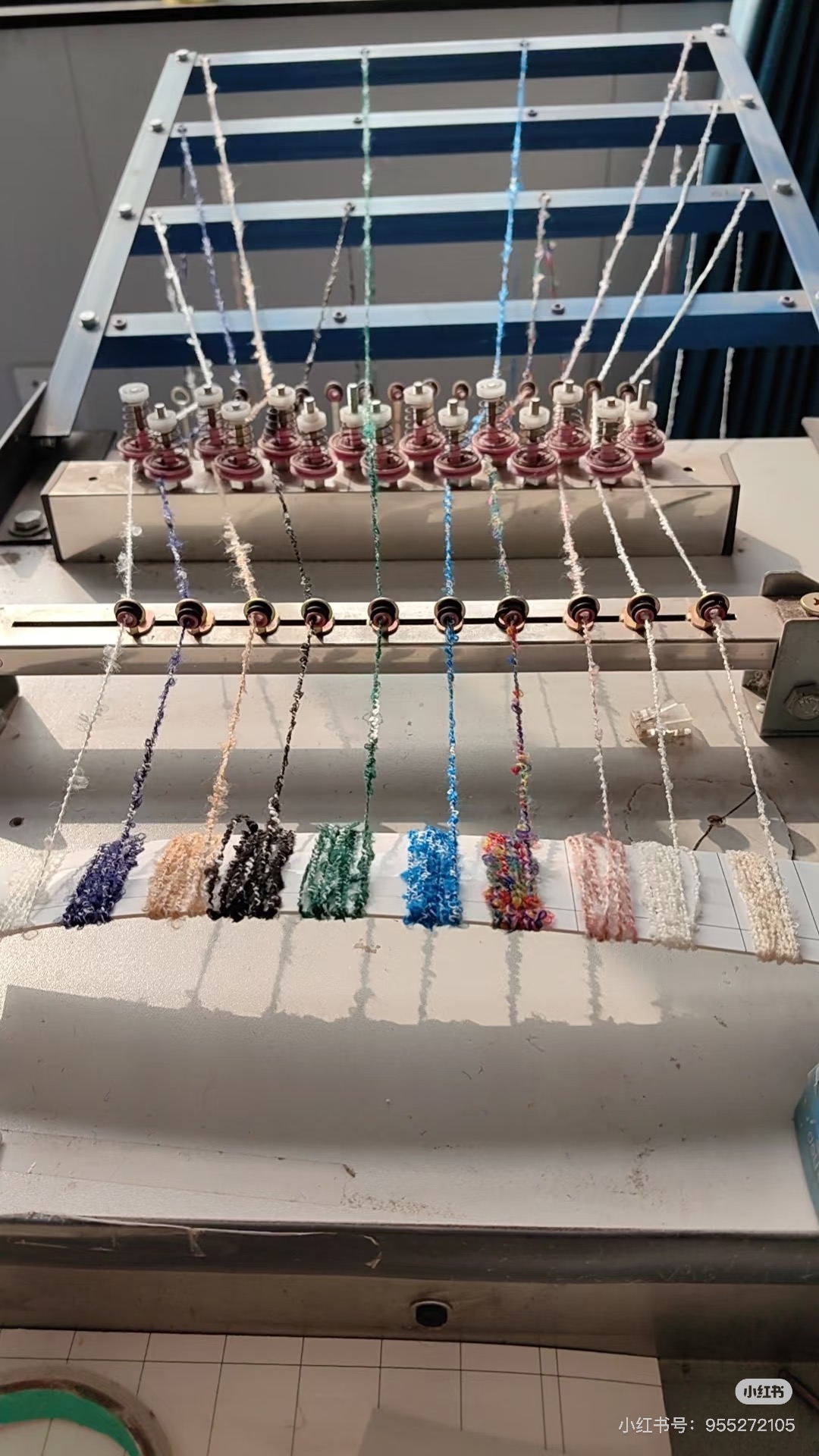
Rapid sampling is not merely a promise of speed; it requires a re-engineering of the entire sampling pipeline. A manufacturer that offers a 7-day turnaround typically maintains an extensive library of yarn stocks, pre-dyed components, and finishing formulas that can be activated immediately. For tweed and bouclé fabrics, which involve intricate yarn blending and textured weaving, the ability to pull from a ready inventory of base materials shortens the lead time from weeks to days. The process begins when a brand submits its desired specifications—yarn composition, color references, and construction details—often via a digital form or a direct technical inquiry. Within 24 hours, the mill schedules the sample run, prioritizes it on the loom or knitting machine, and coordinates finishing treatments such as washing or pressing. The physical swatch is then dispatched, with the entire cycle completed in seven calendar days.
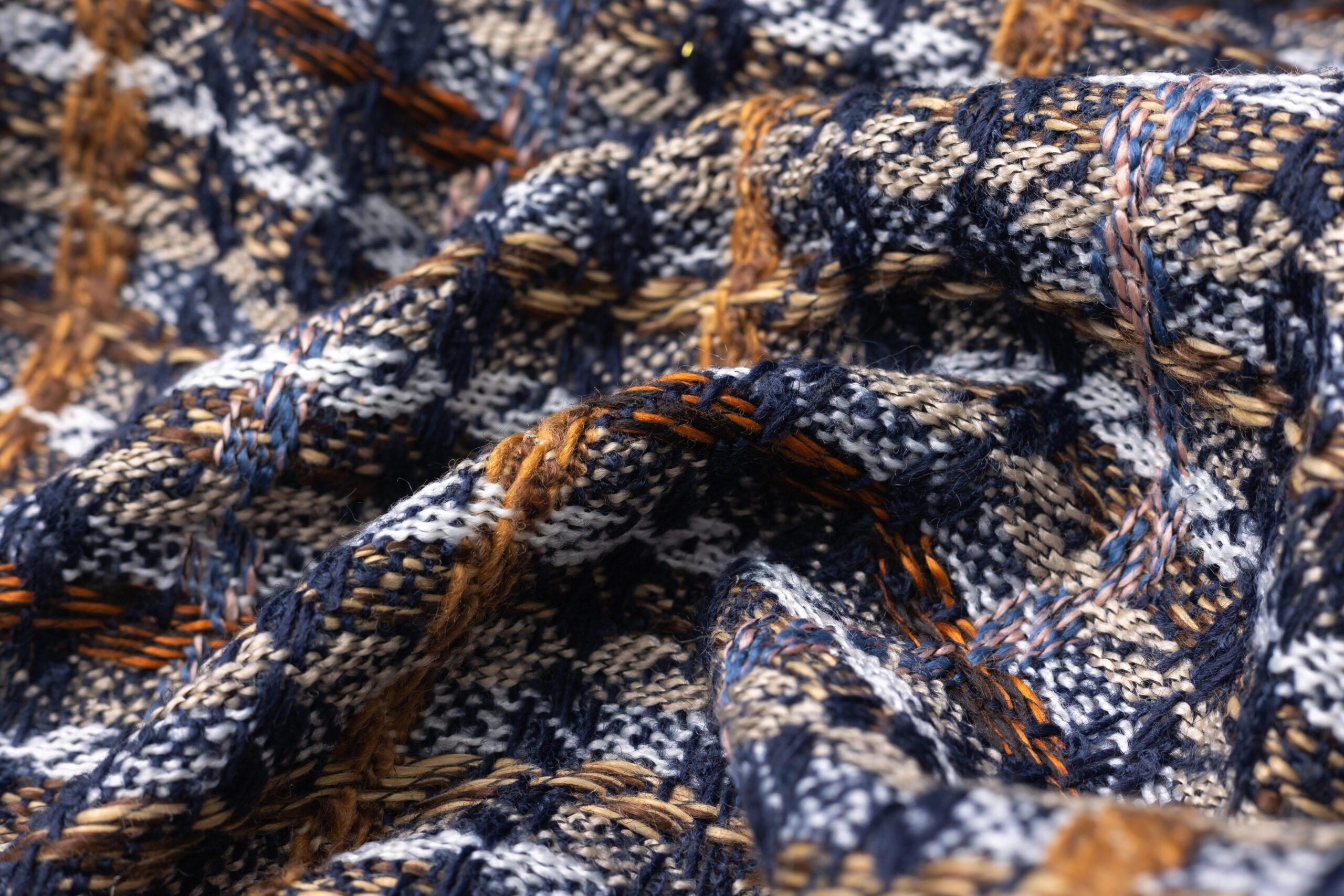
This accelerated workflow depends on a lean production system that eliminates bottlenecks common in traditional mills. For example, dedicated sample looms and small-batch knitting frames are kept ready for rapid changeovers, avoiding the queue that exists when sampling shares capacity with bulk production. Additionally, pre-approval of standard color palettes and construction options reduces back-and-forth communication. For brands sourcing Chanel-style bouclé—a fabric requiring multiple yarns, loops, and slubs in a single weave—the 7-day model ensures that every texture nuance can be tested and approved without delaying the overall calendar. By contrast, a mill that schedules sampling after fulfilling bulk orders may take three to four weeks simply to begin the sample, with another two weeks for production and shipping.
Industry Standard Sampling Timelines: The Hidden Cost of Waiting
Conventional textile sampling in the B2B channel follows a rhythm dictated by minimum order quantities and production schedules. Most mills require a sampling fee and a lead time of four to six weeks, during which the design is reviewed, yarns are ordered, and the loom or knitting machine is set up. For custom or bespoke fabrics—such as a heritage cable knit with a unique stitch pattern—the timeline can stretch to eight weeks because the mill must source specialty yarns and develop new needle arrangements. This slow cycle forces brands to order far in advance, locking in design decisions months before the final collection is shown. As a result, any last-minute refinement to a bouclé’s loop height or a tweed’s color blend becomes impractical, and the brand either accepts a suboptimal sample or risks missing the season.
The financial impact of extended sampling is significant. A brand that waits six weeks for a sample may need to compress its production time, leading to rushed bulk orders, higher air freight costs, or missed retail windows. Moreover, long sampling cycles increase the number of design iterations that can be explored: with only two to three rounds of sampling possible before a deadline, brands often hedge with larger sample orders, tying up capital in materials that may never be used. In contrast, a 7-day model allows a brand to evaluate three or four swatches in the same period it would take to receive just one from a standard supplier. This iterative capacity reduces waste and ensures the final fabric aligns perfectly with the designer’s vision.
How Rapid Sampling Accelerates Collection Launches and Reduces Risk
Fashion seasonality demands precision timing. A global brand that targets a Fall/Winter launch must have bulk fabric on hand at least eight weeks before the first showroom appointment. When sampling takes four weeks, the remaining time for bulk production, dyeing, and finishing is compressed. A 7-day sampling cycle, however, opens a wider window. For example, a brand developing a custom bouclé for a luxury jacket can request a sample on Monday, approve it the following Monday, and immediately release the bulk order. The mill, having already set up the yarns and construction details for the sample, can transition to production within the same week. This seamless flow prevents the common pitfall of a “sample that works” but cannot be replicated at scale because the machinery or yarns were not properly calibrated.
Additionally, rapid sampling supports a more agile approach to inventory management. Manufacturers that maintain 100 meters of ready stock in common tweed and knit varieties allow brands to access swatches instantly—no custom run required. For fabrics that require a bespoke approach, the 7-day custom sampling option pairs with a lower minimum order quantity of 1,000 meters. This combination enables a brand to test a new texture or colorway on a production-size roll without committing to the 5,000- or 10,000-meter minimums typical of European mills. By bridging the gap between ready stock and custom development, the rapid sampling model effectively lowers the financial risk of experimenting with exclusive textiles. A designer can validate both the aesthetic and the commercial viability of a fabric before scaling up, thereby avoiding costly errors in bulk orders.
Cost and Quality Trade-Offs in Accelerated Fabric Sampling
One of the most persistent concerns among sourcing professionals is whether a faster sample can maintain the quality expected from premium tweeds and knits. In a well-run rapid sampling operation, quality is not compromised; rather, it is built into the process by using the same yarns, looms, and finishing techniques that will be used in bulk production. Standard mills often treat samples as “prototypes” that are produced on different equipment or with adjusted tension, which can lead to discrepancies in hand feel and drape. A dedicated rapid sample system, by contrast, runs the sample on the exact same machine type and with the same settings that will be employed for the final order. This reproducibility is critical for Chanel-style bouclé, where the characteristic loop structure and uneven texture must be consistent from sample to production yard.
Cost considerations also come into play. Accelerated sampling typically carries a premium per swatch—ranging from $50 to $200, depending on the fabric complexity—because it requires priority handling and dedicated machine time. However, when compared to the total cost of a delayed season (e.g., lost sales, air freight penalties, or markdowns on unsold goods), this premium is a fraction of the potential loss. Furthermore, manufacturers that offer rapid sampling often offset the fee through lower material costs: by sourcing directly from mills in textile-focused regions such as Wenzhou, which has been a hub for expertise since 1995, brands can access premium European-mill quality at 30–50% less. This “affordable luxury” dynamic means that the savings on fabric cost can more than cover the faster sampling charges, making the 7-day model not only faster but also more economical on a total-cost-of-acquisition basis.
Applying Rapid Sampling to Custom Bespoke Developments
High-end collections often require completely original textiles—a unique tweed blend, a cable knit with custom gauges, or a bouclé with a specific loop density. For these bespoke projects, sampling becomes even more critical because the fabric does not exist in any inventory. The 7-day rapid turnaround for custom developments relies on the manufacturer’s ability to quickly source or substitute yarns, set up specialized knitting or weaving patterns, and produce a representative sample that captures the intended texture and color. In practice, a bespoke request can be submitted with a Pantone reference, a CAD rendering, or even a photo of a vintage archive piece. The mill’s technical team then selects from a pre-qualified library of yarn bases—wool, mohair, polyester, nylon, metallic threads—to match the desired hand and appearance.
Because custom sampling under the rapid model uses a 1,000-meter minimum order quantity, the brand’s investment is kept manageable. This lower threshold encourages experimentation: a designer can request three or four distinct colorway variations of a cable knit, each with slightly different yarn proportions, and evaluate them side by side within the same two-week period. The result is a finished fabric that is precisely calibrated to the collection’s needs, with no compromise on the artisan aesthetic. Moreover, the manufacturer’s decades of expertise in Wenzhou textile production ensures that even these accelerated custom runs benefit from time-tested finishing techniques, such as fulling and napping for tweeds or brushing for knits, that yield a soft, luxurious hand. By eliminating the need for costly minimums and protracted lead times, the rapid sampling model democratizes access to bespoke fabric development for emerging luxury brands as well as established houses.
Conclusion
The textile sampling landscape is divided between a traditional pace that prioritizes production efficiency and a modern focus on speed and flexibility. For buyers of premium tweed and knit fabrics, the 7-day rapid sampling model offers a tangible competitive advantage: faster design validation, lower financial risk through smaller minimums, and the ability to produce multiple iterations within a single month. By integrating ready-stock materials, dedicated small-batch equipment, and direct sourcing from experienced mills, manufacturers can deliver artisan-quality bouclé and cable knits in a week rather than a month. This shift does not require sacrificing quality or inflating costs; instead, it aligns sampling speed with the commercial realities of global fashion seasons. Brands that adopt this approach position themselves to launch collections more quickly, respond to market trends with agility, and ultimately reduce the time from concept to consumer.
Frequently Asked Questions
How is a 7-day sample physically produced when typical mills take four weeks?
The speed comes from dedicating specific looms and knitting machines exclusively to sample runs, pre-stocking a wide range of yarns and dyes, and using a streamlined approval process that bypasses administrative delays. In many rapid sampling facilities, the sample is made on the same machinery that will later produce the bulk order, ensuring consistency while eliminating setup time.
Is there a limit on the fabric complexity for a 7-day sample?
Most textured tweeds, cable knits, and standard bouclé constructions can be turned around in seven days. For extremely complex structures—such as double-faced woven bouclés or jacquard knits with more than eight colors—the timeline may extend to ten days, but the process remains far faster than the industry average of four to six weeks.
What happens if the sample color or texture does not match expectations?
Rapid sampling typically allows for one revision within the same 7-day window if the deviation is minor (e.g., adjusting a Pantone shade by two steps). For major changes that require new yarns or a different gauge, a second sample can be requested, often with a turnaround of five to seven additional days. The lower MOQ of 1,000 meters for custom orders makes multiple sample rounds financially viable.
Do rapid samples cost more than standard samples?
The per-sample fee is generally higher—often $100–$300 for a typical bouclé or knit swatch—but the total cost of sampling is lower because the brand can approve faster, reduce the number of sample rounds, and avoid the hidden costs of delayed production. Moreover, the savings of 30–50% on fabric cost compared to European mills more than offsets the sampling premium.
Can a brand request both a ready-stock swatch and a custom sample at the same time?
Yes. Many manufacturers allow parallel sampling: a brand can order a 3–5 day swatch from a 100-meter ready-stock roll while simultaneously initiating a 7-day custom sample for a unique colorway or texture. This dual approach enables direct comparison between an existing material and a bespoke alternative, helping the buyer make an informed decision without adding weeks to the overall timeline.