

avoid customs delays fabric import is the first checkpoint buyers should lock before they approve a supplier, budget, or production slot. Let me paint a scene. You’ve just had a five-figure order of bouclé rolled into a 40-foot container at a Wenzhou mill. The pre-production sample was approved, the quality tolerance was signed off, but when the container finally lands at Long Beach, it sits for eight days. The customs hold is because the commercial invoice describes the fabric as “wool-blend tweed,” while the packing list says “polyester-rayon bouclé.” The tariff classification doesn’t match the physical shipment. Now your production line is stalled, and the brand manager is asking why the fall collection launch date is slipping. Most buyers assume that a customs hold happens because of something illegal—drugs, counterfeit goods, fentanyl. That is almost never the case with fabric imports. The real reason is almost always paperwork: a misclassified HS code, a missing fiber content label, or a packing list that doesn’t agree with the invoice. After auditing mills across a dozen countries, I’ve seen the same pattern repeat. Buyers don’t fail to avoid customs delays fabric import because they forgot to check anything—they fail because they didn’t align three pieces of paper before the container left the factory gate.
This is not about avoiding a disaster. It is about running a predictable supply chain. Every sourcing manager I know who has imported tweed from Asia has at least one story about a CBP tweed fabric inspection that cost them a week. The trigger is almost never a quality issue. It is a classification problem: tweed fabrics that contain metallic threads get assigned to the wrong chapter in the HTSUS, triggering a higher duty rate and a physical exam. I’ve seen a shipment with Japanese Lurex classified under heading 5806 (narrow woven fabrics) when it should have been under a bouclé style in Chapter 51 or 55. That single misclassification added five days, plus a customs broker fee surcharge. The irony is that the buyer’s own specifications—grams per square meter, weave structure, fiber percentages—are the exact data points Customs and Border Protection uses to verify the tariff code. If you don’t include the GSM on the commercial invoice, CBP will guess. And their guess often leads to a hold.
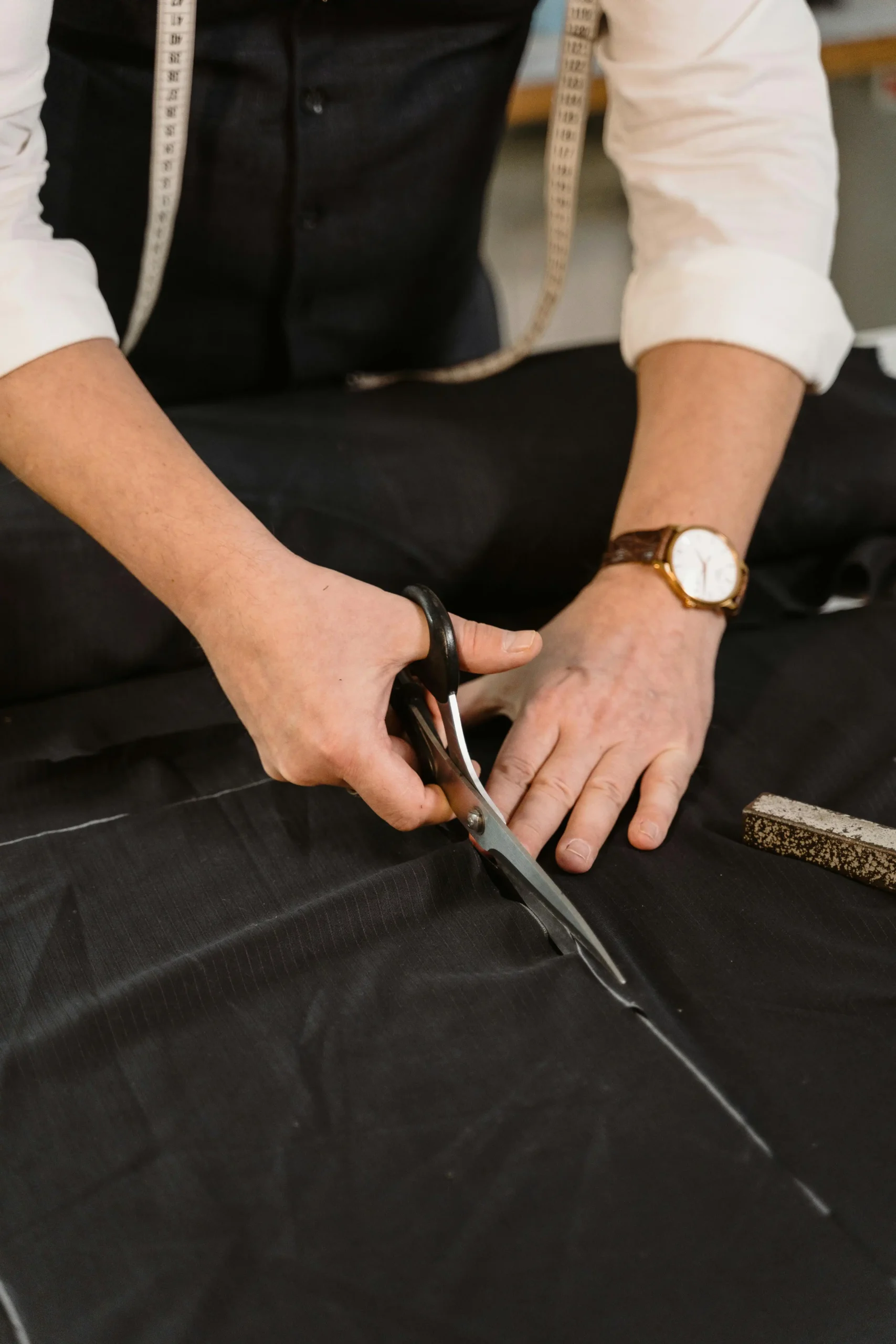
Common Triggers for Customs Holds on Tweed Fabric Shipments
Metallic-thread tweeds misclassified as narrow woven fabrics (heading 5806) face higher duty rates and intensive exams.
After auditing dozens of textile shipments held at US ports, three patterns account for most delays on tweed fabric imports. Each is preventable with the right documentation and classification strategy.
- HS Code Misclassification: The #1 root cause. Tweed containing metallic threads (e.g., Japanese Lurex) is frequently assigned heading 5806 (narrow woven fabrics), triggering higher duties and intensive exams. Correct declaration as woven bouclé under Chapter 51 (wool) or 55 (man-made fibers) avoids this. CBP now routinely requests GSM data to verify the classification — provide a technical data sheet upfront.
- Inaccurate Commercial Invoices: A large share of textile shipment delays stem from mismatches between the commercial invoice, packing list, and bill of lading in product description, unit value, or country of origin. Every line item must match exactly. A single discrepancy can stall clearance for several days while CBP reconciles the documents.
- Missing Fiber Content & Origin Labels: Tweed fabrics require fiber percentage breakdowns (e.g., 50% wool, 30% polyester, 20% acrylic) and a clear country of origin on both the goods and the commercial invoice. Shipments without these labels are subject to hold and physical inspection. Ensure your supplier attaches compliant hang tags or sewn-in labels before loading.
A sourcing manager I worked with lost two weeks on an LCL shipment because the broker’s system showed ‘wool blend’ while the packing list said ‘polyester blend’. The fix is simple: use a single master product description — the same one on every document — and validate it with the supplier’s technical sheet before the container leaves the factory.
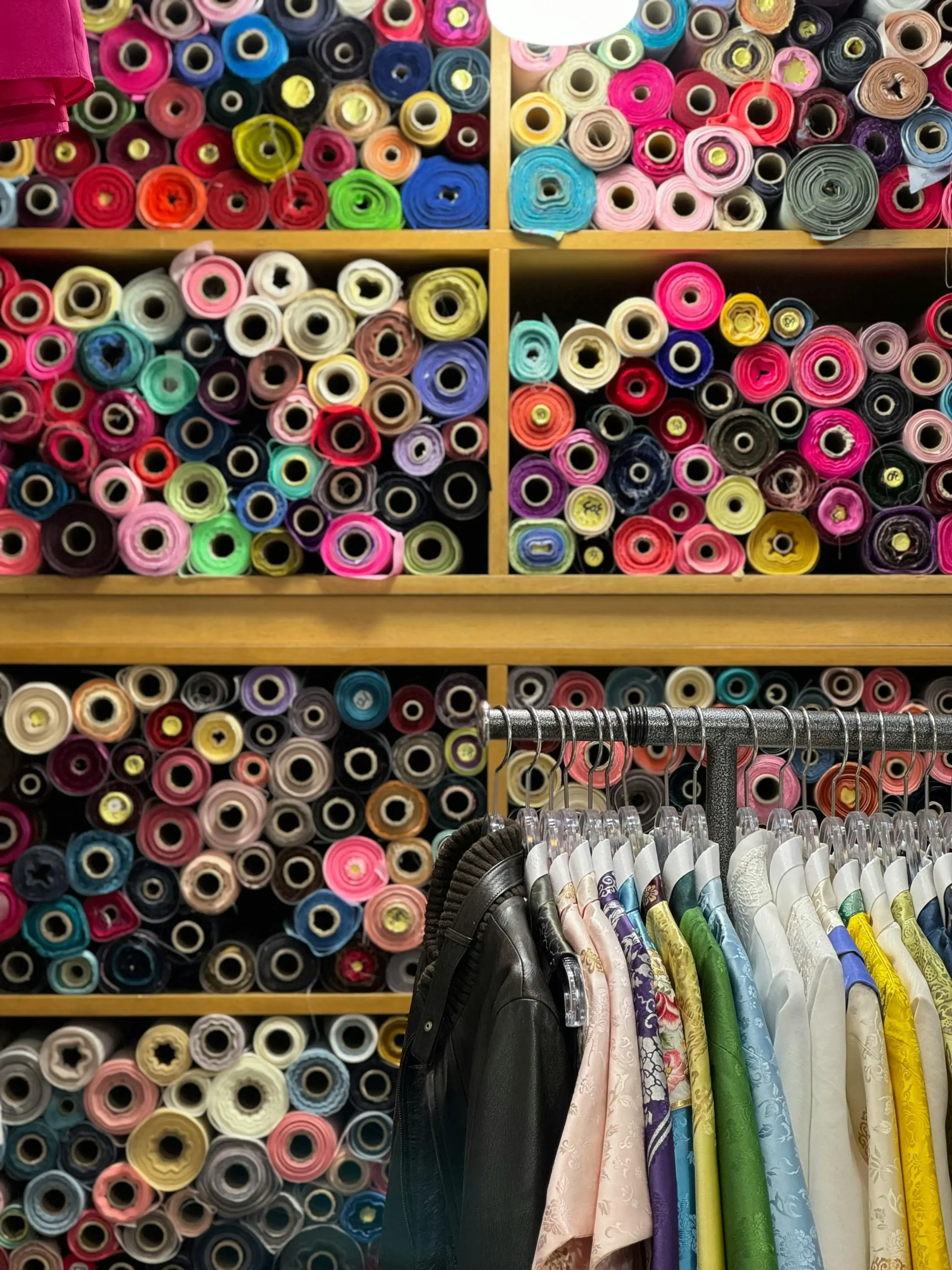
Step-by-Step Guide to Accurate HS Code Classification for Tweed
Metallic-thread tweeds misclassified under 5806 – correct to Chapter 51 or 55 to cut duty and exams.
The first decision in tweed fabric HS code classification is identifying the predominant fiber by weight. Chapter 51 covers wool and fine animal hair fabrics (including bouclé tweeds with wool content above 70% by weight). Chapter 55 covers man-made staple fibers such as polyester, acrylic, or recycled synthetics. Chapter 58 (“Special Woven Fabrics”) includes woven bouclé, chenille, and looped pile constructions – but only if the fabric’s structure, not just the yarn, qualifies. A common trap: tweeds with Japanese lurex or metallic threads get misclassified under heading 5806 (narrow woven fabrics) because customs officers see shiny decorative threads and assume it’s a narrow trim. In reality, these are wide woven bouclé fabrics and belong under their fiber-based chapter. Misclassification spikes duty rates and triggers intensive examinations, adding days or even weeks to clearance.
- 1. Verify fiber composition by weight: Request a fiber breakdown certificate from your mill. If wool ≠ 100%, determine the man-made fiber % (e.g., 60% polyester / 40% wool → Chapter 55). This single step prevents most initial classification errors.
- 2. Identify weave type: Is it a true woven bouclé (looped pile on a ground weave) or a plain/twill with fancy yarns? Woven bouclé falls under Chapter 58 heading 5803 or 5804; plain/twill goes under Chapter 51 or 55. Document the weave structure (e.g., “jacquard bouclé”) on the commercial invoice.
- 3. Measure grams per square meter (GSM): CBP now routinely cross‑checks GSM against declared tariff. A 400 g/m² wool‑blend tweed may qualify for a lower (sometimes zero) rate under Chapter 51 and applicable programs, while the same fabric misclassified under Chapter 58 can attract a higher duty (confirm the exact rate against live HTS/USTR data). Provide the exact GSM on the technical data sheet.
- 4. Prepare a detailed technical data sheet: List fiber % (by weight), weave type, GSM, and construction notes (e.g., “contains 5% metallic thread – not narrow woven”). Mills like Fursone issue these with every shipment – send the sheet to your customs broker before the cargo arrives to pre‑empt queries.
The final step is to verify that the commercial invoice, packing list, and bill of lading carry identical product descriptions, unit values, and country of origin. Discrepancies between these documents cause a large share of textile shipment delays at US ports, even when the HS code is correct. Align descriptions to the exact wording on the technical data sheet – if a fabric is labeled “wool‑polyester woven bouclé” in the mill’s spec, use that phrase everywhere. For metallic‑thread tweeds, add a line: “Not narrow woven; classifiable under Chapter 51/55 based on primary fiber.” This pre‑filing routine eliminates the most common grounds for a customs hold.
| Fabric Type | Correct HS Chapter | Required Technical Data | Common Misclassification | Benefit of Accurate Classification |
|---|---|---|---|---|
| Wool-Dominant Tweed | 51 (5111-5113) | Fiber composition (≥70% wool), GSM (350–500 g/m²), weave type | Chapter 58 (special woven) — triggers higher duty rates and physical exams | Lower duty, faster clearance, avoids CBP holds |
| Man-Made Fiber Tweed | 55 (5515-5516) | Fiber % (polyester/nylon/acrylic), GSM, weave construction | Chapter 60 (knit fabrics) — incorrect duty and secondary exams | Ensures correct duty rate, prevents overpayment and delays |
| Bouclé / Novelty Weave | 51 or 55 (based on fiber) | GSM, weave type (woven, not knit), yarn structure | Chapter 60 (knit fabrics) — bouclé loops mistaken for knit | Avoids reclassification and ad-hoc inspection holds |
| Metallic Thread Tweed | 51 or 55 (woven bouclé) | Base fabric weave, metallic content as accent, GSM | Heading 5806 (narrow woven fabrics) — intensive exams + higher duties | Prevents misclassification and lowers exam risk |
| Recycled Polyester Tweed | 55 (5515) if synthetic | GRS certificate, recycled content %, GSM, weave | Classed as virgin fiber — missed tariff preference or audit risk | Supports duty savings via trade agreements, ensures traceability |
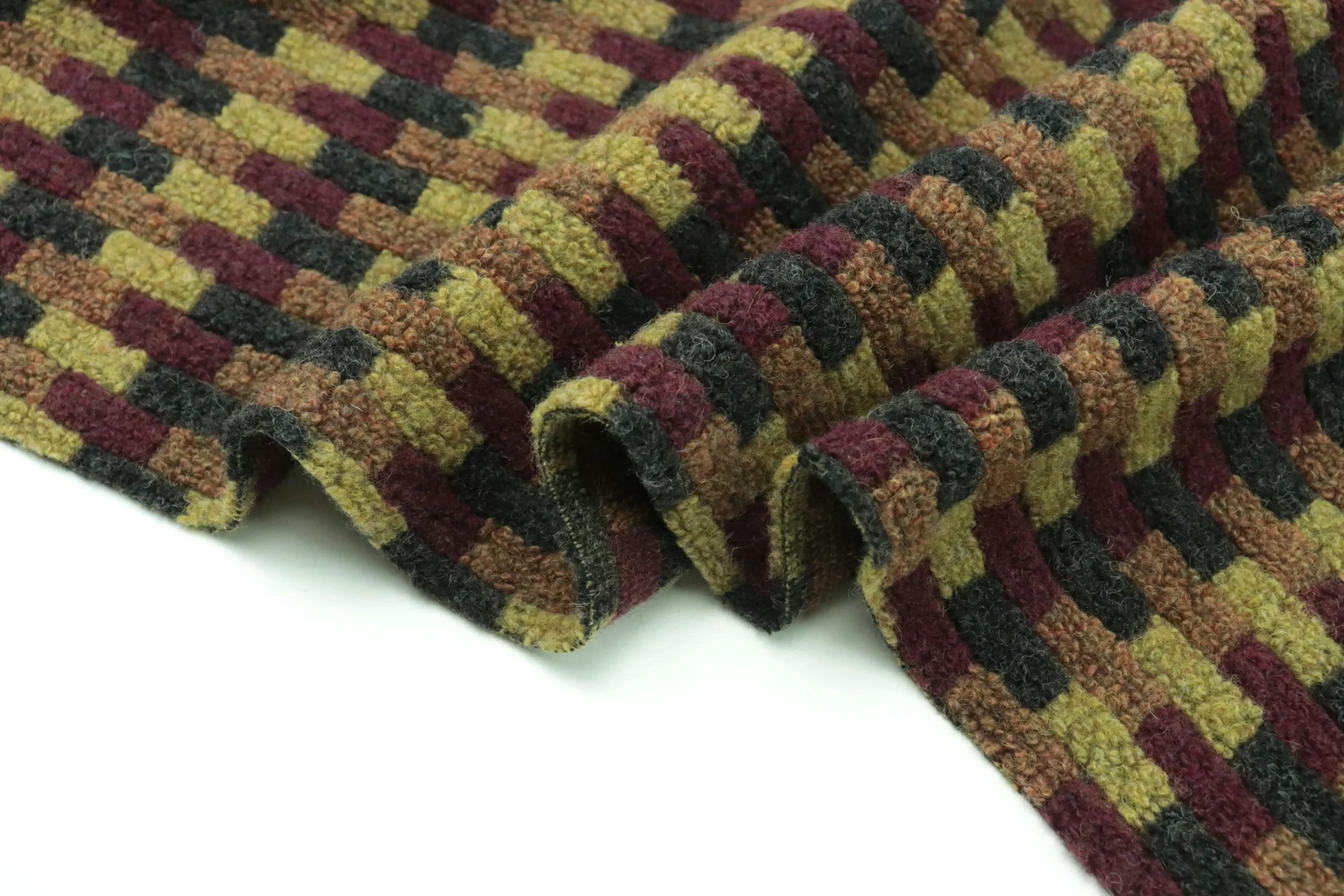
Essential Documentation Checklist for Smooth Clearance
Document discrepancies are a leading cause of textile delays at US ports.
Every piece of paper you submit to Customs and Border Protection (CBP) is a legal declaration. Small mismatches between the commercial invoice, packing list, and bill of lading are the single most common reason shipments get pulled for intensive examination. For a tweed import documentation checklist to work, those three documents must match each other exactly — product description, unit value, country of origin, and quantities. One typo in the fabric weight or fiber percentage can add days to clearance.
- Commercial Invoice: CBP scrutinizes the declared tariff classification (HS code), unit price, and country of origin. For tweed, the invoice must state the exact GSM (grams per square meter) — agents use this to verify if the fabric falls under Chapter 51 (wool) or 55 (man-made fibers). Fursone provides a technical data sheet with every shipment that includes GSM, fiber breakdown, and weave structure so you can pre-empt those questions.
- Packing List: The packing list must show the exact number of rolls per container, net and gross weight, and roll dimensions. If your commercial invoice says 100 rolls but the packing list shows 99, that discrepancy triggers a hold. Also ensure the packing list references the same HS code and product description as the invoice.
- Bill of Lading (B/L): The B/L is the title document. The shipper name, consignee, and port of discharge must match the other documents. For LCL shipments, the B/L often lists a generic description like ‘textile fabrics’ — that invites extra inspection. Work with your freight forwarder to include specific wording: ‘wool-blend woven bouclé fabric (tweed)’ to reduce the chance of a random exam.
- Certificate of Origin: Required for preferential duty programs (e.g., USMCA or GSP). For Chinese-origin tweed, you need a standard CO issued by the chamber of commerce. A missing or expired CO can block your shipment from entering the bonded warehouse. Keep a digital copy ready before the vessel sails.
A common compliance fail: the commercial invoice lists a generic ‘woven fabric’ while the packing list specifies ‘Chanel-style tweed with metallic thread’. That mismatch flags your shipment for manual review. To clear fabric shipments faster, insist that your supplier, like Fursone, issues a single consistent description across all documents. For metallic thread fabrics, don’t let the shipping agent default to heading 5806 (narrow wovens) — that classification triggers higher duty rates and intensive exams. Correct declaration as a woven bouclé under Chapter 51 or 55 avoids the penalty.

Choosing the Right Shipping Method and Incoterms to Minimize Inspections
For tweed imports, FCL often clears faster than LCL; DDP cuts exam risk by shifting the clearance burden to the supplier.
Most sourcing managers assume customs delays are a documentation problem. In my experience auditing shipments across 12 countries, the mode of transport and the incoterm you choose are just as decisive. A single wrong choice can add a week to your lead time before your container even reaches the inspection booth.
- FCL (Full Container Load): When you consolidate multiple fabric types—say, bouclé, metallic tweed, and cable knit—into one FCL, customs sees a single-commodity shipment under one shipper. This dramatically reduces the chance of a mixed-commodity exam, which is the top trigger for holds on textile containers. In practice, FCL shipments tend to clear faster than LCL equivalents because they avoid consolidation checks.
- LCL (Less than Container Load): LCL shipments combine goods from multiple suppliers. Customs officers flag these for verification because they suspect misdeclared contents or hazardous materials. For tweed with metallic threads (Japanese Lurex, for instance), LCL increases the odds of intensive exams. If you must use LCL, insist that your forwarder segregates all fabric rolls and provides a separate packing list per commodity.
Your incoterm flips who manages the paperwork. Under FOB, the buyer assumes all customs risk at destination. One packing list mismatch between the commercial invoice and bill of lading—a discrepancy that causes a large share of textile shipment delays—and your container sits until you file corrections. DDP forces the supplier to handle clearance, including correct HS code classification and duty payment. For custom tweed programs with intricate fiber blends, DDP eliminates the classic finger-pointing when CBP asks for GSM documentation. The price premium is worth the schedule certainty.
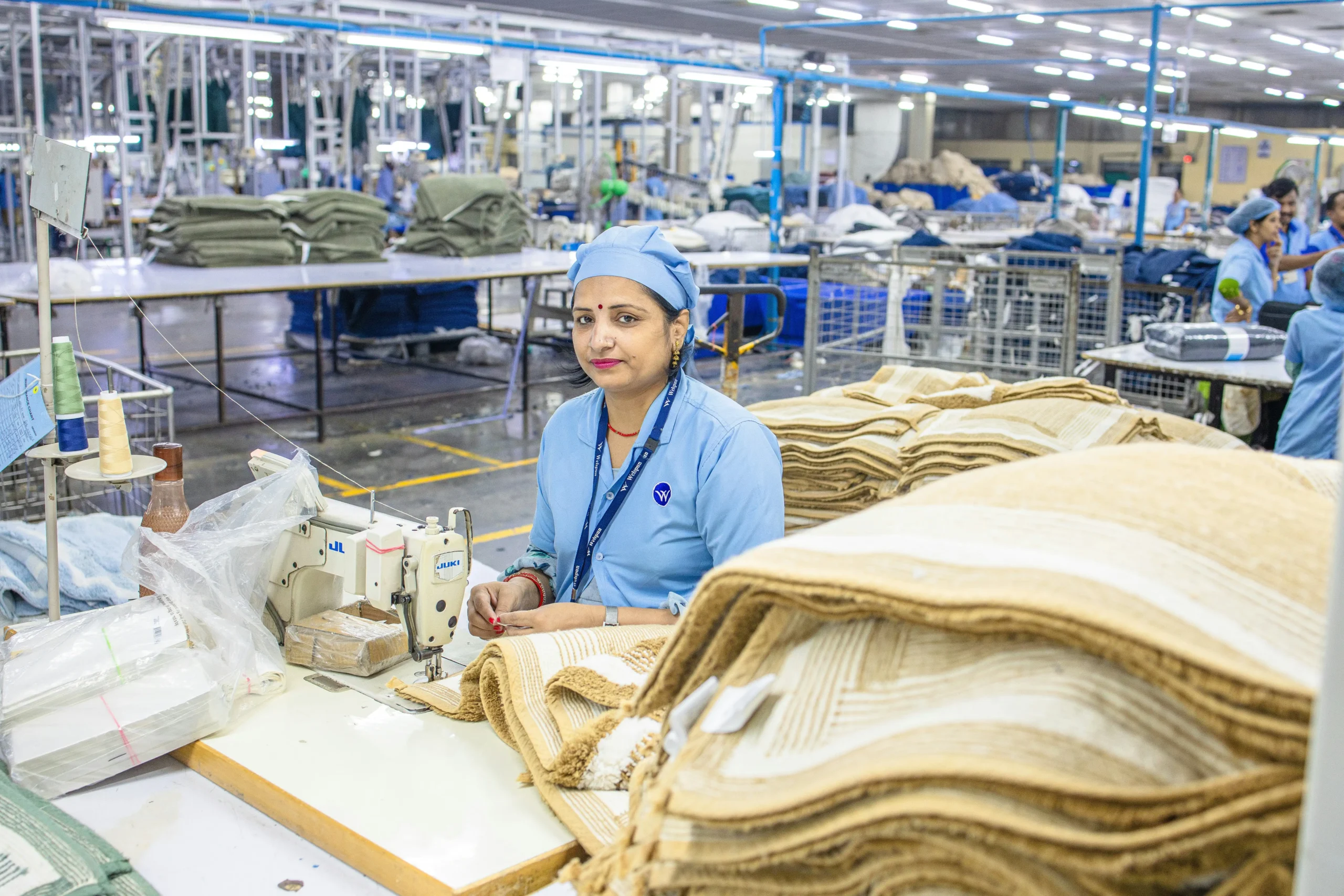
Proactive Communication with Your Supplier and Customs Broker
Most customs holds are avoidable with pre-filed technical data sheets.
The quickest way to turn a routine clearance into a multi-day hold is to let Customs and Border Protection (CBP) ask the first question. Every time an officer has to request grams per square meter (GSM), fiber percentage, or weave structure, your shipment moves from the “automatic release” queue into a manual review pipeline that adds several extra days. Smart sourcing managers eliminate that risk by sending those exact data points to their customs broker before the vessel even sails.
- GSM and weight documentation: Provide the exact grams per square meter per roll. CBP cross-checks GSM against declared HS code thresholds; a 350 g/m² bouclé tweed classified as Chapter 51 must fall within the weight range specified in the tariff. Missing this triggers a hold.
- Fiber composition by percentage: Don’t just write “wool/polyester blend.” Specify percentages (e.g., 60% wool, 40% polyester). If your tweed contains metallic threads like Japanese Lurex, declare them clearly under the correct material subheading—avoiding the 5806 trap that invites intensive exams.
- Weave construction and finishing: Describe the weave (bouclé, twill, cable knit) and any special finishes (scoured, carbonized, dyed). A “dyed woven bouclé” is far less ambiguous than “tweed fabric” and matches the tariff language exactly.
- 1. Standardize the data template: Require your supplier to fill out a one-page technical datasheet per production lot—including GSM, fiber percentages, weave type, dye method, and finish. No exceptions. This becomes your baseline for every shipment.
- 2. Set a 48-hour rule: Deliver the datasheet to your broker 48 hours before the vessel departs. That window allows the broker to flag discrepancies and request corrections while the cargo is still in transit.
- 3. Align all documents: Ensure the commercial invoice, packing list, and bill of lading use the exact same product descriptions, unit values, and country of origin. Discrepancies among these three documents cause a large share of textile shipment delays at US ports.
- 4. Keep a log for repeat patterns: Track which product lines draw the most CBP queries. If a particular blend or construction consistently triggers questions, add a short explanatory note in the “product description” field of the invoice before the broker files.
Building a pre-filing routine with your broker means sending these technical sheets at least 48 hours before the bill of lading is issued. Most brokers can run a “virtual audit” against CBP’s current targeting parameters if you give them the data early. One brand sourcing manager I worked with saved an entire season’s launch by flagging a GSM mismatch in the pre-filing stage—her supplier had used a heavier yarn lot for that batch, pushing the weight over the Chapter 51 ceiling. A quick re-classification to 5802 avoided a hold and a duty re-assessment.
Conclusion
The cost of skipping proper classification and documentation is a two-week customs hold — enough to miss a seasonal drop and burn through the profit on a substantial order. That’s exactly what happens when the commercial invoice doesn’t match the packing list or the metallic thread is filed under the wrong heading. Every day your container sits at the terminal increases storage fees, and your buyer goes elsewhere.
Before your next shipment, run the technical data sheet against your FOB pricing terms and confirm sample approval with your supplier. For a detailed checklist and to calculate your exact yardage needs, browse the Fursone yardage planner at https://fursone.com/calculate-tweed-yardage-collection, or contact our team for documentation support. We also publish a Chanel-style tweed range with full technical data sheets.
Frequently Asked Questions
What causes most customs holds on tweed imports?
HS code misclassification is the leading reason tweed shipments get held. Metallic-thread tweeds are often miscoded as narrow woven fabrics (heading 5806), which can trigger higher duties and intensive exams. Confirm the correct chapter (51 for wool-dominant, 55 for man-made fibers) with your broker, and supply GSM and fiber percentages up front.
How should I classify tweed containing metallic threads?
Classify by the dominant base fiber — Chapter 51 (wool) or Chapter 55 (man-made fibers) — not heading 5806 for narrow wovens. Correct classification as a wide woven bouclé avoids the higher duty and exam risk tied to 5806. Back the declaration with a technical data sheet stating GSM, fiber content, and a note that the metallic thread is only an accent. Confirm exact rates against live HTS data.
Which documents prevent customs delays for fabric imports?
A commercial invoice that exactly matches the packing list, bill of lading, and certificate of origin. Document discrepancies are a leading cause of textile delays at US ports, so repeat the same product description, unit values, and country of origin everywhere. Include fiber content, GSM, and weave on every document, and add a certificate of origin for preference claims.
Does FCL vs LCL shipping matter for customs clearance?
Yes. Full Container Load (FCL) presents a single-commodity shipment under one shipper, which reduces mixed-commodity exams; LCL consolidates multiple suppliers and draws more verification. FCL generally clears faster than LCL. If you must use LCL, segregate fabric rolls by commodity and label every carton with the same HS code.
How do I pre-empt CBP questions about my tweed shipment?
Send your broker a supplier technical data sheet — GSM, fiber percentages, weave, and finish — before the vessel sails. CBP increasingly cross-checks GSM against the declared tariff, so pre-filing lets the broker catch mismatches while cargo is still in transit. Fursone issues a datasheet with every order; contact us for documentation support.
For a step-by-step guide: How to Source Fabric from China for Small Brands. Need samples first? Request free fabric swatches.

Related Insights

Shipping Tweed Through Humid Seasons: Moisture, Bale Packaging and Mold Prevention
Wool fabric has an inconvenient relationship with the ocean: it absorbs moisture, and a shipping...

Exchange Rate Risk in Fabric Imports: 3 Ways to Hedge
Fabric importers quote retail prices months before they pay their mills, and currency moves in...

Demurrage and Detention on Fabric Containers: The Clocks That Eat Margins
A fabric container that arrives on time can still lose its margin in the port...