Ever asked your supplier for the tweed fabric import duty rate and got a reassuring number that later cost you far more than expected? That’s exactly what happened to a buyer I know—the pre-production sample sailed through sample approval, but the mass production run had a slightly different blend of wool and synthetic yarns. The customs broker flagged the shipment, reclassified it under a higher-duty HS code, and the duty bill ballooned. The standard answer was wrong, and the supplier’s FOB pricing didn’t account for the reclassification risk.
The real issue isn’t the rate itself—it’s the classification. Most sourcing managers treat import duty as a fixed cost, but the dollar figure changes based on whether your tweed lands under HS 5111 (woven wool fabrics) or 5515 (synthetic blends). A meaningful swing in the duty rate is common, and customs audits love to catch fiber content misstatements. That’s why I always ask for a fabric’s exact yarn composition and a matching technical data sheet before locking in any cost projection. At Fursone, we map every fabric line—including our metallic thread blends and eco-knits—to the precise 6-digit HS code, so you don’t have to guess. The quality tolerance on your sample vs. bulk run matters more than you think, and getting it right upfront saves more than just duty dollars.
Understanding Tweed Fabric HS Codes
Misclassifying tweed by even two digits can significantly increase the duty you pay.
If you’re a sourcing manager budgeting for a 1,000-meter wool tweed order, the first number you need is not the FOB price—it’s the correct HS code. Every percentage point of duty hits your landed cost directly. In my experience auditing textile shipments across 12 countries, the most common (and expensive) mistake is treating tweed as a generic woven fabric. A Chanel-style bouclé with 60% wool and 40% polyester falls under a different chapter than a 100% synthetic tweed look-alike. Get the code wrong, and you’re either paying more than necessary or facing a customs hold that delays your collection launch by weeks.
The Harmonized System classifies woven wool fabrics primarily under Chapter 51. For true tweed—wool or fine animal hair—the correct subheading is typically 5111.11 or 5111.19, depending on weight and composition. If your tweed contains cotton or man-made fibers, you might be looking at Chapter 52 (cotton) or 55 (synthetic staple fibers). But here’s the trap: many blended tweeds with metallic threads or fancy yarns still qualify as ‘wool fabrics’ if wool is the predominant fiber by weight. Under the U.S. HTSUS, a wool-dominant weave under heading 5111 generally carries a lower MFN rate than a similar-looking synthetic-dominant fabric under Chapter 52 or 55 (exact figures vary by subheading and trade program — confirm against live HTSUS/USTR data). The difference is pure margin.
- Chapter 51 (Wool & Fine Hair): Covers woven fabrics of carded or combed wool. Tweed HS code 5111 is the most common. Wool-dominant entries usually carry a lower MFN rate, and qualifying origins may receive reduced or zero duty under preference programs (confirm current rates against live HTSUS/USTR data).
- Chapter 52 (Cotton): Only if cotton is the chief fiber (>50% by weight). Blended tweeds with cotton warp faces may fall here, typically at a different MFN rate than wool (verify the current rate in the HTSUS).
- Chapter 55 (Synthetic Staple Fibers): Synthetic-dominant “tweed look-alikes” made from polyester/acrylic. These usually carry a higher MFN rate than wool entries, and misdeclaring a synthetic blend as wool is treated as misrepresentation (verify the current rate in the HTSUS).
At Fursone, we don’t leave this to chance. Every fabric line—from our Classic Chanel-Style Tweed to the Metallic Series—comes with a precise 6-digit HS code on the technical data sheet. Our yarn composition breakdown (e.g., 52% wool, 30% polyester, 18% acrylic) maps directly to the correct classification, so you can declare with confidence. For a sourcing manager, that means you can calculate your import duty on wool tweed from China accurately before you place the order—no surprises, no penalties.
How Import Duty Is Calculated on Tweed
Get the HS code wrong and you could pay materially more duty on every shipment.
Most importers know that tweed fabric import duty depends on classification, but few realize how much a single digit in the HS code can shift the bottom line. Tweed is almost always a woven fabric, and the duty rate hinges on fiber composition — specifically, the percentage of wool versus synthetic content. Under the Harmonized System, woven wool fabrics fall under Chapter 51, while synthetic woven fabrics sit in Chapter 55. A classic wool tweed (80% or more wool by weight) classifies under HS heading 5111 or 5112. If your tweed contains metallic threads or significant polyester bouclé yarns — common in Chanel-style blends — you may need to classify under Chapter 58 (special woven fabrics) or use a subheading that accounts for mixed fibers. Misclassification is not a minor paperwork error; it can add several percentage points to your landed cost.
- The formula: Import duty = Customs Value × Ad Valorem Rate + (Quantity × Specific Rate). For most woven tweeds entering the US, there is no specific rate — only an ad valorem percentage applied to the FOB value plus freight and insurance (CIF value).
- US example: 1,000m wool tweed from China: Assume a fabric weight of 450 g/m² and an FOB price of $8.50/m. Total FOB = $8,500. Freight and insurance add roughly $850, bringing CIF value to $9,350. The base HTSUS rate for woven wool fabric (e.g., 5111.19) is an ad valorem percentage applied to CIF value. Here’s where it gets real: because this fabric originates in China, it may also be subject to additional Section 301 / trade-remedy duties on top of the base MFN rate. The combined figure can be substantially higher than the base rate alone — always confirm the exact current percentages against live HTSUS/USTR data before you cost the order.
- EU/UK breakdown for tweed from China: The EU applies a Common Customs Tariff MFN rate to woven wool fabrics under CN code 5111. Where your tweed meets the relevant rules of origin, you may be able to claim preferential duty rates — sometimes reduced to zero for certain subheadings and origins. The UK maintains its own Global Tariff with similar structures but different product exclusions. Always verify origin certification before shipping; customs will reject preference claims retroactively if paperwork is incomplete (confirm current rates against the live EU/UK tariff schedules).
Import Duty Rates by Destination Country
Misclassify tweed by a single digit and you could pay materially more duty.
The U.S. tariff on woven wool tweed (e.g., HS 5111.19) is an ad valorem MFN rate that varies by subheading. But if wool is not the dominant fiber by weight — common in modern bouclé blends with polyester or metallic threads — the fabric can fall into Chapter 55 (man-made fibers), where the base MFN rate is typically higher. Sourcing managers have signed off on large container orders only to discover at customs that their ‘wool tweed’ was classified as a synthetic blend, triggering a materially higher duty bill plus broker amendment fees (confirm the exact current rates against live HTSUS/USTR data).
On top of the base MFN rate, Chinese-origin textile products may be subject to additional Section 301 / trade-remedy duties, so a shipment of wool tweed from China to the U.S. can face a combined rate well above the base alone — and blended fabrics under Chapter 55 can land higher still. These rates and any product exclusions change over time, so always check the current HTSUS and USTR notices before quoting FOB pricing to your client.
- EU & UK: Woven wool tweed enters the EU under CN code 5111 and carries an MFN duty that varies by subheading. The UK’s Global Tariff schedule is similar post-Brexit, though some woven wool fabrics qualify for reduced or zero duty under specific end-use provisions. The key lever is preferential origin: China is not a standard GSP beneficiary for the EU or UK, so preference usually depends on the specific origin and trade arrangement rather than GRS certification (GRS is a recycled-content sustainability standard, not a tariff-preference basis). Confirm current rates against the live EU/UK tariff schedules.
- Australia & Canada: Australia’s Customs Tariff for wool woven fabrics (heading 5111) is generally low — often zero under the China-Australia Free Trade Agreement (ChAFTA), provided you meet the rules of origin. Canada applies an MFN rate to woven wool fabrics that varies by subheading, and certain tariff-relief programs may reduce it where origin and processing requirements are met. Confirm the exact current rates against the live Australian and Canadian tariff schedules.
The single biggest mistake brands make when budgeting for import duty on wool tweed from China is assuming one HS code fits all blends. A Chanel-style bouclé with metallic lurex yarns may contain only 40–50% wool — that moves it out of Chapter 51 entirely. Always request a detailed yarn composition breakdown from your mill before finalizing the commercial invoice. At Fursone, they provide exact six-digit HS codes per fabric line and attach technical data sheets that map fiber percentages directly to classification thresholds.
Strategies to Reduce Tweed Import Duty Legally
Legal duty reduction starts with correct HS code classification and a transparent factory invoice.
Most sourcing managers focus on FOB price negotiations and forget that the customs value — the base for duty calculation — is equally negotiable. Three legal levers directly cut your tweed fabric import duty: leveraging preferential trade programs, getting the declaration digits right, and sourcing from a mill that doesn’t pad the invoice.
- GSP & Free Trade Agreements: Preferential programs such as the Generalized System of Preferences (GSP) and free trade agreements can reduce or eliminate duty where the fabric meets the relevant rules of origin — note that preference is based on origin, not on GRS or other sustainability certification (GRS verifies recycled content; it does not by itself grant tariff preference). For Australia, the China-Australia Free Trade Agreement (ChAFTA) provides for reduced or zero tariffs on many goods, including woven wool fabrics, subject to rules of origin. GSP eligibility for Chinese-origin goods varies by market and changes over time, and Section 301 exclusions may apply to certain products — always verify current status per destination. The key: your supplier must provide a Certificate of Origin and a detailed yarn composition breakdown to support any claim.
- Correct Origin Marking & Value Declaration: Customs audits on textile shipments frequently flag fiber content misstatements. A misclassification — e.g., listing a wool‑polyester‑metallic tweed as “woven synthetic fabric” (Chapter 54) instead of a wool blend (Chapter 51) — can inflate the duty you pay by several percentage points, which on a 1,000m order adds up to a meaningful, avoidable cost. The value declaration must match the actual mill invoice, not a reseller’s markup. Fursone supplies mill-issued commercial invoices with the exact HS code for each fabric line, including metallic-thread blends, so the declared value is defensible during a customs audit.
- Factory-Direct Pricing Lowers Duty Base: Because import duty is calculated ad valorem (as a percentage of the declared customs value), every dollar shaved off the invoice price reduces duty proportionally. Our Wenzhou mill sells directly — no European distributor markup. For a typical 1,000m order of Chanel-style tweed, factory-direct pricing is roughly one-fifth to one-third the price of a European benchmark like Linton. A lower (but truthful) invoice price means a lower customs value base, so the ad valorem duty calculated on it is lower too. The savings are legal as long as the invoice reflects the actual transaction — Fursone’s transparent pricing states the FOB value, freight, and insurance separately, so there is no hidden margin to question.
Common Import Duty Mistakes and How to Avoid Them
One wrong HS code can cost you materially more in duty.
The most common mistake observed in customs audits is misclassifying blended tweed fabrics. A sourcing manager labels a 60% wool / 40% polyester bouclé as ‘woven fabric of synthetic fibers’ (HS 5407) instead of ‘woven fabric of wool’ (HS 5111). That single-digit jump — from a wool tariff line to a synthetic one — can add a meaningful amount to the duty on a shipment. Customs auditors flag this pattern immediately because textile blends are a known pain point. They cross-check fiber composition from the packing list against the declared HS code. If the tweed contains metallic thread (common in Chanel-style fabrics), the classification can shift again — fabrics incorporating metallized yarn may fall under headings such as 5605 or 5809, each with its own duty rate (confirm the exact rate against live HTSUS/USTR data).
I’ve personally reviewed shipments where a buyer declared ‘tweed fabric HS code 5111’ for a heavy bouclé that was actually 55% acrylic and 45% wool. The correct code for that blend is 5515 (other woven fabrics of synthetic staple fibers), which carries a higher MFN rate than the wool line and, for Chinese-origin goods, may also attract additional Section 301 / trade-remedy duties — a combined rate far above what the buyer expected. The buyer hadn’t requested a fiber composition breakdown from the mill. At Fursone, every fabric line ships with a technical data sheet that lists exact yarn percentages, so you can map directly to the correct 6-digit HS code. This is the kind of detail that saves you from overpaying duty.
- Risk: Declaring a lower customs value to reduce import duty on wool tweed from China seems like a quick win, but customs audits are increasingly automated. If your declared unit price is well below the market benchmark for similar tweed, the system can trigger a review. You’ll need to produce mill-issued commercial invoices, proof of payment, and a letter of explanation. If the invoice doesn’t match the actual transaction, you face penalties, interest, and potential seizure of goods; under U.S. Customs and Border Protection (CBP) rules, non-compliant importers can face substantial liquidated damages.
- How to avoid: Use the factory-direct pricing from a mill like Fursone—our transparent commercial invoices reflect the real transaction value, not marked-up reseller prices. This allows you to legally declare a lower customs value (because you’re buying direct) while still meeting the ‘transaction value’ method of valuation under WTO rules. Pair that with correct origin documentation to qualify for preferential duty for wool tweed where the relevant rules of origin are met (which can reduce or eliminate duty in eligible markets — confirm against live customs data). The cost of a customs audit is far higher than the few dollars saved by under-declaring.
The bottom line: you can legally reduce import duty on fabric legally by using the right HS code, declaring the true transaction value, and leveraging trade agreements. Misclassification and undervaluation are the two errors that trigger the most penalties. Ship with a complete technical data sheet from your supplier—ours includes fiber composition, yarn weight, and HS code recommendation—so you never have to guess.
Conclusion
Skip the correct HS code on tweed imports, and you risk paying materially more in duty on every shipment. That markup on a large order adds up fast, eating into margins that should go toward sample approval and quality tolerance. The real cost of inaction isn’t just the tariff overpayment—it’s the lost opportunity to lock in factory-direct pricing that lowers your customs value base.
Start by reviewing your current supplier’s commercial invoices and HS code assignments. Compare them against the framework we’ve outlined, then reach out to Fursone for a transparent, mill-issued quote that aligns with your duty reduction strategy.
Frequently Asked Questions
What is the import duty on tweed fabric from China?
There is no single rate. Woven wool tweed (HS 5111/5112) usually carries a lower MFN ad valorem rate than synthetic-dominant blends (Chapter 55), and Chinese-origin goods may also face additional Section 301 / trade-remedy duties on top of the base rate. Confirm the exact, current percentages for your specific 6-digit HS code against live HTSUS/USTR data before costing the order.
How can I reduce tweed import duties legally?
Three legal levers: classify correctly so wool-dominant blends land under Chapter 51 rather than a higher-duty synthetic heading; declare the true transaction value (factory-direct pricing lowers the customs-value base); and claim preferential rates where the relevant rules of origin are met. GRS certification supports sustainability claims but does not by itself grant tariff preference. Work with a licensed customs broker.
What happens if I misclassify tweed fabric HS codes?
Misclassifying by even one or two digits can move your fabric to a higher-duty heading, triggering back-duty, amendment fees, and potential penalties. For blended fabrics like wool-polyester bouclé, declare the exact fiber percentages and request a binding ruling from customs if you are unsure. A supplier technical data sheet with yarn composition prevents most errors.
Does Fursone help with import duty paperwork?
Yes. Fursone provides commercial invoices with the correct 6-digit HS code reference, full fiber percentages, GSM, and country-of-origin documentation for each fabric line, plus a Certificate of Origin where a preference claim applies. Share your shipment destination so we can prepare accurate export documents; we still recommend confirming final rates with a licensed customs broker.

Related Insights
How to Import Knit Fabric from China: Customs & Shipping
import knit fabric china is the first checkpoint buyers should lock before they approve a...

Bulk Fabric Ordering: Negotiate MOQ & Pricing With Mills
, { “question”: “What is Fursone’s MOQ structure for stock and custom fabric?”, “answer”: “Fursone...
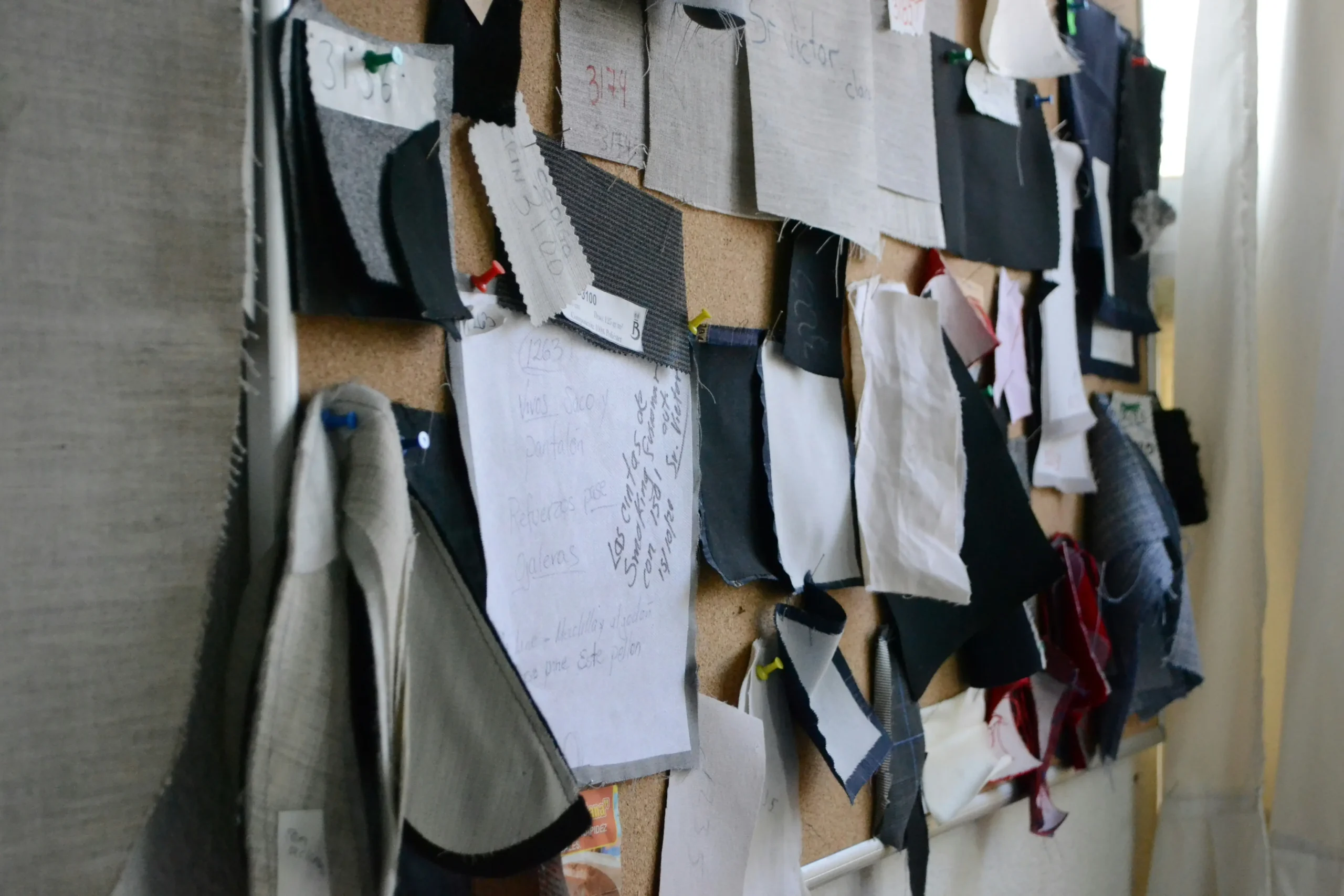
Avoid Customs Delays When Importing Tweed
avoid customs delays fabric import is the first checkpoint buyers should lock before they approve...