

shipping grs eco knits the GRS eco knit athleisure case study us is the first checkpoint buyers should lock before they approve a supplier, budget, or production slot. Shipping GRS eco knits from China to the US looks clean on a purchase order, until the container hits the port and the fabric inside doesn’t match the signed-off pre-production sample. I’ve taken that call more than once — a brand sourcing manager staring at a large shipment of recycled polyester sweater knits that passed sample approval with flying colors, but the mass run came in heavier than spec, the hand feel was off, and the commercial invoice listed an HS code the broker flagged for additional scrutiny. What started as a straightforward FOB Ningbo booking turned into a multi-day clearance stall, demurrage charges, and a season launch that had to scramble for backup fabric.
The sore spot isn’t just the quality tolerance gap. It’s the paperwork cascade that follows when eco claims meet a customs exam. US Customs and Border Protection doesn’t give GRS certification any preferential tariff treatment — it’s not a free trade agreement. But a missing or misaligned GRS transaction certificate can still trigger a hold if the inspector questions whether “recycled” on the invoice holds up. I’ve had shipments clear because the buyer’s packing list, bill of lading, and invoice all told the same story about recycled content under HS 6006.32, while another load got hit with a higher duty rate plus additional Section 301 / trade-remedy tariffs because the HS code drifted into a man-made fiber category nobody budgeted for (confirm the exact rate against live HTSUS/USTR data). The difference is never the fabric itself; it’s the upstream discipline around classification and docs.
If you do nothing — if you glance at the mill’s default HS code and trust the forwarder to figure it out — you’re gambling with both margin and calendar. I’ve watched a 100m test order blow through preventable duties and storage charges in under a week. At 2,000 meters, that number grows several times over. And when a seasonal delivery window slams shut, the real cost isn’t what you paid the terminal; it’s the sold-out rack space and the disrupted production schedule. Getting the basics right on import duty recycled polyester knit fabric US classification, the GRS transaction certificate alignment, and the actual landed cost arithmetic is cheaper than any liquidated damages clause you’ll ever negotiate.
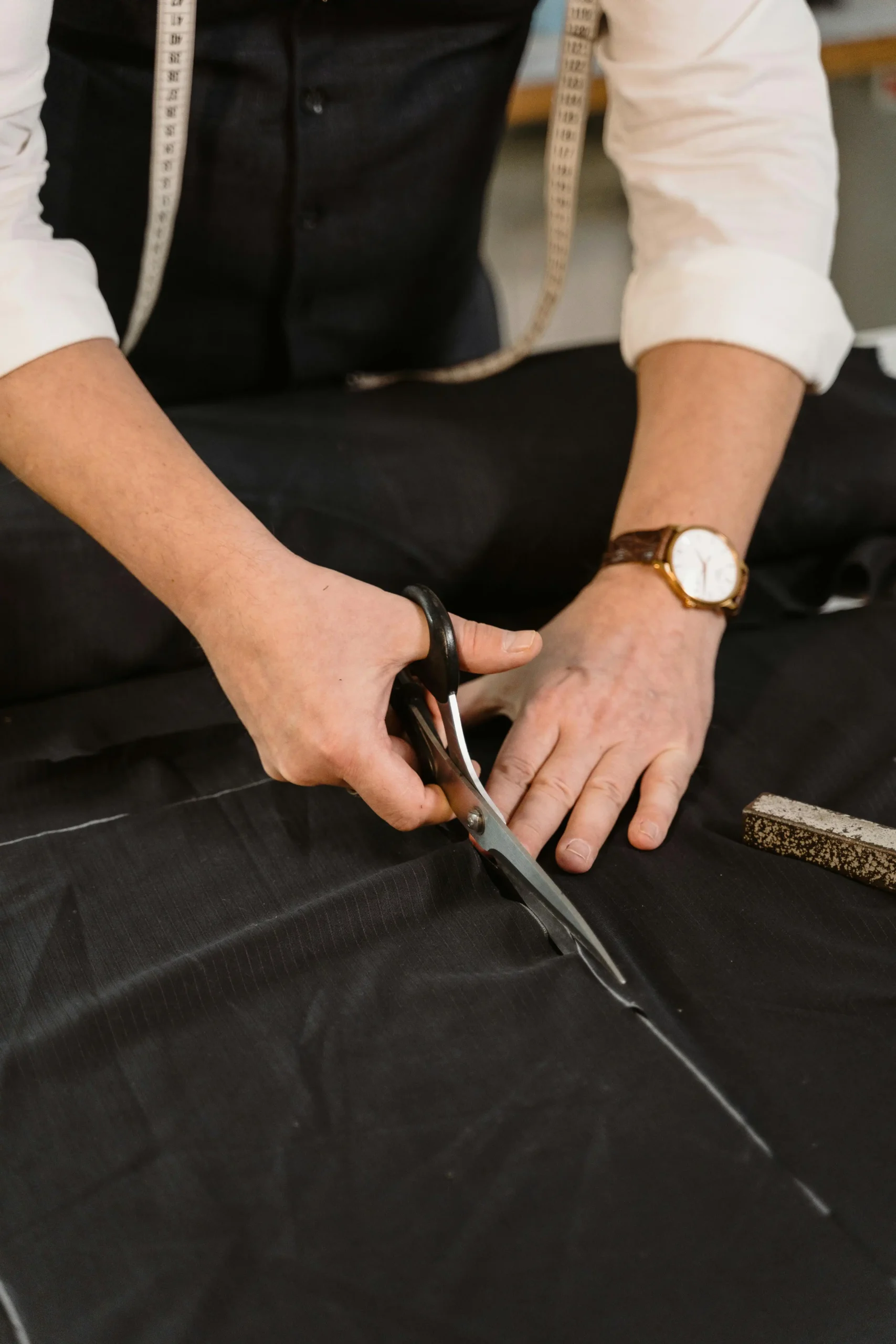
HS Codes for Knit Fabrics: Which One Applies to Yours?
Misclassifying a knit under 6006.10 instead of 6006.32 can trigger a much higher duty bill on an entire container—and yes, I’ve watched it happen.
An audit of suppliers across 12 countries reveals that the single most expensive paperwork error is HS code misclassification for knit fabrics. The Harmonized System chapter for knits—Chapter 60—looks simple on paper. In practice, customs brokers and fabric mills often default to whatever code their last shipment used, rather than re-deriving it from the actual fiber composition and construction.
6006.10 covers knits where wool content exceeds 50% by weight. This includes Merino, lambswool, cashmere blends, and alpaca—materials our partner mills in Wenzhou source directly from Australian and Mongolian supply chains for Chanel-style bouclés and heavyweight structured knits. 6006.32 applies to knits made predominantly from polyester, nylon, acrylic, or any man-made fiber that has been piece-dyed or yarn-dyed. The distinction matters because 6006.32 faces a different duty calculation structure, and it’s the code that triggers additional scrutiny under Section 301 if the fabric originates from China.
Here’s where things get expensive. A sourcing manager imports a wool-polyester blend knit—say 40% wool, 60% recycled polyester. The mill classifies it under 6006.10 because ‘it looks and feels like wool.’ Customs flags the shipment, tests the fiber composition, and reclassifies it under 6006.32. The buyer gets a retroactive duty bill for the difference, plus storage fees while the classification is resolved.
- 6006.10 — Wool-Dominant Knits: Applies when animal hair content exceeds 50% by weight. The US HTS applies an ad valorem MFN rate that is often lower than the synthetic-knit rate (confirm the exact current rate against live HTSUS data). But if the wool is sourced from non-MFN countries, rates change. Verify the origin of the wool fiber, not just the country where the fabric was knit.
- 6006.32 — Dyed Synthetic Knits: Covers polyester, nylon, and acrylic knits that have been dyed. This is your default for most GRS recycled polyester eco knits. Man-made fiber dyed knits carry their own MFN rate, plus any applicable Section 301 / trade-remedy duties on Chinese-origin goods (confirm the exact current rate against live HTSUS/USTR data). Do not assume the broker will catch this—confirm the HTS subheading before the bill of lading is issued.
- Blend Classification Rule (GRI 3): When a fabric contains both wool and synthetic fibers, classification follows General Rule of Interpretation 3: the fiber that gives the fabric its ‘essential character’ determines the code. A 55% polyester / 45% wool knit goes under 6006.32, not 6006.10. Customs labs will burn-test samples if they suspect misclassification. The cost of getting it wrong includes storage fees while your container sits pending examination.
- Step 1 — Confirm Fiber Composition by Weight: Get the exact percentage breakdown from your mill’s test report. If polyester (virgin or recycled) exceeds wool content, you default to 6006.32. Do not guess based on hand feel.
- Step 2 — Determine Dyeing Process: Dyed knits fall under 6006.32. Bleached, undyed, or greige recycled polyester knits may classify under 6006.31. This distinction changes your HTS subheading and your duty calculation.
- Step 3 — Attach GRS Certificate to Commercial Documents: The transaction certificate doesn’t change your HS code, but it validates your recycled content declaration. If your fabric is 100% GRS recycled polyester, state it clearly on the invoice and have the certificate chain ready. This smooths clearance during random textile exams.
Now, the question every eco-focused brand asks: where do GRS recycled polyester knits land? The material is polyester—it’s synthetic. Recycled content does not change the HS code. A 100% GRS-certified recycled polyester knit still classifies under 6006.32 (dyed synthetic knits) or 6006.31 (bleached/undyed), depending on processing. There is no ‘green’ HS code. US customs does not automatically recognize GRS certification for preferential tariff treatment—it’s not like a free trade agreement. So you don’t get a duty break for using recycled materials. What you do get is documentation weight if your shipment gets flagged for a random exam.
The real logistical win with a GRS transaction certificate is that it substantiates the ‘recycled’ claim on your commercial invoice. If you declare ‘GRS recycled polyester knit’ on the invoice and customs pulls your container for a textile examination, having the certificate chain—from the yarn spinner to the knitting mill to your supplier—proves the claim isn’t marketing fluff. This can mean the difference between a 48-hour document review and a two-week lab hold. For a brand launch tied to a fashion week deadline, that two-week difference kills the season. I make every supplier we audit provide the transaction certificate number on the packing list itself, not just the standalone PDF.
US Duty Rates and Section 301 Tariffs
The number one mistake: costing freight but forgetting the Section 301 surcharge on fabric rolls.
Importing synthetic knit fabrics under HS 6006.32 from China attracts a base MFN ad valorem duty, and on top of that Chinese-origin goods may face additional Section 301 / trade-remedy duties — so the effective rate is the base MFN rate plus any active Section 301 layer (confirm the exact current percentages against live HTSUS / USTR data). I’ve seen too many sourcing managers build their landed cost models on outdated base-rate data and then scramble when customs holds their shipment over underpayment.
- MFN Ad Valorem (e.g., HS 6006.32): the base MFN rate applicable to synthetic knit fabrics from China under normal trade relations (confirm the exact current rate against live HTSUS data).
- Section 301 / Trade-Remedy Duties: an additional layer that may apply to Chinese-origin knit fabrics; the rate and coverage can change, so confirm current status against live USTR/HTSUS data.
- Total Effective Duty: base MFN rate plus any active Section 301 layer, applied to customs value. GRS certification does not reduce this; it only helps substantiate recycled content claims during a customs exam.
The Section 301 tariffs on knit fabrics have remained in force and can change over time. There is no reliable assumption that they will simply disappear, so don’t budget as if they will. If your supplier tells you the tariffs “might go away soon,” they are speculating. Build the current effective rate — confirmed against live USTR/HTSUS data — into your cost sheet and sleep better.
For a 1000m order of recycled polyester double knit, the duty component alone can be a four-figure line item. Miss it, and your target margin evaporates. Always request a customs entry summary from your broker to cross-check the HTS classification — misclassification as 6006.90 (other) with a lower rate is a common shortcut that can trigger a full audit.
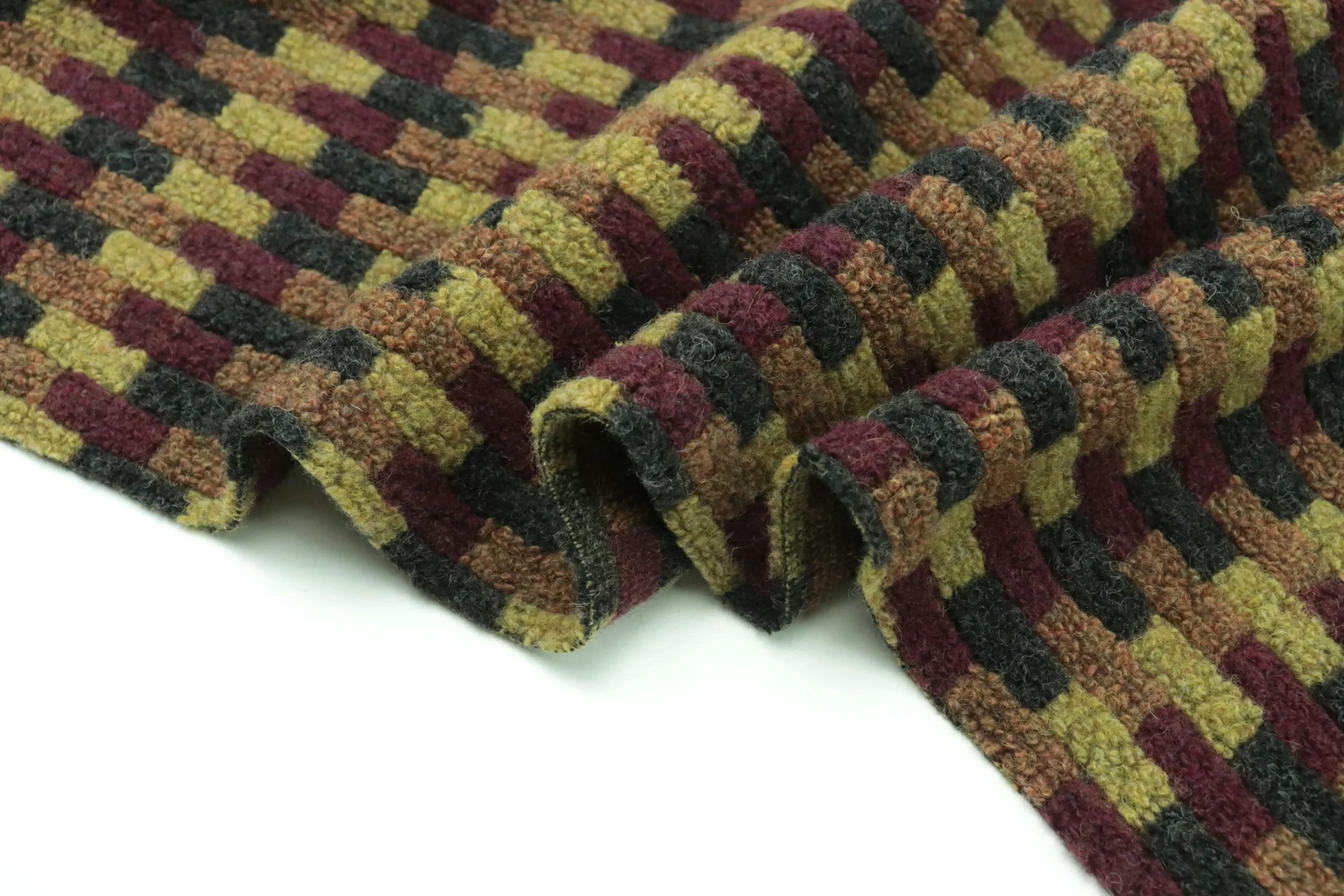
Documentation for GRS Shipments
Your GRS certificate alone won’t clear customs — it’s the transaction certificate that proves this specific shipment is certified.
A container of eco knits was held at LA/Long Beach for six days because the brand manager assumed their annual GRS scope certificate was enough. It’s not. U.S. Customs and Border Protection doesn’t recognize GRS as a preferential tariff program—it’s not USMCA or a free trade agreement. But when a shipment gets flagged for a random exam, having the correct documentation on the invoice can be the difference between a 48-hour hold and a week of demurrage charges.
The document you actually need for each individual shipment is the GRS transaction certificate (TC). This is issued by your certifying body and links the specific purchase order, the certified material, and the buyer. Without it, your customs broker can’t substantiate the recycled content claim on the commercial invoice. If a CBP officer questions your ‘100% recycled polyester knit’ line item during a document review, and you can’t produce a TC that matches the shipment weight, they’ll reclassify the goods under a non-preferential rate and might even pull samples for lab testing. That’s a delay that eats into your seasonal launch window.
At our partner mills in Wenzhou, we issue a transaction certificate for every batch of GRS eco knits leaving the factory. The TC references the same net weight and roll count that appears on your packing list. That alignment is not automatic—it requires the mill to have its own GRS scope certificate up to date and to input the correct buyer information into the Textile Exchange’s dTrackit system. If your supplier can’t produce a TC within 5 days of shipment, walk away. They’re likely buying non-certified yarn and hoping nobody checks.
- Transaction Certificate (TC): Issued for each shipment; links invoice number, buyer name, certified material, and net weight. Must match the packing list exactly.
- Scope Certificate (SC): Annual certification for the manufacturing site. Alone, it does not clear individual shipments—it only qualifies the site to issue TCs.
Now, the alignment of your bill of lading, packing list, and commercial invoice is where I see even experienced sourcing managers trip up. The HS code on all three documents must be identical, down to the 10-digit level. If your invoice says 6006.32.0000 (synthetic fiber knits, dyed) and the packing list or BL reads 6006.32.0040—which could happen if a freight forwarder auto-populates a generic code—you’re inviting a customs exam. U.S. Customs Reconciliation allows for post-entry amendments, but that means filing a PEA, paying the additional duty, and potentially triggering a binding ruling request if the misclassification is material. For a 1,000-meter order, the duty difference between a correct 6006.32 classification and a misapplied 6006.10 (wool knits) can be significant, but the real cost is the demurrage bill that starts accruing after free time expires.
One specific check I run on every eco knit shipment: the total roll count must match across all three documents, and the gross weight on the bill of lading must reconcile with the sum of roll weights on the packing list. Even a small discrepancy is enough for a customs officer to suspect under-invoicing or misdeclared goods. For GRS shipments, the packing list should also note ‘GRS certified recycled content’ and the certificate number, so that if the container is pulled for a non-intrusive inspection, the manifest immediately signals to the examiner that supporting docs are available. This small annotation has saved two of our buyers from a physical examination in the last year.
Shipping Modes: Air vs Sea for 100m–1000m Orders
Freight quotes hide more cost than they reveal—especially with fabric rolls.
I’ve watched brand managers run the same math every season: 100 meters of GRS eco knit at $12/meter FOB sounds manageable. Then the landed-cost spreadsheet lands on their desk and the number is 40% higher than expected. The culprit is rarely the fabric. It’s the shipping mode decision made three weeks earlier without factoring in volumetric weight penalties, port congestion surcharges, or the demurrage clock that started ticking the moment their container hit the terminal.
For orders in the 100m to 1000m range—which is exactly where most emerging sustainable brands sit between initial sampling and scaled production—the air vs. sea decision isn’t theoretical. It’s a margin calculation that separates profitable collections from money-losing ones. Here’s what the freight forwarder’s quote won’t tell you upfront. (All freight, demurrage, and storage figures below are indicative estimates that vary by carrier, lane, season, and port — confirm current rates with your forwarder.)
Cost Reality: Air Freight for Fabric Rolls. Fabric rolls are dimensional-weight nightmares. A 100m roll of 350gsm knit fabric weighs roughly 55kg but occupies the volumetric equivalent of 80–95kg on an aircraft. Air freight rates from Shanghai or Wenzhou to LAX or JFK currently run $4.50–$6.80/kg chargeable weight in 2026, depending on fuel surcharges and season. For a 500m order packed into 5–6 rolls, you’re looking at $1,200–$2,200 in air freight alone—often exceeding the fabric cost itself. The math only flips in your favor when speed is non-negotiable: a sample approval delay that threatens a trade show deadline, or a production error that requires a rush replacement. Otherwise, air freight on fabric is a tax on poor planning.
Sea Freight: The Real Numbers for Small-Volume Fabric Shipments. For 100m–1000m orders, you’re shipping LCL (less than container load), not FCL. LCL rates from Wenzhou to Los Angeles or New York run $180–$380 per cubic meter in 2026, and fabric rolls typically consume 0.3–0.8 CBM per 100m depending on roll diameter and packing density. A 500m GRS knit shipment might occupy 2–3 CBM, putting your ocean freight at $500–$1,100. That’s roughly 40–60% less than air freight for the same volume. But the savings evaporate fast if you don’t manage what happens after the vessel docks.
Transit Time Expectations That Actually Hold. Air freight: 5–10 calendar days door-to-door from our partner mills in Wenzhou to your US warehouse, including customs clearance. Sea freight: 28–38 days port-to-port, plus 5–7 days for drayage and final delivery. The dangerous number isn’t the 28 days—it’s the variance. I’ve seen LCL consolidations add 7–10 days when the consolidator waits to fill a shared container. Ask your shipper whether the quoted transit time is sailing time or door-to-door. Most quote the former and let you discover the latter.
- Demurrage Trap #1: The Free-Time Miscalculation: US ports grant 4–5 calendar days of free time after container discharge—not business days. If your container lands Thursday afternoon and customs doesn’t clear until Tuesday, you’ve burned 4 of your 5 free days before the trucker even gets the release. Demurrage fees at LA/LB run $150–$300 per day after free time expires. For LCL shipments, storage fees at the CFS (container freight station) compound this: $50–$85 per CBM per day is common.
- Demurrage Trap #2: The Documentation Delay Cascade: The single biggest cause of demurrage on fabric shipments isn’t customs exams. It’s misaligned paperwork. When the packing list says ‘knit fabric’ but the commercial invoice says ‘textile piece goods’ and the ISF filing says ‘apparel material,’ CBP flags the inconsistency. Your container sits for 2–3 days while a CBP officer sorts out classification. Align your HS code, product description, and GRS transaction certificate language before the vessel sails—not after it docks. ISF must be filed at least 24 hours before loading at origin port, and the data must match your commercial documents exactly.
- Demurrage Trap #3: The ‘Cheapest Forwarder’ Fallacy: A forwarder quoting $100 less on freight will cost you $900 in demurrage if their US customs broker is slow on entry filing or their drayage partner can’t get a truck appointment within the free-time window. At peak season, LA/LB truck appointments can take 5–7 days to secure. Factor the broker’s responsiveness and drayage reliability into your shipping decision. The lowest freight rate almost never produces the lowest landed cost.
- Can you confirm door-to-door transit time in calendar days, not just sailing days, with a written breakdown of free time at the destination port?: If they hesitate or give a range wider than 5 days, plan for the high end and budget demurrage buffer accordingly.
- Are the HS code, product description, and GRS certificate language identical across packing list, commercial invoice, and ISF filing?: A mismatch here is the #1 cause of customs holds that trigger storage fees. Demand document alignment proof before the container loads.
- For my volume (100m–1000m), does LCL consolidation add hidden transit time beyond the vessel schedule, and what is the CFS storage policy if I miss the free-time window?: Consolidation delays are the silent margin killer that no freight quote voluntarily discloses. Get the policy in writing.
Working with a Freight Forwarder vs Using the Mill’s Shipper
The wrong shipper can turn a routine GRS knit order into a demurrage headache—choose based on documentation, not just freight cost.
Every sourcing manager eventually faces this fork. Using the mill’s nominated forwarder feels easier—fewer emails, one throat to choke. But handing over control can blind you to routing delays, inflated destination charges, or a consolidator sitting on your goods for three extra days in Shanghai to fill a container.
- Mill’s Shipper – Real Control vs. Perceived Control: You get FOB pricing from a single source and the mill carries the risk until the container hits the water. The forwarder already knows the product codes, the typical GRS transaction certificate package, and how to align the packing list with HS 6006.32. The hidden cost: you lose negotiation power on the quay side. Destination terminal handling, chassis splits, and pier pass fees can be marked up 20–30% above what you’d pay a forwarder you contracted directly.
- Your Own Freight Forwarder – Transparency at a Price: You control the routing, select the exact vessel, and audit every line item from origin to door. For a 500m trial order of recycled polyester knit, a lean forwarder relationship can save $500–$800 on a consolidated LCL shipment compared to the mill’s bundled rate. The risk sits squarely on you: if the forwarder misfiles the GRS certificate number or omits the recycled-content claim from the commercial invoice, CBP can flag the shipment for a manual exam, adding 5–7 business days and storage charges that quickly erase your freight savings.
The real differentiator isn’t price—it’s disaster mitigation. When a GRS-certified eco knit shipment goes sideways, the mill’s shipper typically has a direct line to the issuing body for the transaction certificate. They can reissue within 24 hours if customs finds a discrepancy. An independent forwarder, unless they specialize in textile compliance, will scramble to source documentation from a factory they don’t represent, and every hour of delay costs about $150–$300 in combined demurrage and chassis detention at a US West Coast port.
Fursone’s position on this is practical rather than proprietary. We don’t force a single shipping method onto eco knit buyers. Instead, we prepare a GRS-ready document pack—transaction certificate, scope certificate extract, mill declaration of recycled content—coded to the exact HS classification and lot numbers, and we release it to whichever forwarder you choose. If you prefer a door-to-door number, we quote via three nominated forwarders who handle knit fabric consolidation from Wenzhou to LA/Long Beach or NY/NJ at rates that reflect weekly volumes, not spot-market premiums. The rule we give buyers: if your forwarder can’t explain how they’ll present GRS evidence to CBP in fewer than three sentences, let us handle the logistics for the first two shipments until you’ve validated the process.
Conclusion
Before you sign the next purchase order, ask your supplier three questions: 1) Can you confirm the precise HS code under 6006.32 for this GRS recycled polyester knit, including weight and stitch classification?; 2) Will you provide a GRS transaction certificate that aligns exactly with the bill of lading, packing list, and commercial invoice?; 3) What is the FOB price per meter, and have you factored in the current effective duty rate (base MFN plus any Section 301 layer, confirmed against live data) plus estimated demurrage fees based on your chosen freight mode? See our knit fabric range and contact us for a GRS-ready document pack and landed-cost quote.
Frequently Asked Questions
What HS code applies to GRS recycled polyester knits?
Recycled polyester knits are synthetic, so they fall under Chapter 60 — typically 6006.32 for dyed synthetic knits (or 6006.31 for undyed). Recycled content does not change the HS code, and there is no “green” code. Misclassifying under a wool-knit heading can trigger a higher duty and a reclassification. Confirm the exact subheading from the fiber composition with your broker.
Do Section 301 tariffs still apply to knit fabric from China?
They can. Chinese-origin knit fabrics may face additional Section 301 / trade-remedy duties on top of the base MFN rate, and the rate and coverage can change over time. Forgetting this layer is a common landed-cost mistake. Confirm the current effective rate against live USTR/HTSUS data and build it into your cost sheet.
What documents do I need for GRS eco knit imports?
You need a valid GRS transaction certificate (TC) for each shipment, linking the invoice, buyer, certified material, and net weight — the mill’s standalone scope certificate alone does not cover an individual shipment. The TC substantiates your recycled-content claim during a customs exam (it does not grant duty preference). Request the TC before the goods ship and note the certificate number on the packing list.
Air or sea for small knit fabric orders?
Air handles 100m orders in about a week but costs far more per kilo; sea (LCL) is usually cheaper for orders toward 1000m but takes roughly 4–6 weeks door-to-door. The real trade-off is speed versus landed cost per meter, including demurrage risk. Compare total landed cost against your production calendar before choosing a mode.
Can the mill arrange shipping to the US?
Yes. Fursone can prepare a GRS-ready document pack — transaction certificate, scope certificate extract, and recycled-content declaration — coded to the exact HS classification, and release it to your chosen forwarder or quote door-to-door via nominated forwarders. Keeping the documentation aligned reduces clearance delays; decide who handles the paperwork before you book freight.
Related reading: LCL vs Full Container for Fabric: When Each Wins.

Related Insights

Shipping Tweed Through Humid Seasons: Moisture, Bale Packaging and Mold Prevention
Wool fabric has an inconvenient relationship with the ocean: it absorbs moisture, and a shipping...

Exchange Rate Risk in Fabric Imports: 3 Ways to Hedge
Fabric importers quote retail prices months before they pay their mills, and currency moves in...

Demurrage and Detention on Fabric Containers: The Clocks That Eat Margins
A fabric container that arrives on time can still lose its margin in the port...