

Wool fabric has an inconvenient relationship with the ocean: it absorbs moisture, and a shipping container crossing the equator in a humid season is a moisture machine. Buyers who think of freight as a closed box are the ones who open bales of tweed at destination and find the distinctive smell of mildew on goods worth tens of thousands of dollars. Moisture damage is almost entirely preventable, but only if the buyer treats it as a specification item rather than a freight accident. This article explains where container moisture comes from, how bale packaging defends the fabric, and the inspection routine that catches a problem while the claim is still easy.
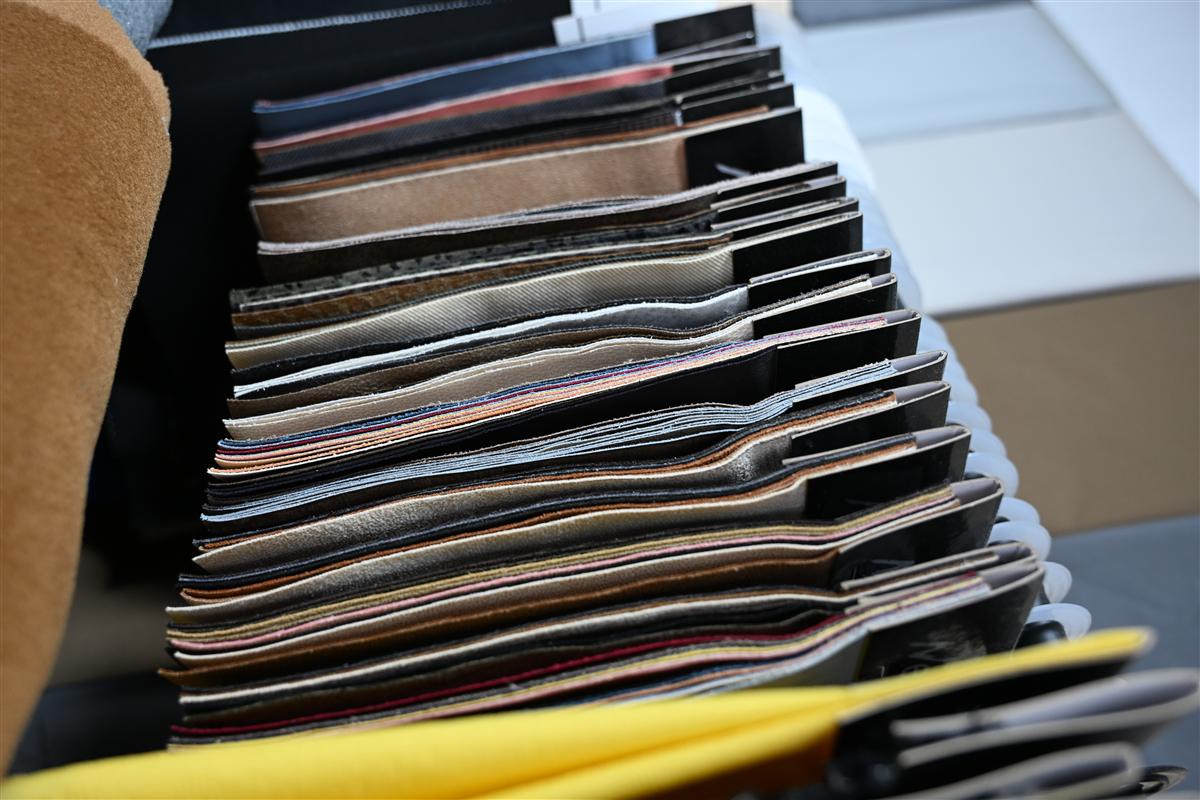
Where the Water Actually Comes From
Container rain, the condensation that drips onto cargo, starts inside the box itself. Every hygroscopic item packed into the container, fabric included, carries moisture from the mill’s ambient air, and packing materials add their own share. As the container crosses climate zones, day-night temperature swings push the interior air past its dew point, water condenses on the steel roof and walls, and it drips or runs onto the top layers of cargo. A container sailing from a humid southern Chinese summer into a European winter carries a large temperature span, which is exactly the profile where wool shipments get damaged. The defense has two layers: reduce the moisture that enters the container, and block the path between condensation and fabric. Physical testing methods for moisture in textiles are standardized in the references of bodies such as ASTM International, useful when a claim needs a laboratory number rather than an opinion.
Bale Packaging: The First Line of Defense
Fabric reaches export either rolled or plaited into bales, and the bale build is what stands between container condensation and the cloth. The working standard for wool fabrics is a multi-layer wrap: an inner poly bag around the fabric, then a woven or laminated outer wrap, sealed at the ends, with desiccant sachets placed inside the bale rather than loose in the container. Loose desiccant in the container fights a battle spread too thin; sachets inside each bale protect the actual goods. Two details matter as much as the materials. First, moisture content at packing: fabric packed wet stays wet, so mills confirm the cloth is conditioned before wrapping, a step our production team owns because we pack our own container programs. Second, ventilation containers, which exchange air through designed vents and suit shipments crossing mild climate spans, but are the wrong choice for monsoon-season sailings where humid air is exactly what you keep out. Buyers who unpack a container plan in detail with their mill should also agree on what the bale labels carry, because a bale that cannot be identified without unwrapping invites the handling that breaches wraps in the first place: piece numbers, meterage and lot codes printed on the outer layer let warehouses check stock without cutting the protection open. Our breakdown of the mill sourcing checks includes packing questions buyers should ask before the order, not after the damage.
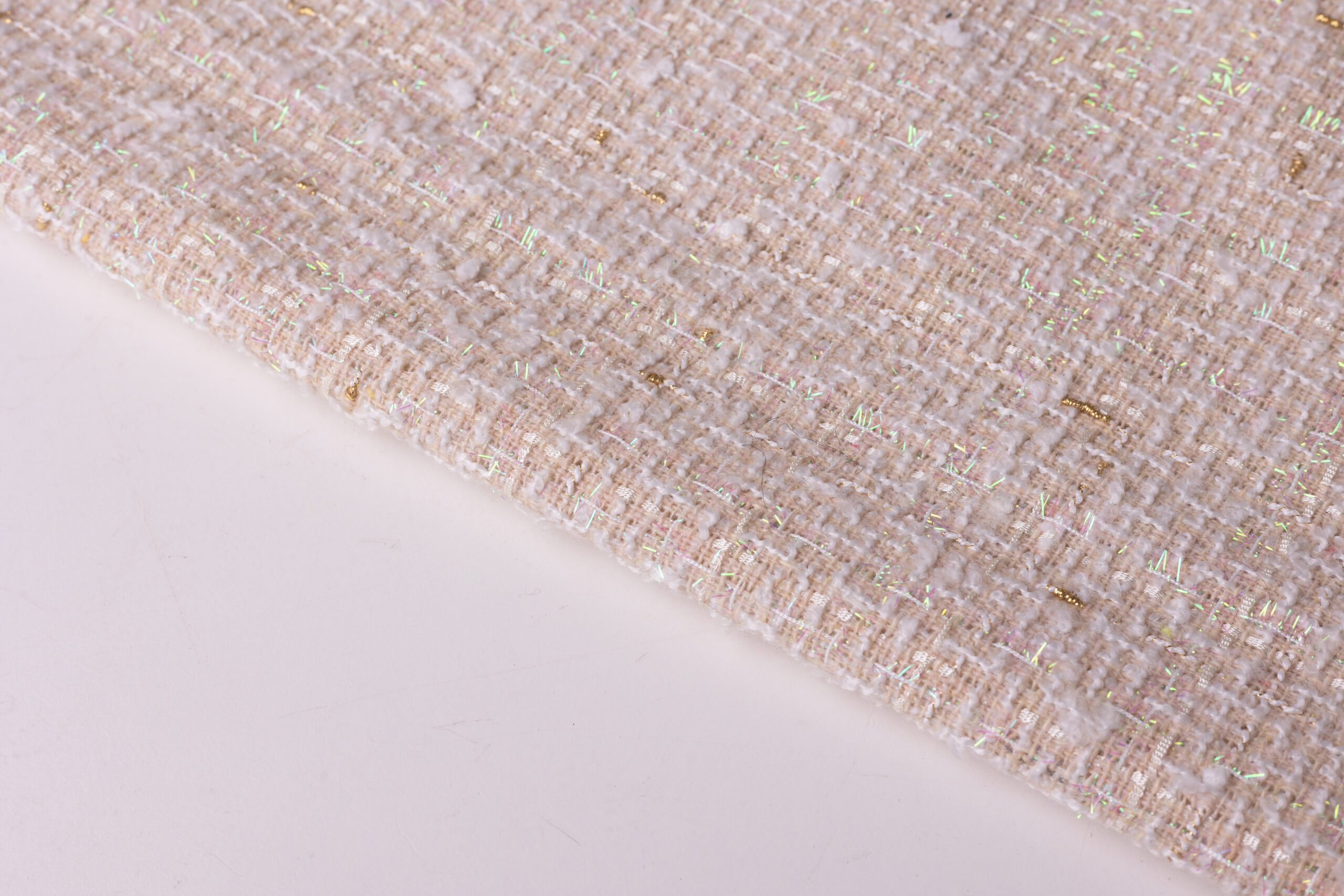
The Inspection Routine That Protects the Claim
Moisture defense ends with proof. At destination, the receiving routine takes ten minutes per pallet and decides whether any claim is arguable: photograph the container interior before unloading, including the walls and any standing condensation; photograph each bale’s outer wrap condition; open one bale from the top layer and one from the bottom, feel the fabric, smell for mildew, and check the desiccant state. Note the results on the delivery receipt before signing, because a signed clean receipt quietly transfers the damage story to your side. If a problem appears, the photo trail of intact wraps versus breached wraps separates carrier damage from packing failure, and that distinction decides who pays. Buyers receiving fabric for third-party garment factories should push this routine down the chain in writing, because the most common mold claims we see start when a warehouse left wrapped bales against a cold wall for weeks after receipt, a storage failure no mill can control. Buyers importing for small batch programs can fold the routine into their standard receiving checklist at negligible cost.
FAQ
Why does fabric arrive wet inside a sealed container?
Container rain: moisture carried inside the box condenses on steel surfaces during temperature swings and drips onto cargo. The fix starts with what goes into the box and how bales are wrapped.
Where should desiccant go, container or bale?
Inside each bale, next to the fabric. Container-level desiccant spreads its capacity too thin to protect the goods that matter.
Are ventilated containers better for fabric?
Only across mild climate spans. In monsoon-season sailings they admit humid air, which is the opposite of what wool shipments need.
What should a receiving inspection include?
Photograph the container interior and bale wraps before unloading, open bales from top and bottom layers, feel and smell the fabric, and check desiccant state. The photo trail decides claim responsibility.
Can mold appear after intact delivery?
Yes, in storage. Wrapped bales left against cold walls or on damp floors grow mildew weeks after receipt, which is why the inspection routine belongs in writing down the warehouse chain.
Video: Sustainable Fabric Handling in Practice
Shipping wool fabric through a humid season? The team behind our fabric cost and logistics guide specs bale packing and desiccant per route, and documents the packing condition in the shipment file.

Related Insights
Exchange Rate Risk in Fabric Imports: 3 Ways to Hedge
Fabric importers quote retail prices months before they pay their mills, and currency moves in...

Demurrage and Detention on Fabric Containers: The Clocks That Eat Margins
A fabric container that arrives on time can still lose its margin in the port...

UK Fabric Imports: Duty, VAT, and Customs for Tweed
UK Fabric Imports: Duty, VAT, and Customs for Tweed If you are importing tweed into...