

Understanding Fabric Weight and Structure for Luxury Knits
Selecting the correct knit fabric for a luxury ready-to-wear collection begins with a precise understanding of weight and structural integrity. For premium garments such as tailored jackets, dresses, or outerwear, the fabric weight must align with the silhouette and drape desired. Luxury knit fabrics for ready-to-wear typically range from 180 g/m² for lightweight tops to over 600 g/m² for structured coats. A fabric that is too light may lack body and cause sagging, while an overly heavy knit can restrict movement and complicate garment construction. The balance between stability and flexibility is achieved through the stitch density and the type of knitting construction—single jersey, double knit, interlock, or rib—each offering distinct mechanical properties.
For Chanel-style bouclé and heritage cable knits, the fabric’s surface texture is as important as its weight. Bouclé is characterized by looped yarns that create a nubby, dimensional finish, requiring a stable base to prevent distortion during cutting and sewing. Cable knits demand consistent tension to maintain the raised pattern. Manufacturers with dedicated quality control processes, such as those using digital tension monitors and automated knitting machines, can deliver uniform results. When evaluating suppliers, request weight specifications in grams per linear meter and thickness data. A reputable mill will provide a detailed technical datasheet for each stock or custom lot, ensuring the fabric meets the exact requirements of the design team.
Yarn Composition and Fiber Quality
The yarn composition directly determines the hand feel, longevity, and visual appeal of luxury knit fabrics. Premium ready-to-wear collections typically use natural fibers—merino wool, cashmere, alpaca, silk, or cotton—blended with small percentages of synthetics for performance. For example, a wool-silk blend offers warmth with a lustrous finish, while a cashmere-nylon mix enhances durability without sacrificing softness. The fiber micron count is a critical metric: luxury wool should be below 21 microns, and cashmere under 16 microns. These specifications must be documented in the supply chain from fiber source to finished fabric.
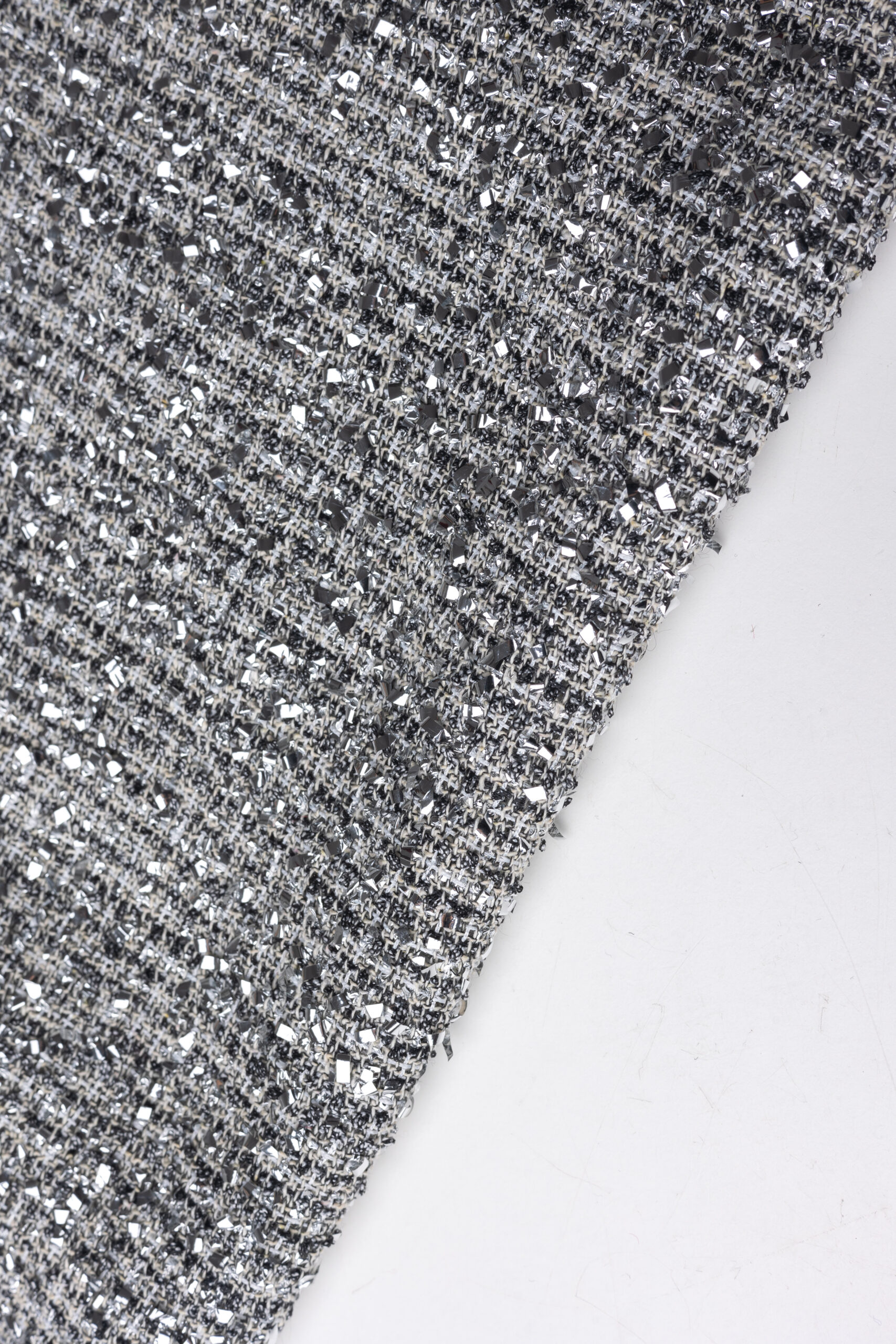
Exclusive textures are often achieved through custom yarns, such as slub, bouclé, or tweed-style thread blends. A manufacturer with the ability to develop bespoke yarns at a minimum order quantity of 300 meters lowers the risk for emerging luxury labels. The color fastness and shrink resistance of these blends must be tested under ISO standards, with results shared before production. In-stock materials, such as 100-meter rolls of premium bouclé, allow immediate sampling and speed-to-market without compromising on quality. The key is to verify that the fiber percentages are consistent across all lots, as even a 5% variation in synthetic content can alter the drape and care instructions.
Evaluating Knit Durability and Pilling Resistance
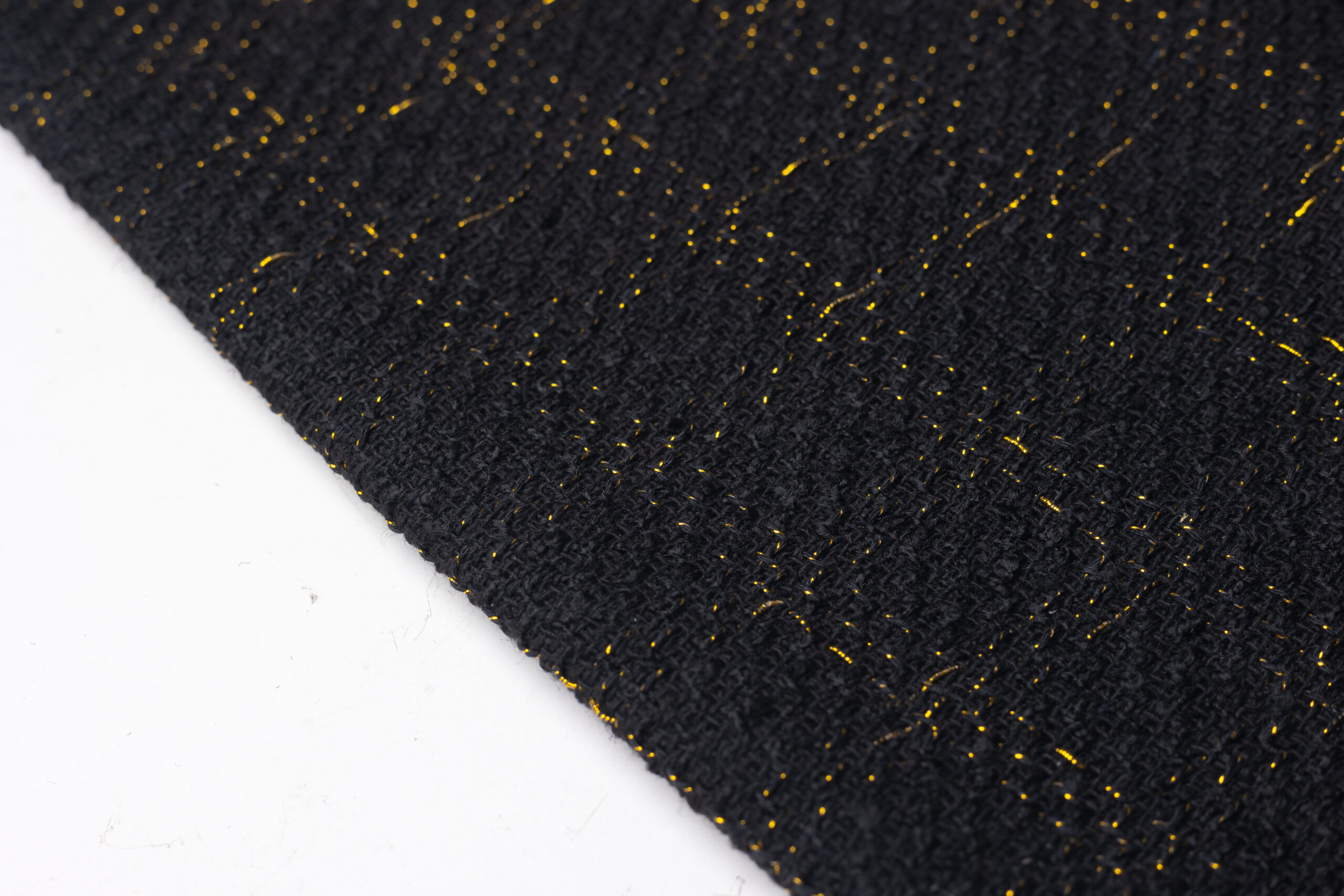
Luxury knit garments are worn repeatedly and expected to maintain their appearance. Pilling resistance is a primary concern for fabrics with soft yarns or loose twists. Industry standards (e.g., Martindale abrasion test or ICI pilling box) quantify how a fabric will perform. For high-end ready-to-wear, a pilling rating of 4 or higher (on a scale of 1–5) is advisable. Fabrics intended for jackets or cardigans should also pass a snagging test, especially bouclé constructions where loose loops can catch on accessories. Manufacturers offering rapid sampling—within seven days—enable designers to test physical swatches under real use conditions before committing to bulk orders.
Stitch definition and seam slippage are additional durability markers. Double-knit structures provide higher recovery and resist edge curling, making them ideal for structured pieces. The elasticity should be measured as a percentage (e.g., 15–25% stretch with good recovery) to ensure the garment holds its shape after repeated wear. Suppliers with an established track record since 2020, such as those with specialized knitting equipment, often have proprietary finishing processes—like anti-pilling treatments or silicone washes—that extend the fabric’s lifespan. When reviewing options, ask for third-party lab reports on tensile strength and fabric shrinkage after laundering.
Color Consistency and Pattern Matching
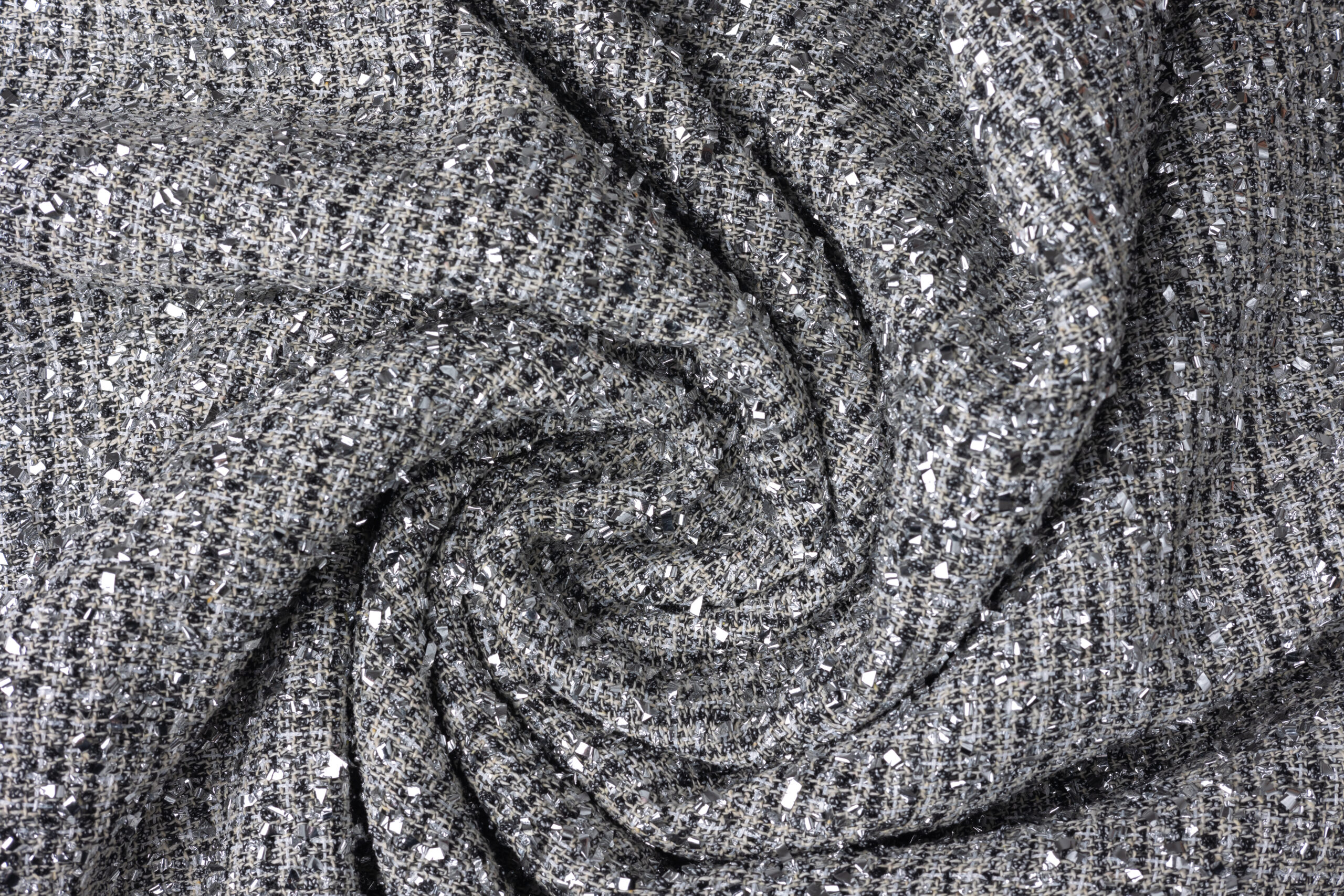
In luxury collections, color is a signature element. Knit fabrics made from dyed yarns (yarn-dyed) offer better color fastness and fade resistance compared to piece-dyed materials. For Chanel-style tweeds, multiple colored threads are interwoven, requiring precise tension control to maintain the intended pattern repeat. The mill’s dye lot tracking system must ensure that subsequent shipments match the original shade within a Delta E tolerance of ≤ 1.0 (for critical shade matching). Standardized lighting conditions (D65) should be used for visual approval of swatches and bulk rolls.
Pattern matching is especially demanding for cable knits and jacquard designs. The repeat length and horizontal alignment of motifs must be consistent across the entire width of the fabric. A slight shift in pattern can ruin the visual flow of a garment. Many suppliers provide a “strike-off” or woven sample for approval before production. Custom bespoke orders at lower MOQs (e.g., 300 meters) allow designers to fine-tune colors and patterns without the financial burden of a full-scale run. For in-stock materials, ask for a physical color card or digital spectrophotometry data to validate the shade against your design specifications. Reliable manufacturers maintain archives of previous runs to guarantee color continuity for reorders.
Sourcing and Lead Times for Luxury Knit Fabrics
Lead time is a critical factor for seasonal collections. In-stock knit fabrics—available in 100-meter rolls—can be shipped within three to seven days, enabling designers to start sampling immediately. This speed is essential for fashion brands that need to test market response before committing to larger volumes. Custom bespoke orders, with a minimum of 300 meters, typically require four to six weeks for yarn development, knitting, and finishing. However, a streamlined sampling process (e.g., seven-day rapid sampling) shortens the timeline significantly.
Working with a supplier that combines ready stock with custom capabilities reduces supply chain complexity. The manufacturer should have a clear policy on quality control, including inspection of every roll for defects such as needle lines, yarn breaks, or dye unevenness. Many premium mills in Wenzhou, a region known for textile expertise since 2020, offer competitive pricing—a fraction of equivalent European mill pricing—without compromising on quality. For luxury ready-to-wear collections, the ability to order small custom lots at entry-level MOQs minimizes financial risk while still achieving exclusive textures. Always request a pre-production sample and agree on a written specification sheet before bulk production begins.
Conclusion
Selecting knit fabric for a luxury ready-to-wear collection requires a systematic evaluation of weight, yarn composition, durability, color consistency, and sourcing efficiency. Designers and production managers must prioritize suppliers who provide transparent technical data, rapid sampling, and flexible order quantities. Premium materials such as Chanel-style bouclé and heritage cable knits demand careful attention to stitch structure and fiber quality to deliver the artisan aesthetic that high-end customers expect. By working with experienced manufacturers—especially those with decades of expertise in textile hubs like Wenzhou—brands can achieve exceptional fabric quality at a competitive cost, ensuring their collections stand out in the global marketplace.
Frequently Asked Questions
What is the ideal fabric weight for a luxury knit jacket?
The ideal weight depends on the garment silhouette. For a structured bouclé jacket, 350–500 g/m² is typical; for a lighter cardigan or dress, 200–300 g/m² works best. Always test a sample under the intended construction conditions.
How can I ensure color consistency across different dye lots?
Request spectrophotometer readings (Delta E ≤ 1.0) and physical swatches under D65 lighting. Work with suppliers who maintain dye lot archives and offer strike-off samples for approval before production.
What custom MOQ is realistic for exclusive knit textures?
Many premium manufacturers accept bespoke orders starting at 300 meters. This allows development of proprietary yarn blends and patterns without requiring full-scale production volumes. In-stock options (100 meters) are also available for faster turnaround.
How do I test pilling resistance before ordering bulk?
Ask for a Martindale or ICI pilling test report on the specific fabric. A rating of 4 or higher is recommended for luxury ready-to-wear. You can also order a seven-day rapid sample to physically test the fabric’s performance under simulated wear.
What are the benefits of yarn-dyed versus piece-dyed knits?
Yarn-dyed fabrics (where individual threads are colored before knitting) offer superior color fastness and allow for complex multicolor patterns like tweed. Piece-dyed fabrics are dyed after knitting, which is more cost-effective but may have lower fade resistance.
Authoritative References
Related Insights

Fabric Width and Selvedge Lines: Planning Cutting Efficiency Before You Order Tweed
Buyers compare tweed by weight, color and price, and then discover at the cutting table...
Reading Fabric Selvedge: Markings, Width and Quality Signals
The selvedge, the finished edge running along both sides of a fabric roll, is the...

Yarn Counts in Tweed: What 2/8 NM Means for Hand, Weight and Cost
Ask three suppliers to quote “a 400 gsm tweed for overcoats” and you will often...